DbcultAccessing Vault...
7.1/10
Senior Film Conservator
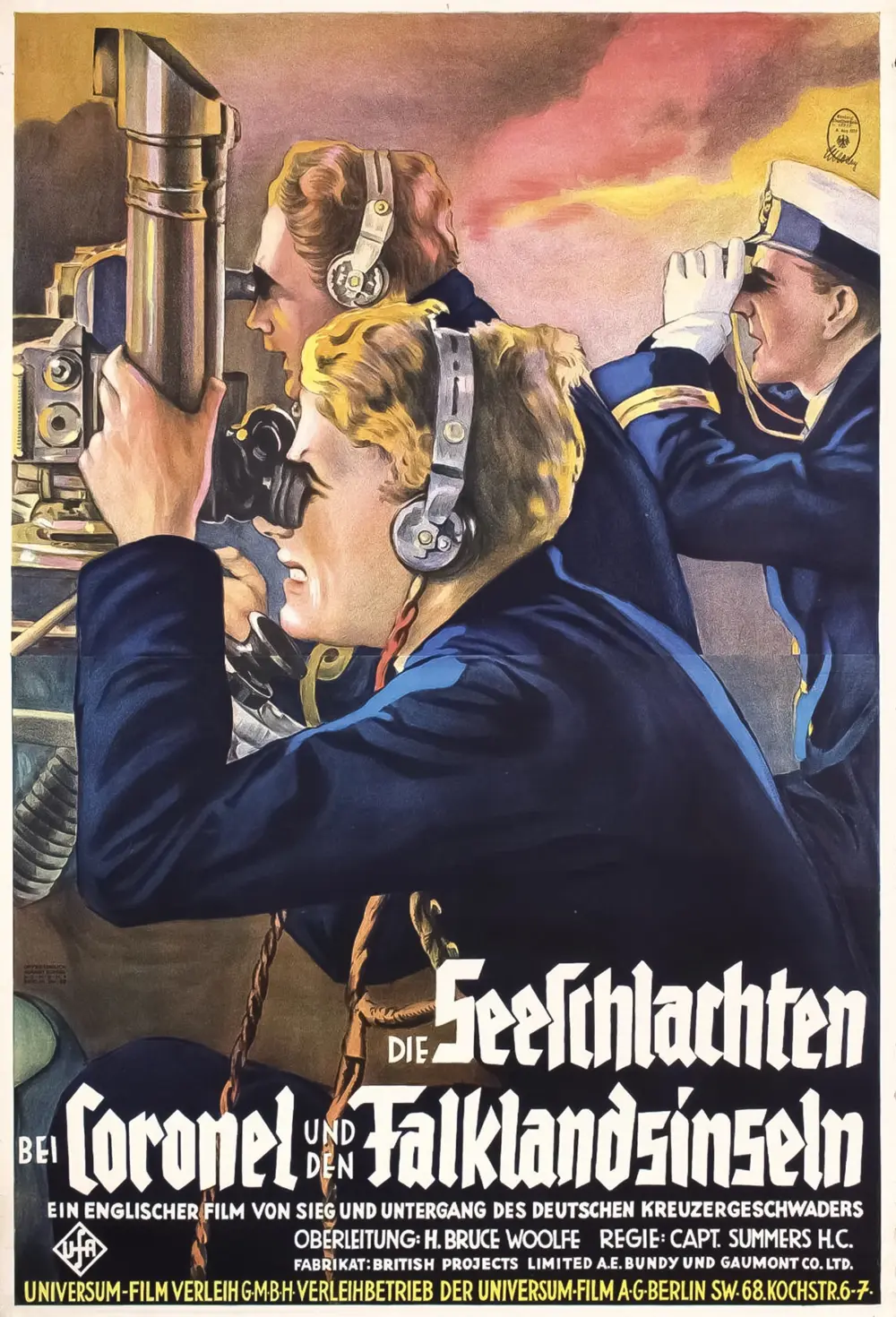
A definitive 7.1/10 rating for a film that redefined the boundaries of cult cinema. The Battles of Coronel and Falkland Islands remains a cornerstone of transgressive art.
Is The Battles of Coronel and Falkland Islands a forgotten gem or a historical curio best left to the archives? Short answer: it's a surprisingly engaging, if somewhat dated, historical document that offers genuine insight into early 20th-century naval warfare and filmmaking. This film is an absolute must-watch for anyone with a deep interest in World War I history, naval strategy, or the evolution of cinematic storytelling, particularly those fascinated by the silent era's ambitious attempts at large-scale historical reconstruction. However, it is decidedly not for audiences seeking modern character-driven drama, fast-paced action, or a visually polished contemporary war film.
Its strength lies in its meticulous dedication to historical accuracy and its pioneering spirit in bringing grand-scale events to the screen without the benefit of today's special effects. It works. But it’s flawed. The film operates less as a conventional narrative and more as a detailed historical account, brought to life with a remarkable degree of effort for its time.
Released in 1927, The Battles of Coronel and Falkland Islands stands as a testament to early cinema's ambition to document and dramatize history. This isn't just a film; it's a meticulously crafted historical record, attempting to bring the stark realities of naval combat from a bygone era to a mass audience. Produced by the British Instructional Films, a company renowned for its documentary and educational output, the film’s pedigree immediately suggests a commitment to factual representation over pure entertainment. It serves as a fascinating companion piece to other historical reconstructions of the era, such as Kino-pravda no. 21, though with a distinct British naval focus.
The film’s dual narrative structure, chronicling both a humiliating defeat and a triumphant revenge, speaks volumes about the national psyche in post-WWI Britain. It’s a story of learning from disaster and demonstrating resilience, packaged for a public still grappling with the war's aftermath. The creative team, including writers Merritt Crawford, Harry Engholm, John Buchan, and Frank Bowden, clearly approached this project with a blend of journalistic rigor and dramatic flair, aiming for both accuracy and emotional impact.
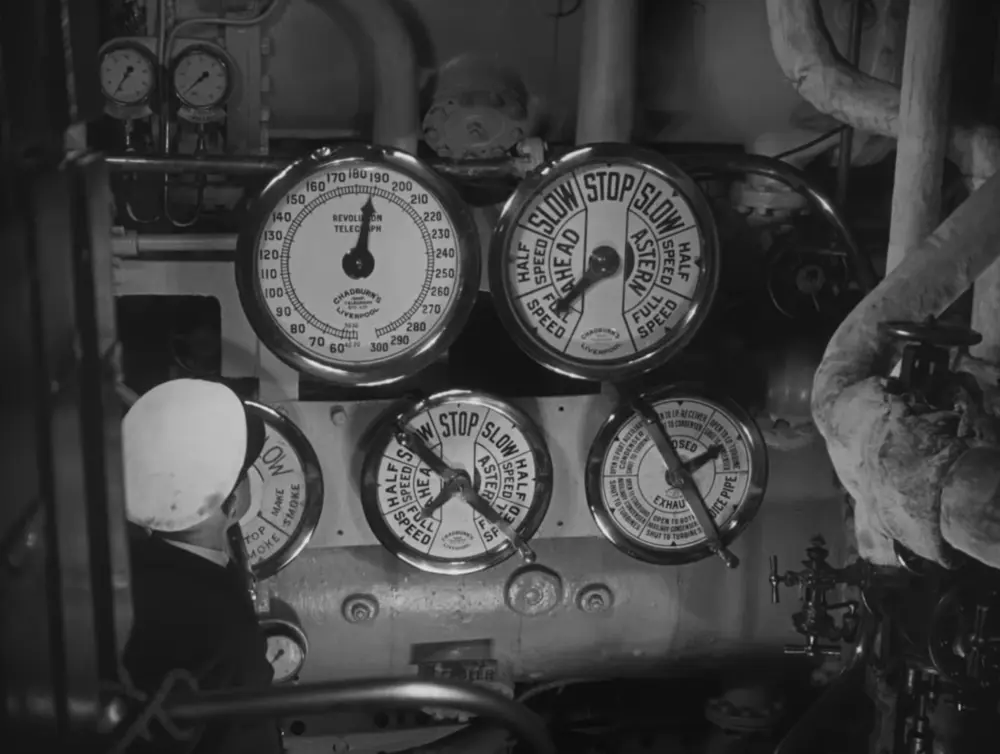
This film works because it commits wholeheartedly to its premise: providing a detailed, almost documentary-style reconstruction of these pivotal naval engagements. Its use of models, miniature effects, and what appears to be actual naval footage (or incredibly convincing recreations) for the time, is genuinely impressive. It allows viewers to grasp the scale and complexity of these battles in a way that mere text cannot.
This film fails because its narrative focus is almost entirely on the battles themselves, often at the expense of character development or emotional depth. While this might be an intentional choice for a historical reconstruction, it means that modern audiences accustomed to strong protagonists and personal stakes might find it emotionally distant. The pacing, too, can feel laborious by today's standards, prioritizing exposition and strategic detail over rapid dramatic beats.
You should watch it if you are a military history enthusiast, particularly interested in naval warfare, or if you are a student of early cinema and want to see how silent films tackled large-scale historical events. It offers a unique window into both a historical period and a filmmaking era.
The directorial choices in The Battles of Coronel and Falkland Islands are fascinating because they lean heavily into a quasi-documentary style, even while presenting a dramatic reconstruction. There's a clear emphasis on clarity and informational transfer over abstract artistry. The film meticulously charts the movements of fleets, the strategic decisions of admirals, and the devastating consequences of naval engagements. Directors (uncredited in some records, but the collective effort is clear) faced the formidable challenge of depicting vast ocean battles without the benefit of CGI or extensive real-life naval action. Their solution? A brilliant, if sometimes obvious, reliance on detailed models and miniature effects.
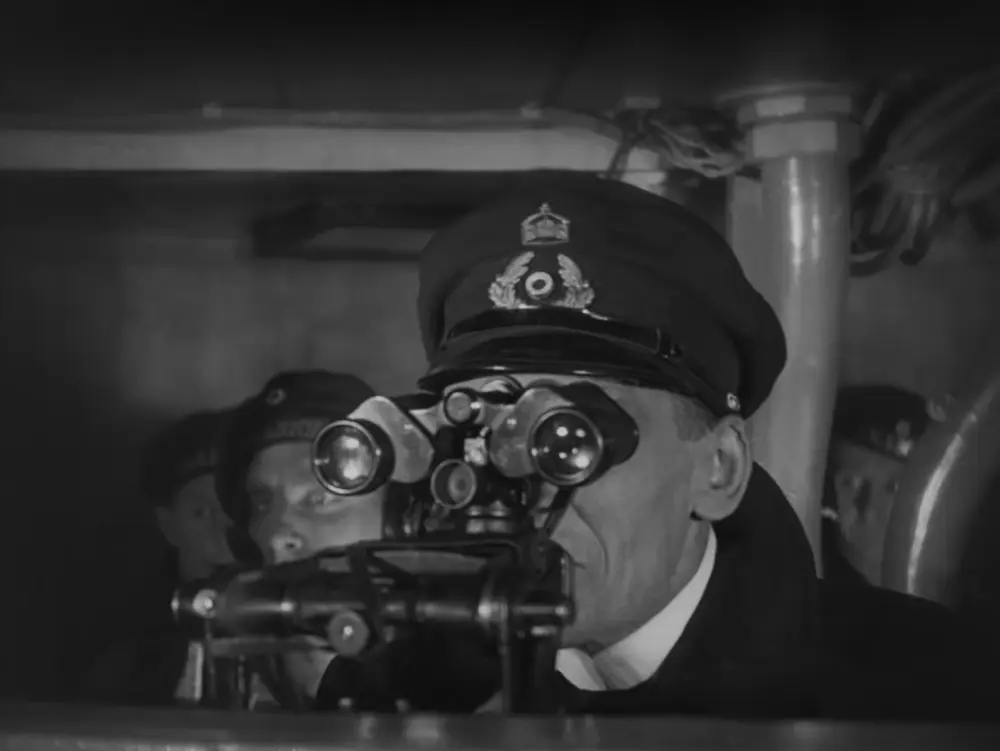
The sequences depicting the ships—the majestic cruisers and battlecruisers—are often shot with a surprising degree of realism for the era. While some shots betray the miniature scale, others achieve a powerful sense of impending doom or triumphant pursuit. The initial engagement at Coronel, for instance, is presented with a chilling sense of the British squadron being outgunned and outmaneuvered. The German ships, under von Spee, are shown with a methodical, almost predatory efficiency. The cinematography here, though black and white and limited by the technology of the time, uses strategic camera angles to convey the vastness of the sea and the isolation of the combatants.
One particularly effective sequence involves the slow, deliberate tracking shots of model ships firing, accompanied by intertitles explaining the tactical implications of each salvo. This might sound dry, but for enthusiasts, it’s engrossing. It’s less about the visceral impact of individual explosions and more about the strategic chess match playing out on the ocean. The film doesn’t shy away from showing the grim aftermath, though in a stylized, non-graphic manner typical of the period, hinting at the human cost without dwelling on gore.
The pacing, however, is undeniably slow by modern standards. It’s a film that demands patience, unfolding with the deliberate rhythm of a historical lecture rather than a blockbuster. Scenes often linger on maps, on the faces of commanders pondering their next move, or on the slow approach of fleets. This deliberate tempo, while challenging for some, is precisely what allows the film to convey the gravity and strategic depth of these battles. It forces the viewer to consider the decisions, the stakes, and the consequences in a way a faster-paced film might gloss over.
"The Battles of Coronel and Falkland Islands demonstrates a pioneering spirit, proving that silent cinema could tackle grand historical narratives with a blend of educational rigor and dramatic ambition."
In a film so focused on historical reconstruction and military strategy, individual performances often take a backseat to the broader narrative of events. Yet, the actors involved—Craighall Sherry, Hans von Slock, and Roger Maxwell—deliver performances that are crucial to grounding the historical figures they portray. Their roles are less about deep character arcs and more about embodying the gravitas and responsibility of command.
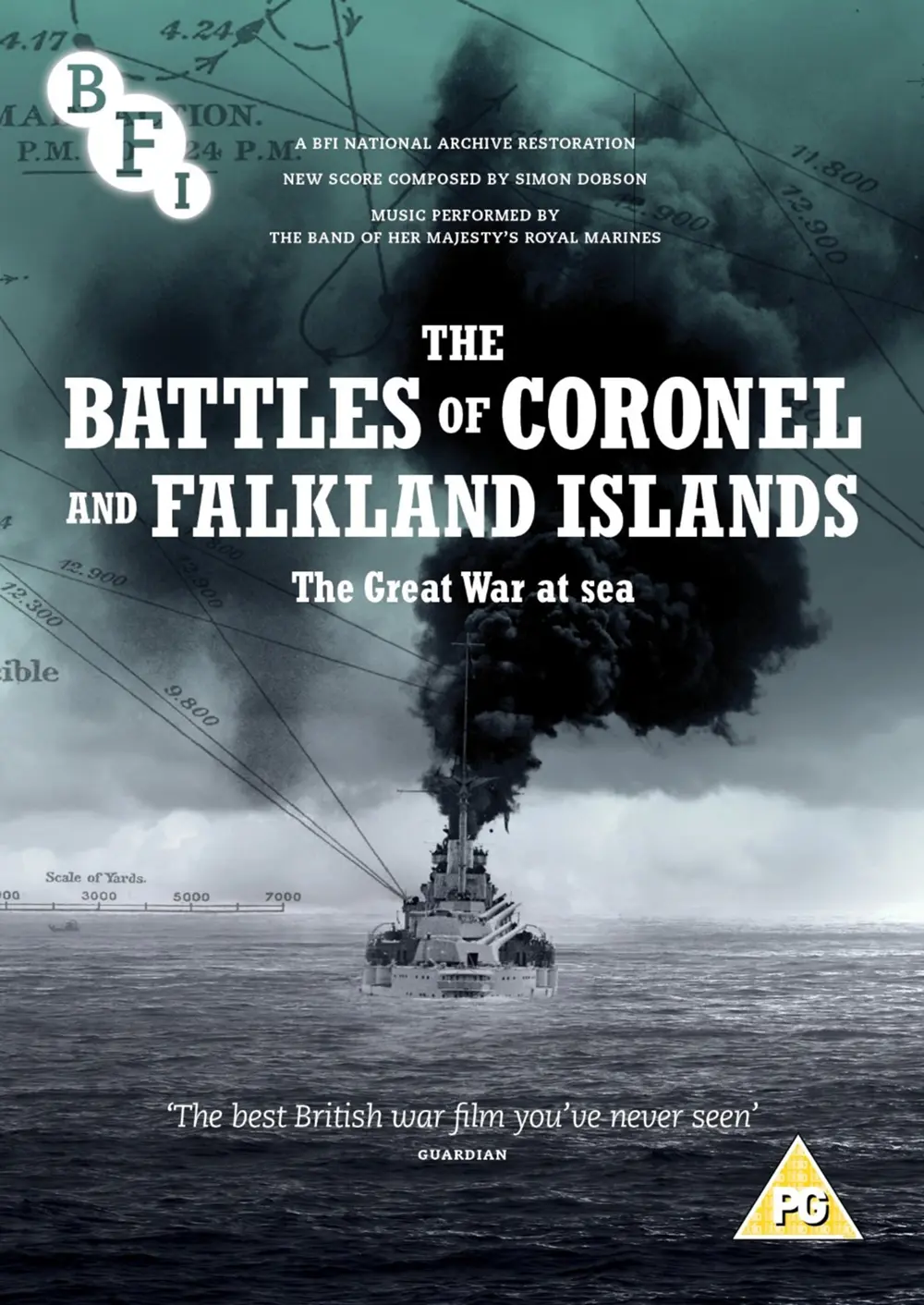
Craighall Sherry, in particular, carries the weight of the British command with a stoic intensity. His portrayal of a naval officer facing overwhelming odds, and later, the pressure of a retaliatory strike, relies heavily on facial expressions and body language, as was common in silent film. There's a subtle tension in his eyes during moments of strategic deliberation, a quiet resolve that speaks volumes without a single word. Similarly, Hans von Slock as Vice Admiral von Spee conveys a calculated, almost ruthless efficiency, embodying the German strategic mindset. His calm demeanor amidst battle preparations is a stark contrast to the desperation that might have been felt on the opposing side.
Roger Maxwell, and others in supporting roles, fill out the ranks of officers and crew, contributing to the film's immersive atmosphere. While their characters are not deeply explored, their presence helps to humanize the massive scale of the naval forces involved. We see their reactions, their discipline, and their unspoken fears or determination. It’s a collective performance that aims to replicate the historical record, rather than invent personal dramas.
This approach, while not conforming to modern acting conventions, is perfectly suited to the film's documentary-drama hybrid nature. It emphasizes the roles these individuals played in a larger historical tapestry, rather than their personal journeys. It’s a refreshing take, reminding us that sometimes, the story of events is more compelling than the story of any single person within them. I'd argue that the film’s strength lies in this depersonalization; it forces the viewer to confront the mechanics of war rather than merely empathize with a hero.
The tone of The Battles of Coronel and Falkland Islands is predominantly somber and respectful, befitting its subject matter. There's a clear reverence for the historical events and the sacrifices made. It’s not a film that glorifies war in a jingoistic sense, but rather one that seeks to understand and explain its complexities and consequences. The initial defeat at Coronel is portrayed with a palpable sense of tragedy and strategic miscalculation, emphasizing the vulnerability of even a powerful navy.
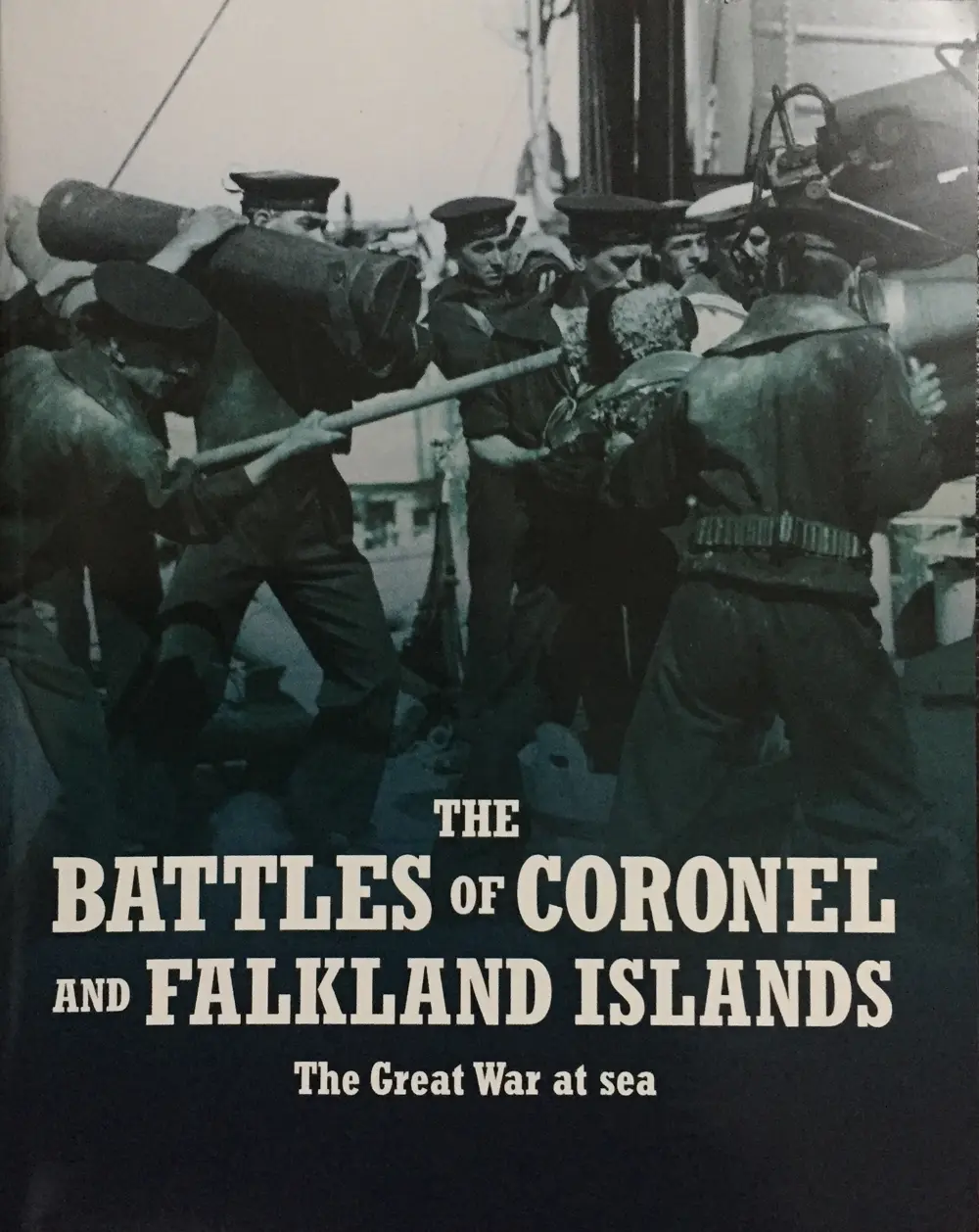
The subsequent retaliation at the Falkland Islands, while culminating in a British victory, is presented not as an unbridled celebration, but as a necessary act of strategic correction. There's a subtle undertone of national pride, certainly, but it's tempered by the understanding of the immense human and material cost. The film serves as an educational tool, explaining the naval strategies, the types of ships involved, and the sheer destructive power unleashed in these encounters. It’s a serious film for a serious subject.
The film’s historical accuracy, particularly in its depiction of naval tactics and ship types, is commendable. It avoids sensationalism, opting instead for a factual, almost academic presentation. This commitment to realism, even in a dramatic reconstruction, gives the film an enduring value as a historical document. It’s a snapshot not just of the battles, but of how a nation chose to remember and interpret its wartime experiences through the nascent medium of cinema.
The most unconventional observation one might make is how effectively this silent film, without dialogue or modern sound effects, conveys the sheer *noise* and *chaos* of naval battle through its visual pacing and intertitles. The rapid-fire text describing shell hits and strategic maneuvers, combined with the frantic cutting, creates an illusion of aural bombardment that is surprisingly powerful.
Absolutely, for the right audience. The Battles of Coronel and Falkland Islands is a fascinating historical artifact and a remarkably ambitious piece of early cinema. It offers a unique perspective on World War I naval engagements and showcases the ingenuity of silent filmmakers. If you are a history buff, particularly interested in WWI or naval warfare, this film provides immense value. If you appreciate the art of silent film and early documentary-style reconstructions, you will find much to admire. However, if you're looking for modern narrative conventions, fast-paced action, or deep character studies, it might test your patience. It's a niche watch, but a rewarding one for those it targets.
The Battles of Coronel and Falkland Islands is not merely a film; it is a vital historical document and a testament to the ambitious spirit of early cinema. While its deliberate pacing and focus on strategic events over personal drama may not appeal to every modern viewer, its value for military historians and silent film enthusiasts is undeniable. It stands as a powerful example of how filmmakers in the 1920s used the nascent medium to educate, inform, and emotionally resonate with audiences about recent, traumatic events. It’s a challenging watch, perhaps, but one that richly rewards those willing to engage with its unique blend of historical accuracy and pioneering cinematic technique. It’s a film that demands to be seen, not just for its subject matter, but for its place in film history. A genuine, if specialized, triumph.
Community
Log in to comment.