DbcultAccessing Vault...
Cult Review
Senior Film Conservator
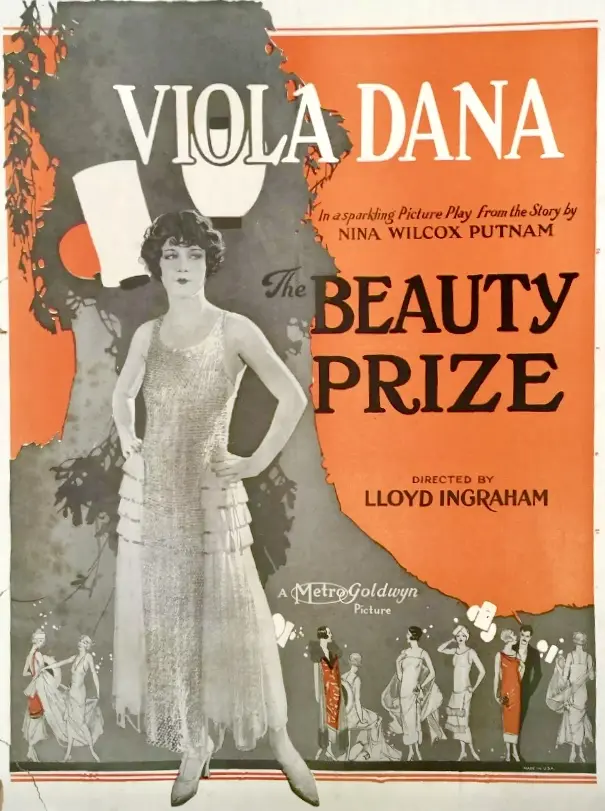
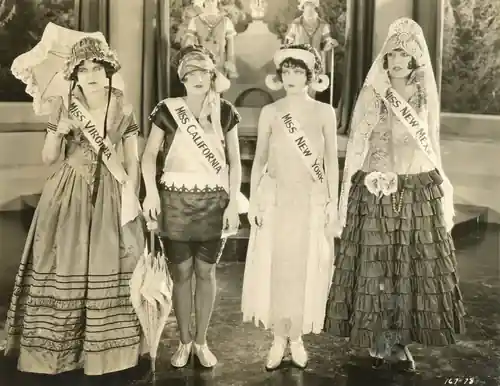
Connie Du Bois, a young and enchanting Manhattan manicurist, leads an unassuming life until a wealthy customer entrusts her with her Fifth Avenue mansion while she's in Europe. This chance encounter sets the stage for a series of events that will transform Connie’s life irrevocably. She is approached by Eddie Schwartz, a charming salesman with a knack for persuading others, who convinces her to enter the prestigious beauty contest in Atlantic City. Under his guidance, Connie is made to believe she is a society debutante, a facade that will soon be exposed to the world.
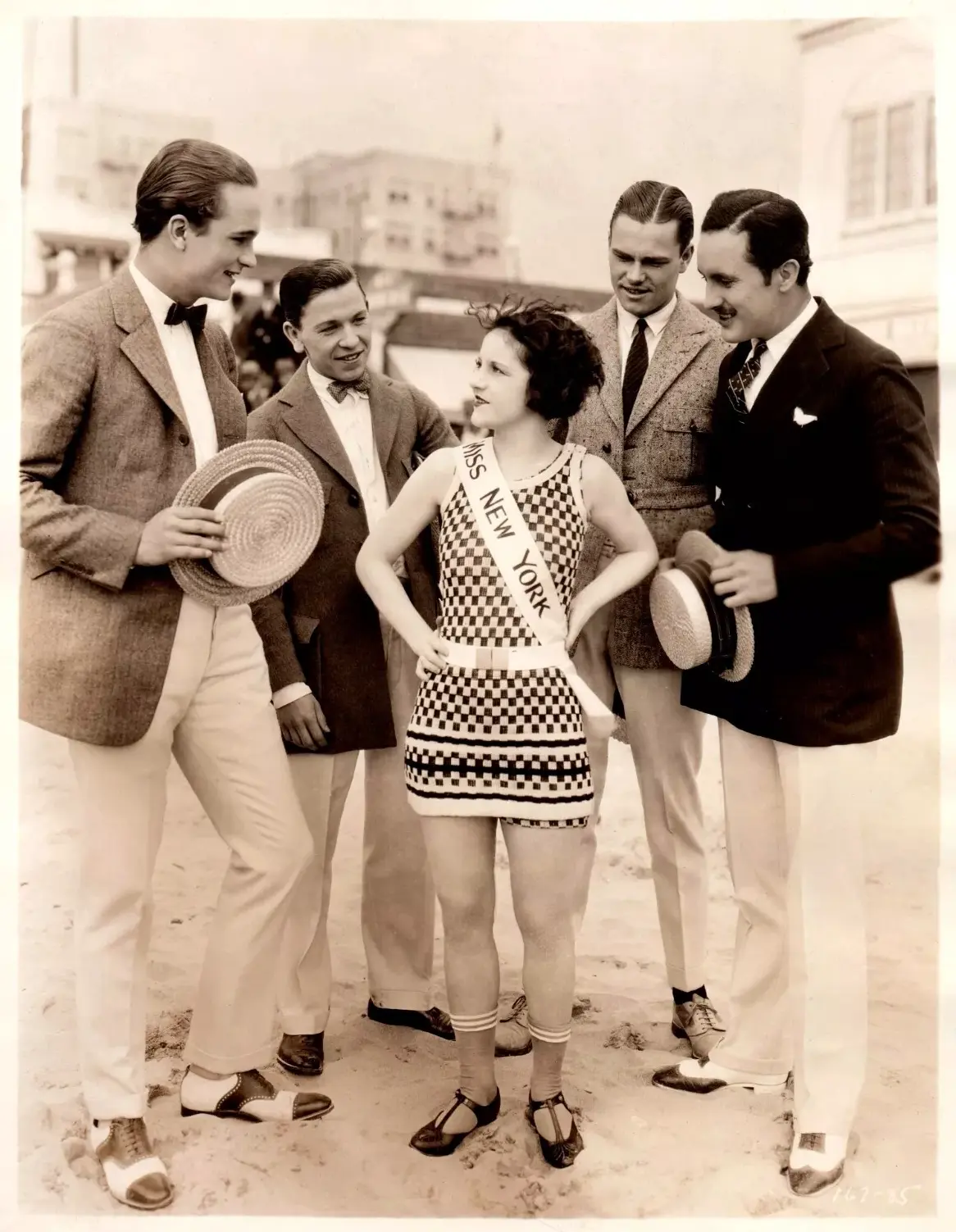
The plot thickens as Connie wins the contest, but she refuses to accept the prize money or the title, much to the disappointment of Eddie and the newspapers. Her honesty and authenticity resonate with the judges, one of whom later discovers her true identity in her hometown. This discovery leads to an invitation for Connie to broadcast her story on the radio, a platform where she can share her experiences and the mistakes she has learned from. During the radio broadcast, Connie's raw emotions and vulnerability are laid bare, especially as she tearfully mentions the name of her former sweetheart, George Brady. George, hearing the broadcast, makes his way back to Connie, and the two are reunited, marking the climax of their journey.
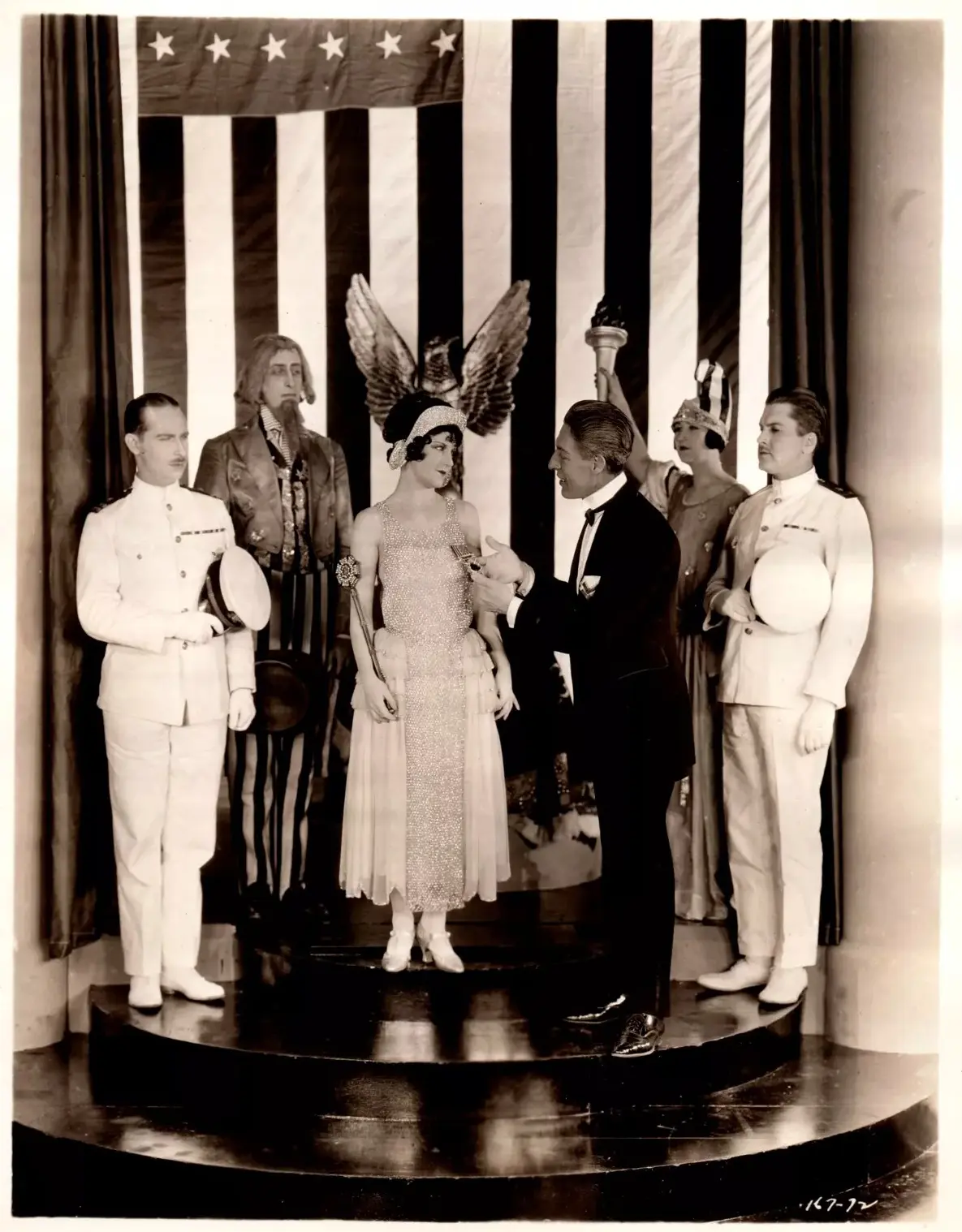
Connie and George’s reconciliation is a poignant moment, symbolizing the triumph of love over societal expectations and personal ambitions. This film is a testament to the power of authenticity and the enduring nature of true love. The performances, led by Edward Connelly and Viola Dana, bring depth and realism to their characters, making the audience feel invested in their journey. The supporting cast, including Edith Yorke and Joan Standing, add layers of complexity to the narrative, contributing to the film’s rich tapestry.
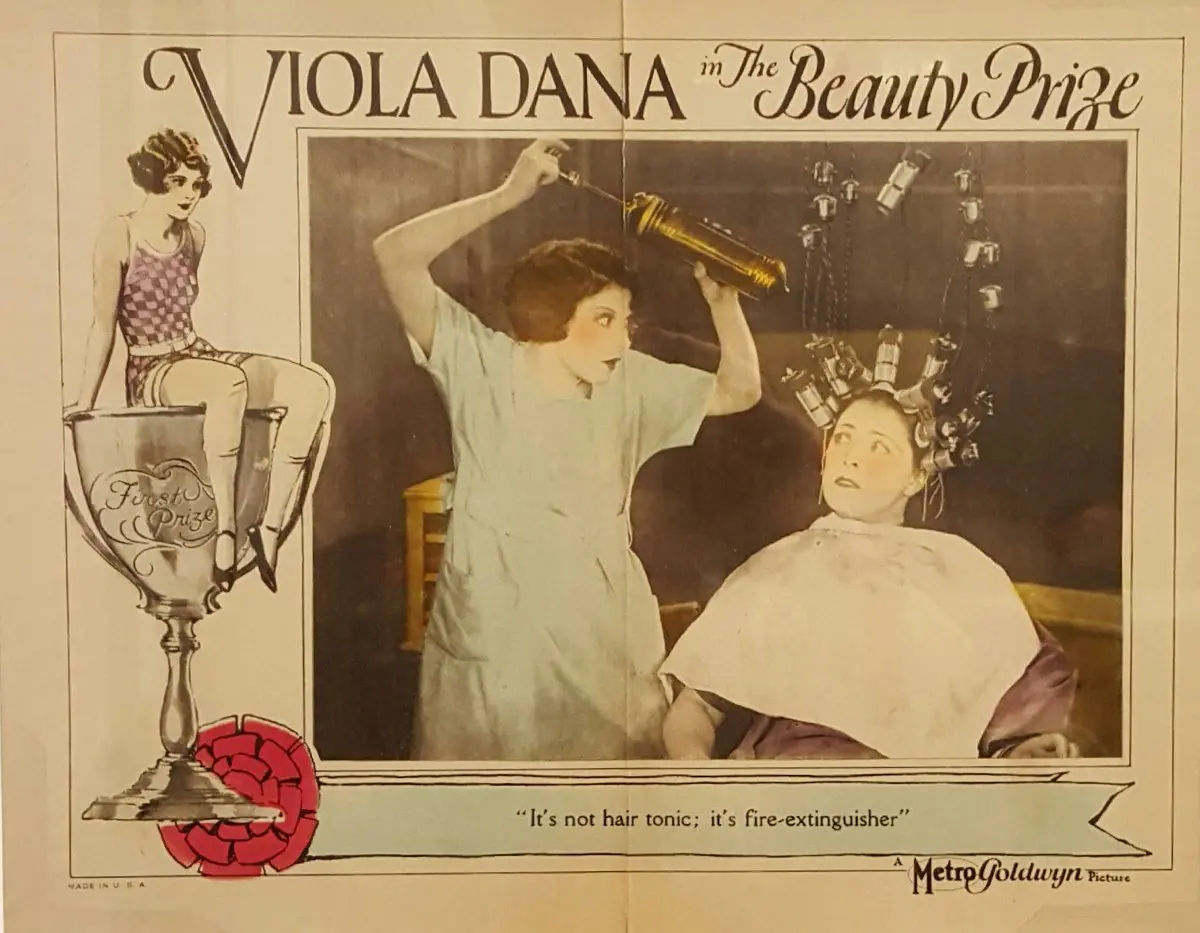
Compared to other films of the era such as 'Snobs' and 'The Wood Nymph', 'The Beauty Prize' offers a fresh perspective on the themes of social class, self-discovery, and the pursuit of happiness. While other films of the period often conform to strict genre conventions, 'The Beauty Prize' stands out for its nuanced exploration of character and its emphasis on emotional authenticity. It is a film that invites viewers to reflect on the nature of success and the value of staying true to oneself.
The film's script, penned by Nina Wilcox Putnam and Winifred Dunn, is a masterclass in storytelling. It weaves together elements of romance, drama, and social commentary, creating a narrative that is both engaging and thought-provoking. The storyline, while familiar in its basic outline, is elevated by its execution and the performances of the cast. The film’s setting, primarily in Manhattan and its surroundings, provides a rich backdrop for the characters’ journeys, enhancing the overall atmosphere and mood.
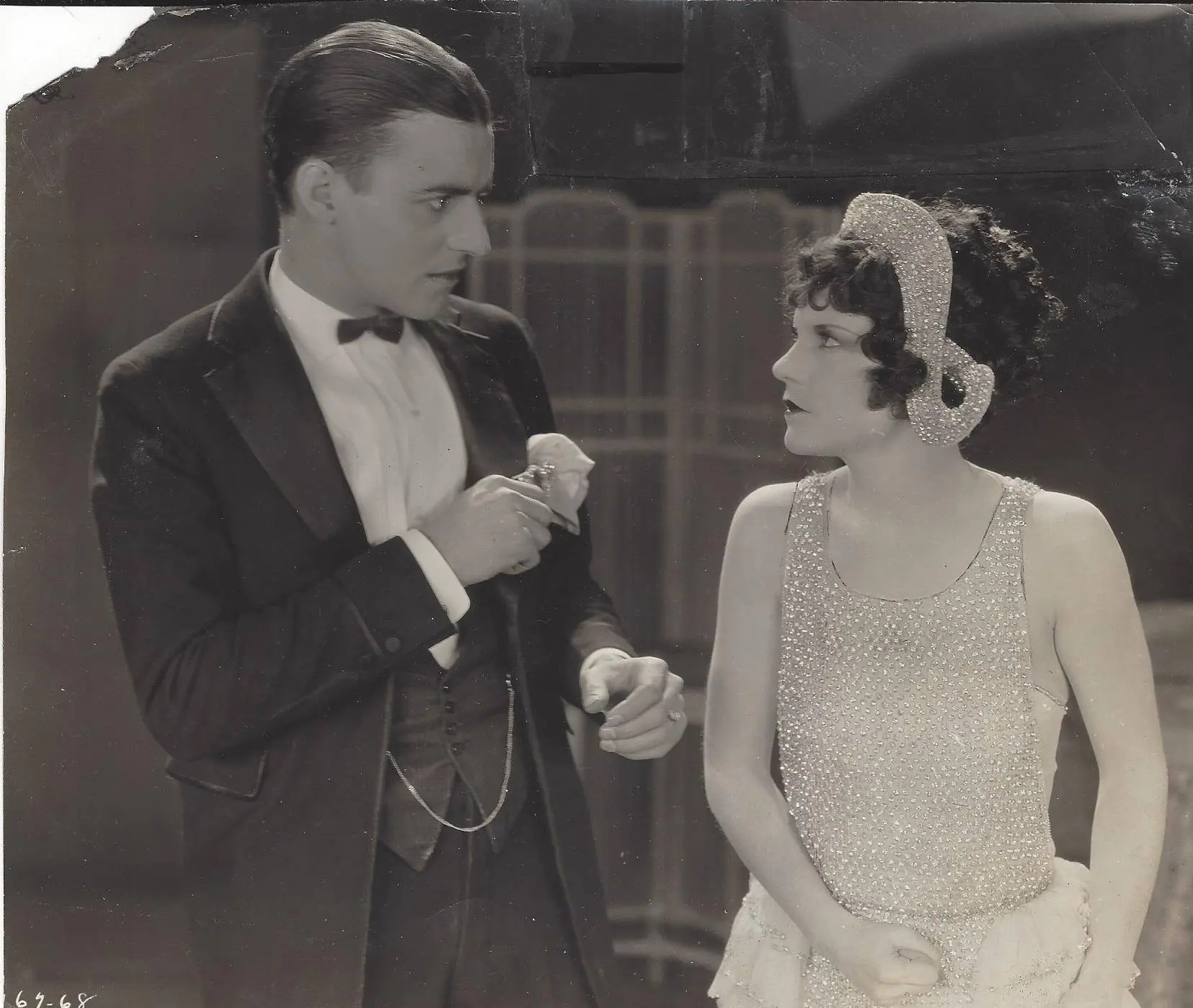
The cinematography is another highlight of 'The Beauty Prize'. The scenes of Connie’s bustling Manhattan salon and the grandeur of the Fifth Avenue mansion provide a vivid visual representation of the film's themes. The contrast between Connie’s humble beginnings and the glittering world of the beauty contest is particularly striking, underscoring the central conflict of the film. The radio broadcast scene, with its intimate and powerful delivery, is a powerful moment in the film, capturing the essence of Connie’s character and her journey of self-discovery.
Overall, 'The Beauty Prize' is a lost gem of early Hollywood cinema. It offers a unique and compelling narrative that resonates with contemporary audiences. Its themes of authenticity, love, and personal growth are universal, making it a film that deserves to be rediscovered and celebrated. 'The Beauty Prize' is not just a story of a beauty contest; it is a testament to the enduring power of human connection and the journey towards self-realization.
IMDb —
1924
Community
Log in to comment.