DbcultAccessing Vault...
5.7/10
Senior Film Conservator
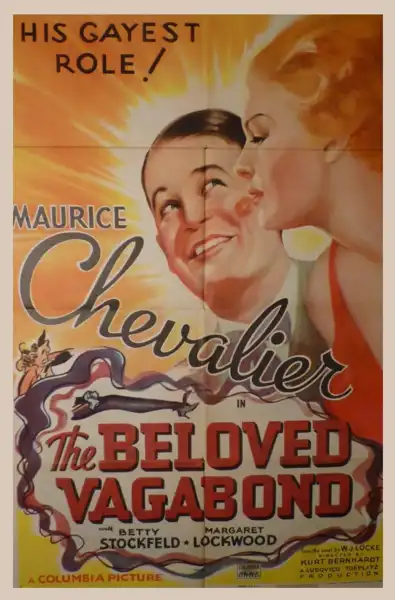
A definitive 5.7/10 rating for a film that redefined the boundaries of cult cinema. The Beloved Vagabond remains a cornerstone of transgressive art.
If you have a soft spot for 1930s schmaltz and want to see Maurice Chevalier acting like he’s allergic to a necktie, you’ll probably have a decent time. If you prefer your movies to have a tight pace or a plot that makes sense for more than twenty minutes at a time, you’re going to be frustrated by the second act.
It’s not quite a musical, though it really wants to be one in spirit. It’s more like a series of postcards glued together with bad luck and accordion music.
Chevalier plays Gaston, a man who is supposed to marry into money but decides that living in a ditch is actually the dream. There is a lot of singing about the road. The scenes in the London society circles feel stiff, like everyone is holding their breath waiting for the cameras to turn off. Once he hits the road, the movie finally exhales.
There’s this one sequence where he’s wandering the countryside, and the background paintings are so obviously fake that it becomes endearing. You can almost see the brushstrokes on the sky. 🎨
I found myself thinking about Man of the World while watching this. Both films share that weird preoccupation with men who think running away from their problems is a personality trait. It’s a very specific kind of 1930s male angst that feels outdated but strangely cozy.
The dialogue is often clunky. It tries to be poetic, but it usually ends up sounding like a greeting card someone wrote while half-asleep. 'The world is a big place for a small heart,' or something like that. Ugh. But then Chevalier does that little eyebrow raise, and you just stop caring about the script.
It’s not a masterpiece. It’s barely a coherent story. But it’s got a weird, dusty charm that kept me watching until the credits rolled. Sometimes, that’s enough.
IMDb 5.9
1931
Community
Log in to comment.