DbcultAccessing Vault...
Cult Review
Senior Film Conservator
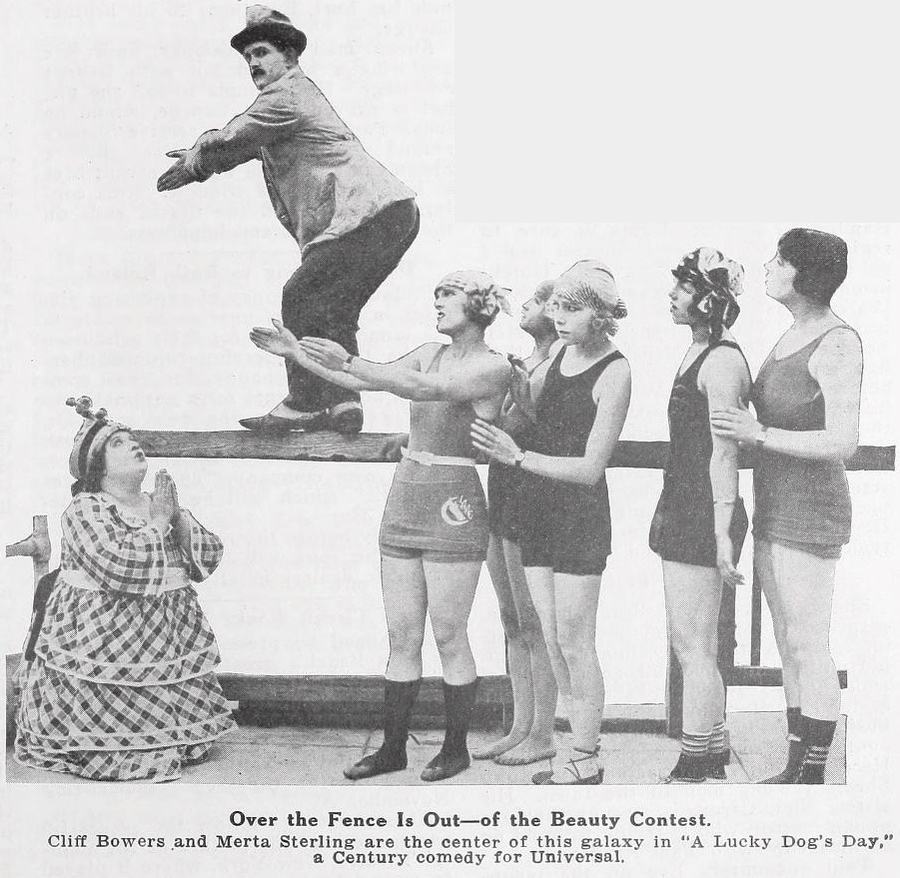
In the annals of early cinema, where the flickering images told tales without uttering a single word, certain productions stand out not just for their technical prowess but for their sheer, unadulterated charm and comedic audacity. William Watson's "A Lucky Dog's Day", a delightful silent-era romp starring the inimitable Brownie the Dog, is precisely one such gem. This film, a masterclass in escalating domestic chaos and physical comedy, offers a captivating glimpse into the humor and societal quirks of its time, all while showcasing the remarkable talents of its canine lead. It's a testament to the enduring appeal of slapstick, the heartwarming loyalty of a pet, and the timeless absurdity of human folly.
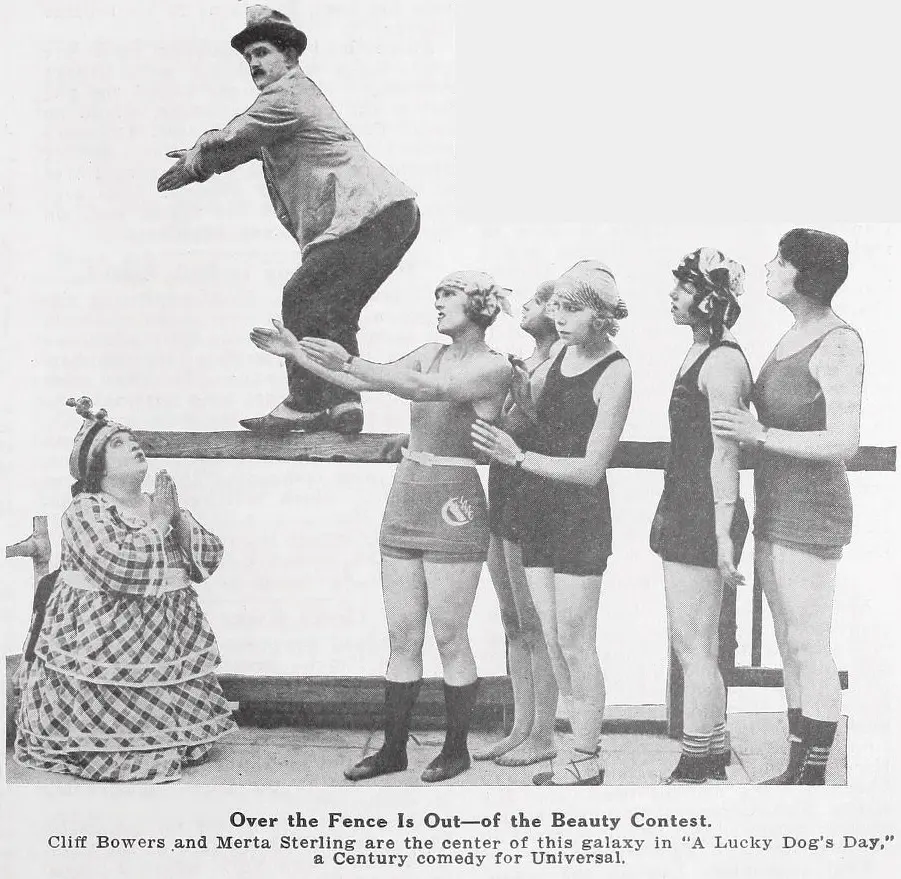
Our narrative begins with a scene of frantic domestic anticipation: Mr. Newlywed, portrayed with an endearing, almost manic energy by Cliff Bowes, is seen dashing home, propelled by an eagerness to reunite with his "wifie." This breathless urgency immediately establishes a tone of lighthearted exuberance, a feeling amplified by the subsequent introduction of Mrs. Newlywed, a character radiating a delightful, dimpled charm, brought to life by Merta Sterling. Their happiness, however, isn't just about their fresh marital bliss; it's significantly enhanced by their adorable and remarkably clever dog, Brownie. This canine marvel, whose tricks are nothing short of astounding, serves as the emotional anchor and, as events unfold, the unwitting catalyst for much of the ensuing pandemonium.
Yet, even in this nascent paradise, a serpent lurks in the garden, or rather, a landlord next door. The film cleverly introduces the Landlords as the primary antagonists, with Mrs. Landlord immediately asserting herself as a formidable, domineering force. Her presence casts a long shadow, not just over her meek husband but even over their beleaguered feline companion. This dynamic sets up a classic comedic foil: the carefree, affectionate Newlyweds against the stern, overbearing Landlords. The stage is perfectly set for a clash of temperaments, a battle for domestic tranquility that will quickly spiral into outright war.
The spark that ignites the powder keg of conflict is, predictably, Brownie. In a scene that perfectly encapsulates the film's playful spirit, the Newlyweds' dog chases the Landlords' cat directly into Mrs. Newlywed's apartment. This seemingly innocuous act of canine-feline rivalry has immediate, far-reaching consequences. The poor cat, seeking refuge from its pursuer, darts under the marital bed. What follows is a stroke of comedic genius: Mr. Landlord, displaying an unexpected tenderness for his pet, follows the cat into its hiding place, inadvertently placing himself in a deeply compromising and soon-to-be-discovered predicament. The timing is impeccable, a hallmark of silent comedy where every gesture and entrance is precisely choreographed for maximum impact.
Just as Mr. Landlord is attempting to extricate himself, another element of chaos is introduced: Motor Mike, the Cop, hot on Mr. Newlywed's heels. Our protagonist bursts into his home, seeking sanctuary from the law, only to find his wife engaged in a frantic, almost acrobatic display of physical comedy. Mrs. Newlywed, in a desperate attempt to conceal the illicitly hidden Mr. Landlord, performs a series of increasingly absurd antics. Her husband, utterly bewildered, assumes she has lost her mind and implores her to help him barricade the door against the approaching officer. The tension, already thick with comedic irony, snaps as Mrs. Newlywed finally rises, revealing the full, undeniable presence of Mr. Landlord, "as big as life," from beneath the bed. This moment, a crescendo of misunderstanding and exposed secrets, is pure comedic gold, reminiscent of the intricate farcical setups seen in films like A Roman Scandal, where domestic bliss is consistently undermined by unforeseen, ludicrous circumstances.
The revelation of Mr. Landlord's clandestine presence ignites an immediate, explosive "general melee." This isn't just an argument; it's a full-blown, no-holds-barred physical scrap, a gloriously exaggerated ballet of punches, shoves, and pratfalls. The Newlyweds and the Landlords engage in a "terrible scrap," a chaotic explosion of slapstick violence that is both shocking and utterly hilarious. The film embraces the cartoonish brutality inherent in such sequences, with characters taking improbable tumbles and delivering blows that defy logic but elicit guffaws. In a surprising turn, the Newlyweds emerge victorious from this domestic skirmish, beating up their adversaries and making a hasty retreat from the scene of the crime.
The Landlords, however, are not ones to suffer defeat gracefully. As they regain consciousness amidst the wreckage of their dignity and perhaps a few household items, they vow vengeance. This promise of retribution perfectly sets up the film's second act, transforming a simple domestic dispute into a full-blown vendetta. The stakes are raised, and the audience is left to wonder what outrageous scheme the aggrieved Landlords will concoct next. This escalation of conflict, from a minor irritation to a desire for elaborate revenge, is a common trope in early comedies, often pushing the boundaries of plausibility to deliver maximum laughs, much like the escalating predicaments in Chop Suey & Co., where chaos builds upon chaos.
The Newlyweds, having escaped the clutches of their vengeful landlords, find solace in a charming new abode: their "Dollar down and a dollar when you catch me bungalow." This whimsical description perfectly captures the carefree, almost transient nature of their newfound freedom. Here, their happiness seems complete. Their offspring, Brownie (the film subtly implies a familial bond with the dog, referring to him as 'off-spring' later on, reinforcing his integral role), continues to be a central figure, assisting Mrs. Newlywed in the kitchen and Mr. Newlywed in the garden. He performs an array of "most wonderful tricks," showcasing his intelligence and the meticulous training behind his performance. Brownie isn't merely a pet; he's a true character, a loyal companion whose antics provide both comic relief and genuine moments of warmth.
But their idyll is, as predicted, short-lived. The Landlords, true to their word, are "on the job." In a truly audacious act of revenge, they strike while the Newlyweds "slumber sweetly at night." Their plan is as outlandish as it is effective: they attach the entire bungalow to a horse and proceed to drive the house into the ocean. This scene is a marvel of silent comedy ingenuity, a grand, absurd gesture that pushes the boundaries of believability to deliver a truly unforgettable image. The Newlyweds awaken to find themselves adrift in mid-ocean, a surreal predicament that perfectly illustrates the film's commitment to over-the-top humor. The sheer audacity of the Landlords' scheme is breathtaking, a testament to the creative lengths silent filmmakers would go to for a gag. One might consider this level of domestic upheaval in contrast to the more grounded family dynamics explored in films like Home or The Education of Mr. Pipp, where conflicts, while serious, rarely involve a house sailing out to sea.
Faced with their watery predicament, the resourceful Newlyweds turn to their most loyal companion. They ingeniously place a note in Brownie's collar, entrusting him with their desperate plea for help. Without hesitation, the brave dog swims ashore, embarking on a heroic journey to fetch aid. This moment solidifies Brownie's status as the film's true hero, a creature of unwavering loyalty and remarkable capability. Meanwhile, the vindictive Landlords, now on shore, are seen "glorying in their sweet revenge," their petty malice momentarily sated by the apparent success of their elaborate scheme. Their smug satisfaction provides a stark contrast to the peril facing the Newlyweds, heightening the dramatic tension, albeit of a comedic nature.
As if being adrift at sea wasn't enough, another layer of peril is introduced. A lamp within the bungalow overturns, sparking a fire. The Newlyweds are forced to climb to the roof of their now-burning, floating home, their situation becoming increasingly dire. Just when all hope seems lost, the fireboat, summoned by Brownie's heroic efforts, arrives to rescue them. The image of the Newlyweds being plucked from the roof of their burning, ocean-bound bungalow by a fireboat is a spectacular and fittingly over-the-top climax to this saga of domestic absurdity. The film concludes with their happy fade-out, presumably leaving the Landlords to ponder the ultimate futility of their revenge and the indomitable spirit (and luck) of the Newlyweds and their extraordinary dog.
While Cliff Bowes and Merta Sterling deliver charming and energetic performances as the Newlyweds, it is unequivocally Brownie the Dog who steals the show in "A Lucky Dog's Day." His intelligence, his impeccable timing, and his undeniable charisma elevate the film from a simple slapstick comedy to something truly special. Brownie isn't merely a prop; he is an active participant in the narrative, driving key plot points and providing genuine emotional connection. His tricks are not just cute diversions; they establish his character as extraordinary, making his eventual heroic swim all the more believable and impactful. The silent era was a golden age for animal actors, with figures like Rin Tin Tin and Strongheart captivating audiences, but Brownie here demonstrates a unique blend of comedic timing and dramatic loyalty that is truly remarkable. His presence is a masterclass in how non-human performers can become the heart and soul of a film.
William Watson, as the writer, crafts a narrative that, while simple in premise, is rich in comedic potential and expertly paced. The film's reliance on visual gags, exaggerated gestures, and precise physical comedy is a hallmark of the era. Every facial expression, every frantic movement, is meticulously orchestrated to convey emotion and elicit laughter without the need for spoken dialogue. The pacing builds steadily, from the initial domestic squabbles to the full-blown melee, and finally to the grand, absurd spectacle of a house being towed out to sea. This escalating chaos is a fundamental principle of effective slapstick, ensuring that each new development is more outlandish and amusing than the last. The contrast between the mundane setting of a home and the extraordinary events that transpire within and around it is a source of constant delight. While some silent films, like the serials The Black Box or The Trail of the Octopus, focused on intricate mystery and suspense, "A Lucky Dog's Day" revels in the pure, unadulterated joy of physical comedy, demonstrating the versatility of silent cinema to entertain across genres.
"A Lucky Dog's Day" is more than just a historical curiosity; it's a vibrant, engaging piece of early filmmaking that continues to entertain. It captures a specific moment in cinematic history when the possibilities of the moving image were still being explored, and humor was often found in the most audacious and physically demanding ways. The film's themes—the pursuit of happiness, the trials of domestic life, the bonds between humans and their pets, and the absurd lengths to which petty revenge can lead—are remarkably timeless. It’s a reminder that laughter, in its purest, most physical form, transcends generations.
In an era where films like Why Not Marry explored societal norms and marital arrangements with a more dramatic lens, "A Lucky Dog's Day" opts for sheer, unadulterated escapism. It doesn't preach or pontificate; it simply aims to delight, and in that, it succeeds spectacularly. The film's enduring appeal lies in its unpretentious joy, its commitment to a good gag, and the unforgettable performance of its four-legged star. For anyone seeking a window into the effervescent world of early silent comedy, or simply a hearty laugh, "A Lucky Dog's Day" offers a charming, chaotic, and ultimately triumphant journey that proves some dogs are indeed luckier, and far more heroic, than others.

IMDb —
1928
Community
Log in to comment.