DbcultAccessing Vault...
5.1/10
Senior Film Conservator
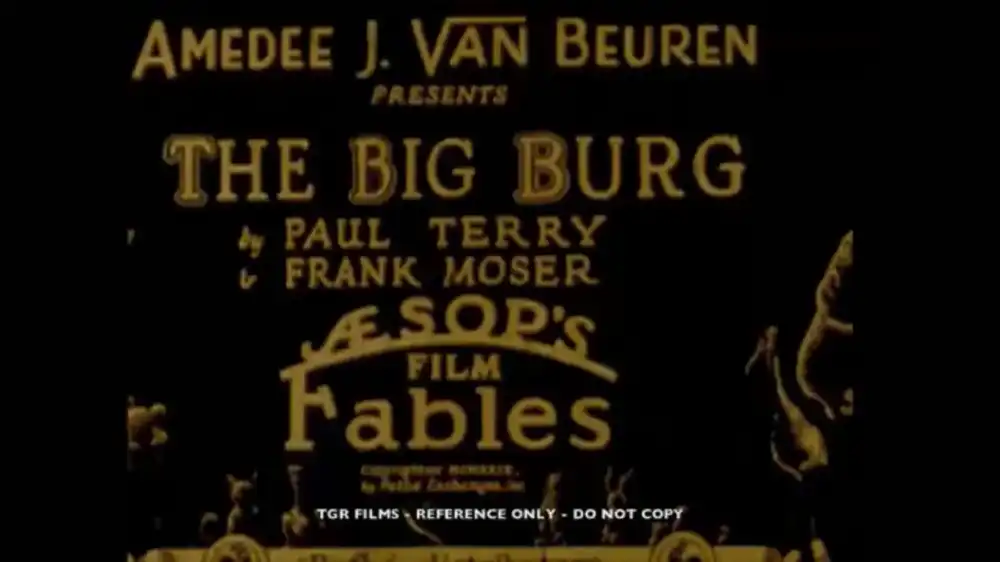
A definitive 5.1/10 rating for a film that redefined the boundaries of cult cinema. The Big Burg remains a cornerstone of transgressive art.
You should watch this today if you have exactly six minutes and you want to see what a hallucination from 1926 looks like. If you hate flickering lights or things that don't have a plot, you will probably want to skip it.
It’s a Paul Terry production, which basically means everything is made of rubber. The buildings don't just sit there; they breathe.
I swear, the architecture in this movie has more personality than most actors I see today. It’s got that specific kind of 1920s energy where every single frame feels like it’s vibrating.
Frank Moser and Paul Terry were clearly just trying to fill the screen with as much movement as possible. It’s exhausting but also kind of hypnotic in a way.
The main characters head into the city, and immediately, the city tries to eat them or squish them. It reminds me of the pacing in The Strong Man, but way more frantic and with less logic.
There is a scene with a car that just stretches around a corner like a piece of taffy. No physics. No rules. Just vibes.
I noticed a small detail where a background character just vanishes for a split second. It’s the kind of mistake that makes these old things feel human.
The lines are thick and ink-heavy, and you can almost smell the dust on the film strip. I watched this on a screen that was probably too big for it, and the grain looked like swarms of bees.
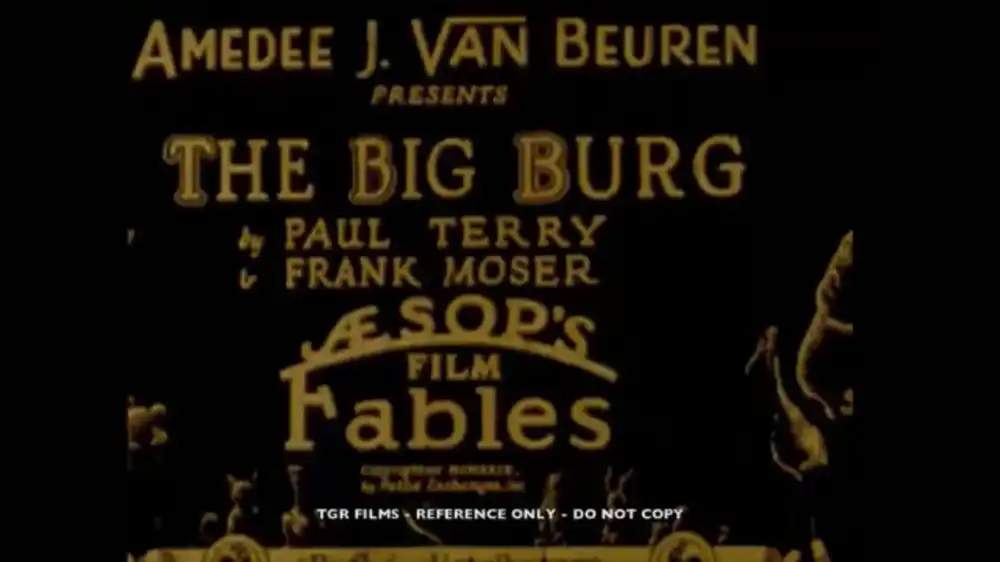
If you've seen stuff like Pop Tuttle's Tac Tics, you know the era. But this feels more surreal, almost like a nightmare you'd have after eating too much cheese.
One reaction shot of a cat or a dog—honestly, it’s just a black blob with ears—lasts way too long. It just stares at the screen while the background loops.
I wonder if people in 1926 found this funny or just stressful? The city is depicted as this absolute hellscape of noise and movement.
It’s not quite as polished as Life in Hollywood No. 6, but it’s got more soul. You can tell they were just drawing whatever popped into their heads.
The way the characters walk is that classic high-step march. It’s like everyone is perpetually walking over invisible hurdles.
Sometimes I think modern movies are too clean. This is dirty and messy and the edges are all blurred.
There’s no real ending, it just sort of... stops? Like they ran out of paper or ink and just called it a day.
It’s definitely more interesting than sitting through something stuffy like The Ring of the Borgias if you’re in a hurry.
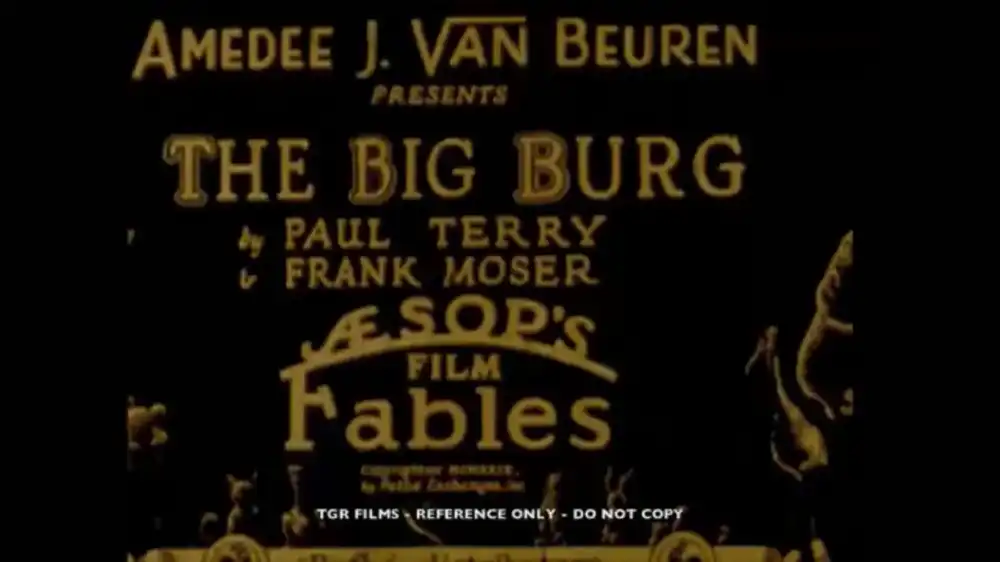
I actually spilled some coffee while watching the chase scene because the music I had playing in the background (it was silent, obviously) synced up too well. ☕
The Big Burg isn't going to change your life or anything. But it’s a neat little window into a time when movies were still figuring out how to exist.
If you enjoy the weirdness of A Virgin Paradise, you’ll probably find this charming in a junk-drawer kind of way.
It’s definitely better than His Own Law if you just want visual gags.
Anyway, it’s short. Just watch it. Even if you hate it, it’s over before you can find the remote.
The way the clouds are drawn as little perfect circles always gets me. Why were 1920s clouds so round?
One of the characters gets flattened by a bus and then just pops back up. It’s the birth of that cartoon logic we all take for granted now.
Frank Moser’s hand is all over this, you can tell by the way the ears wiggle. He had a thing for wiggling ears.
It’s a bit of a mess, but a fun mess. 🎬
IMDb —
1916
Community
Log in to comment.