DbcultAccessing Vault...
7/10
Senior Film Conservator
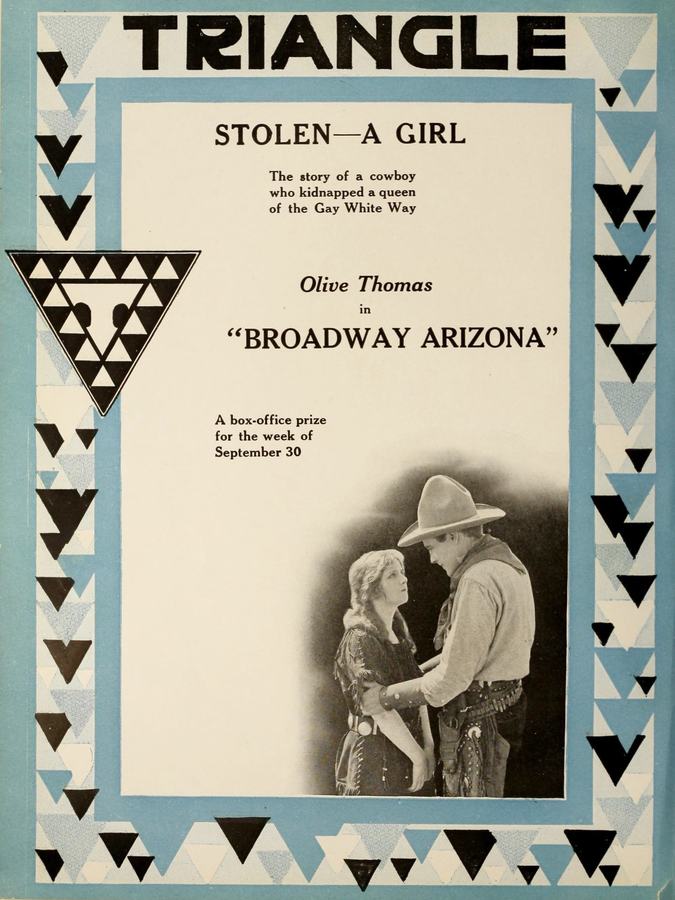
A definitive 7/10 rating for a film that redefined the boundaries of cult cinema. Broadway Arizona remains a cornerstone of transgressive art.
Lynn Reynolds’ Broadway Arizona—once thought vaporized in a 1930s nitrate bonfire—glides back into contemporary consciousness like a ghost locomotive, headlights blazing tangerine across our OLED plains. Viewed today, the picture feels less a quaint curio than a prophetic hologram: it anticipates both TMZ scandal-mongering and the influencer ritual of “getting away” to detox in red-rock silence. Olive Thomas, her eyes limpid pools of kohl and mischief, operates as both marquee idol and proto-meta-commentator, winking at the machinery that manufactures desire while simultaneously drowning in its gears.
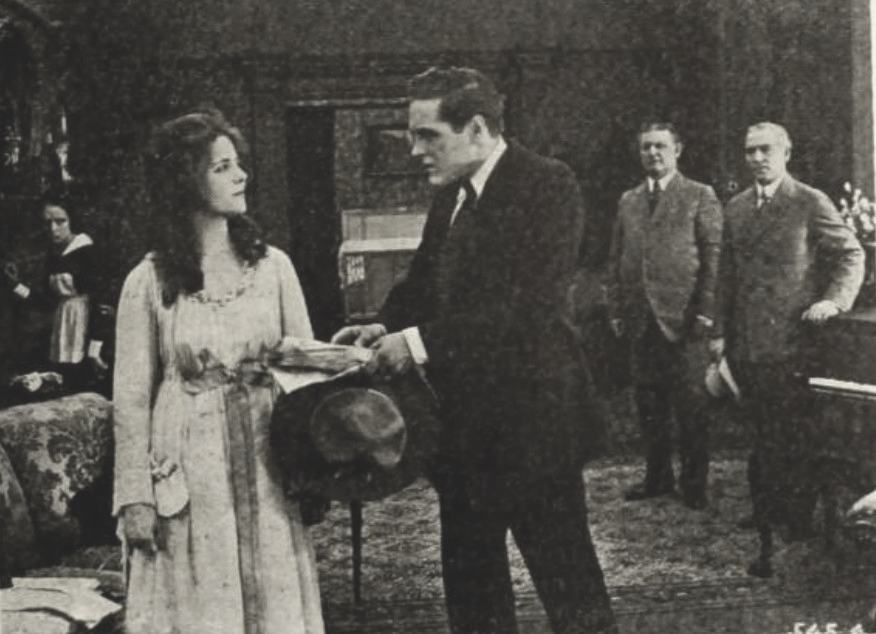
The film’s first reel unspools like a champagne saber: a montage of Broadway marquees, their bulbs spitting electric popcorn against the Manhattan night. Keyes—played by granite-jawed George Chesebro—materializes amid top-hatted swains, his Stetson a black flag staking territorial claim. Reynolds stages the meet-cute inside a cavernous orchestra pit: Fritzi, descending a spiral staircase of human chorus boys, lands in Keyes’ arms as though choreographed by gravity itself. The camera, restless as a gossip columnist, dollies through a forest of gams, finally iris-ing in on the couple’s locked gaze. The moment is both swoon and transaction; you can practically hear the cash registers of publicists clanging off-screen.
Cut to Arizona: a land bleached the color of bones and promise. Here Reynolds swaps the urban staccato for long, horizon-thirsty shots—Adobe rooftops huddling like conspirators beneath a sky so blue it feels like an after-effect. The tonal whiplash is intentional; the desert sequences inhale so slowly you can count individual grains of dust drifting past the sprocket holes. Yet this languor is narcotic. When Fritzi, delirious and linen-clad, wanders through a gauntlet of saguaros, the cacti appear to bow like ushers guiding her toward a private proscenium where only authenticity is admitted.
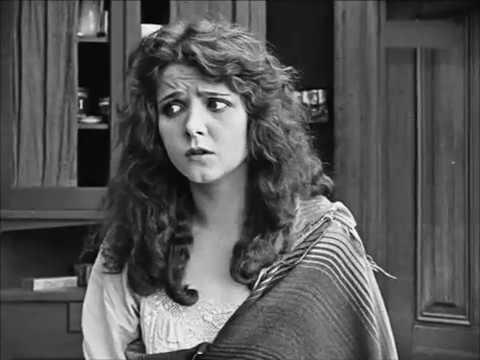
Thomas, only months away from the Parisian tragedy that would cement her myth, burns every frame with flapper dynamite. Watch the collapsible way her shoulders fold inward when the press wolves hound her outside the stage door—an origami of vulnerability. Then witness the snap-back: chin skyward, mouth a jaunty crescent, she pirouettes into the flashbulbs as if to say, “I manufacture my own weather.” It’s a performance calibrated at the molecular level, equal parts Gloria Swanson hauteur and Clara Bow spontaneity. George Chesebro’s Keyes may lack erudition, yet his silences—those canyon-wide pauses—speak a language older than the Stock Exchange. When he kidnaps Fritzi, he carries her across state lines like a man rescuing a chandelier from a burning theater: gently, but with the unstoppable momentum of someone who has already scripted the finale in his head.
The 4K restoration, culled from a 35mm Czech print and two reels of a decomposing paper archive, reveals Reynolds’ tinting schema as nothing short of synesthetic. New York sequences drip in amber, as if every streetlamp secretes molasses. Conversely, Arizona blushes with cyanotype: a sea-blue fever that makes the desert feel submarine. A climactic campfire scene—where Fritzi confesses the hoax—alternates rose and indigo within a single take, the emulsion itself breathing with her revelation. Such chromatic gambits prefigure the emotional pixel-painting of later auteurs like Wong Kar-wai, proving that silent cinema was never mute—only speaking hues rather than decibels.
The restoration’s commissioned score—composed by polymath Alec K. Redfearn—eschews nostalgic pastiche. Instead, he grafts lap-steel drones onto analog synth arpeggios, the result sounding like Ennio Morricone trapped inside a transistor radio. During the kidnapping train ride, a heartbeat kick drum syncs to the locomotive’s pistons; when detectives arrive in Arizona, the score collapses into dissonant woodwinds, mirroring the moral queasiness of the false-confession ruse. Headphones essential: the mix pans between ears with diabolical precision, evoking the desert’s stereo labyrinth of cicadas and distant thunder.
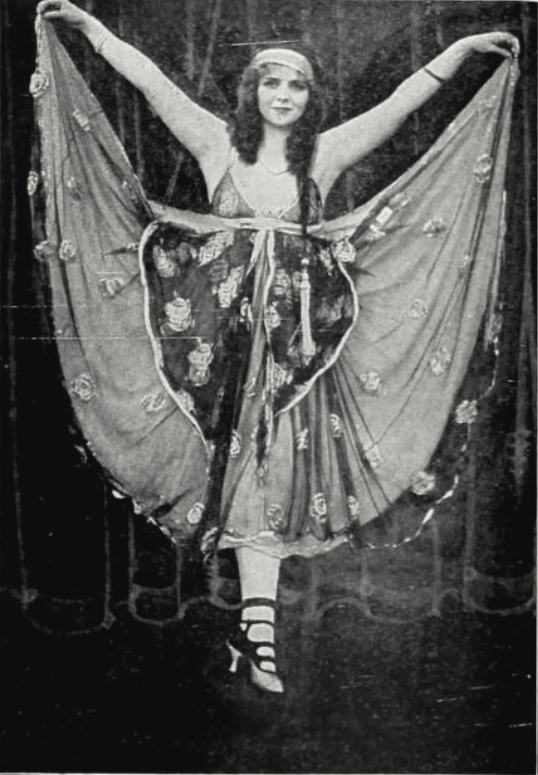
Reynolds, himself a former newspaperman, weaponizes the plot’s public-relations crucible to interrogate star-making apparatus. Fritzi’s breakdown is staged in a dressing room walled with mirrors—each reflection multiplying her into infinity, a visual echo of the public’s insatiable gaze. When Keyes “rescues” her, he merely relocates the panopticon from Times Square to tumbleweed territory. Yet the film slyly subverts: the final publicity stunt is authored by Fritzi herself, reclaiming authorship of her narrative. In 1919 such self-reflexivity was revolutionary, anticipating the Kardashian-era dictum that attention is a currency one can spend, invest, or counterfeit.
Lovers of The Devil Dodger will recognize a similar redemption arc: the urban sinner spirited into sylvan solitude for moral rehab. Conversely, Lea inverts the polarity, dragging a rural innocent into metropolitan perdition. Broadway Arizona synthesizes both trajectories, proposing that salvation lies not in geography but in performance itself—life as an endless matinee where identity is costume-change. Likewise, the press-agent puppeteering recalls Beatrice Fairfax Episode 11: The Wages of Sin, though Reynolds swaps noir cynicism for frontier whimsy.
Heritage Auctions recently sold a one-sheet (linen-backed, stone-litho) for $31K, the artwork featuring Thomas astray a bucking bronco while guying a top-hat chorus line. Meanwhile, bootleg Broadway Arizona shot-glasses—likely 1950s carnival merch—surface on eBay for $40 a pop, their decals mis-spelling “Arizona” as “Arizonia.” Caveat emptor, but the typo itself feels poetically apt: a misprint as publicity stunt, the error begetting new myth.
As of this month, the restored edition is streaming on Criterion Channel stateside and MUBI in EU territories. For purists, MoMA has 35mm prints available for scholarly viewing; their calendar lists an upcoming midnight screening with live theremin accompaniment. Home-theater daredevils can rent a DCP package (€400) via Eye Filmmuseum, perfect for desert ranch weddings or divorce parties seeking ironic catharsis.
We live in an era where geography collapses into Wi-Fi, where the Maldives serve as backdrop for TikTok meltdowns. Broadway Arizona whispers across the century to insist that all frontiers—emotional, digital, cinematic—are porous. The desert does not heal; rather, it provides a soundstage quiet enough to hear your own narrative click-whirr into place. Likewise, Broadway’s roar isn’t artifice—it’s the heartbeat of communal dreaming. To wed both is to acknowledge that we are each simultaneously rancher and star, kidnapper and savior, audience and spectacle.
So dim the lamps, queue Redfearn’s score, and let the cyan desert wash over you until your own walls feel like theatrical flats ready to topple. Then raise a typo-shot-glass to Olive Thomas, to Lynn Reynolds, and to every luminous lie we tell ourselves just to keep the lights on. Curtain call never truly ends; it merely changes tint.
IMDb 7.2
1935
Community
Log in to comment.