DbcultAccessing Vault...
Cult Review
Senior Film Conservator
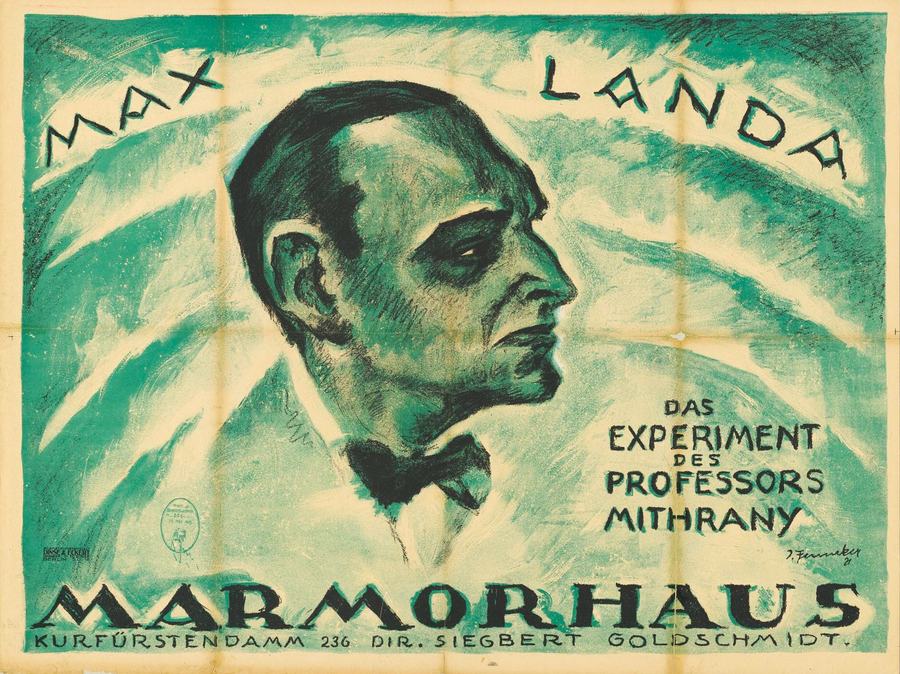
The cinematic landscape of Das Experiment des Prof. Mithrany is a rich tapestry, woven from threads of psychological complexity, suspense, and drama. As the narrative unfolds, the viewer is drawn into a world of intrigue, where the lines between reality and illusion are continually blurred. The film's use of dark orange hues in its cinematography adds a sense of foreboding, underscoring the ominous tone that pervades the story.
At the heart of the film lies the enigmatic figure of Professor Mithrany, whose experiments are shrouded in mystery. As the story progresses, the viewer is privy to a nuanced exploration of the human condition, one that echoes the psychological insights found in films like A Tale of Two Worlds and Our American Boys in the European War. The cast, which includes Robert Scholz, Hanni Weisse, Margit Barnay, and Max Landa, delivers performances that are at once captivating and nuanced, bringing depth and complexity to the narrative.
One of the standout aspects of Das Experiment des Prof. Mithrany is its use of yellow accents in its visual palette, which serves to highlight the sense of unease and tension that permeates the story. This visual motif is reminiscent of the cinematic style found in films like Ramona and Two-Gun Betty, where the use of color plays a significant role in shaping the narrative tone. In Das Experiment des Prof. Mithrany, the yellow hues add a sense of urgency, underscoring the high stakes that are at play in the story.
As the narrative reaches its climax, the viewer is treated to a dramatic denouement, one that is both surprising and thought-provoking. The film's use of sea blue tones in its final act adds a sense of calm, serving as a visual counterpoint to the turmoil that has preceded it. This conclusion is reminiscent of the dramatic finales found in films like The Valley of Tomorrow and His Mother's Boy, where the narrative threads are skillfully woven together to create a satisfying and emotionally resonant conclusion.
Throughout Das Experiment des Prof. Mithrany, the viewer is presented with a complex web of relationships and motivations, one that is expertly woven by the film's writers, Dmitriy Bukhovetskiy and Walter Hell. The narrative is full of unexpected twists and turns, keeping the viewer engaged and invested in the story. This sense of unpredictability is similar to that found in films like Peril of the Plains and Fight in a Thieves' Kitchen, where the viewer is continually surprised by the unexpected developments that unfold.
In addition to its engaging narrative, Das Experiment des Prof. Mithrany also boasts a strong visual aesthetic, one that is characterized by a muted color palette and a pervasive sense of unease. The film's use of shadows and lighting adds to the overall sense of tension, creating a cinematic experience that is both captivating and unsettling. This visual style is reminiscent of the cinematic landscapes found in films like She Loves Me, She Loves Me Not and On Strike, where the use of light and shadow plays a significant role in shaping the narrative tone.
Das Experiment des Prof. Mithrany is a film that will appeal to viewers who enjoy complex, thought-provoking cinema. With its intricate narrative, nuanced performances, and striking visual aesthetic, the film is a must-see for fans of psychological dramas like La reine Lumière and Lola Montez. As the credits roll, the viewer is left to ponder the implications of the story, and the ways in which the film's themes and motifs continue to resonate long after the final scene has faded to black.
IMDb 4.3
1937
Community
Log in to comment.