DbcultAccessing Vault...
Cult Review
Senior Film Conservator
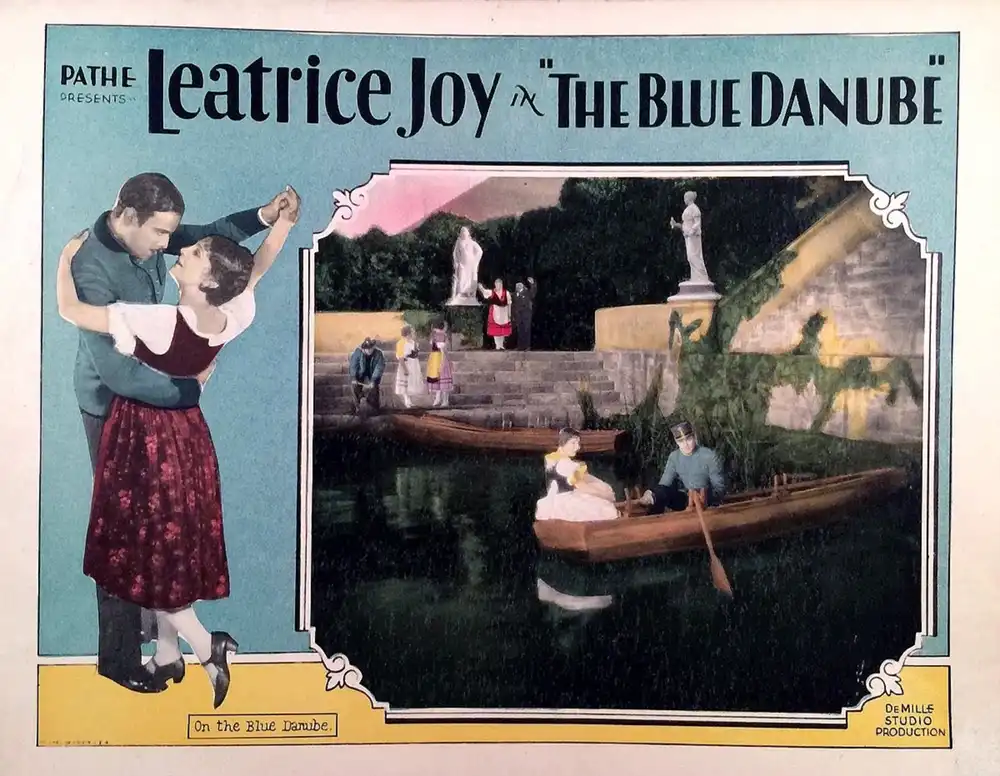
So, you're wondering if you should track down The Blue Danube. Look, if you're not already someone who actively seeks out silent films, then probably not. This isn't your entry point into the era. But if you have a soft spot for the histrionics of the 1920s, the melodrama, the sheer earnestness of it all, then yeah, maybe give it a shot. It's for the patient, the visually oriented, and anyone who gets a kick out of watching actors really act with their whole bodies.
It opens with a shot of the river, naturally, and it's quite lovely, even on a less-than-pristine print. Immediately, though, you're hit with the pacing. It’s a slow, deliberate build. The kind where a character walks across a room and it feels like a whole act break. Joseph Schildkraut, as the dashing but troubled Rudolph, is a real standout here. He has this knack for conveying a lot with just a tilt of his head or a flicker in his eyes. He’s not subtle by today’s standards, obviously, but for the period, there's a certain restraint in his bigger moments that makes him compelling.
There’s a scene early on where he's supposed to be charming Leatrice Joy's character, Elsa, at some garden party. He brings her a flower, a single rose. It feels like it goes on about 15 seconds too long, just the two of them exchanging significant glances, and you can almost feel the film trying to convince you this moment matters more than it actually does. It's not bad acting, not really, but the silence stretches, and you start to notice the other extras in the background. One woman, in particular, keeps checking her watch, or at least that's what it looks like she's doing. Maybe she was just adjusting her bracelet, but I couldn't unsee it.
The intertitles are a trip. Some are genuinely poetic, setting the mood beautifully. Others, though, feel like they were written by someone else entirely. There's one, I think it's after a particularly dramatic argument, that just says something like, "And so, the die was cast!" with an exclamation point, and it lands with a thud. It pulls you right out of whatever emotional weight the scene was building. It’s like the film suddenly remembers it's a silent film and needs to remind you with a big, bold statement.
Edna Mae Cooper, as the rival suitor's sister, is surprisingly good in her limited role. She has this slightly haughty but also quite vulnerable air about her. Her costumes, too, are always impeccable. There’s a scene where she’s wearing this incredibly elaborate feathered hat, and it’s almost distracting. You wonder how she kept it on straight through all the dramatic head turns. It’s a small detail, but it stuck with me.
Nils Asther, playing the more conventional, 'good' guy, is handsome, sure. But he's a bit stiff. He often feels like he’s posing for a photograph rather than reacting to the other actors. His chemistry with Leatrice Joy is… fine. It’s more polite than passionate. You never quite believe she’d truly be torn between him and Schildkraut’s Rudolph. It feels more like a plot device than an actual emotional dilemma for her character.
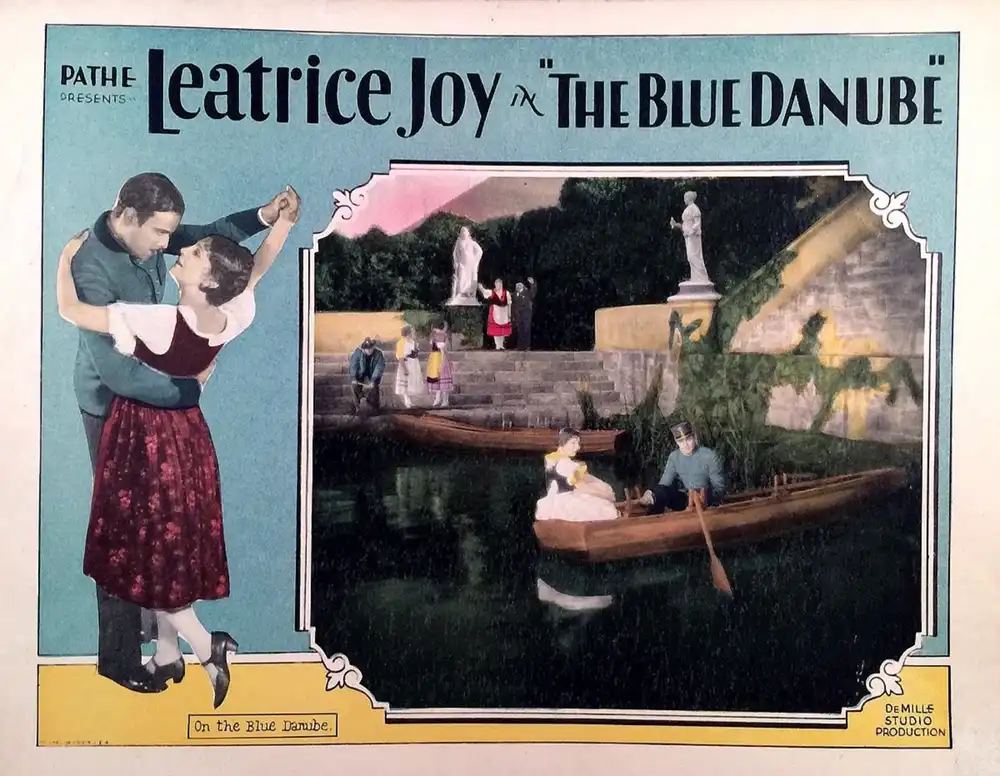
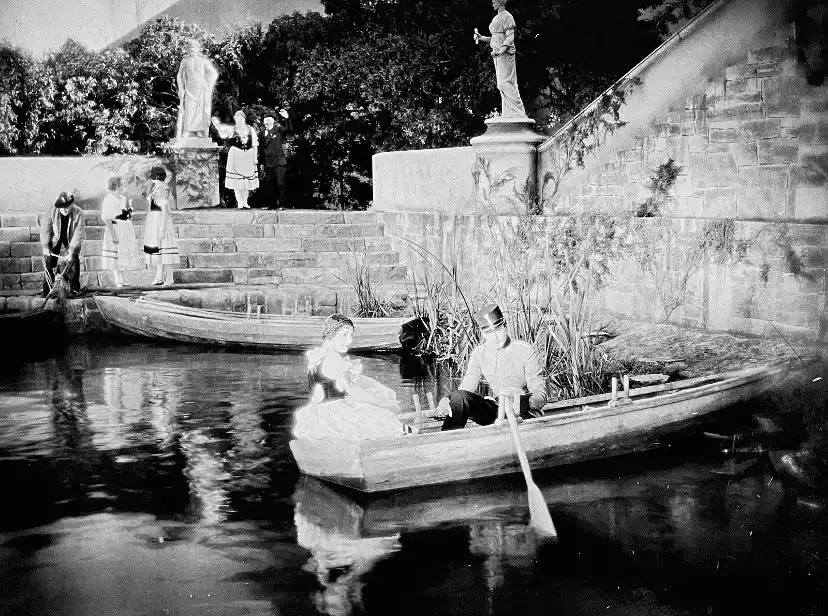
The film does have a few surprisingly effective sequences. The ballroom scene, for all its slightly empty feeling – like they didn’t quite have enough extras to fill the space – does capture a certain grandeur. The swirling skirts, the way the light catches the sequins, it’s all quite visually appealing. And there’s a moment where Rudolph is wandering alone by the river at night, and the shadows are just perfect. The loneliness really comes through, without any need for an intertitle to explain it. Those are the moments where the film truly sings, when it trusts its visuals.
Then there are the scenes that just drag. A long, drawn-out confrontation towards the end, involving a misunderstanding that could have been cleared up with about three fewer dramatic pauses. You just want someone to spit it out. It’s not that silent films can’t sustain long emotional beats, but this particular one felt unearned, stretched thin.
The ending is… well, it’s a silent film ending. It ties things up with a neat little bow, as expected. There’s a final shot that lingers on a couple, and while it’s meant to be heartwarming, I found myself thinking more about the odd little dog that kept popping up in the background of earlier scenes. It had no real purpose, just sort of wandered in and out, and I appreciate that. It felt like a little piece of unplanned reality in an otherwise very constructed world.
Ultimately, The Blue Danube is a curiosity. It’s not going to change your life, or even redefine the silent era. But it has its moments, particularly with Schildkraut’s performance and some of the more artful cinematography. If you’re a fan of silent-era melodrama, or just curious to see what these actors were up to before talkies took over, then it’s worth a look. Just don’t go in expecting the swift, streamlined storytelling we’re used to today. It’s a different beast entirely, and sometimes, that’s its charm.
IMDb —
1934
Community
Log in to comment.