DbcultAccessing Vault...
Cult Review
Senior Film Conservator
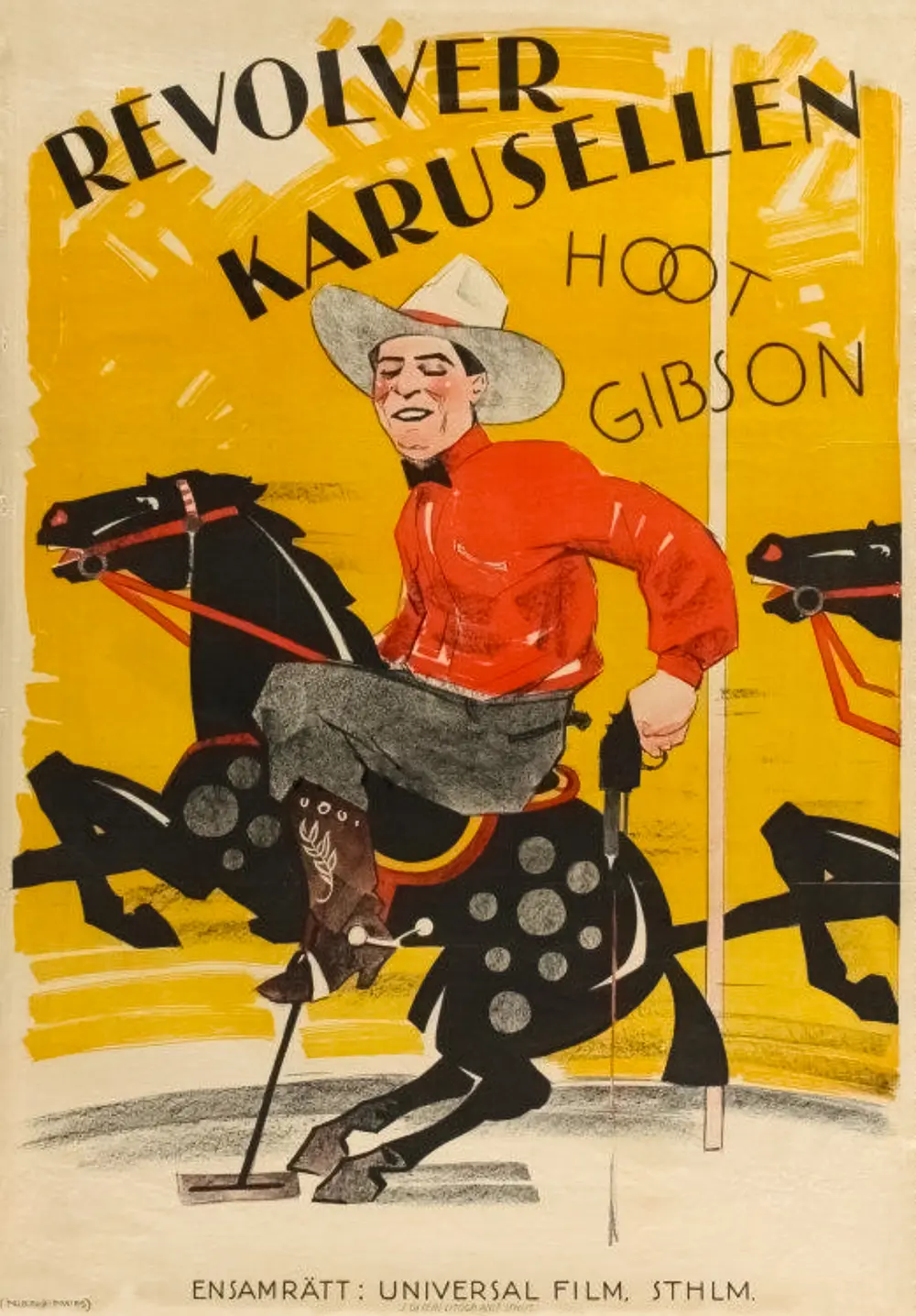
Is Painted Ponies a relic of a forgotten era or a timeless piece of frontier storytelling? Short answer: Yes, it is a surprisingly dark and atmospheric Western that avoids the clichés of its time.
This film is for enthusiasts of early cinema who appreciate grounded performances and those interested in the evolution of the Western genre. It is not for viewers who require the fast-paced editing and high-definition clarity of modern blockbusters.
1) This film works because it juxtaposes the whimsical nature of a merry-go-round with the brutal violence of a frontier murder mystery.
2) This film fails because the pacing in the middle act drags, focusing too much on the town's secondary characters at the expense of the protagonist's development.
3) You should watch it if you want to see Hoot Gibson at the height of his charisma, delivering a performance that feels remarkably modern.
Hoot Gibson was never the typical 'white hat' hero like Tom Mix. In Painted Ponies, he brings a rugged, almost weary energy to the screen that sets this film apart from the more theatrical Westerns of 1927.
His arrival in Toptown is handled with a sense of realism that is often missing from silent films. There is no grand fanfare; there is just a man, his horse, and the pressing need for a paycheck. It works. But it’s flawed.
The chemistry between Gibson and Ethlyne Clair is subtle. They don't fall into the over-the-top pantomime that plagued many films of this era, such as the more exaggerated The Midnight Guest.
Instead, their connection is built through shared glances and the physical labor of maintaining the carousel. It is a quiet romance that makes the later tragedy feel earned rather than forced.
The most striking element of the film is the merry-go-round. It is a bizarre sight in a dusty rodeo town, and director B. Reeves Eason uses it to great effect to highlight the economic stagnation of the characters.
While the 'painted ponies' spin in a never-ending circle, the town’s residents are similarly trapped in their social strata. The girl and her father are literally tethered to a machine that produces joy for others but keeps them in poverty.
This visual choice is much more sophisticated than the simple slapstick found in Feline Follies or the domestic drama of Sally in Our Alley. It adds a layer of social commentary that was rare for 1920s B-Westerns.
One specific scene stands out: a night shot where the shadows of the wooden horses flicker across the face of the town bully. It’s a moment of pure German Expressionism hidden inside an American cowboy movie.
The merry-go-round serves as a visual contrast to the untamed horses of the rodeo. While the protagonist rides wild animals for sport, the heroine is tethered to a mechanical cycle of poverty. It represents the artificiality of the town's peace before the murder occurs.
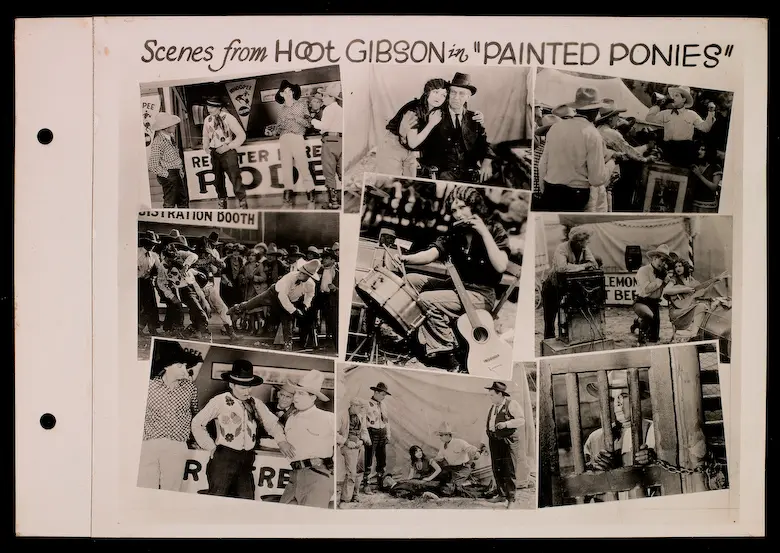
When the father is found shot, the film shifts from a Western romance into a proto-noir. The cowboy’s arrest is not just a plot point; it’s an indictment of the town’s xenophobia toward outsiders.
The tension in the jail cell scenes is palpable. You can feel the claustrophobia as the town turns against the man they were just cheering for in the arena. It’s a theme that would be explored later in more serious dramas like Guilt.
The cinematography during the murder discovery is surprisingly bleak. The use of natural light and deep shadows creates a sense of dread that rivals Dark Secrets.
However, the film stumbles in its third act. The transition from the arrest to the resolution feels rushed, as if the producers were worried about the runtime. This is a common issue in films like The Cost.
B. Reeves Eason was known as 'Breezy' for his speed, but here he shows a surprising amount of restraint. He knows when to let the camera linger on a character's face, particularly Otto Hoffman’s.
The rodeo sequences are filmed with a kinetic energy that must have been exhilarating for 1927 audiences. There are no stunt doubles clearly visible; the danger feels authentic.
Compared to the static shots of A Fight for Millions, Painted Ponies feels alive. The camera moves with the horses, pulling the viewer into the dust and the heat of the ring.
But then there is the pacing. The film spends a significant amount of time on Slim Summerville’s comedic relief. While Summerville is talented, his scenes often feel like they belong in The Plumber rather than this gritty Western.
If you are a fan of the evolution of the Western hero, then Painted Ponies is absolutely worth your time. It represents the bridge between the simplistic morality of early silents and the complex anti-heroes of the 1940s and 50s.
It is also a fascinating look at the technical prowess of 1920s stunt work. The rodeo scenes are not just background noise; they are central to the film’s identity and are executed with a bravado that is rare today.
However, if you struggle with the slower narrative rhythm of silent cinema, this might be a difficult watch. It requires patience to get through the comedic interludes and the somewhat dated portrayal of the 'town bully' archetype.
Pros:
Cons:
To truly understand Painted Ponies, one must look at it alongside other films of the era. While Dick Turpin's Ride to York focused on the legend of a highwayman, Gibson’s film focuses on the reality of the working-class cowboy.
There is a sense of grit here that you don't find in the more whimsical Alice Cuts the Ice or the maritime adventures of In-Bad the Sailor. It feels more akin to the experimental tension of Rhythmus 23, but applied to a populist genre.
The film’s portrayal of the father, played by Otto Hoffman, is particularly poignant. His physical limitations are not used for cheap sentimentality but to ground the stakes of the daughter's struggle.
It is a stark contrast to the more lighthearted portrayals of family life in A Night Out. Here, family is a burden as much as it is a bond, a theme that resonates throughout the film’s 62-minute runtime.
The atmosphere of Toptown is one of the film’s greatest strengths. You can almost feel the dust on the characters' clothes. The set design doesn't feel like a Hollywood backlot; it feels like a town that has seen better days.
This commitment to realism extends to the supporting cast. Chief John Big Tree brings a dignity to his role that was often absent in films like South Sea Love. Even in small roles, the actors feel like they belong to this world.
The film’s ending, while a bit abrupt, leaves the viewer with a sense of justice served, but at a cost. It’s not a purely happy ending, which is what makes it stick in the mind long after the credits roll.
Painted Ponies is a hidden gem of the silent era. It manages to balance the action requirements of the Western genre with a sophisticated visual language and a compelling mystery. While it suffers from some of the structural weaknesses common to B-movies of the 1920s, the strength of Hoot Gibson’s performance and the unique carousel motif make it a must-watch for any serious cinephile. It’s a film that understands that the real world is often just as fixed and mechanical as a merry-go-round, and sometimes, it takes a stranger to break the cycle.
IMDb —
1921
Community
Log in to comment.