DbcultAccessing Vault...
4.3/10
Senior Film Conservator
A definitive 4.3/10 rating for a film that redefined the boundaries of cult cinema. The Book of Nature remains a cornerstone of transgressive art.
In an era often dominated by human-centric narratives, a film like 'The Book of Nature' emerges not merely as a documentary, but as an almost spiritual treatise on the unyielding, intricate majesty of the natural world. It eschews dialogue, intricate plotlines, or manufactured drama, opting instead for an unflinching, patient observation of life as it simply is. This is not a story told through human eyes and voices, but a chronicle whispered by the wind, etched into the bark of ancient trees, and reflected in the limpid eyes of its wild protagonists. It's a profound departure from the bustling energy of, say, Die Jagd nach der Hundertpfundnote oder Die Reise um die die Welt, which thrives on human pursuit and adventure; here, the adventure is the very act of living, surviving, and thriving within the grand, indifferent theatre of the wilderness.
The journey into this primordial realm often commences with the humble frog, a creature whose life cycle is a microcosm of evolution itself. The film dedicates significant, mesmerizing passages to the amphibian world, capturing the delicate ballet of tadpoles in their watery nurseries. These are not just biological processes; they are visual poetry. The camera, with an almost reverential stillness, observes the transformation – the gradual emergence of limbs, the absorption of the tail, the first tentative gasps of air. It’s a testament to the film's observational power that these moments, devoid of any overt narrative manipulation, resonate with such profound wonder. One can almost feel the primordial ooze, sense the delicate balance of predator and prey in the pond. This segment reminds us that even the smallest lives contain immense dramatic weight, a stark contrast to the overt, often sensationalized conflicts depicted in films like The Monster and the Girl, where drama is explicitly manufactured for human consumption. Here, the drama is organic, inherent, and utterly authentic.
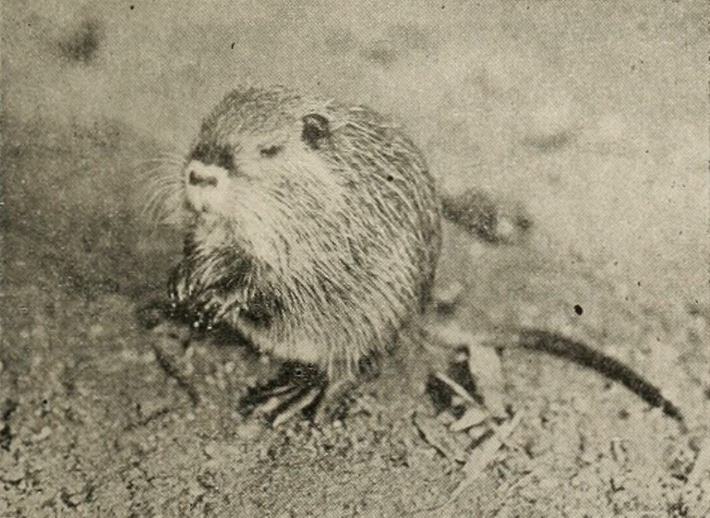
Transitioning from the aquatic to the terrestrial, 'The Book of Nature' invites us into the hushed sanctuaries of the forest, where deer reign with an understated elegance. The cinematography here is particularly exquisite, capturing their fluid movements, their keen awareness of their surroundings, and the intricate social structures within their herds. We see fawns, dappled and vulnerable, learning the ways of the wild under the watchful eyes of their mothers. The film doesn't shy away from the harsh realities of existence – the constant vigilance against unseen threats, the struggle for sustenance – but it presents these facts with a quiet dignity. There's no anthropomorphizing, no sentimental overlay; just the raw, beautiful truth of their lives. The way the light filters through the canopy, illuminating a deer's silhouette, is a masterclass in natural composition, evoking a sense of timelessness that few studio-bound dramas, even those as grand as Spartacus, can truly achieve. The grandeur of nature, in its subtle details, often outshines the most elaborate human spectacle.
Perhaps the most breathtaking sequences belong to the mountain sheep, creatures of the high altitudes, whose existence is a perpetual defiance of gravity and harsh elements. The camera follows them across precipitous cliffs and through snow-dusted crags, showcasing their incredible agility and sure-footedness. Their lives are a relentless testament to adaptation, to finding sustenance in sparse landscapes, and to enduring brutal winters. There's a primal, almost mythical quality to their struggles and triumphs, echoing the ancient battles of survival that underpin many human narratives, albeit without the moral complexities found in films like Judge Not or The Criminal Path. Here, the 'criminal path' is merely the path of life, with its inherent dangers and rewards. The sheer scale of their environment, juxtaposed with the individual determination of each animal, creates a powerful sense of awe and respect. Raymond L. Ditmars, credited in the cast, likely played a pivotal role in bringing these remote spectacles to the screen, perhaps as a guiding naturalist or even as the intrepid explorer capturing these images, lending an invaluable layer of authenticity to the endeavor.
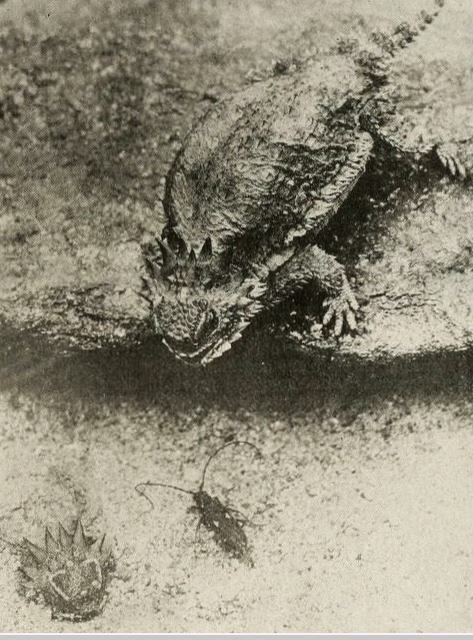
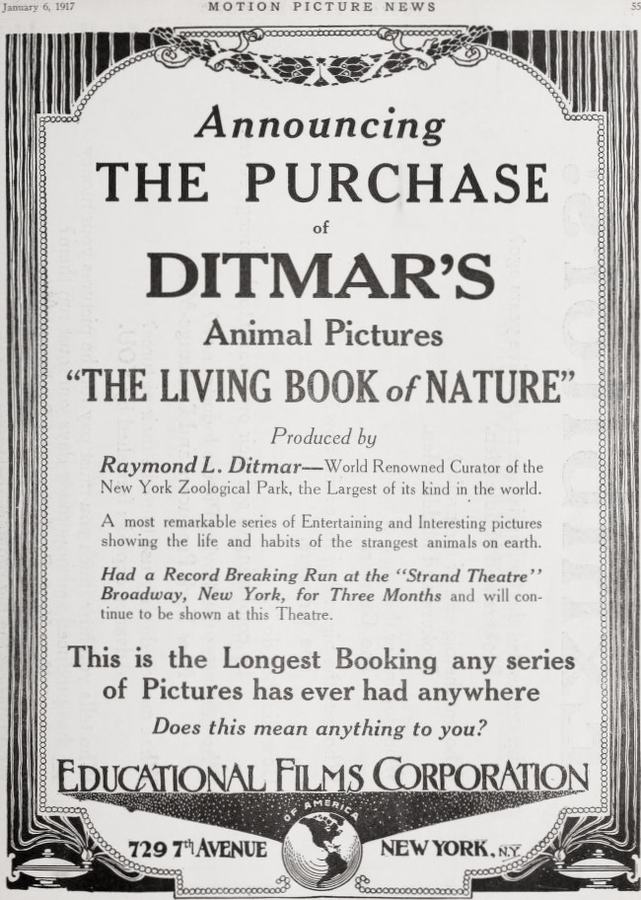
While the film's primary focus remains steadfastly on its animal subjects, the presence of Raymond L. Ditmars within the cast list hints at the human dedication behind its creation. Ditmars, a pioneering herpetologist and curator at the Bronx Zoo, brought an unparalleled depth of scientific understanding and a lifelong passion for wildlife to his cinematic projects. His involvement suggests a commitment to accuracy and an intimate familiarity with the behaviors being documented. This isn't merely pretty pictures; it's informed observation, a scientific gaze imbued with artistic sensibility. His work, in essence, provided the intellectual scaffolding upon which the visual narrative was built, ensuring that the film served as both an aesthetic experience and an educational resource. This meticulous approach to subject matter elevates 'The Book of Nature' beyond mere entertainment, positioning it as a significant early contribution to natural history filmmaking, much like how Life of the Jews of Palestine offers a documentary-style glimpse into a specific human culture, albeit with a different set of objectives.
What truly distinguishes 'The Book of Nature' is its ability to transcend its immediate subject matter and offer a profound meditation on existence itself. The film implicitly asks us to consider our place within this vast, interconnected web of life. There are no heroes or villains in the traditional sense, only participants in an ancient, ongoing drama. The struggles for survival, the fleeting moments of peace, the relentless march of seasons – all contribute to a larger narrative that predates and will outlast humanity. It invites a sense of humility, reminding us of the inherent wisdom and resilience of the natural world, a stark contrast to the human-driven, often self-destructive conflicts seen in fictional works like The Pit or Saints and Sorrows. The film's power lies in its simplicity and its unwavering focus on the raw, unadulterated truth of the wild. It doesn't preach; it merely presents, allowing the viewer to draw their own conclusions about the interconnectedness and delicate balance of life.
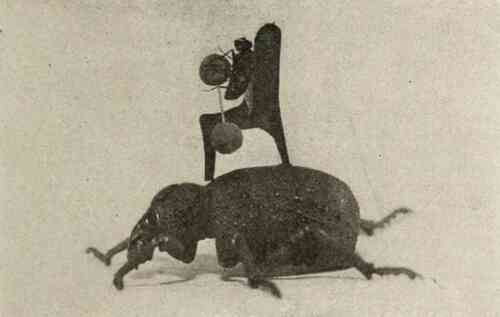
Even decades after its initial presentation, 'The Book of Nature' retains an astonishing freshness and relevance. Its pioneering spirit in capturing wildlife in its natural habitat laid foundational groundwork for countless nature documentaries that followed. It proved that compelling cinema didn't always require human protagonists or intricate plot machinations; the inherent drama of the animal kingdom was more than sufficient. The film's influence can be seen in the very fabric of how we perceive and document the wild today. It fostered a deeper appreciation for biodiversity and the urgent need for conservation long before these concepts became mainstream. Unlike the narrative-driven intrigue of The $5,000,000 Counterfeiting Plot, where human ingenuity and deception drive the story, here, the ingenuity lies in nature's own design, and the only 'plot' is the intricate dance of life and survival. The film stands as a timeless artifact, a testament to the enduring power of observation and the profound beauty that lies just beyond the veil of human civilization. Its visual language, even if constrained by early cinematic technology, speaks volumes, communicating a universal truth about the cyclical nature of existence and the relentless, beautiful struggle for survival. It's a film that reminds us that some of the most compelling stories are not written by human hands, but by the indelible forces of the natural world itself. Its quiet grandeur offers a refreshing antidote to the often overwhelming cacophony of modern media, inviting viewers to slow down, observe, and truly connect with the rhythms of the earth. This is a cinematic work that continues to inspire awe and reflection, solidifying its place as a quintessential piece of nature filmmaking history.
Ultimately, 'The Book of Nature' is more than just a collection of wildlife footage; it is a meticulously crafted visual essay on the intrinsic value of undisturbed ecosystems. It argues, without uttering a single word, for the inherent right of these creatures to exist, to pursue their lives according to instincts honed over millennia. The film's quiet power lies in its ability to foster empathy and understanding for species far removed from our daily lives. It's a cinematic mirror reflecting the raw, untamed essence of the planet, reminding us that while human dramas, like those in The House of Temperley or The County Chairman, are compelling in their own right, there is a grander, more ancient narrative unfolding constantly, silently, all around us. The film captures moments of breathtaking beauty – a deer grazing peacefully, a mountain sheep leaping across a chasm, a frog patiently waiting for its prey – and weaves them into a tapestry that celebrates the resilience and splendor of life. It’s a profound and necessary reminder that the wild is not merely a backdrop for human endeavors, but a vibrant, self-sustaining world with its own rules, its own struggles, and its own unparalleled beauty. This is a film that demands quiet contemplation, rewarding the attentive viewer with a deeper appreciation for the magnificent, unwritten script of nature itself. It invites us to look, truly look, at the world beyond our immediate concerns and find wonder in its unadorned truth. The absence of human intervention or narration amplifies its message, allowing the images to speak directly to the viewer's soul, forging a connection that bypasses intellectual filters and goes straight to the heart of what it means to be alive on this extraordinary planet. It is, in every sense, a masterpiece of natural observation and a timeless document of life's perpetual dance.

IMDb 5.7
1917
Community
Log in to comment.