DbcultAccessing Vault...
6.3/10
Senior Film Conservator
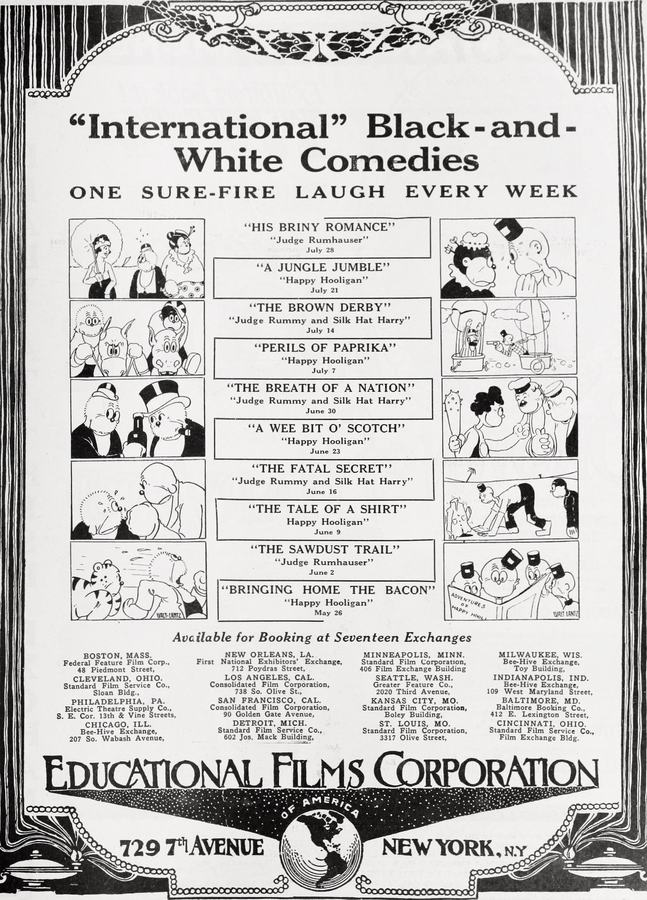
A definitive 6.3/10 rating for a film that redefined the boundaries of cult cinema. The Breath of a Nation remains a cornerstone of transgressive art.
Stepping back into the flickering glow of early cinema, one often encounters works that, despite their age, resonate with an astonishing contemporaneity. Such is the case with 'The Breath of a Nation' (the-breath-of-a-nation), a silent film that, with its release, plunged headfirst into the tumultuous social currents of its era. This isn't merely a historical artifact; it's a vibrant, biting satire that dissects the nascent absurdity of the Prohibition era with a wit that feels remarkably fresh even today. It's a testament to the enduring power of comedic storytelling and the sharp observational skills of its creators, particularly writer Thomas A. 'Tad' Dorgan, whose narrative acumen shines through every intertitle and visual gag.
The film immediately immerses us in a domestic skirmish, a universal prelude to larger societal conflicts. Our protagonist, a respectable, if perhaps slightly beleaguered, Judge, finds his personal sanctuary invaded by the zealous fervor of his wife. In a scene that perfectly encapsulates the moralistic zeal sweeping the nation, she embarks on a righteous crusade through their home, systematically ridding it of every illicit bottle, every hidden flask, every vestige of his beloved liquor. This act of domestic cleansing isn't just a personal affront; it's a microcosm of the grander, nationwide purging that Prohibition sought to enforce. The visual storytelling here is masterful, conveying the wife's unwavering conviction and the Judge's silent, escalating despair without a single spoken word. His expressions, a masterclass in silent comedic timing, oscillate between disbelief, resignation, and a profound sense of loss, painting a vivid portrait of a man suddenly adrift in a dry world.
The narrative then propels the now-deprived Judge towards an obligatory temperance lecture, a public ritual designed to reinforce the very abstinence his wife has so forcefully imposed. It's here, on the precipice of this moralizing sermon, that 'The Breath of a Nation' truly ignites its satirical fuse. Across the street, a beacon of temptation shimmers: an establishment promising a 'liquor substitute.' This is the film's brilliant stroke of subversive genius. It's not a dive bar, not a speakeasy, but something ostensibly legal, offering a loophole, a wink and a nod to the spirit of the law rather than its letter. The Judge, a figure of judicial authority, finds himself drawn to this illicit promise of relief, his internal struggle between societal expectation and personal craving playing out across his expressive face. This pivotal moment is where the film transcends simple comedy, evolving into a trenchant commentary on the futility and hypocrisy inherent in legislating morality.
The genius of 'The Breath of a Nation' lies not just in its plot but in its nuanced portrayal of the human condition under duress. Gregory La Cava, listed in the cast, brings a distinct presence to the film, whether through a nuanced character portrayal or an underlying influence on the film's overall comedic rhythm and visual pacing. His involvement, even if not explicitly as director (though his directorial prowess is well-documented in other projects), undoubtedly contributes to the film's sophisticated understanding of character and situation. The way the Judge's initial reluctance gives way to curiosity, then to hopeful indulgence, and finally to a state of altered perception, is handled with a deftness that belies the simplicity of the silent medium. The film doesn't just show a man drinking; it shows the *process* of his transformation, the subtle shifts in his demeanor and perception that are both humorous and deeply human. This careful construction of character arc, even within a short comedic format, speaks volumes about the creative minds at work.
Thomas A. 'Tad' Dorgan's writing is the engine that drives this comedic vehicle. Known for his keen observational humor and satirical cartoons, Dorgan imbues the screenplay with a sharp, almost cynical, understanding of human nature. The scenarios he crafts are not merely funny; they are incisive. The very concept of a 'liquor substitute' is a stroke of brilliance, perfectly capturing the era's desperate attempts to navigate the new legal landscape, often leading to more absurd and dangerous alternatives. Dorgan's narrative choices highlight the inherent contradictions of a society attempting to legislate desire, showcasing how such efforts often lead to unintended consequences and a flourishing underground culture of circumvention. The film's humor stems from this clash between the lofty ideals of temperance and the stubbornly earthly desires of its populace.
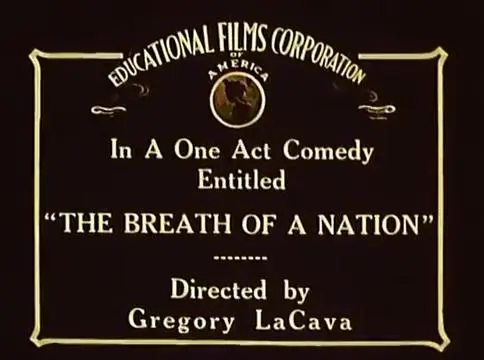
The visual language of the film, a hallmark of silent era storytelling, is employed with exceptional skill. Exaggerated facial expressions, broad physical comedy, and carefully placed intertitles work in concert to deliver the narrative and its comedic punch. The transformation of the Judge after consuming the 'substitute' is a masterclass in visual storytelling, his increasingly uninhibited antics providing a stark contrast to his earlier, staid demeanor. The film doesn't rely on cheap gags; instead, it builds its humor from character and situation, allowing the audience to witness the unraveling of decorum with a knowing smile. This sophisticated approach to silent comedy sets it apart, demonstrating that even without dialogue, profound and humorous social critiques can be delivered with immense impact.
The thematic undercurrents of 'The Breath of a Nation' are remarkably profound for a comedic short. At its core, it's a searing indictment of hypocrisy, both personal and societal. The Judge, a pillar of the community, is privately desperate for a drink, while publicly expected to uphold moral rectitude. The temperance movement itself, presented through the impending lecture, is shown as a force of well-intentioned but ultimately naive zeal. The film subtly questions the efficacy and wisdom of imposing moral strictures through law, suggesting that human nature, with its inherent desires and weaknesses, will always find a way to adapt, often in unforeseen and comical ways. This exploration of freedom versus restriction, and the often-absurd results of their collision, makes the film a timeless piece of social commentary.
Comparing 'The Breath of a Nation' to its contemporaries illuminates its unique position. While films like Smiles offered charming glimpses into everyday life and The Wishing Ring Man explored romantic whimsy, 'The Breath of a Nation' delves into a more pointed, satirical critique of a specific social phenomenon. Its direct engagement with Prohibition sets it apart, offering a comedic counter-narrative to the serious moralizing of the era. One might even draw parallels to the way Married in Haste satirized marital conventions, showing how comedy could be used to gently, yet firmly, challenge societal norms. The film's bravery in tackling such a sensitive issue with humor, rather than didacticism, is commendable.
Furthermore, the film's exploration of societal control and the individual's reaction to it resonates with themes found in more dramatic works. While not as overtly political as Power, which might explore the broader dynamics of influence, 'The Breath of a Nation' focuses on the micro-level impact of prohibition on an ordinary (if distinguished) citizen. The Judge's struggle to conform, and his eventual comedic rebellion, reflects a universal human desire for autonomy. Even in the realm of legal dramas, like those hinted at in the title And the Law Says, the film offers a lighter, yet no less insightful, look at the intricacies of law and its unintended consequences. It's a reminder that sometimes, the most potent critiques are cloaked in laughter.
The enduring legacy of 'The Breath of a Nation' lies in its ability to transcend its historical context. While rooted firmly in the Prohibition era, its themes of human fallibility, the absurdity of legislating personal choices, and the ingenious ways people circumvent restrictions remain perpetually relevant. It's a film that reminds us that human nature is remarkably consistent, and that attempts to suppress it often lead to unexpected and often humorous outcomes. The film's narrative economy, its ability to tell a complete and compelling story with such succinctness, is a masterclass in cinematic storytelling. Every frame, every gesture, every intertitle serves a purpose, contributing to the overall comedic effect and thematic depth. It's a testament to the power of early filmmakers to craft narratives that were both entertaining and thought-provoking, even within the confines of a nascent art form.
In conclusion, 'The Breath of a Nation' stands as a brilliant example of silent film satire, a gem from an era often unfairly dismissed as primitive. Its sharp wit, intelligent script by Thomas A. 'Tad' Dorgan, and the nuanced performances from its cast, including the impactful presence of Gregory La Cava, combine to create a cinematic experience that is both uproariously funny and remarkably insightful. It's a film that deserves to be rediscovered, not just for its historical significance, but for its timeless critique of human nature and societal folly. It's a resounding affirmation of cinema's power to hold a mirror to society, even when that mirror reflects something delightfully absurd. For anyone interested in the origins of social commentary in film, or simply in need of a good laugh rooted in clever observation, this film is an absolute must-see, a vibrant testament to the enduring power of silent storytelling to speak volumes without uttering a single word.
IMDb —
1923
Community
Log in to comment.