DbcultAccessing Vault...
6.9/10
Senior Film Conservator
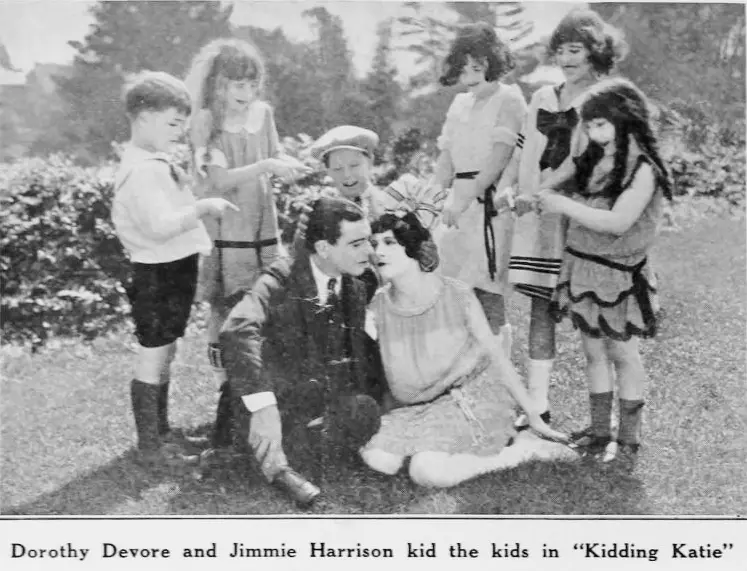
A definitive 6.9/10 rating for a film that redefined the boundaries of cult cinema. Kidding Katie remains a cornerstone of transgressive art.
The film Kidding Katie presents a complex narrative that delves into the dynamics of family relationships, love, and the consequences of manipulation. At its core, the story revolves around Katie, a young woman who finds herself at the center of her mother's scheme to prevent her from attracting the attention of her sister's potential suitor. This plot device serves as a catalyst, setting in motion a series of events that challenge the characters' perceptions of themselves and their place within the family structure.
The character of Katie, played by Dorothy Devore, is particularly noteworthy for her versatility and depth. Her transformation from a young woman into a child, albeit superficial, speaks to the theme of identity and how it can be both fluid and context-dependent. This transformation is not merely physical but also psychological, as Katie navigates the challenges and opportunities presented by her new persona. The success of this portrayal can be attributed to Devore's acting prowess, which brings a nuanced and engaging performance to the screen.
In contrast to films like The Nightingale, which explore themes of love and loss in a more straightforward manner, Kidding Katie adopts a more complex approach. By introducing the element of deception and the blurring of lines between reality and pretence, the film offers a richer tapestry for exploration. This complexity is reminiscent of Believe Me, Xantippe, where the narrative is driven by the intricacies of human relationships and the consequences of one's actions.
The supporting cast, including James Harrison and Billy Bletcher, adds depth and humor to the film. Their characters' interactions with Katie and her family members provide insight into the societal norms and expectations of the time, as well as the personal motivations that drive the plot forward. The dynamic between Katie and her sister, in particular, is a highlight of the film, as it explores the nuances of sibling relationships and the often unspoken competitions that can arise between them.
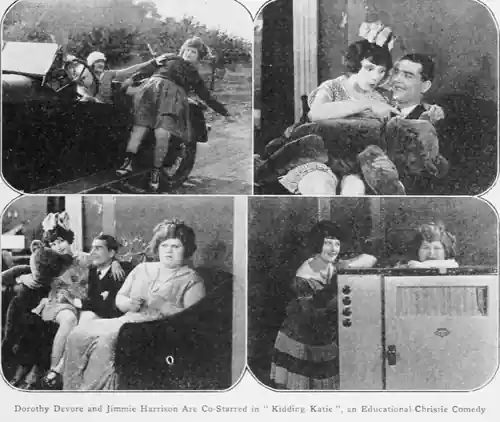
From a cinematic standpoint, Kidding Katie is notable for its use of visual elements to convey the themes of identity and deception. The choice of costumes, especially Katie's rompers, serves as a visual cue for her adopted persona, highlighting the performative nature of identity. This attention to detail extends to the set design, which creates a backdrop that is both authentic to the period and conducive to the story's progression. The film's pacing, managed by the writer Walter Graham, ensures that the narrative unfolds at a pace that keeps the viewer engaged, with a balance of comedic moments and more serious reflections on the human condition.
In comparison to other films of the era, such as The Captain's Captain and Life's Twist, Kidding Katie stands out for its unique blend of humor and pathos. The film's ability to navigate between these two extremes without losing its coherence or appeal is a testament to the skill of its cast and crew. Furthermore, the exploration of themes that are still relevant today, such as identity, love, and the consequences of one's actions, makes Kidding Katie a film that transcends its time, offering viewers a compelling narrative that resonates on multiple levels.
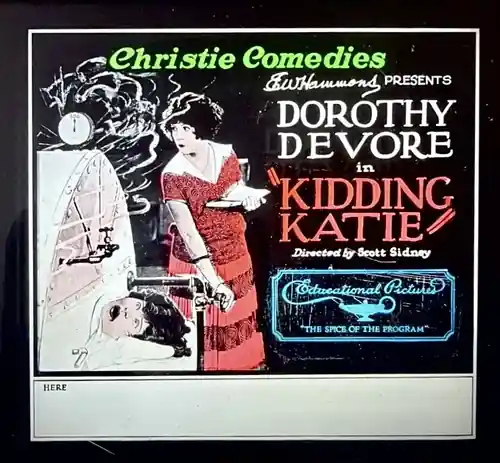
The cinematography of the film, while reflective of the technological limitations of its time, contributes to the overall aesthetic and atmosphere of the movie. The use of black and white film stock, for instance, adds a layer of timelessness to the narrative, while the camerawork, though less mobile than modern standards, focuses attention on the performances and the emotional depth of the scenes. This is particularly evident in the more intimate moments between characters, where the camera's proximity to the actors underscores the emotional intensity of the interactions.
In conclusion, Kidding Katie is a film that merits attention for its engaging storyline, strong performances, and thoughtful exploration of themes that remain pertinent today. While it may not have the same level of recognition as some of its contemporaries, such as The Girl from Nowhere or The Way Back, it offers a unique viewing experience that is both entertaining and intellectually stimulating. For audiences interested in the cinema of the silent era, or those simply looking for a compelling story with well-developed characters, Kidding Katie is certainly worth exploring.
The silent film era, with its rich tapestry of stories and innovative filmmaking techniques, continues to captivate audiences with its timeless themes and universal appeal. Films like The Shepherd of the Southern Cross, The Alien, and A Santanotte each offer unique perspectives on the human experience, showcasing the diversity and creativity of filmmakers during this period. Kidding Katie, with its blend of comedy, drama, and social commentary, is a valuable addition to this canon, providing viewers with a nuanced and engaging cinematic experience.
For viewers who appreciate the works of The Four-Flusher, Roman Romeos, or It Is Never Too Late to Mend, Kidding Katie will likely resonate for its similar blend of humor and heartfelt moments. The film's exploration of identity, particularly in the context of societal expectations, also aligns with themes found in Appearances and The Spurs of Sybil, making it a worthwhile watch for those interested in character-driven narratives. Additionally, the movie's climax, which ties together the various plot threads in a satisfying and unexpected way, will appeal to fans of The Forfeit, who enjoy a well-crafted storyline with a memorable conclusion.

IMDb —
1913
Community
Log in to comment.