DbcultAccessing Vault...
Cult Review
Senior Film Conservator
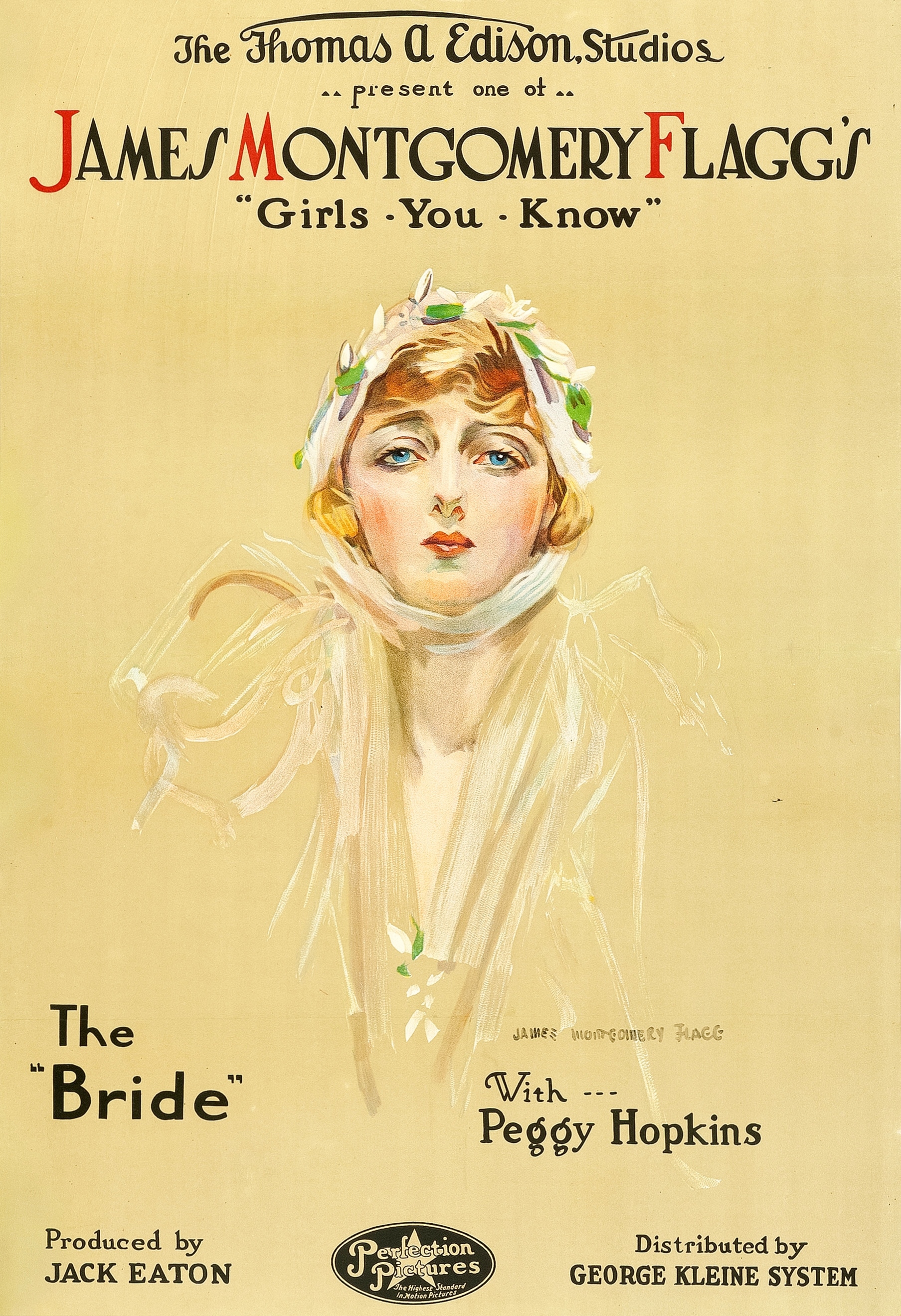
From the moment the film opens, the camera lingers on the heroine’s eyes, capturing a tremor of anticipation that feels both intimate and theatrical. Peggy Hopkins Joyce, whose screen presence oscillates between coquettish vulnerability and steely resolve, embodies a woman caught between the intoxicating promise of love and the weighty expectations of paternal authority.
The inciting incident—an overheard telephone conversation—functions as a narrative fulcrum. Rather than employing the conventional trope of a forbidding father who thwarts the lovers, the script, penned by James Montgomery Flagg, subverts expectations by presenting a patriarch whose ingenuity lies in commercial opportunism. He does not merely oppose; he re‑frames the union as a public spectacle, a move that injects a satirical commentary on the burgeoning consumer culture of the Roaring Twenties.
The film’s visual language is a study in contrast. Black‑and‑white frames are punctuated by chiaroscuro lighting that accentuates the moonlit taxi scene, where the father’s hand taps the groom’s arm—a gesture both tender and transactional. The subsequent daylight wedding is staged with an almost theatrical grandeur: ribbons cascade, confetti glitters, and the camera pans across a meticulously arranged tableau that feels more like a stage set than a spontaneous ceremony.
Joyce’s performance is layered; she oscillates between whispered confessions and bold declarations, her gestures calibrated to convey both the fragility of a lover’s hope and the burgeoning agency of a woman asserting her own destiny. The supporting cast, though limited, provides essential counterpoints: the groom’s stoic composure, the father’s sly grin, and the peripheral townsfolk who serve as silent witnesses to the unfolding drama.
Narratively, the film operates on two registers. On the surface, it is a romance—a girl wants to marry, a boy wants to marry, obstacles arise, resolution follows. Beneath that, however, lies a critique of the commodification of marriage. The father’s suggestion to “advertise and get the benefit of the wedding presents” is not merely a plot device; it is a meta‑commentary on how love was being packaged for mass consumption in the 1920s, a period when advertising agencies were beginning to shape public desire.
The cinematography, while constrained by the technological limits of its era, demonstrates an inventive use of framing. The moonlit taxi sequence employs a low‑angle shot that elevates the father’s authority, while the daylight wedding utilizes a high‑angle perspective that captures the full expanse of the celebratory set, emphasizing the spectacle over intimacy.
When juxtaposed with contemporaneous works such as The Sex Lure or Les Vampires, *The Bride* distinguishes itself through its tonal balance. Where The Sex Lure leans heavily into melodramatic exploitation, and Les Vampires revels in noirish intrigue, *The Bride* navigates a middle path, blending light‑hearted satire with earnest romantic yearning.
The film’s mise‑en‑scene is meticulously crafted. The wedding venue, a garden awash in pastel blooms, is rendered with a painterly quality that recalls the work of Flagg himself, whose background as an illustrator informs the composition of each frame. The use of props—gift‑wrapped parcels, decorative banners, and a conspicuous brass band—serves both narrative and symbolic functions, underscoring the transactional undercurrents of the ceremony.
Sound, or rather its absence, is compensated by expressive intertitles that employ a witty, almost modern diction. Phrases such as “Why not advertise?” are rendered in a font that mimics newspaper headlines, reinforcing the film’s meta‑commentary on media influence.
The thematic resonance of *The Bride* extends beyond its immediate plot. It interrogates the notion of agency: the heroine’s desire to marry is not simply thwarted but redirected, suggesting that autonomy can be reclaimed through strategic negotiation rather than outright rebellion. This nuance aligns the film with later feminist narratives that explore empowerment through subversion of patriarchal expectations.
In terms of pacing, the film maintains a deliberate rhythm. The initial buildup—quiet longing, whispered phone calls—gives way to a brisk interlude where the father’s proposal accelerates the narrative momentum. The final wedding sequence, though elongated, is punctuated by rhythmic cuts that keep the viewer engaged, preventing the spectacle from devolving into monotony.
The film’s color palette, though rendered in monochrome, is hinted at through costume design. The bride’s dress, a flowing white garment, is contrasted against the father’s dark suit, a visual metaphor for purity versus pragmatism. The subtle use of yellow accents in the wedding décor—visible through the grayscale—adds a fleeting warmth that underscores the celebratory mood.
Comparatively, the narrative structure shares a kinship with the comedic beats of The Busy Inn, where misunderstandings propel the plot forward, yet *The Bride* retains a more earnest emotional core, avoiding the farcical excesses that characterize that film.
The film’s legacy, though obscured by the passage of time, offers valuable insight into early 20th‑century attitudes toward marriage as both a personal covenant and a public transaction. Its subtle satire anticipates later works that critique the spectacle of weddings, such as modern rom‑coms that foreground the commercial pressures surrounding nuptial celebrations.
From a technical standpoint, the editing is seamless for its era. Cuts are motivated by narrative necessity rather than stylistic flourish, allowing the story to unfold with clarity. The transition from night to day—signifying the shift from secretive elopement to public ceremony—is executed with a dissolve that feels both poetic and functional.
The film’s dialogue, conveyed through intertitles, is peppered with period‑specific idioms that enrich its historical texture. Phrases like “advertise and get the benefit of the wedding presents” echo the burgeoning advertising lexicon of the 1920s, anchoring the story firmly within its socio‑economic context.
The father’s character, while initially appearing as a foil, evolves into a catalyst for the couple’s eventual happiness. His pragmatic suggestion reframes the wedding from a clandestine act into a communal celebration, thereby granting the lovers a legitimacy that elopement could not provide.
The film’s resolution, though predictable, is satisfying. The final tableau—bride and groom bathed in daylight, surrounded by a chorus of well‑dressed guests—conveys a sense of closure that feels earned rather than contrived.
In terms of cultural relevance, *The Bride* can be read alongside other period pieces such as The Crucible and The Guardian, which also grapple with individual desire versus societal expectation, albeit through vastly different lenses.
The film’s influence on later cinematic portrayals of weddings is subtle yet discernible. Its emphasis on the performative aspect of marriage prefigures the meta‑narratives found in later works that deconstruct the wedding industry.
From an aesthetic perspective, the use of sea‑blue accents in the background props—such as a decorative banner resembling ocean waves—adds a visual motif that subtly alludes to the fluidity of love and the tides of societal change.
The director’s decision to keep the father’s intervention off‑screen for most of the film heightens the suspense, allowing the audience to project their own assumptions onto his character until his pragmatic nature is finally revealed.
The film’s pacing, while measured, never lags. Each scene serves a purpose: the whispered phone call establishes stakes; the moonlit encounter introduces conflict; the daylight wedding resolves it. This economy of storytelling is a hallmark of effective silent‑era cinema.
The supporting characters, though few, are rendered with enough specificity to avoid feeling like mere background. The groom’s stoic demeanor, the townspeople’s bemused glances, and the subtle gestures of the wedding planner all contribute to a richly textured world.
The film’s humor is understated, relying on situational irony rather than slapstick. The father’s suggestion to “advertise” the wedding is delivered with a deadpan seriousness that elicits a wry smile, underscoring the film’s clever blend of romance and satire.
In the broader context of Peggy Hopkins Joyce’s career, *The Bride* stands out as a vehicle that showcases her range beyond the typical “glamour girl” roles of the era. Her nuanced performance hints at an early awareness of the complexities of female agency on screen.
The film’s preservation status remains uncertain, but its thematic richness and visual inventiveness merit renewed scholarly attention. Restorations could benefit from modern color grading techniques that highlight the subtle tonal variations hinted at by the original set design.
Overall, *The Bride* offers a compelling blend of romance, satire, and visual artistry that rewards attentive viewing. Its exploration of love as both personal desire and public performance remains resonant, inviting contemporary audiences to reflect on the ways in which marriage continues to be mediated by societal expectations and commercial imperatives.
IMDb —
1922
Community
Log in to comment.