DbcultAccessing Vault...
6.3/10
Senior Film Conservator
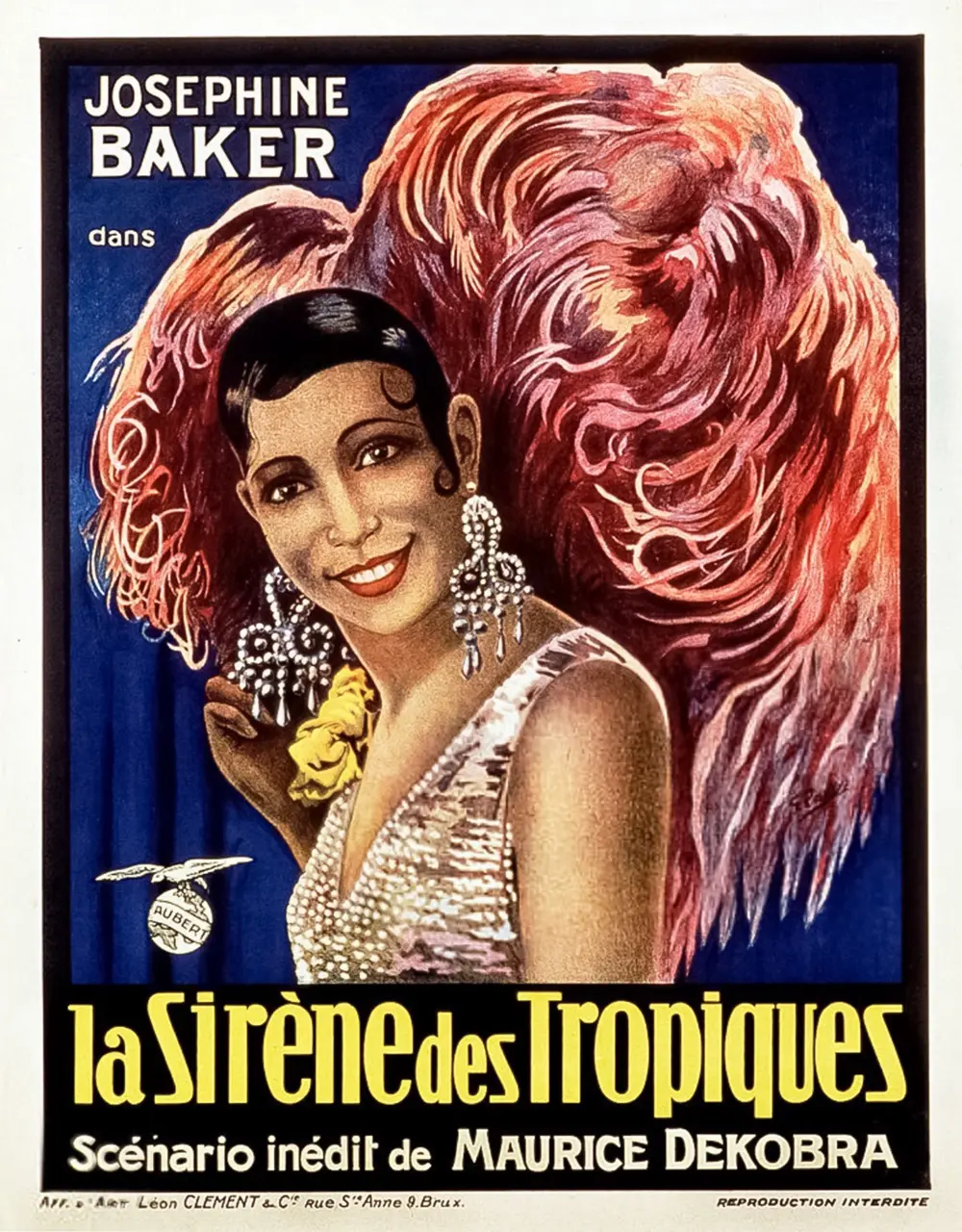
A definitive 6.3/10 rating for a film that redefined the boundaries of cult cinema. Siren of the Tropics remains a cornerstone of transgressive art.
Is Siren of the Tropics worth your time in the 21st century? Short answer: Yes, but primarily as a historical artifact of Josephine Baker’s magnetic screen presence rather than a coherent narrative experience.
This film is for historians, fans of the Jazz Age, and those who want to see the birth of a global icon. It is emphatically not for those seeking a modern, politically correct, or tightly paced thriller.
1) This film works because: Josephine Baker’s physical comedy and raw charisma transcend the limitations of the silent medium and the script's inherent biases.
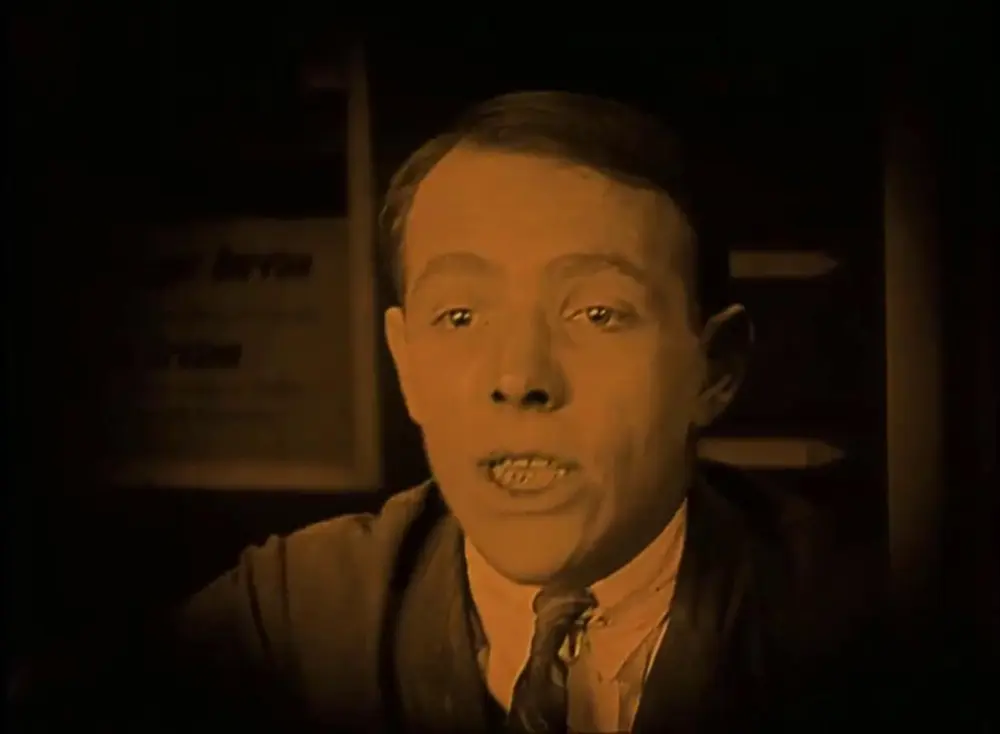
2) This film fails because: The narrative relies on tired colonial tropes and a disjointed structure that feels like a series of sketches rather than a unified story.
3) You should watch it if: You want to witness the exact moment Josephine Baker became a cinematic force, regardless of the clumsy vehicle surrounding her.
When we talk about Siren of the Tropics, we are really talking about Josephine Baker. In 1927, the world had never seen anything like her on screen. While other silent films of the era, such as Theodora, relied on massive sets and historical gravity, Siren of the Tropics relies almost entirely on the kinetic energy of its lead. Baker plays Papitou with a wild, uninhibited physicality that must have been shocking to audiences accustomed to the more reserved acting styles of the time.
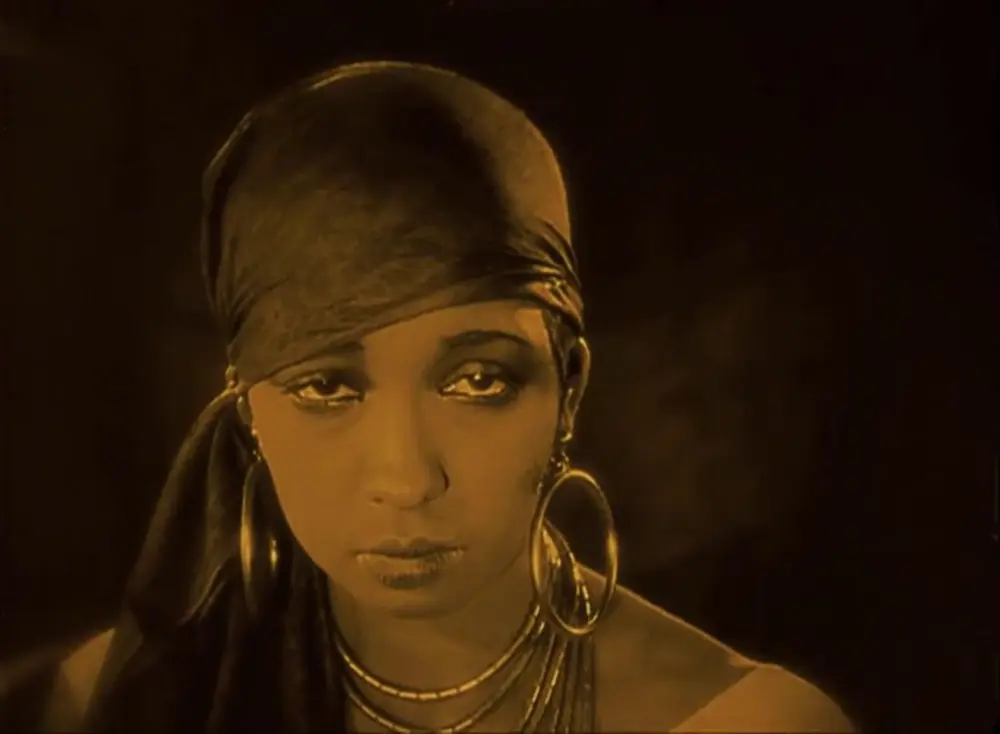
Take, for instance, the famous coal-bin scene. Papitou, hiding from her pursuers, becomes covered in soot. The resulting sequence is a masterclass in physical comedy that rivals Buster Keaton, yet it is infused with a specific, rhythmic grace that only Baker could provide. She doesn't just move; she vibrates. Every gesture, from the roll of her eyes to the frantic shuffling of her feet, communicates a zest for life that the static Parisian characters simply cannot match. It is a performance that feels modern even today, standing in stark contrast to the stiff melodrama found in films like Stolen Orders.
However, this performance is a double-edged sword. The film constantly frames her as a 'child of nature,' a trope that was already becoming a cliché in the 1920s. The camera treats her as an exotic specimen to be studied and admired, rather than a fully realized human being. This creates a tension that is uncomfortable to navigate. You are simultaneously mesmerized by her talent and repulsed by the film's patronizing gaze.
The plot of Siren of the Tropics is, frankly, a mess. Written by Maurice Dekobra, it serves as little more than a thin clothesline on which to hang Baker’s performance sequences. The story of André, the engineer, and his boring Parisian fiancée is utterly forgettable. When the film shifts focus away from Papitou to the romantic entanglements of the white leads, the energy bottoms out. It lacks the emotional weight of a film like Journey's End or even the straightforward genre thrills of Whispering Smith.
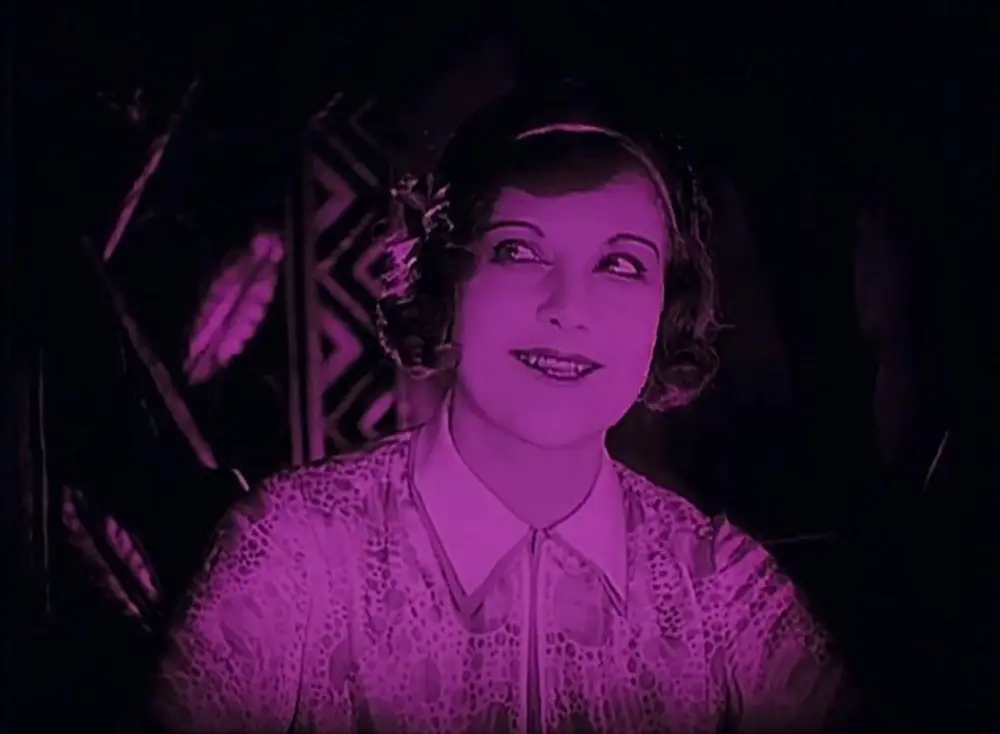
The portrayal of the French Antilles is particularly problematic. It is depicted as a land of simple-minded locals and corrupt colonial officials. While this was standard for the era, it makes the first half of the film a slog to get through. The 'villains' are caricatures, and the 'hero' André is a wet blanket of a protagonist. He is the kind of character who is meant to be the moral center but ends up being the least interesting person in the room. Compared to the rugged leads in The Crimson Runner, he feels entirely out of place.
The transition to Paris in the second half improves the pacing significantly. Once Papitou enters the urban jungle, the film finds its footing as a fish-out-of-water comedy. The contrast between the gritty, industrial backstreets of Paris and the opulent cabaret stages provides a visual variety that the first half sorely lacks. Still, the resolution of the plot feels rushed and unearned, a common flaw in many silent-era star vehicles like The Climbers.
Directed by Henri Étiévant and Mario Nalpas, the film is technically competent but rarely inspired. The cinematography is functional, capturing Baker’s movements with clarity, but it lacks the expressive shadows or innovative camera work seen in the best films of 1927. The editing is often jarring, particularly in the action sequences in the Antilles, which lack the fluid choreography of a film like The Stolen Ranch.
One area where the film does excel is in its costume and set design once the action moves to the cabaret. The feathers, the sequins, and the art deco influences are a feast for the eyes. These scenes capture the 'Années folles' (the crazy years) of Paris with an authenticity that feels lived-in. The film becomes a time capsule of a very specific moment in French cultural history, one where the influence of jazz and African art was beginning to permeate the mainstream.
The pacing is uneven. At times, the film drags through unnecessary subplots involving André’s business dealings. At other times, it leaps forward with confusing gaps in logic. For example, Papitou’s rise to fame in Paris happens almost overnight, with very little explanation of how she found her way into the upper echelons of the theater world. It requires a significant suspension of disbelief, even for a silent melodrama. It lacks the cohesive world-building of Rip Van Winkle.
Does Siren of the Tropics hold up today?
Yes, but only if you are looking for a historical performance rather than a great movie. Josephine Baker is the sole reason this film has survived in the public consciousness. Her energy is timeless, but the script is very much a product of its time. If you can look past the colonial stereotypes, you will find a performance that changed the face of entertainment. If you cannot, the film will likely be a frustrating experience.
Pros:
- A legendary debut performance by Josephine Baker.
- Fascinating visual record of 1920s Parisian cabaret culture.
- Some genuinely funny physical comedy moments.
- Important historical context for the 'Jazz Age.'
Cons:
- Overtly colonial and patronizing tone.
- Weak lead male performance by Georges Melchior.
- Uneven pacing and a disjointed script.
- Primitive special effects that haven't aged as well as other films of the era.
Siren of the Tropics is a flawed, often uncomfortable, but ultimately essential piece of film history. It is a film that is constantly at war with itself. On one hand, it is a restricted colonial fantasy. On the other, it is a platform for a woman who was too big for the screen to contain. Baker doesn't just act; she explodes. She is the 'Siren' of the title, but she is also the film's only source of genuine life.
It works. But it’s flawed. You don't watch this for the story of André and his land survey. You watch it for the way Baker looks at the camera with a mix of defiance and joy. It is a star turn that survives the wreckage of its own plot. In the pantheon of silent cinema, it may not be as structurally sound as The Third Kiss, but it is infinitely more memorable because of its leading lady. Give it a chance, but keep your critical guard up.
IMDb —
1916
Community
Log in to comment.