DbcultAccessing Vault...
Cult Review
Senior Film Conservator
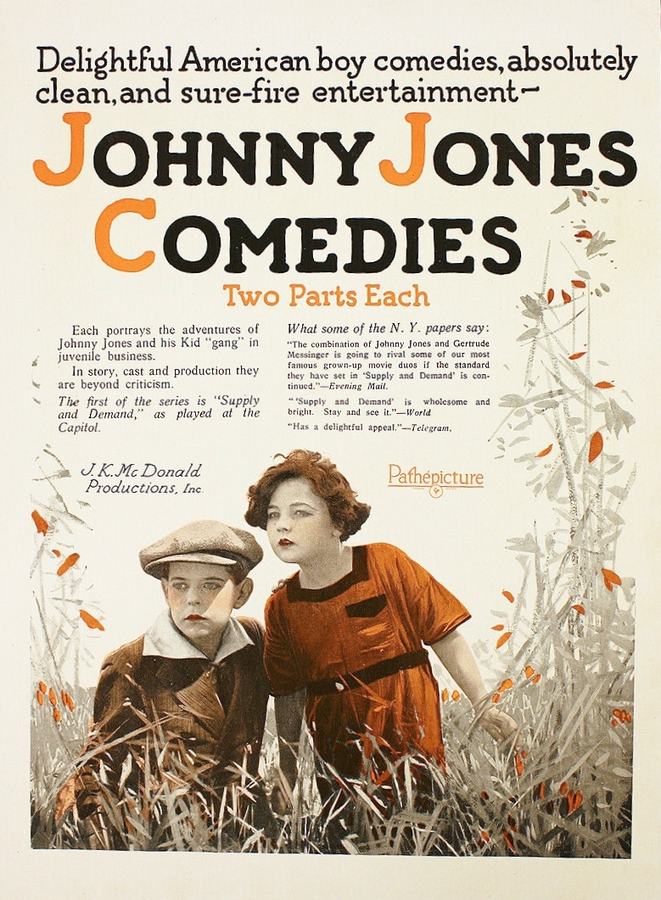
Somewhere between the last wheeze of silent-era innocence and the electric promise of the talkies, Broadcasting materializes like a half-remembered dream you swear you overheard on shortwave. Its premise—adolescent ham-radio buffs collar a career criminal—sounds, on paper, almost quaint, yet the film’s emotional resonance vibrates at a frequency far stranger and more bittersweet than any logline can transmit.
Director Edward Sedgwick (never shy of kinetic set-pieces) shoots the opening montage as if the camera itself were soldered to a cathode tube: stock footage of rotary dials, newspaper type slapping ink, Morse punches stuttering across the soundtrack. The effect is both propulsive and oddly hypnotic, a prophecy that mass communication will soon compress geography into a single room. From this kinetic soup emerges Johnny, played by Newton Hall with the reedy urgency of a boy who has replaced prayer with bandwidth. His pals—Ben Alexander as the bespectacled tinkerer, Turner Savage as the freckled lookout—function less as characters than as harmonics of a single inquisitive organism. Their clubhouse is a lean-to behind the rail yard, wallpapered with schematics torn from Popular Mechanics, perfumed by coal smoke and pubescent ambition.
The screenplay, attributed to Al Boasberg and an uncredited team of gag-men, refuses the encyclopedic exposition customary in juvenile adventures. Instead, narrative data arrives as bursts of static: a wanted bulletin slips under a grocery door, a pistol silhouette flashes across a frosted window, a bank teller’s yelp is drowned by the locomotive’s whistle. This fragmentary grammar anticipates later noir storytelling, but here it retains the wide-eyed curiosity of The Secret Kingdom rather than the fatalism of Grekh.
Cinematographer Arthur Reed—who would later lens Addio giovinezza!—relishes chiaroscuro long before it became a noir cliché. Moonlight puddles on corrugated roofs look like spilled mercury; inside the bank, wide shafts of carbon-arc light rake across marble, turning the robber’s gun barrel into a shard of liquid chrome. The film’s most indelible image arrives midway: a low-angle shot of Johnny balanced on a water tower, silhouetted against a sky scribbled with telegraph wires. The boy extends a home-made Yagi antenna as if dowsing for human sin, while below, the town’s electric signs wink like a circuitry diagram drawn by a drunken archangel.
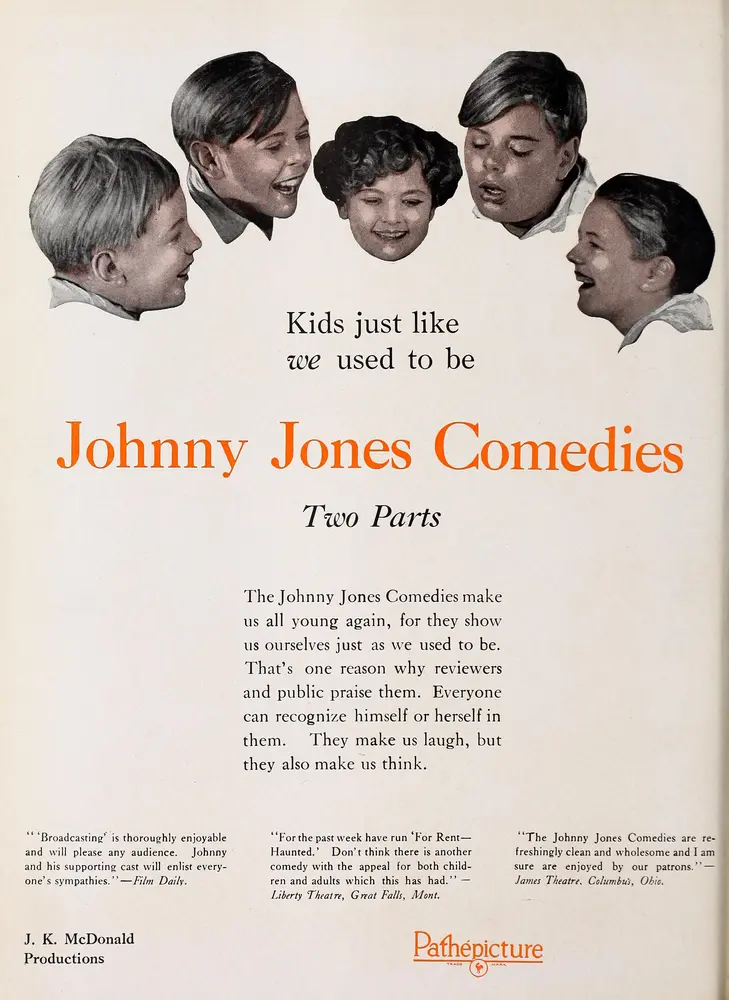
Acting styles oscillate between the pantomimed semaphore of silent cinema and the nascent naturalism demanded by audible dialogue. Gertrude Messinger, the lone female lead portraying Johnny’s street-smart cousin, delivers her lines with clipped, flapper-era staccato, yet her eyes—wide, glistening—betray a pre-Code vulnerability that complicates the otherwise jocular tone. Meanwhile, Edward Peil Jr., saddled with the thankless role of sheriff, finds unexpected nuance in a single beat: after the boys present their frequency-triangulated evidence, the lawman’s jaw slackens not with admiration but with dread, as though childhood itself just served him a warrant.
The sound design—primitive, crackling, often desynchronized—becomes the movie’s throbbing id. Every pop, hiss, and whistle reminds viewers that communication is fallible, that meaning must be coaxed from entropy. When the robber’s voice first leaks through Johnny’s headphones, it is pitched an octave too low, slowed by impedance mismatch into a satanic growl. Later, after the capture, the same voice re-emerges at normal cadence, now timid, almost supplicant. Technology, the film whispers, does not merely transmit identity; it distorts and then restores it.
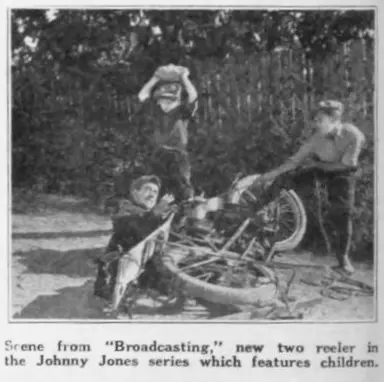
Comparative contextualization illuminates the film’s eccentric place in the juvenile-detective cycle. Where Fighting for Gold leans on slapstick brawls and Good Gracious, Annabelle foregrounds romantic foibles, Broadcasting opts for procedural ingenuity. Its closest spiritual cousin might be A Girl of the Timber Claims, where environment doubles as narrative engine, yet Sedgwick’s picture is less pastoral, more urban-tinged, more concerned with the invisible infrastructure of the modern city.
Thematically, the movie functions as a stealth allegory for emerging broadcast regulation. Released months before the Radio Act of 1927, it dramatizes the chaos of unpoliced airwaves: anyone—bandit or Boy Scout—can hijack the spectrum. Johnny’s posse, by imposing moral order on electromagnetic anarchy, prefigure the federal bodies that would soon grant and revoke licenses with godlike authority. Yet the film refuses doctrinaire patriotism; in the final shot, the camera retreats from the celebratory town square until the cheers fade beneath a blanket of atmospheric noise, suggesting that order is always provisional, that static is the natural state of both airwaves and human affairs.
Pacing betrays its origins as a programmers’ filler: 58 minutes, two reels shorter than most features of the season. Some transitions feel spliced with pinking shears—particularly a bewildering cut from the climactic mill showdown to a post-capture picnic. Yet brevity intensifies the film’s hypnotic pulse; there is no time for sentimental detours, only the relentless forward thrust of signals and footsteps.
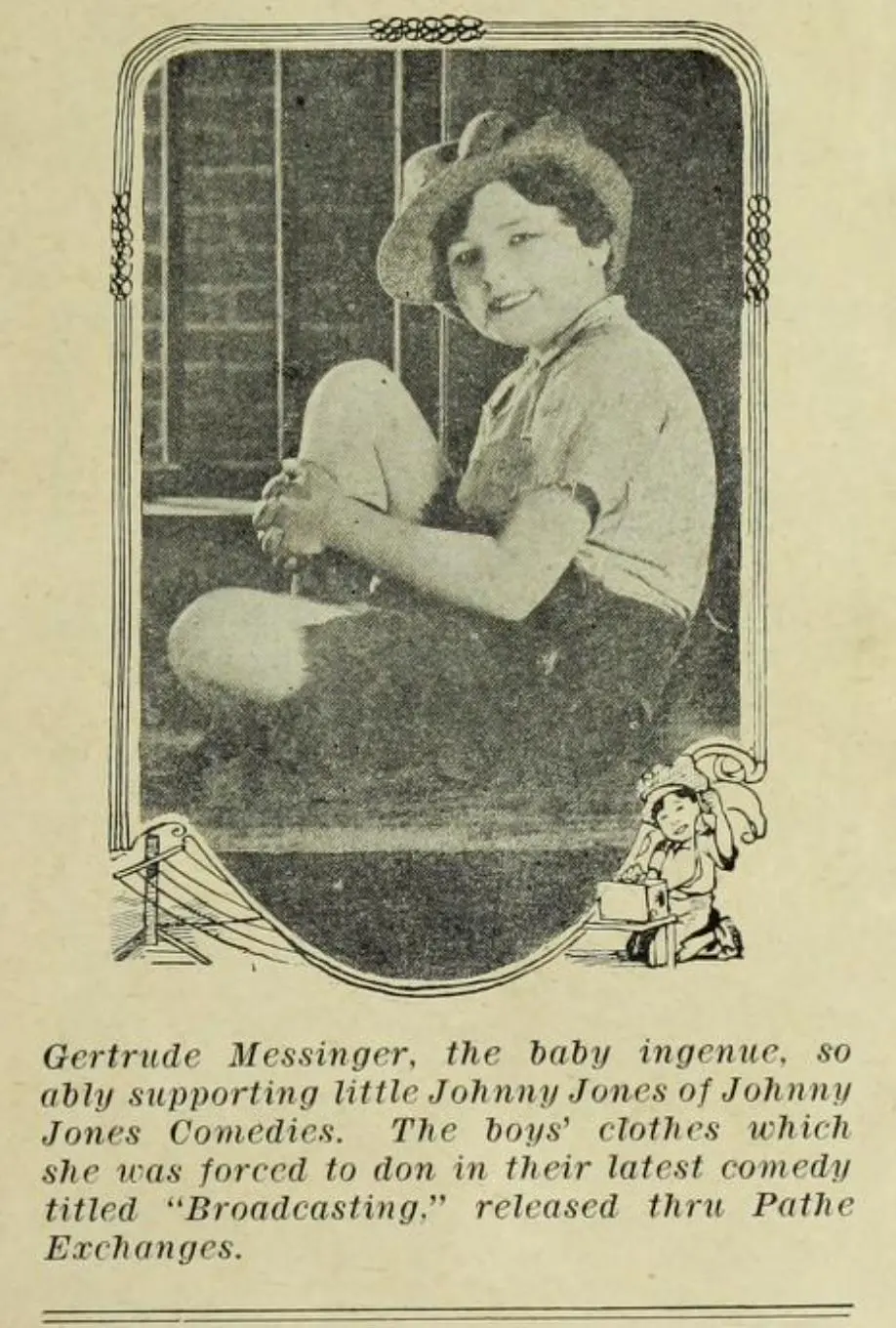
Reception history is a patchwork of contradictory anecdotes. Trade papers praised its “vitality” and “scientific kink,” while moralists decried the glorification of juvenile vigilantism. A 1932 reissue trimmed three minutes of alleged profanity—likely the robber’s off-screen use of “damn”—and replaced it with a recycled church-bell montage from The Earl of Pawtucket. The excised footage is now lost, though a fading nitrate still survives in the BFI archive: the thief, backlit, clutching a broken valve like a wounded sparrow.
Contemporary viewers, marinated in digital seamlessness, may snicker at the technical naiveté—looping wires visibly sag, prop newspapers betray their own headlines. Yet the film’s analog tactility sparks a strange nostalgia for uncertainty, for the era when knowledge arrived through patient tuning, when every signal competed with cosmic noise. In an age of algorithmic echo chambers, the movie’s core credo—listen harder—feels almost radical.
Performances age unevenly. Newton Hall’s wide-eyed enthusiasm can tilt toward saccharine, especially when he delivers the slogan “The air is free, but crime costs!” with the fervor of a Boy Scout reciting the Pledge. Still, his physicality—scampering across girders, cradling the crystal set like a Eucharistic vessel—exudes the kinetic conviction that defined junior stars such as Bobbie "Beezer" Nelson or Mickey Daniels, albeit with a more introspective undertow. Gertrude Messinger, often underused in western quickies, seizes her scant minutes with flinty charisma; her parting glance toward Johnny carries a premonitory sadness, as though she already intuits that childhood’s frequency will soon drift out of range.
The score, a pastiche of library cues and on-set organ, deserves special mention. During the pursuit through the rail yard, a frantic ragtime motif accelerates into dissonance, the pianist striking adjacent keys to mimic spark-gap chirps. The experiment predates similar collages in Der Dolch des Malayen by nearly a decade, hinting at an avant-garde impulse buried beneath the programmers’ fiscal caution.
Scholars of early media law routinely cite Broadcasting alongside Pardon Me and The Kiss as evidence that popular culture anticipated regulatory frameworks. Yet the film’s greater legacy resides in its emotional signal-to-noise ratio: it distills the vertigo of modernity into a child’s first moment of omniscience, then asks whether that omniscience obliges action. Johnny’s decision to share his discovery with authorities rather than exploit it for notoriety reads today as a quaintly heroic gesture—an antidote to the clout-chasing influencers who would weaponize the same airwaves a century later.
Restoration prospects remain tenuous. The lone surviving 35 mm element, housed in the UCLA vault, suffers from vinegar syndrome along its optical track; digital stabilization risks smoothing the very grain that enshrines the film’s analog soul. Fans circulate a 720p bootleg ripped from an unidentified European TV broadcast—watermarked, riddled with interlacing artifacts, yet alive with the crackle that Blu-ray polish might sterilize. Until a boutique label gambles on a 4K scan, that murky rip—torrented under the hash broadcasting_1926_v2—remains the most authentic conduit to the original hiss.
Final verdict? Broadcasting is neither masterpiece nor footnote; it is a resonant half-chord struck on the cusp of technological adolescence. Its thrills are modest, its sociology accidental, its poetry unintended—yet the cumulative hum lingers like a distant station you can almost, but never quite, bring into focus. Watch it not for narrative sophistication, but for the bittersweet tingle of eavesdropping on a world still convinced that knowledge, if only shared across the vastness, could outrun the dark.
—tune in, drop out, turn yourself in.
IMDb 5.6
1934
Community
Log in to comment.