DbcultAccessing Vault...
6.6/10
Senior Film Conservator
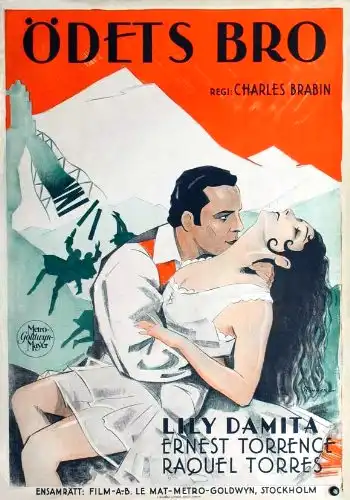
A definitive 6.6/10 rating for a film that redefined the boundaries of cult cinema. The Bridge of San Luis Rey remains a cornerstone of transgressive art.
Okay, so The Bridge of San Luis Rey from 1929. Is it worth tracking down today? Look, if you’re not already into silent films, probably not. This one's for the patient, the curious, or anyone who just wants to see how a literary classic got put on screen almost a century ago. If you need explosions or quick cuts, you’ll be bored stiff. But if you like old school drama, maybe even a little bit of a ponderous pace, stick around.
The whole thing kicks off with a massive, sudden tragedy: a rope bridge in Peru just… snaps. Five people plunge into the gorge. It’s dramatic, sure, but also a bit quick. You barely have time to register the *whump* of it all before Brother Juniper (Ernest Torrence) shows up, feeling all contemplative about fate.
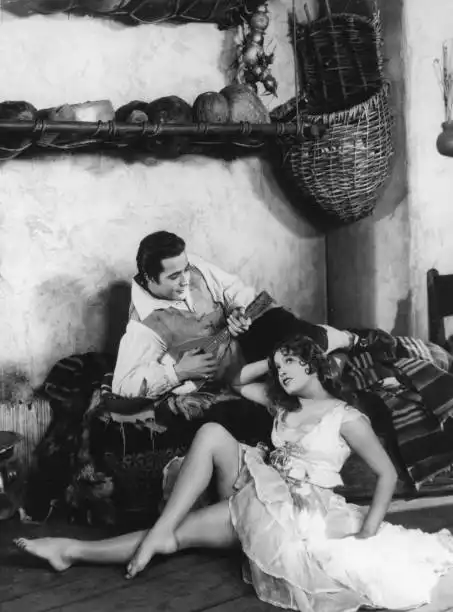
His big idea is to figure out if there was a divine reason for these specific five folks to die together. Like, were they destined? Did God have a list? It’s a compelling question, maybe more so in the book than how it plays out on screen, where it becomes more of a vehicle to introduce melodramatic backstories.
The film then kinda meanders into telling us about each person who fell. There's the Marquesa de Montemayor (Eugenie Besserer), a wealthy lady with a real knack for writing intense letters to her daughter. You feel her loneliness, even through the exaggerated silent film expressions.
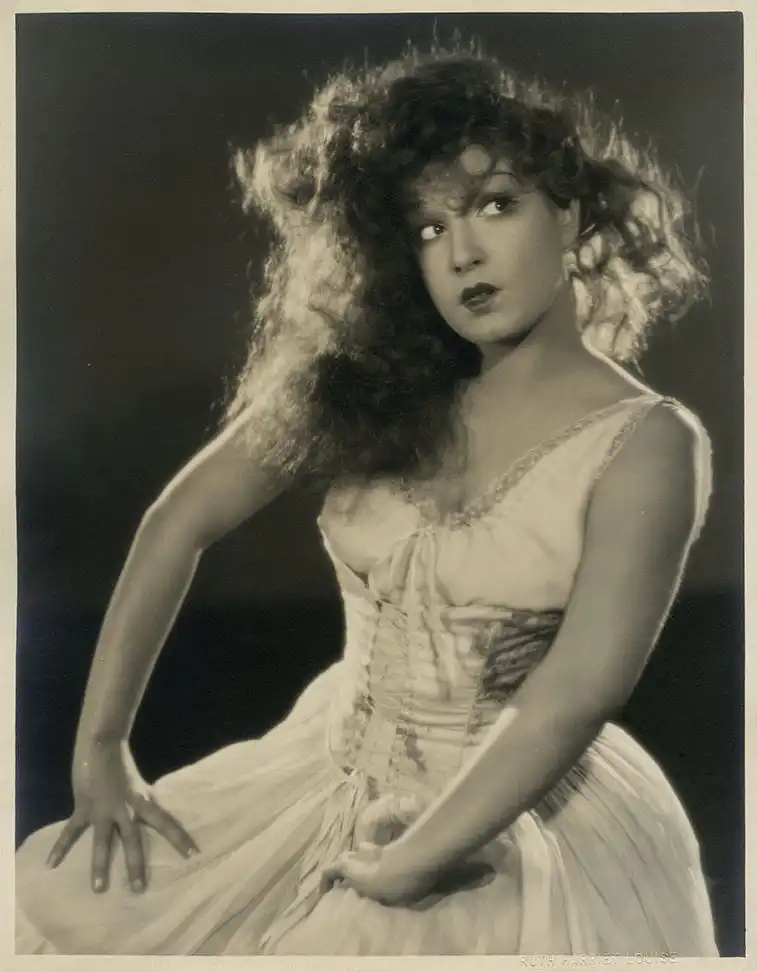
Her companion, Pepita (Jane Winton), is also on the bridge. Their relationship, all quiet longing and unspoken duty, gets a good bit of screen time. It’s one of those bits where you can almost feel the movie trying to convince you this moment matters, and sometimes it does, sometimes it doesn’t quite land.
Then we meet the twins, Esteban and Manuel (Paul Ellis and Seymour Kupper). Their bond is *super* tight, almost too much, if that makes sense. One gets sick, and the other just spirals. It’s a very silent film portrayal of grief, with lots of hand-wringing and dramatic staring.
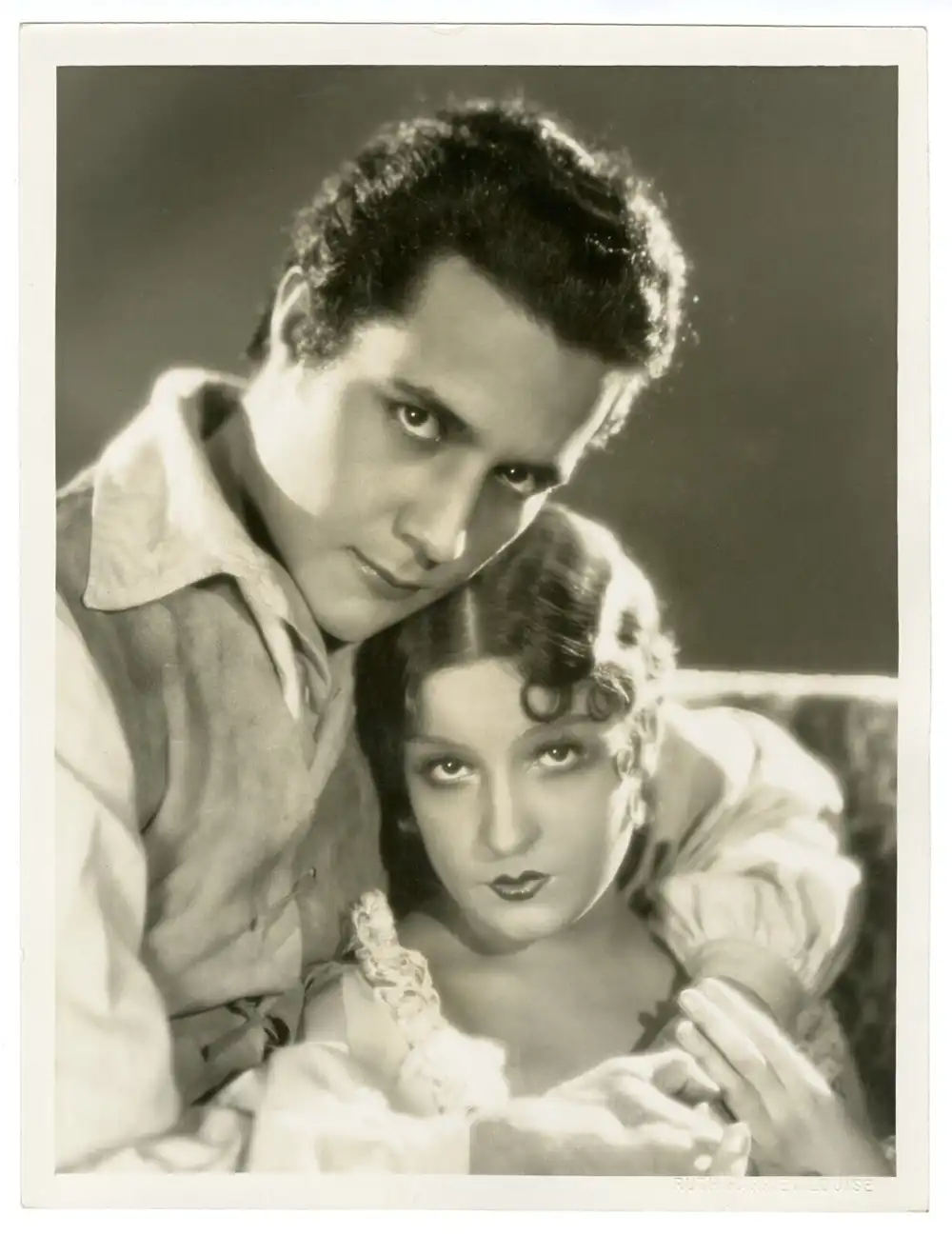
Lili Damita plays Camila Perichole, a famous actress, and she’s got this magnetic energy. Even without sound, you get why men would be utterly smitten. Her stage presence, even in these old black and white shots, really pops.
Uncle Pio (Henry B. Walthall) is completely devoted to Camila. He’s always there, watching, helping, orchestrating things for her career. It’s a bit sad, really, seeing his quiet devotion against her more volatile nature. His character feels quite layered, actually.
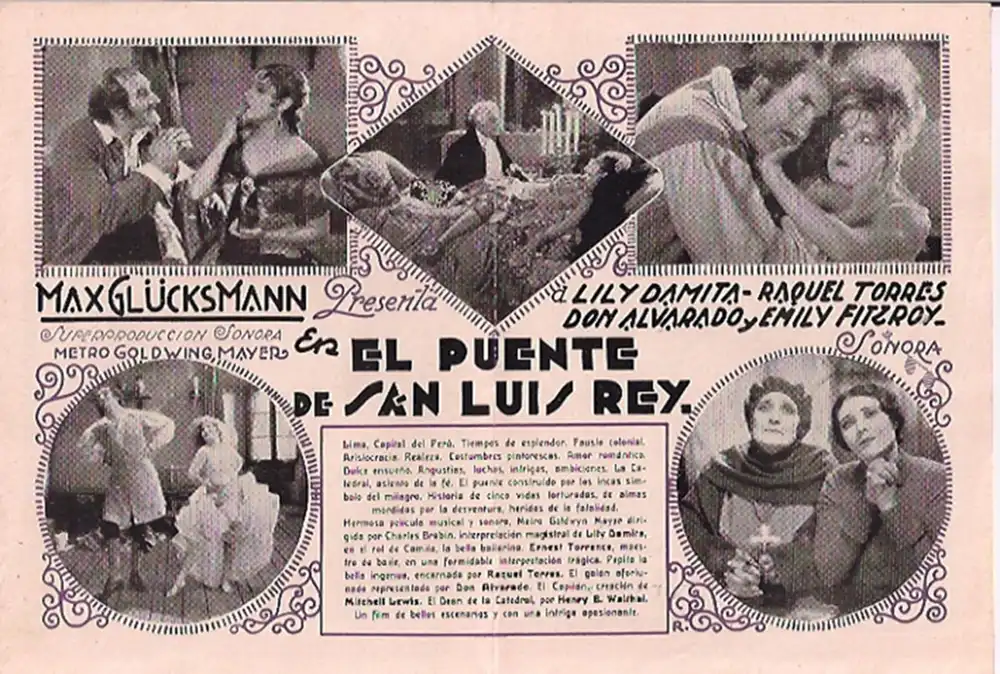
The Andes setting itself feels… a bit constrained. You get some lovely establishing shots, but a lot of the drama plays out indoors or on sets that feel a tad stage-bound. The scale of the original tragedy almost gets lost in the intimate, sometimes claustrophobic, character studies.
Ernest Torrence as Brother Juniper is a strong presence. He’s got that stern, searching look that feels right for a priest grappling with faith and fate. You believe he’s genuinely troubled by this cosmic puzzle.
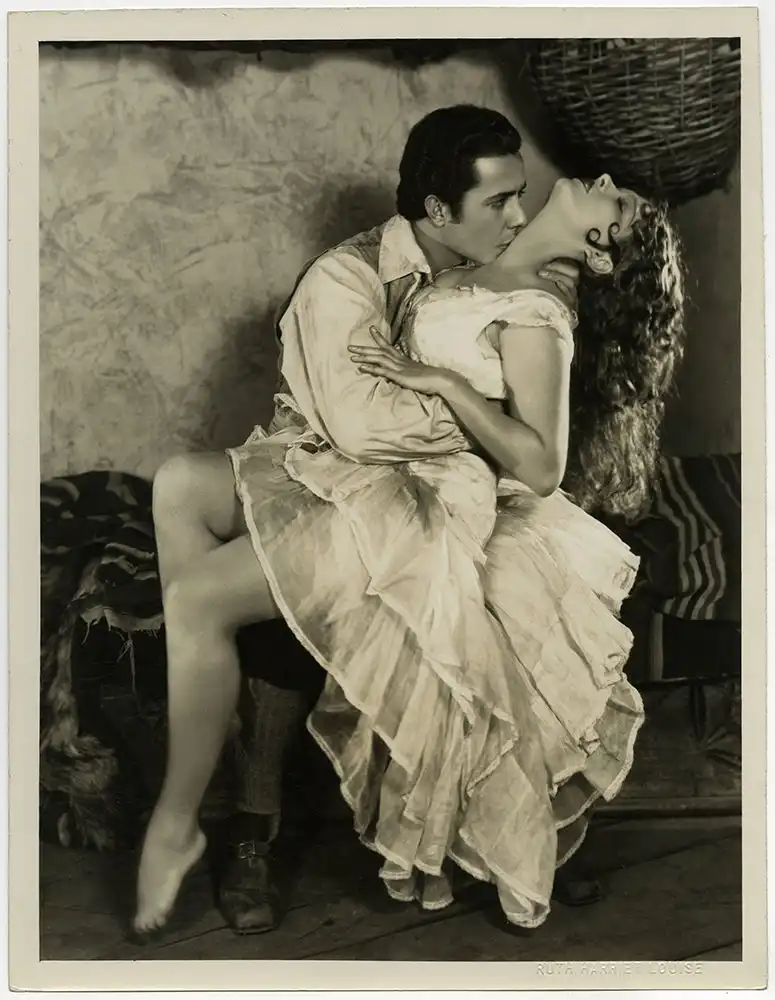
The intertitles, of course, are a big part of it. Some are poetic, some are just there to move the plot. They break up the visual flow sometimes, but that’s just how it was. You learn to read quickly.
Pacing is definitely on the slower side. The movie takes its time unraveling each life. It’s not a criticism, just an observation. It gives you a lot of space to absorb the melodrama, which can be a good or bad thing depending on your mood.
There's this scene with Camila and her lover, the Viceroy, where the tension is really palpable. It’s not explosive, but you feel the weight of their complicated relationship. Lili Damita does a lot with just her eyes in those moments. 👀
One thing that kept catching my eye was the costuming. So many elaborate details, especially for the wealthier characters. It adds to the feeling of a grand, if slightly antiquated, world. Even the extras look like they put some effort in, which is nice.
Did Brother Juniper find his answers? The film doesn't really give a neat package. It's more about the journey through these lives. Which, honestly, feels more human. Not every big question gets a simple 'yes' or 'no' in life, right?
Overall, The Bridge of San Luis Rey is a fascinating peek into early cinema adapting a major novel. It’s got its moments of genuine emotion and some really strong silent performances, especially from Lili Damita and Henry B. Walthall. But you gotta be in the mood for it. It won't grab you by the collar and demand attention, but it will gently unfold its story if you let it.
IMDb —
1918
Community
Log in to comment.