DbcultAccessing Vault...
7.1/10
Senior Film Conservator
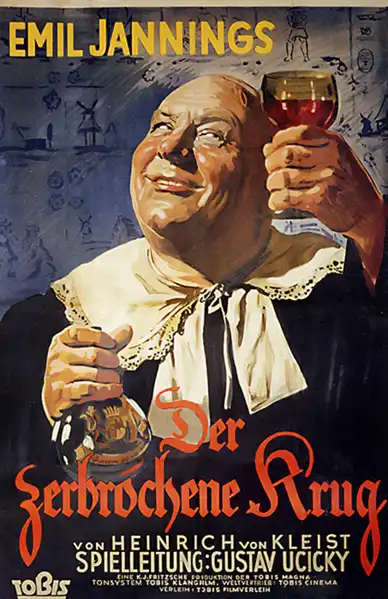
A definitive 7.1/10 rating for a film that redefined the boundaries of cult cinema. The Broken Jug remains a cornerstone of transgressive art.
Is The Broken Jug worth your time today? Absolutely, if you're into old-school European comedies that rely on classic stage farce. Folks who appreciate detailed character performances will probably dig it. If you need explosions or lightning-fast cuts, you might find yourself a bit bored.
Emil Jannings, he’s the whole show here as Judge Adam. His character is just a mess, a real blustering type trying to seem important. You see him sweating, fiddling, trying to keep control of this tiny court.
The whole setup is simple: a broken jug, and everyone wants to know who did it. But we, the audience, know from the jump that Judge Adam is actually the culprit. It's a fun kind of irony, really.
He just keeps digging himself deeper, you know? Every question he asks, every piece of evidence brought forward, it just points a little more at him. It’s almost painful to watch, but in a good way.
There's this one moment where he's trying to cross-examine a witness, but he's practically shaking because he knows they're getting too close. His eyes dart around. It’s such a tiny, human detail.
The film has a stage play feel, which makes sense since it’s based on a play by Heinrich von Kleist. The camera often just sits back and lets the actors do their thing.
Lina Carstens plays Frau Marthe, the jug owner, and she’s just so indignant. Her outrage feels very real, very grounded in village life. She just wants justice for her favorite kitchenware.
You can almost feel the movie trying to convince you this moment matters, even though it's about a silly jug. And it kind of does matter to these characters.
The way Jannings's wig keeps slipping, or how he adjusts his robes nervously—those are the things that stick with you. It’s not about grand gestures. It’s all in the small, frantic movements.
There’s a good bit of physical comedy too. He’s always bumping into things, or almost tripping. It adds to his overall feeling of incompetence.
The pacing feels... well, like an older movie. It takes its sweet time setting up the stakes, which are really just personal embarrassments. But it builds.
The whole village seems to gather around this trial, too. They’re all just watching, whispering. It gives you a sense of this small, enclosed world where a broken jug is big news.
It gets noticeably better once the judge stops trying to look so dignified. He just descends into this kind of panicked desperation.
You watch him trying to twist words, trying to make the evidence fit someone else. It's a masterclass in deflection, really. Even though it's obvious, you root for the absurdity of it.
The ending, without giving anything away, is exactly what you expect. But getting there is the fun part. It’s a very satisfying unraveling.
This isn't some deep, profound film. It’s a farce, pure and simple. And it commits to it. 🤣
The lighting in some scenes, especially when Judge Adam is alone with his thoughts, gives him this almost ghostly, tormented look. Even though he’s just worried about a piece of pottery.
It's a little glimpse into how humor worked back then. Not everything lands perfectly for a modern audience, but a lot of it still hits.
This is a movie that really, really likes its close-ups on Jannings's frantic face. And honestly, it works.
IMDb 6.8
1932
Community
Log in to comment.