DbcultAccessing Vault...
Cult Review
Senior Film Conservator
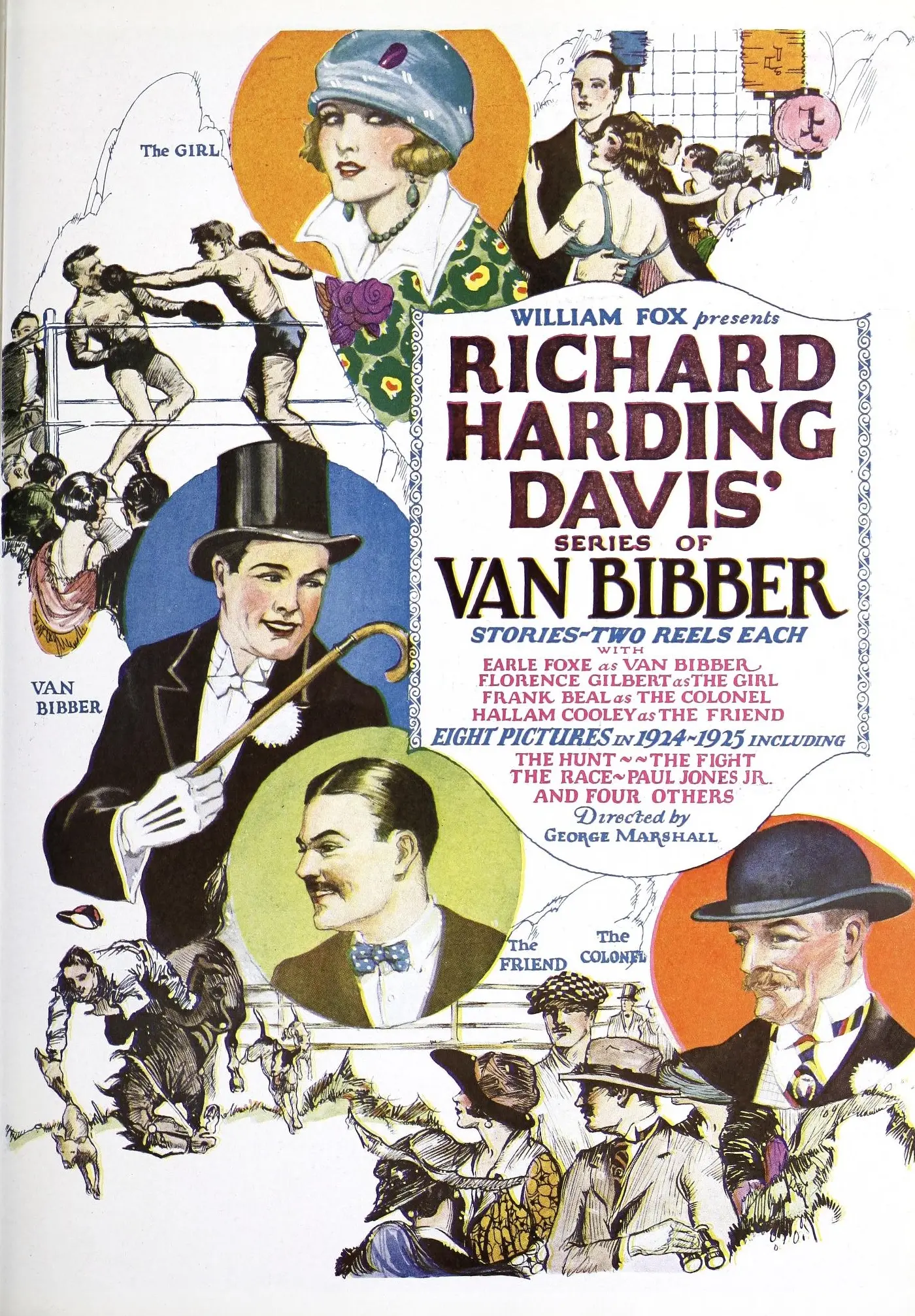
Ah, the roaring twenties! A period of seismic societal shifts, technological marvels, and, of course, a veritable explosion of cinematic creativity. Amidst the flappers, jazz, and burgeoning modernity, silent films were truly coming into their own, refining their visual language to convey narratives of staggering complexity and emotional depth without uttering a single spoken word. It is within this vibrant tapestry that we encounter 'The Burglar,' a 1924 offering that, while perhaps not as widely celebrated as some of its contemporaries, nonetheless provides a fascinating glimpse into the nascent stages of the crime thriller genre and the compelling power of a reluctant hero.
Penned by the prodigious Richard Harding Davis, a writer whose adventurous spirit often infused his prose with palpable excitement, 'The Burglar' takes a deceptively simple premise and injects it with a potent dose of unexpected peril. The narrative hinges on Van, an ordinary individual whose mundane visit to a police station spirals into an extraordinary, unwanted odyssey. He finds himself, quite literally, dragooned into the role of a law enforcer, tasked with pursuing a notorious thief and killer. This involuntary conscription into the world of crime and punishment forms the bedrock of the film's tension, forcing our protagonist to grapple with his own morality and capacity for courage in the face of overwhelming danger.
At the heart of 'The Burglar' lies the compelling dynamic between Van, the unwilling participant, and the unnamed, yet vividly menacing, criminal. This archetype of the 'accidental detective' or 'civilian thrust into peril' was a fertile ground for silent cinema, allowing for broad strokes of character development through action and reaction. While specific details about Van's portrayal are sparse in the historical record, the very premise suggests a character arc driven by necessity rather than ambition. It’s a testament to the era's storytelling prowess that such a transformation could be conveyed through nuanced expressions, body language, and the stark visual contrasts inherent in black-and-white cinematography.
The film’s villain, a 'notorious thief and killer,' is the engine of the plot. In silent films, villains often embodied a primal, almost theatrical malevolence, their wickedness amplified by dramatic lighting and exaggerated gestures. One can imagine the shadowy figures, the darting eyes, the cruel smiles that would have defined this antagonist, brought to life through the expressive performances of the era. The success of such a character hinged on their ability to inspire genuine fear and a sense of imminent threat, driving Van's desperate pursuit.
The cast of 'The Burglar' features several names that would have resonated with audiences of the time, each bringing their unique brand of silent screen charisma. Fred Kohler, often typecast in villainous or tough-guy roles, likely lends a formidable presence to the proceedings, perhaps even as the titular burglar himself or a gruff police captain. Kohler's rugged features and imposing stature made him a natural for roles demanding a certain gravitas, whether sinister or authoritative. His ability to convey menace or stern resolve without dialogue was a hallmark of his craft, making him a memorable figure in countless silent dramas and Westerns.
Earle Foxe, another prolific actor of the silent era, often played suave or urbane characters, sometimes with a hint of duplicity. His inclusion suggests a potential foil to Van, perhaps a more experienced lawman, a rival, or even a red herring. Foxe's sophisticated demeanor would have provided a stark contrast to Kohler's more rugged presence, adding layers to the ensemble's dynamic. Then there’s Florence Gilbert, whose presence typically signaled the romantic interest or the damsel in distress, a common narrative device that provided emotional stakes beyond the immediate chase. Her expressive eyes and graceful movements would have been crucial in conveying vulnerability or resilience. Supporting players like Lynn Cowan, Frank Beal, Alice Ward, and James Bryson would have rounded out the cast, providing depth to the police force, the criminal underworld, or the unsuspecting public caught in the crossfire. Each actor, through their mastery of pantomime and facial expression, contributed to the film's overall emotional resonance and narrative clarity.
The art of building suspense in a silent film relied heavily on visual storytelling, editing rhythms, and the strategic use of intertitles. Directors of the era, operating without the crutch of dialogue, became masters of visual metaphor and dynamic staging. One can imagine 'The Burglar' employing classic silent film techniques: rapid-fire cuts during chase sequences, close-ups on anxious faces or incriminating objects, and innovative camera angles to heighten the sense of urgency and danger. The very notion of a 'chase' lends itself perfectly to the medium, allowing for exhilarating sequences of pursuit through city streets, over rooftops, or within shadowy interiors, each frame meticulously composed to convey speed and desperation.
The intertitles, far from being mere dialogue substitutes, served as crucial narrative tools, providing exposition, conveying character thoughts, and sometimes even delivering ironic or dramatic commentary. In a film like 'The Burglar,' these textual inserts would have been vital in establishing the villain's notoriety, Van's internal conflict, and the escalating stakes of the pursuit. The pacing, dictated by the editor's rhythm, would have alternated between moments of quiet tension and explosive action, keeping audiences on the edge of their seats without a single spoken word.
'The Burglar' fits comfortably within a broader trend of crime and adventure films prevalent in the 1920s. While details about its specific plot points are limited, the theme of a relentless pursuit of justice or a criminal mastermind was a recurring favorite. Consider the intrigue and deception explored in films like The Impersonation, which likely delved into mistaken identities or elaborate disguises, mirroring the cat-and-mouse game of a clever thief. Similarly, the rapid-fire action suggested by the title Fast Company might hint at a shared cinematic language of dynamic pacing and thrilling escapades that 'The Burglar' would have employed.
The idea of an ordinary person caught in extraordinary circumstances also resonates with other films of the period. While not directly a crime film, the dramatic weight of being 'dragooned' into a role one is ill-suited for might find a distant thematic cousin in a film like Der Ruf der Liebe, if one considers the 'call' of duty or fate. The raw, visceral thrill of a chase, a core element of 'The Burglar,' could also be seen in films focusing on daring acts or narrow escapes, such as Caught Bluffing, which almost certainly featured moments of high-stakes deception and quick thinking, crucial for both lawmen and criminals alike. Even a film like The Humming Bird, a crime drama starring Gloria Swanson as a Parisian apache dancer turned criminal, shares the milieu of urban crime and moral ambiguity, albeit from a different perspective.
The gritty realism, or at least the attempt at it, in depicting the criminal underworld and the police force, would have been a significant draw. While perhaps not as overtly Expressionistic as some European films of the era, American crime dramas often sought to portray the darker facets of metropolitan life. The film's setting, likely a bustling metropolis, would have been a character in itself, with its shadowy alleys, grand avenues, and hidden corners providing the perfect backdrop for a high-stakes pursuit. This urban landscape, often depicted with dramatic contrasts of light and shadow, served to enhance the film's mood and underline the peril faced by Van.
Richard Harding Davis, the writer credited for 'The Burglar,' was a remarkable figure whose life was as adventurous as his fiction. A journalist, war correspondent, and prolific author, Davis had a keen eye for dramatic narrative and a talent for crafting thrilling scenarios. His stories often featured intrepid heroes, exotic locales, and compelling moral dilemmas, making his work ideal fodder for cinematic adaptation. The transition of his literary work to the silent screen required a skilled hand to translate his descriptive prose into visual spectacle, a challenge that the filmmakers of 'The Burglar' undoubtedly embraced. His influence would have ensured a tightly plotted narrative, replete with twists and turns designed to keep the audience guessing.
Davis's writing style, known for its clarity and brisk pace, would have provided a solid foundation for a film that needed to maintain momentum without dialogue. The core idea of an ordinary man thrust into an extraordinary situation is classic Davis, and it’s a trope that continues to resonate with audiences today. His ability to build characters through their actions and reactions, rather than lengthy internal monologues, was perfectly suited for the silent medium, where every gesture and expression carried immense weight.
Like many films from the silent era, 'The Burglar' may not be as readily accessible or widely discussed as some of its more famous peers. However, its existence serves as a valuable artifact, a testament to the diverse range of stories and genres that captivated audiences nearly a century ago. The film's emphasis on a civilian's reluctant entry into law enforcement is a narrative device that has been reinterpreted countless times throughout cinematic history, from film noirs to modern thrillers. This particular iteration offers a glimpse into how that trope was handled in its nascent form, stripped of sound and color, relying solely on the power of visual storytelling and the expressive capabilities of its actors.
The film, when viewed through a contemporary lens, reminds us of the sheer ingenuity required to convey complex emotions and intricate plots without spoken dialogue. It underscores the importance of strong visual composition, compelling performances, and precise editing. For cinephiles and historians alike, 'The Burglar' is more than just a forgotten film; it's a piece of a larger puzzle, helping us understand the evolution of cinematic language and the enduring appeal of a well-told crime story. Its historical context, nestled within the vibrant decade of the 1920s, adds another layer of intrigue, reflecting the social anxieties and entertainment desires of a bygone era. One can only hope that such treasures continue to be preserved and made available, allowing new generations to appreciate the foundational artistry of silent cinema and the compelling narratives that continue to resonate.
Ultimately, 'The Burglar' stands as a fascinating example of early crime drama, a film that leverages the unique strengths of the silent medium to deliver a gripping tale of pursuit and reluctant heroism. While specific details about its critical reception or box office performance are elusive, its very premise and cast suggest a film designed to entertain and thrill. It's a reminder that even in the absence of spoken words, the power of visual narrative, compelling characters, and a well-crafted plot can transcend time, offering insights into the human condition and the enduring struggle between good and evil. The ingenuity of its creators, working within the constraints of their technological limitations, is truly something to behold, proving that a compelling story, irrespective of its era or medium, will always find a way to captivate its audience.
IMDb 5.8
1921
Community
Log in to comment.