DbcultAccessing Vault...
5.8/10
Senior Film Conservator
A definitive 5.8/10 rating for a film that redefined the boundaries of cult cinema. The Bushranger's Bride remains a cornerstone of transgressive art.
They don’t make myths this feral anymore.
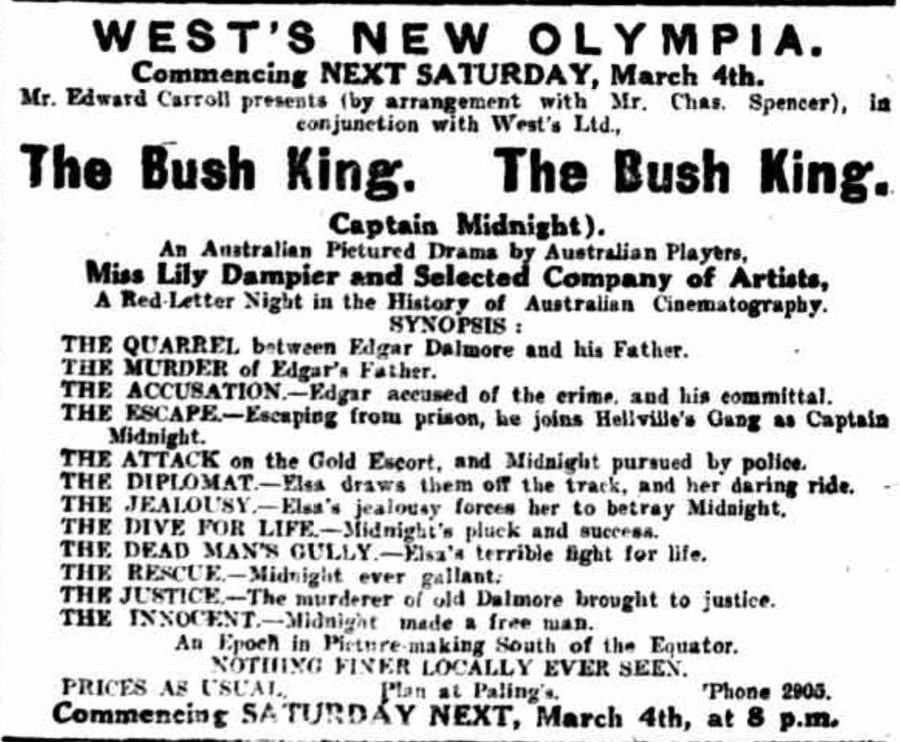
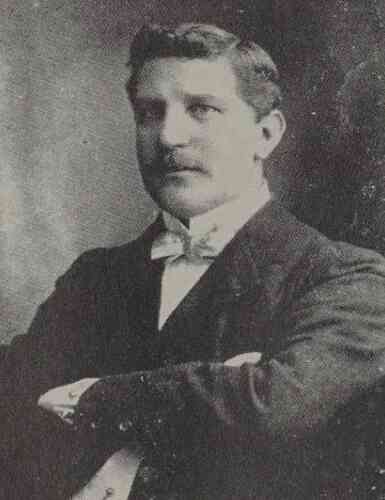
When the lights of the Lyric Wintergarden dimmed in July 1911, Melbourne audiences gasped at The Bushranger’s Bride—a nitrate hurricane that fused the moral panic of Dickens with the galloping spectacle of Kelly Gang folklore. Raymond Longford, already notorious for coaxing miracles out of gum-light and shadow, directed and starred as Edgar, injecting celluloid with the musk of real sweat: you can almost taste iron on the lens when prison shackles snap. Beside him, Lottie Lyell’s Thelma glides like a prayer on heat-haze, while Lily Dampier’s Elsa burns with that particular heartbreak reserved for women who know they’ll never be first choice.
Forget courtroom gravitas; the film announces its villainy in a single smash-cut: a candle snuffed beside the patriarch’s safe equals a life snuffed inside a son. From that visual rhyme, every narrative sinew stretches taut. Prison sequences eschew Dante-style brimstone for something worse—mundanity. Convicts hammer rocks under a sun so white it x-rays the soul, and Longford’s silhouette looms like a question mark: is guilt genetic or just convenient?
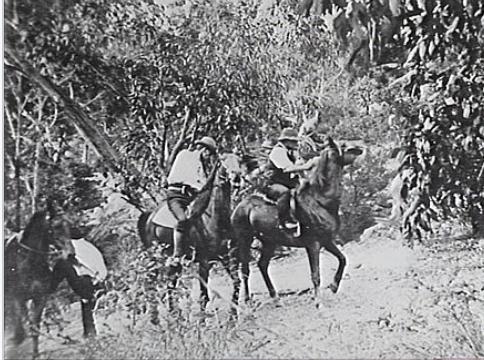
Once Midnight’s gang astride stolen thoroughbreds, the film pivots into kinetic poetry. The gold-coach heist—filmed on a rutted mountain road near Warburton—was shot with a camera strapped to a lumber wagon, predating the break-neck tracking bravura of later Westerns. Frames judder, dust blooms, and you realise this is why French critics later coined poétique du western: the Australian outback as moral wilderness.
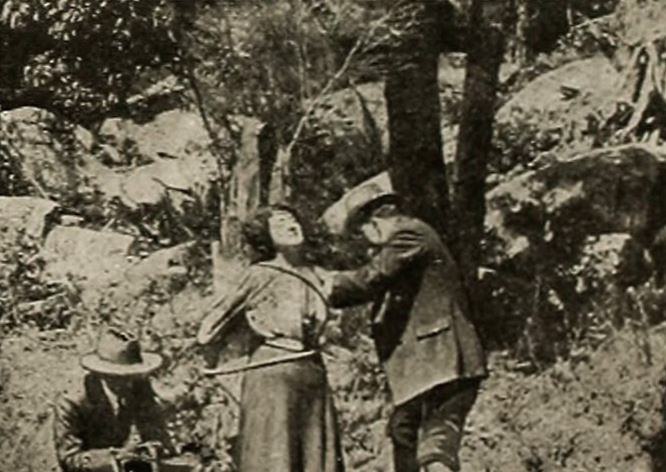
Longford’s acting palette is all nerve endings; watch his pupils dilate when Thelma offers absolution—lust, gratitude, terror in one tic. Lyell, uncredited co-scenarist, sketches Thelma as more than a paragon: her fingers tremble clutching a rosary, suggesting colonial women weaponised piety into agency. Dampier steals sympathies without dialogue—merely by lowering her gaze an inch further each time Edgar thanks her “like a mate.” The micro-gesture foreshadows Elsa’s final martyrdom more eloquently than any title card.
Cinematographer Alfred Rolfe (also playing corrupt Sterling) bathes night exteriors in mercury-blue nitrate that turns tree trunks into Corinthian columns. Interior cabin scenes glow butter-yellow from hurricane lamps—an antipodean chiaroscuro that prefigures German Expressionism. The wedding finale, framed against a whitewashed frontier church, erupts into a shoot-out amid flying confetti: white petals and white gun-smoke, innocence and powder mingling in the same breath.
No original score survives, but 1911 exhibitors were encouraged to splice popular bush ballads. Imagine Waltzing Matilda grinding against images of a manhunt—ironic counterpoint decades before Kubrick made the trick fashionable. Contemporary critics praised the “audible hoof-thunder” achieved by drummers pounding calf-skins backstage in sync with on-screen canter rhythms, a proto-Dolby gimmick that turned country halls into seismic zones.
Beneath its horse-opera hide beats a thesis on inheritance: land stolen twice—first from First Nations, then from bloodlines by the penal code. Edgar’s outlawry is less rebellion than inheritance; the film implies the colony itself is born in shackles. When midnight gallops across the screen, Australia’s original sins ride pillion: genocide, convict transport, indentured despair. Unlike the celebratory nationalism of Robbery Under Arms, Bride offers no cathartic sunset—only a border crossing and the fragile promise of starting honest somewhere else.
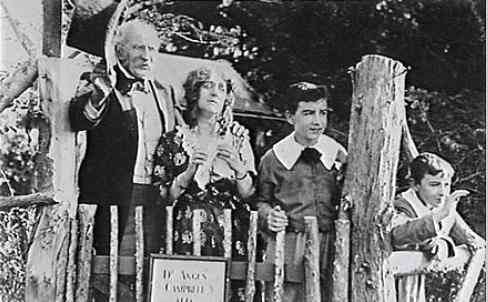
Pair it with Birmingham (also 1911) to chart how American Southern Gothic and Australian bush-Gothic diverge: both trade in wrongful accusation, yet where one clings to Confederate romance the other opts for bleaker frontier existentialism. Against Corbett-Fitzsimmons’s documentary literalism, Bride proves narrative cinema could already out-punch actuality films in visceral heft.
Only fragments—about 17 minutes—survive at Australia’s National Film and Sound Archive, preserved under the NFSA’s Operation Nitrate. Yet even shards throb with urgency: a close-up of a revolver hammer cocking, the lace curtain breathing in and out like a lung during Elsa’s betrayal scene. Digital 4K scans reveal emulsion cracks resembling lightning bolts—accidental metaphors for a country still fracturing along convict fault-lines.
Watch it for the birth of Australasian Western grammar—wide horizons squeezed into 1.33 academy ratio, moral absolutes dissolved into bush dust. Watch it for the gender triangle that refuses to brand the other woman harpy or saint. And watch it because, a century on, our screens remain colonised by franchises peddling tidy redemption; The Bushranger’s Bride reminds us cinema once dared to leave its anti-hero bruised, married, exonerated—yet still glancing over his shoulder at the sound of distant hooves.
Verdict: 9/10—a fossilised thunderclap every cinephile should touch with bare eyes.
IMDb —
1925
Community
Log in to comment.