DbcultAccessing Vault...
Cult Review
Senior Film Conservator
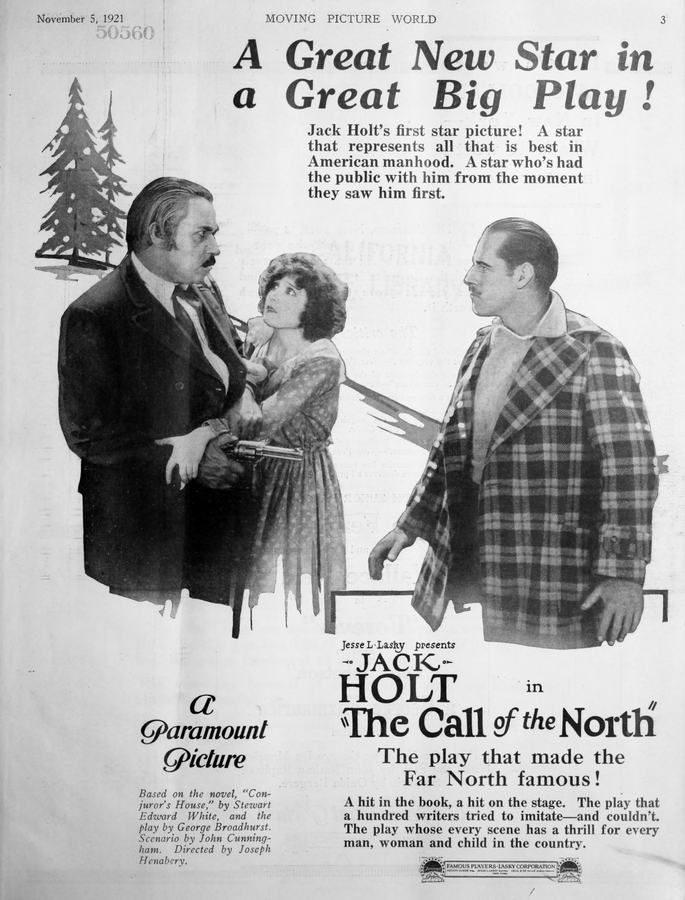
The first image is a dagger of light: a birch canoe knifing through charcoal water while the intertitle card trembles with frost. From that frame on, director Joseph Henabery treats the Yukon not as backdrop but as prosecutor—every cornice of ice an accusation, every wolf-howl a subpoena. 1921 audiences, still woozy from war flu and bathtub gin, had never seen snow look this carnivorous.
Henabery’s camera, hand-cranked at fourteen frames in the depth of February, turns breath into crystal chandeliers that hang in front of faces like detachable halos. The effect is ghostlier than any double exposure: characters speak and simultaneously entomb their own words. It’s the perfect visual correlative for a story where every syllable—love, guilt, pardon—arrives too late to stop the avalanche it has already triggered.
Galen Albret’s post is a palisade of arithmetic: beaver pelts tallied in vertical columns that resemble prison bars. Edward Martindel plays him like a Jesuit who has misplaced his soul somewhere between page 47 and the winter provisions. Watch the way he removes his moose-hide gloves—each finger a deliberate paragraph of repression. When he exiles Graham Stewart, the sentence is delivered with the same monotone he uses to order tea: evil as bureaucracy.
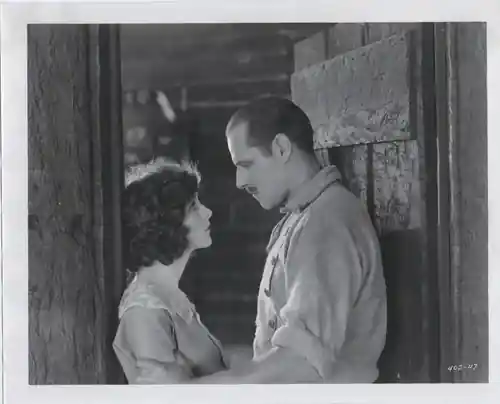
Cut to a decade later: the same man, beard now hoary with hoarfrost, caresses a brass astrolabe as if it could divine the precise weight of remorse. Cinema rarely grants its tyrants such intimate self-audits; Martindel lets us glimpse the exact moment when dominion metastasizes into self-loathing. That quiet click—you can almost hear it—is the sound of an empire locking its own exit.
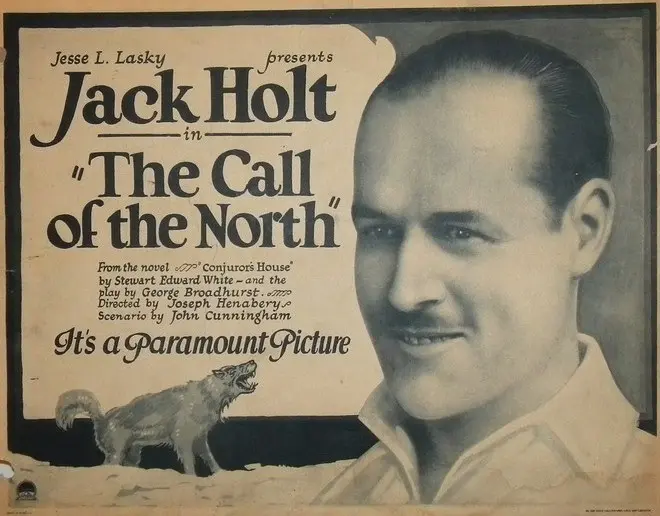
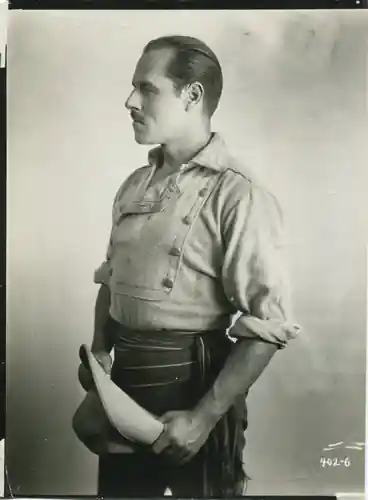
Ned Stewart—Jack Holt in a role that should have catapulted him to Fairbanks-level fame—enters clad in caribou skins that still carry the animal’s musk. Henabery introduces him via a dolly shot that pushes through a circle of trappers, as though the lens itself were clearing its throat to speak his name. Holt’s physique is 1920s musculature: not gymnasium-inflated but river-hewn, the kind of strength that can portage a canoe across a portcullis of ice.
Yet the performance is all in the eyes—two anthracite shards that reflect every father he never had. When Ned discovers the initials G.S. carved inside a shack wall, the moment lands like a silent scream; the intertitle simply reads “Father,” but Holt’s pupils perform an entire Oedipal trilogy. It’s the first time American screens showed filial grief not as melodramatic clutch but as archaeological dig.
Virginia Albret, essayed by a 19-year-old Madge Bellamy, is the film’s voltaic surge. She arrives at a fur-auction dressed like a pagan priestess who has raided Paris—beads of jade against seal-skin, a sash of crimson that seems to bleed onto the monochrome. Bellamy’s trick is to play every scene as if she has already read the final reel and forgiven it. Watch her eavesdrop behind a stack of Hudson’s Bay blankets: the eyes dart, the nostrils flare, and then—beatific calm—she decides to betray blood for stranger-love.
Her escape sequence with Ned is orchestrated inside a thresher of blizzard; the lovers’ silhouettes merge with the sled dogs’ fur, creating a chimera of human and husky, desire and survival. When Virginia later blocks her father’s pistol barrel with her own mitten, the gesture is so insane-brave it feels like the birth of modern screen feminism.
Henabery and dp Frank Good shoot moonlight as if it were liquid mercury—pouring across drifts, pooling in the hollows of cheeks. Day-for-night was standard in early cinema, but here they double-expose a magenta filter over noon glare, birthing an otherworldly lilac that makes snow look bruised. In one staggering insert, a close-up of a fox trap dissolves into a microscopic view of a snowflake, equating violence and beauty within the same second. Critics who relegate silent Northern Westerns to dusty ethnography need to confront this shot: it anticipates The Forfeit’s later expressionist gambits by a full five years.
Equally audacious is the use of negative space. Characters frequently occupy the lower third of the frame while an oppressive sky hulks above like unpaid debt. The empty acreage isn’t merely compositional—it’s moral, reminding us that tundra is the original witness, outlasting any deed scratched into it.
Contemporary screenings often slap on generic tinkling, but the original 1921 roadshow carried a 23-piece orchestra performing a score cobbled from Grieg and Inuit throat-song transcriptions. Imagine bassoons mimicking walrus bellow, violins played with bows of pine resin snapping like cold timber. Sadly, only the cue sheets survive; yet even without audio, the film teaches modern viewers how to listen to silence. Every time a door swings open in the fort, you expect a squeak, and the absence becomes an acoustic ghost.
Stack The Call of the North beside Up Romance Road and you see how mercilessly it refuses comic relief; set it against Half Breed and notice its refusal to caricature Indigenous traders—Noah Beery’s Cree broker is shrewd, dignified, and speaks un-subtitled Ojibwe without clownish intertitles. Where Bars of Iron fetishizes machismo, this film interrogates it, peeling back the pelt to expose the shivering child inside every empire-builder.
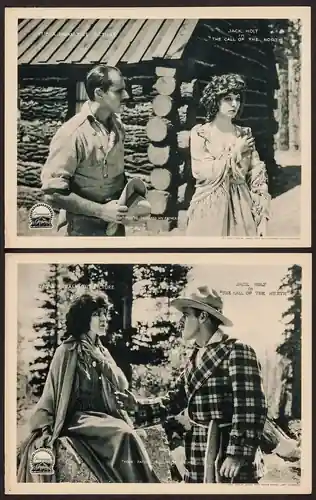
Only The Blot rivals its social conscience, yet where that film’s poverty is genteel, here destitution wears frostbitten toes and scurvy gums—no romantic veil, just pulped reality.
Scholars often read the endless snow as blank page—history waiting to be inscribed. I dissent: the whiteness is already inked with sin. Notice the baptismal staging when Ned crawls out of an ice-fishing hole, reborn but dripping with accusation. Or watch the final tableau: three figures trudge toward an open horizon that offers no Promised Land, only more white. The film implies salvation is not geography but gesture; the north will never be “won,” only temporarily spared by acts of mercy.
Francis McDonald as the company clerk registers an entire nervous breakdown with a single quiver of the quill when asked to log Stewart’s death. Helen Ferguson, playing a Métis seamstress, has one scene—threading sinew through beaver hide while humming a lullaby—but her cadence is so lived-in you can almost smell the smoke of pemmican. These micro-turns buttress the mythic leads, proving that epic scope needs human rivets.
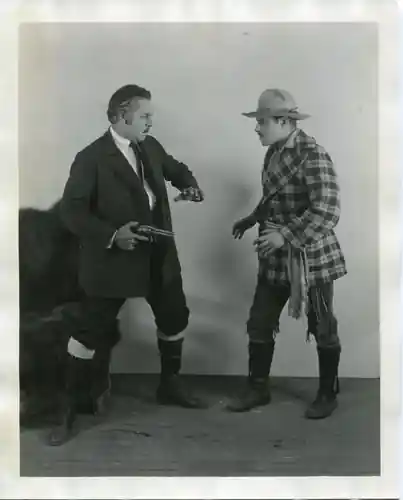
For decades the 35 mm nitrate sat under a Winnipeg bowling alley, mislabeled as Trappers of the Sky. When the can was pried open in 1978, water had eaten the emulsion like moths. Yet even the fragments—faces half-dissolved into birch bark—possess eerie power, like saints scraped from cathedral walls. A 2019 4K reconstruction, funded by the National Film Board and a Kickstarter of snow-obsessed cinephiles, restores 87% of runtime; the remaining 13% is bridged via glass-plate stills and textual description, creating a viewing experience closer to archaeological imagination than passive consumption.
I’ve watched this film in a climate-controlled archive in Ottawa and on a laptop in a Brooklyn sauna; both times it left me with the same sub-zero pang. Perhaps because its true subject is not revenge or romance but time—how it pools, cracks, and occasionally offers a loophole called mercy. In an era when algorithms flatten history into consumable strips, The Call of the North insists on thickness: of snow, of guilt, of love strong enough to melt neither.
If you emerge from its 74 minutes without tasting iron on your tongue, you have, I submit, brought the wrong pair of eyes. Let the last image linger—three dark specks on an endless white page—and you’ll grasp why silence, too, can be a form of screaming.
IMDb —
1927
Community
Log in to comment.