DbcultAccessing Vault...
Cult Review
Senior Film Conservator
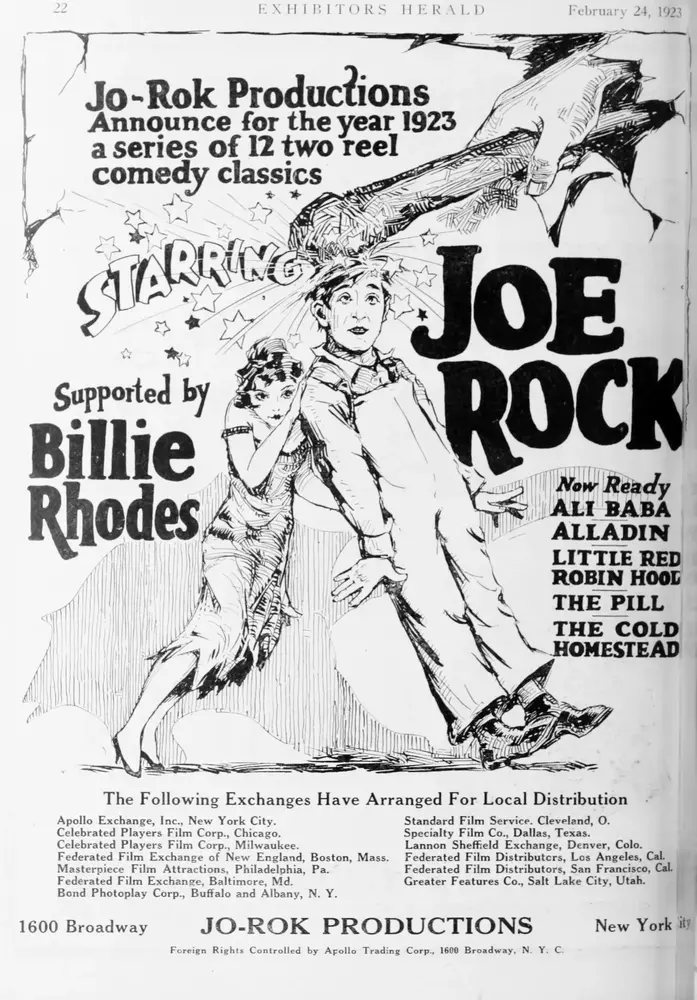
Stepping back into the embryonic years of cinema, one often encounters works that, while perhaps not monumental in their grandiosity, offer invaluable insights into the evolving landscape of storytelling and popular entertainment. "The Cold Homestead," a 1923 silent film, falls squarely into this fascinating category. Billed as a burlesque on the venerable "The Old Homestead," this picture, though likely a short, provides a delightful window into the comedic sensibilities of its time, showcasing the frantic energy and physical humor that captivated audiences a century ago. It’s a testament to the ingenuity of early filmmakers who, with limited resources and nascent techniques, managed to craft narratives that resonated with the common man, often through the lens of exaggerated parody.
The very premise of "The Cold Homestead" is rooted in a cultural touchstone: "The Old Homestead." This was a hugely popular play by Denman Thompson, first staged in the late 19th century, known for its heartwarming, often sentimental portrayal of rural life, family values, and the simple virtues of the American farm. To burlesque such a beloved institution was both a daring and shrewd move, indicating a sophisticated understanding of audience expectations and a desire to subvert them for comedic effect. This wasn't merely a straightforward adaptation; it was a playful deconstruction, a comedic mirror held up to earnestness, transforming heartfelt drama into a canvas for boisterous antics. The film leverages the audience's familiarity with the original's themes – the sanctity of home, the struggle against adversity, the power of love – only to twist them into a series of increasingly absurd, yet entirely charming, scenarios.
At the narrative's core lies the frenzied, almost desperate, endeavor of a faithful lover. His mission, imbued with both romantic zeal and a healthy dose of slapstick urgency, is to save the home of his bride-to-be from the clutches of a threatening sheriff. This simple, yet potent, conflict provides ample opportunity for the kind of physical comedy and escalating mishaps that were the bread and butter of silent-era entertainment. We can envision Max Asher, a veteran of countless comedies, throwing himself into this role with characteristic gusto. Asher, known for his robust comedic presence, would have likely embodied the frantic lover with a blend of earnestness and exaggerated clumsiness, his every gesture amplified for the camera, conveying both his deep affection and his escalating panic. His efforts, no doubt, would involve a series of near misses, improbable escapes, and ingenious, albeit often ill-conceived, schemes to outwit the villainous lawman.
The choice of a sheriff as the antagonist is also quite telling. In many early Westerns and dramas, the sheriff was often a figure of justice or a formidable adversary, as seen in films like Terror Trail or The Hard Rock Breed, where the stakes were often life and death. Here, however, the sheriff is transformed into a bureaucratic threat, a symbol of impersonal forces threatening the deeply personal sanctity of home. This transformation from a figure of gravitas to one of comedic antagonism is a hallmark of burlesque, stripping away the menace and replacing it with an almost farcical obstinacy. Frank Alexander, often cast as a heavy or a comedic foil, would have been perfectly suited to portray this 'threatening' sheriff, perhaps with a perpetually scowling face and an air of self-important bluster that the lover's antics constantly undermine.
The success of such a burlesque hinges not just on the lead, but on the interplay of the entire cast. Billie Rhodes, likely portraying the bride-to-be, would have served as the emotional anchor, her distress providing the impetus for the lover's heroic, if clumsy, deeds. Her reactions, conveyed through expressive silent film acting, would have ranged from hopeful anticipation to tearful despair, magnifying the stakes of the impending foreclosure. Joe Rock, another talented comedian of the era, would undoubtedly have contributed significantly to the film's comedic texture, perhaps as a sidekick, a rival, or another eccentric character caught in the whirlwind. His presence would add another layer of physical gags, quick reactions, and perhaps even a touch of improvisational brilliance, complementing Asher's more central, frantic performance.
Silent film comedy, particularly in its burlesque form, thrived on exaggeration. Emotions were writ large on faces, movements were grand and often acrobatic, and the narrative itself often followed a logic of escalating absurdity. One can imagine a sequence where the lover attempts to hide assets, only for them to comically reveal themselves, or a chase scene through the homestead that involves props breaking and characters tumbling in a carefully choreographed chaos. This kind of physical storytelling, devoid of dialogue, demanded a keen understanding of visual humor and precise timing. While films like His Matrimonial Moans or Hard Knocks and Love Taps showcased marital strife or broader comedic scenarios, "The Cold Homestead" narrows its focus to a singular, high-stakes domestic crisis, amplifying its comedic potential.
The early 1920s were a vibrant period for film, a time when the medium was rapidly maturing, yet still retaining a wild, experimental edge. Comedies, in particular, were immensely popular, offering audiences an escape from the burgeoning complexities of modern life. The burlesque genre, with its roots in vaudeville and popular stage parodies, found a natural home in cinema. It allowed filmmakers to tap into well-known stories and characters, providing instant recognition while simultaneously allowing for creative subversion. This self-awareness, this meta-commentary on existing cultural narratives, speaks to a surprisingly sophisticated audience. They weren't just passively consuming stories; they were in on the joke, appreciating the cleverness of the parody.
The theme of saving the homestead, while played for laughs here, also resonates with deeper anxieties of the era. The shift from agrarian to industrial society, the increasing financial pressures on farmers, and the specter of foreclosure were very real concerns for many Americans. By framing these anxieties within a comedic burlesque, "The Cold Homestead" offered a cathartic release, allowing audiences to laugh at the very things that caused them stress. This social relevance, even in a lighthearted comedy, underscores the film's ability to connect with its contemporary viewers on multiple levels. It wasn't just about silly antics; it was about ordinary people facing extraordinary, albeit exaggerated, challenges.
While "The Cold Homestead" might not possess the dramatic sweep of The Grand Passion or the rugged adventure of Fighting for Gold, its significance lies in its specific comedic niche. It represents a particular brand of early cinema that prioritized immediate, visceral entertainment, often at the expense of intricate plotting or deep character development. These films were designed to elicit laughter, to provide a momentary escape, and in that, they often succeeded admirably. The frantic pacing and clear-cut stakes in "The Cold Homestead" align with the directness seen in other early shorts, whether they be the surrealism of When the Whale Was Jonahed or the more straightforward romantic pursuits of A Girl's Desire. Each carved out its own space in the burgeoning film landscape.
The film's existence also reminds us of the sheer volume of cinematic output during the silent era, much of which is now lost or exists only in fragments. Each surviving print, no matter how humble its original intent, offers a unique fragment of history. "The Cold Homestead" serves as a historical artifact, a snapshot of early 20th-century humor and social commentary. It allows contemporary viewers, particularly film historians and enthusiasts, to appreciate the evolution of comedic timing, the visual language of silent acting, and the enduring power of parody. Unlike the more earnest endeavors of films like A Daughter of France or the more complex narratives sometimes seen in Langdon's Legacy, this film embraces its role as light entertainment, delivering its laughs with unpretentious charm.
Considering the period, the film's potential influence, however subtle, on later comedic structures cannot be overlooked. The idea of a protagonist driven to absurd lengths by external threats, the use of a beloved trope as a springboard for satire, and the reliance on visual gags to convey complex emotions are all elements that would continue to shape the trajectory of film comedy. Even if its direct lineage isn't immediately apparent in blockbusters of today, the DNA of films like "The Cold Homestead" undoubtedly contributed to the rich genetic pool of cinematic humor. It stands as a charming example of how filmmakers used the burgeoning language of cinema to entertain, to comment, and to create a shared experience of laughter, much like the broader, often more dramatic, narratives explored in films such as The Vengeance Trail or the more intricate mysteries like The Fatal Secret, each contributing their unique threads to the cinematic tapestry.
In a world increasingly saturated with information and complex narratives, there's a certain refreshing honesty to a film like "The Cold Homestead." It doesn't pretend to be more than it is: a good-natured, energetic burlesque designed to elicit chuckles and provide a brief respite from reality. The sheer dedication of the lover, the relentless pursuit of the sheriff, and the looming threat to the cherished homestead are all exaggerated for maximum comedic effect, yet they remain relatable human experiences. This balance between the universal and the absurd is precisely where its charm resides.
Whether viewed as a historical curiosity or appreciated for its intrinsic comedic value, "The Cold Homestead" offers a valuable glimpse into the foundational elements of film comedy. It showcases the raw talent of performers like Max Asher, Joe Rock, Frank Alexander, and Billie Rhodes, who, through their physicality and expressive faces, communicated entire worlds of emotion without uttering a single word. It reminds us that laughter is a timeless language, and that even the most straightforward of premises can, with a touch of ingenuity and a healthy dose of burlesque spirit, yield enduring entertainment. Much like the adventurous spirit found in Caloola, or The Adventures of a Jackeroo, or the social commentary layered within Skinny, School and Scandal, "The Cold Homestead" offers a unique lens into its cultural moment, proving that even a 'cold' homestead can be warmed by the effervescent glow of early cinematic humor.
IMDb —
1920
Community
Log in to comment.