DbcultAccessing Vault...
6/10
Senior Film Conservator
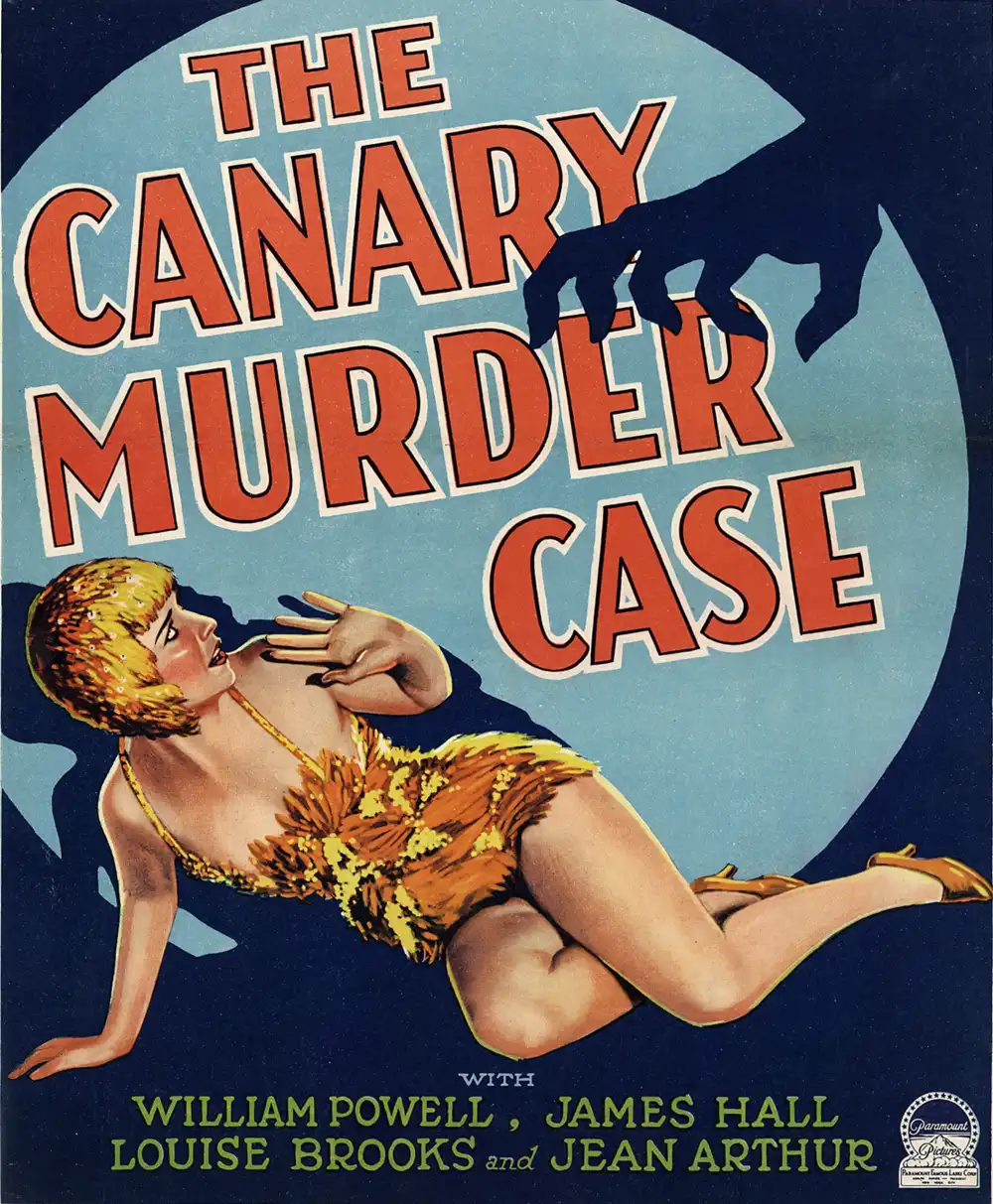
A definitive 6/10 rating for a film that redefined the boundaries of cult cinema. The Canary Murder Case remains a cornerstone of transgressive art.
Alright, so, 'The Canary Murder Case' from 1929. Is it worth tracking down today? Well, if you’re a film history buff, especially one fascinated by the dawn of sound cinema, then absolutely. You’ll find a lot to chew on here. If you’re looking for a fast-paced, edge-of-your-seat modern thriller, you might wanna look elsewhere. This one's really for those who appreciate old movies for what they are, sometimes flaws and all.
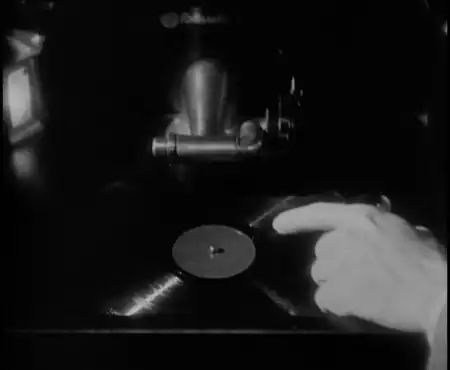
The whole thing feels like a strange peek into a past that isn't quite ready for primetime. The sound, for one, it's just *so* 1929. There are these moments where the audio cuts out, or it's muffled, then suddenly loud again. You really get a sense of the tech still finding its feet, you know? It’s not smooth at all, but that’s part of the charm, honestly.
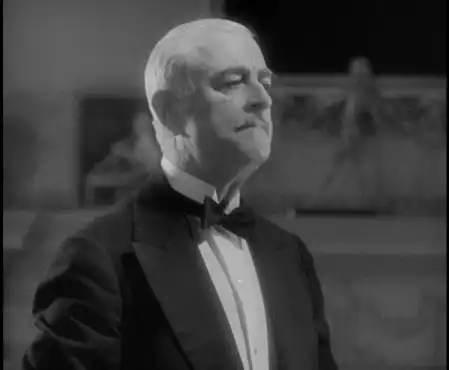
The story itself is a pretty standard 'who done it' for the era. A flashy nightclub singer, 'the Canary,' turns up dead. Turns out she was blackmailing everyone and their mother. So, there are suspects galore, all looking shifty. It’s a good setup.
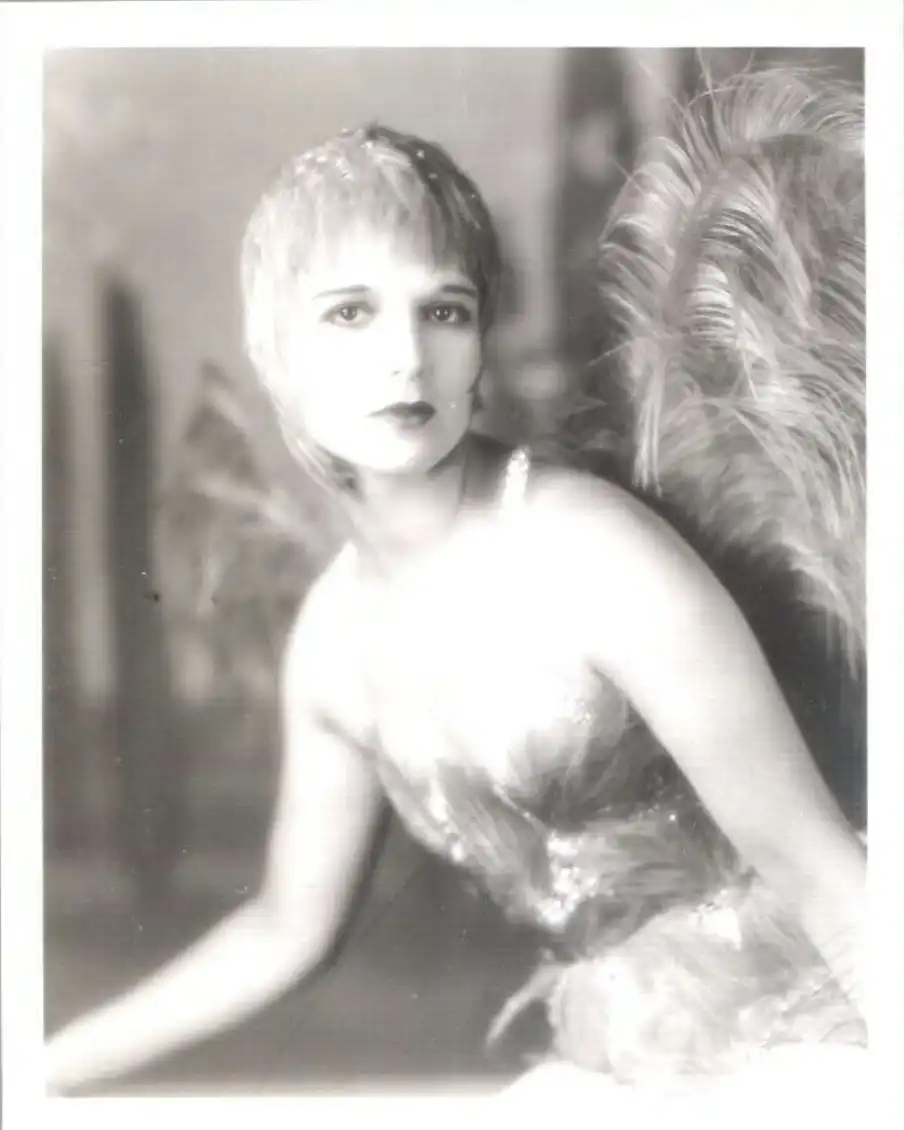
But the real draw here, for many, is seeing Louise Brooks. She's iconic for a reason, right? Even if she only appears in flashbacks and as a corpse for most of it. But here’s the thing: she famously refused to record her voice. So, they dubbed her. And it's… *really* obvious. Her lips move, but the voice coming out, it’s just not *her*. It sounds a bit like Betty Boop, actually. It creates this weird, almost unsettling disconnect from her incredible screen presence. You can almost feel the movie trying to make it work, but it just can't quite.
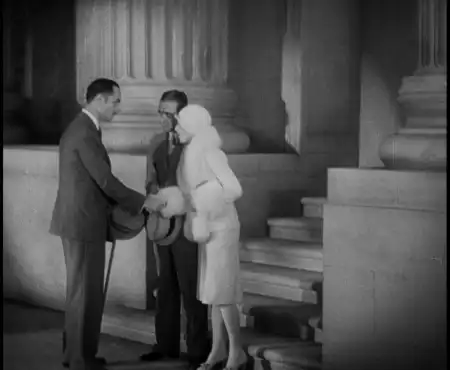
Then there’s William Powell as Detective Philo Vance. He just glides through the whole thing. He's so effortlessly cool and smart. You can see why he played this character so many times. His mannerisms are just spot on. He delivers these long speeches about human psychology and motives, and you just kinda believe him.
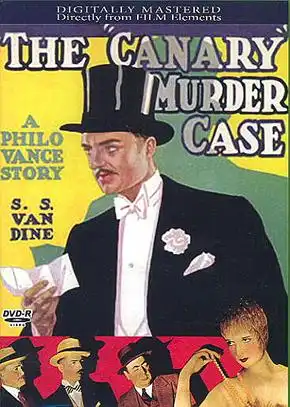
The pacing, yeah, it's slow. Lots of talking, not a lot of frantic action. People often just stand around, delivering lines with a bit too much emphasis, like they're still performing for a silent film audience. The camera stays pretty still, too. Like it's bolted to the floor. But that’s what these early talkies were like. They were figuring it out.
I found myself really paying attention to the smaller characters, too. Like Eugene Pallette, as the police sergeant. He’s always just a little bit fed up, a little bit grumpy. He’s the relatable one in a room full of theatrics. He's like, 'Can we just get on with this?' He grounds the whole thing, somehow.
One scene, early on, where they find the body, it goes on for a bit. The camera just kinda sits there. You get a real feel for the *gravity* of the situation, but also, you can feel the technology holding things back from being more dynamic. It's a strange balance.
The mystery itself, it holds up okay. You'll probably figure it out before Vance does, but that's not really the point. The fun is watching Vance work, watching the early movie-making process, and getting to see these legendary actors try to navigate this new world of sound.
It's an interesting artifact, really. A snapshot of a moment when movies were changing fast. It’s clunky sometimes, sure, but it’s still a very important watch for understanding where cinema came from. Don't expect perfection, expect a wild ride through film history instead. And that Louise Brooks dubbing? You really have to hear it to believe it. 🤫
IMDb —
1919
Community
Log in to comment.