DbcultAccessing Vault...
Cult Review
Senior Film Conservator
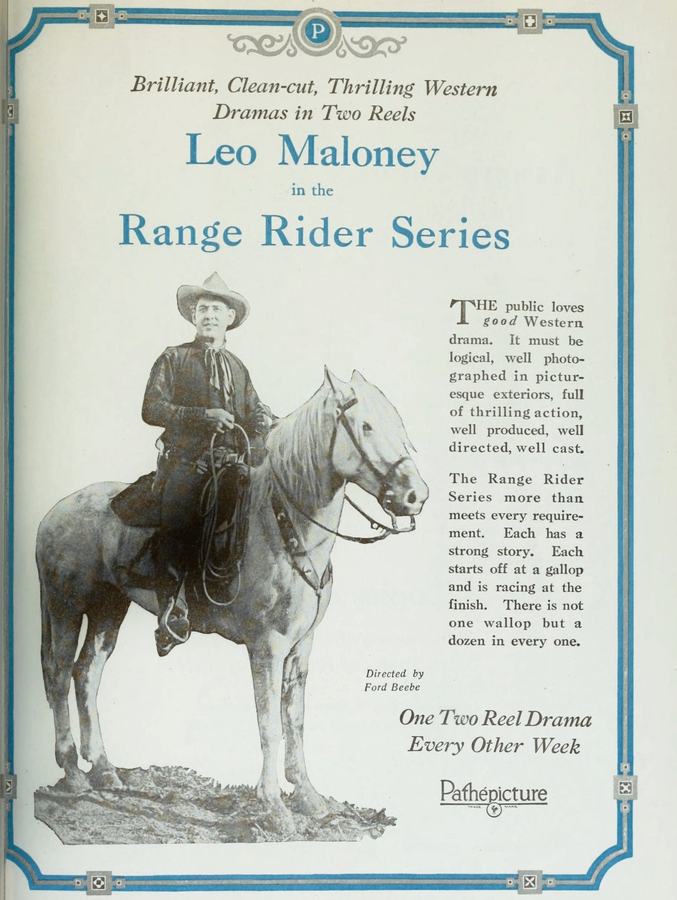
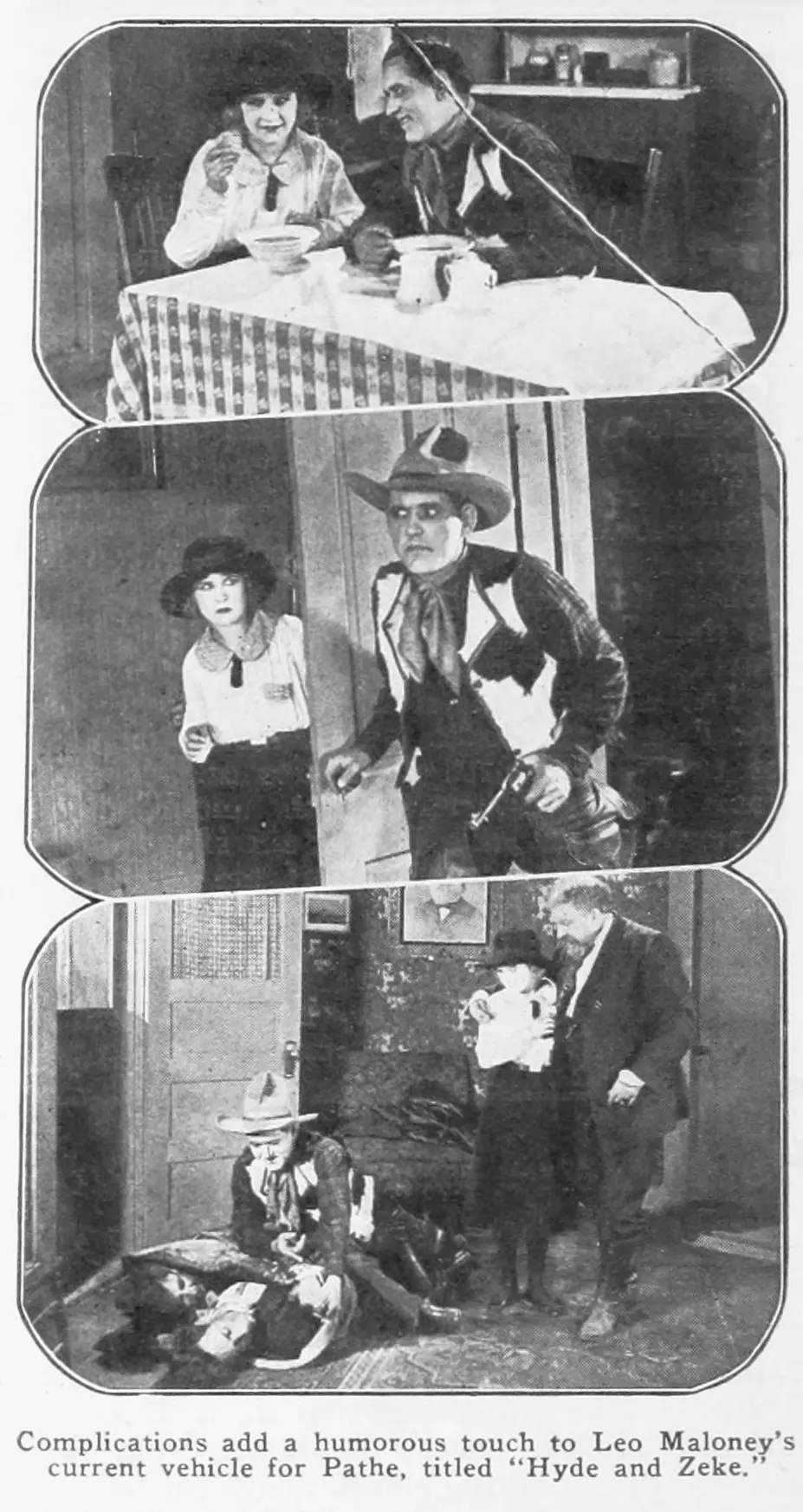
Stepping back into the cinematic past, specifically the bustling landscape of 1920, one encounters Hyde and Zeke, a silent Western that, despite its seemingly simple premise, offers a fascinating glimpse into the narrative conventions and societal mores of its era. This isn't merely a quaint relic; it's a vibrant testament to the power of early filmmaking to capture universal themes—love, defiance, and the pursuit of individual happiness against the backdrop of patriarchal authority. The film, co-written by Leo D. Maloney, who also takes on a starring role, along with Ford Beebe, crafts a narrative that is both archetypal and charmingly specific, inviting us to delve into a world where a father's will is law, until love finds a way to subvert it.
At the heart of Hyde and Zeke lies a classic conflict: the stern hand of tradition versus the blossoming of genuine affection. Lafe Hyde, portrayed with a formidable, unyielding presence by Lafe McKee, is the quintessential patriarch, convinced of his right to orchestrate his daughter Ruth's future. His chosen suitor, Job Larabee, represents not necessarily villainy, but rather an obstacle—a symbol of the arranged marriages and social expectations that frequently constrained young women in that period. Ruth, brought to life by the expressive Josephine Hill, is no passive participant in her own fate. Her heart, however, belongs to Zeke Enright, played with earnest charm by Leo D. Maloney. Their mutual affection forms the emotional core of the film, providing the impetus for the subsequent intricate dance of avoidance and pursuit.
The initial act of defiance sees Zeke, rather than directly confronting Lafe, electing for a strategic retreat. He assumes the role of caretaker at a neighboring ranch, a move that subtly shifts the power dynamics. This isn't a flight of cowardice, but a tactical withdrawal, allowing circumstances to unfold naturally, or so he hopes. The irony, of course, is that Ruth, seeking solace from her father's relentless pressure, unknowingly gravitates towards this very ranch. She perceives it as a sanctuary, an unoccupied haven where she can gather her thoughts and perhaps even hatch a plan for her future. This serendipitous convergence sets the stage for the film's central complications, a testament to the writers' ability to weave fate and human intention into a compelling, if somewhat predictable, tapestry.
The narrative truly ignites when Job Larabee, armed with the knowledge of Ruth's retreat, decides to pursue her. His presence transforms the ostensibly peaceful ranch into a crucible of conflicting desires and comic misunderstandings. This is where the film's titular 'mix-up' begins to manifest, a series of near-misses, mistaken identities, and frantic maneuvers designed to keep the lovers apart, or perhaps, inadvertently, to bring them closer. The silent film medium, with its reliance on visual storytelling, physical comedy, and exaggerated expressions, is particularly adept at handling such farcical elements. One can imagine the elaborate pantomime of characters hiding behind furniture, narrowly avoiding detection, or misinterpreting the actions of others, all building towards a crescendo of delightful chaos.
The genius of such a plot lies in its ability to generate tension and humor simultaneously. The audience is privy to information that the characters are not, creating an enjoyable dramatic irony. We root for Ruth and Zeke, hoping their clandestine meetings will remain undiscovered, while simultaneously anticipating the inevitable collisions that will lead to the grand reveal. This structural approach, common in many silent comedies and melodramas, creates a sense of engagement that transcends the lack of spoken dialogue. Films like Traps and Tangles or even the more dramatic Tangled Threads often leveraged similar narrative devices, demonstrating a prevalent fascination with complex, interwoven plots that ultimately unravel to a satisfying conclusion.
Leo D. Maloney, a prolific figure in early Westerns, brings a characteristic blend of ruggedness and romantic vulnerability to Zeke Enright. His portrayal likely emphasizes the quiet strength and determination that would appeal to a woman like Ruth, while also conveying the youthful impetuosity required to challenge an older, established authority figure. Josephine Hill, as Ruth, would have been tasked with conveying a wide range of emotions through facial expressions and body language—from initial defiance to hopeful romance, and then to the anxiety of being pursued. Her performance is critical in grounding the emotional reality of the story amidst the comedic antics. Lafe McKee, as Lafe Hyde, is perfectly cast as the immovable object, his stern demeanor providing the necessary narrative friction. His eventual softening, or perhaps resignation, would be a key moment in the film's resolution, signaling the triumph of love over familial pressure.
The dynamic between these three principal actors forms the backbone of Hyde and Zeke. While the plot is driven by external events, the internal struggles and desires of the characters are what imbue the film with its lasting appeal. The silent era demanded a particular kind of performer, one capable of communicating complex emotions without dialogue, relying instead on gesture, gaze, and posture. In this regard, Maloney, Hill, and McKee would have been masters of their craft, using their expressive capabilities to bridge the gap between screen and audience. This era of filmmaking often showcased raw, unadulterated talent in conveying human emotion, a skill that sometimes feels muted in today's dialogue-heavy productions. Comparing this to the more overtly dramatic roles in films like A Woman's Fool, one can appreciate the nuanced performance required to navigate both comedic and romantic beats simultaneously.
The Western genre, even in its nascent stages, was more than just cowboys and horses; it was a canvas for exploring themes of freedom, individualism, and the establishment of new social orders. In Hyde and Zeke, the ranch setting isn't merely a convenient location; it's symbolic. It represents a liminal space—a place of temporary refuge and potential new beginnings, away from the rigid structures of the main homestead. The vast, open landscapes inherent to the Western genre often mirror the emotional expansiveness of the characters' desires for liberty and self-determination. The 'mix-up' itself feels more natural in a frontier setting, where communication might be less immediate and misunderstandings more plausible, adding a layer of authenticity to the comedic chaos.
The rugged aesthetic of the Western also lends itself well to the visual storytelling of silent film. The sweeping vistas, the dynamic action sequences (even if they are domestic chases rather than gunfights), and the iconic imagery of horses and dusty trails all contribute to a powerful sensory experience without the need for sound. This visual richness is a hallmark of the genre, seen in contemporaries like The Gray Ghost, which, while perhaps more action-oriented, similarly leveraged the visual power of the Western landscape. The genre's tropes—the strong-willed heroine, the determined hero, the imposing antagonist—are all present and accounted for, forming a familiar yet engaging framework for the romantic comedy at its core.
The dual authorship of Ford Beebe and Leo D. Maloney is particularly intriguing. Beebe, known for his prolific output across various genres, often brought a straightforward, efficient approach to storytelling. Maloney, with his hands-on experience as an actor and director in countless Westerns, would have infused the script with an authentic understanding of the genre's mechanics and audience expectations. Together, they crafted a narrative that, while adhering to established tropes, manages to feel fresh through its execution. The plot, initially driven by external conflict (Lafe Hyde's decree), cleverly evolves into a character-driven farce, where the decisions and reactions of Ruth, Zeke, and Job propel the story forward. This blend of external and internal drivers is a hallmark of well-constructed narratives, ensuring that the audience remains invested in both the 'what happens next' and the 'how do they feel about it.'
The simplicity of the plot description belies the potential for intricate character interactions and comedic timing, which would have been carefully mapped out in the scenario. Silent film writers had to think visually, anticipating every gesture, every intertitle, every reaction shot. The success of a film like Hyde and Zeke rests heavily on the clarity and ingenuity of its script, ensuring that even without spoken words, the audience could follow the emotional arc and comedic beats. This form of storytelling, where every visual cue is paramount, is a testament to the sophisticated understanding of narrative structure that early filmmakers possessed. One could draw parallels to the tight comedic timing often found in films like High Speed, where the plot similarly hinges on a series of escalating events and physical comedy.
The resolution, 'everything ending well for the lovers,' is not a weakness but a strength of this type of film. In an era often marked by societal upheaval and rapid change, audiences frequently sought escapism and reassurance in their entertainment. The triumphant union of Ruth and Zeke offers precisely that—a reaffirmation of love's power to overcome obstacles, a comforting narrative that good triumphs and deserving hearts find their match. This predictable, yet deeply satisfying, conclusion is a staple of romantic comedies across all eras, from Shakespearean plays to modern blockbusters. It speaks to a fundamental human desire for harmony and justice, particularly in matters of the heart.
The 'general mix-up' serves as a cathartic journey, allowing the characters (and by extension, the audience) to experience the full spectrum of anxiety, humor, and hope before arriving at the inevitable happy ending. It's a journey that, despite its simplicity, resonates deeply. The film, in its quiet way, champions individual autonomy and the right to choose one's partner, a theme that remains profoundly relevant. While not as grand in scope as The Count of Monte Cristo, which explores themes of justice and revenge on an epic scale, Hyde and Zeke offers a microcosm of human struggle and triumph, proving that even the most intimate conflicts can yield universally understood drama and joy. Its charm lies in its unpretentious delivery of a timeless message, wrapped in the familiar and comforting aesthetics of the early Western.
Ultimately, Hyde and Zeke stands as more than just a forgotten film from a bygone era. It's a valuable piece of cinematic history, demonstrating the robust storytelling capabilities of silent film. It showcases how directors and writers, working within the constraints of the medium, could evoke laughter, tension, and genuine emotion. The film's reliance on visual narrative, strong character archetypes, and a clear, satisfying plot arc makes it an accessible and enjoyable experience even for modern viewers willing to engage with the unique artistry of silent cinema.
It reminds us that the core elements of compelling storytelling—character, conflict, and resolution—are timeless, transcending technological advancements. The simplicity of its title belies a narrative rich with human foibles and aspirations, making it a delightful discovery for anyone interested in the foundational works of American cinema. Films like Hearts and Flowers and Johanna Enlists similarly capture the spirit of their time through engaging, character-driven plots. Hyde and Zeke, with its spirited romance and frontier setting, offers a charming window into the heart of early 20th-century entertainment, proving that a simple tale, well-told, can leave a lasting impression.
Its legacy, though perhaps not as widely celebrated as some of its contemporaries, lies in its contribution to the evolving language of film. It's a reminder that even in seemingly straightforward narratives, there are layers of cultural insight, artistic intention, and pure entertainment value waiting to be rediscovered. For those who appreciate the foundational building blocks of cinematic storytelling and the unique charm of the silent era, Hyde and Zeke is a journey well worth taking, a delightful testament to love's enduring power in a world striving for change.
IMDb 4.9
1928
Community
Log in to comment.