DbcultAccessing Vault...
Cult Review
Senior Film Conservator
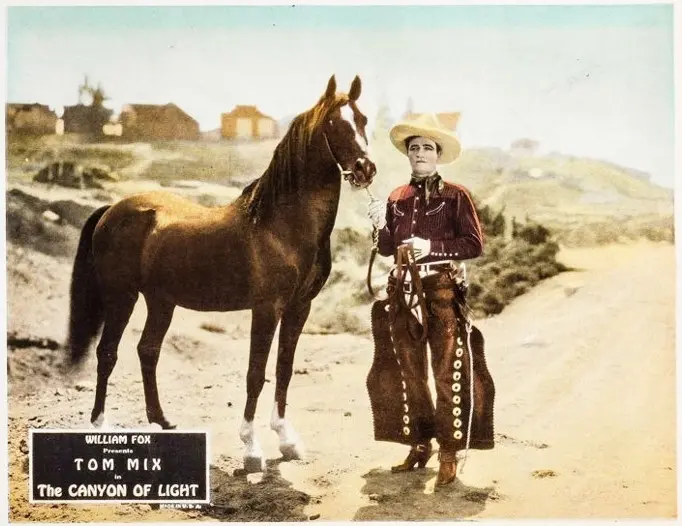
Is The Canyon of Light a must-watch for modern cinema fans? Short answer: yes, but only if you value the raw, physical spectacle of the silent era over the psychological nuance of contemporary dramas.
This film is specifically for those who enjoy the historical roots of the action genre and the charismatic presence of early Hollywood icons. It is most certainly not for viewers who cannot tolerate the melodramatic pacing and static theatricality common in mid-1920s filmmaking.
1) This film works because: Tom Mix and his horse, Tony, perform genuine, high-risk stunts that provide a visceral thrill which modern CGI simply cannot replicate.
2) This film fails because: The central plot device of identity theft—where a villain poses as the protagonist—requires a massive suspension of disbelief that the script doesn't fully earn.
3) You should watch it if: You want to see the exact moment when the Western transitioned from a morality play into a stunt-driven blockbuster.
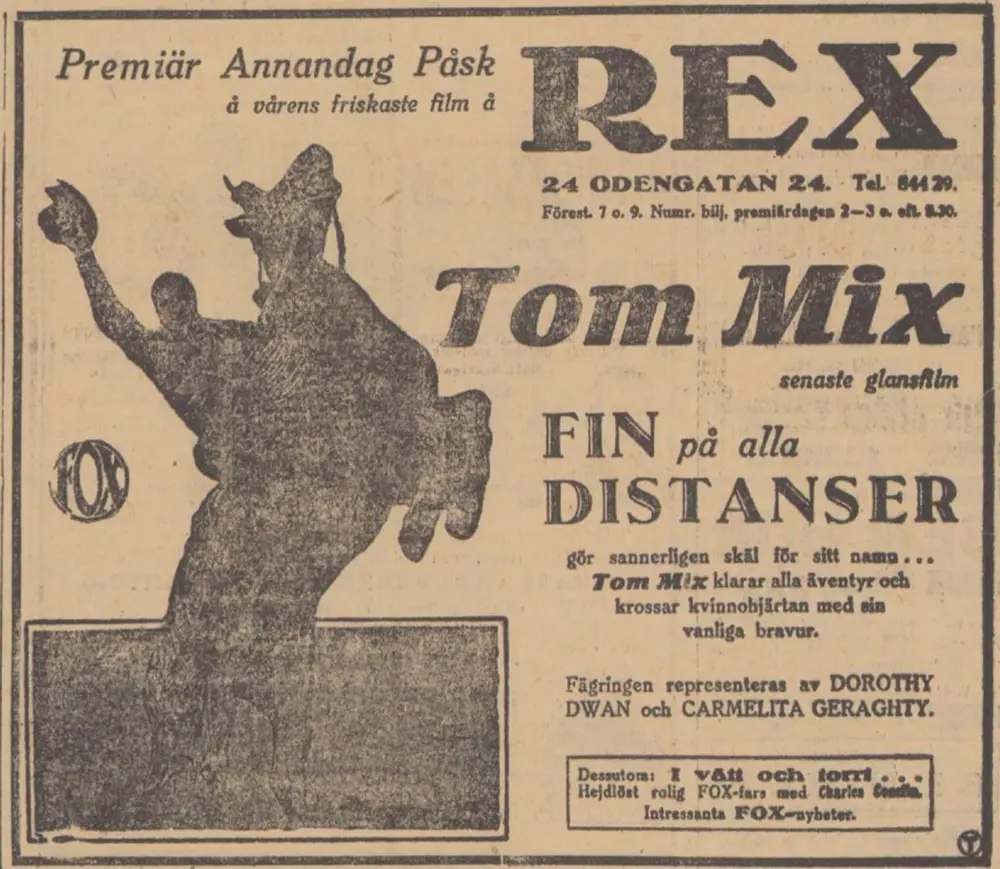
The premise of The Canyon of Light is surprisingly modern. While we often associate identity theft with the digital age, this 1926 production uses it as a gritty engine for conflict. Tom Mills (Tom Mix) arrives at the Deane ranch only to find his own reputation being dragged through the mud by Ed Bardin (Carl Miller). Bardin isn't just a common thief; he is a parasite. He has stolen Mills's name to provide cover for his banditry. This creates a fascinating tension. The hero isn't just fighting for justice; he’s fighting for his very existence in the eyes of the community.
Consider the scene where Mills first realizes the extent of Bardin’s deception. The look of quiet fury on Mix's face is a departure from his usual jovial persona. It’s a moment of grounded realism in a film that otherwise leans heavily into spectacle. This isn't just a Western; it's a proto-noir where the shadow of the hero is more dangerous than the hero himself.
Mix was never a master of the internal monologue. He didn't need to be. His body was his instrument. In The Canyon of Light, the physical performance is the primary text. When Mills engages in the rodeo sequence, the camera lingers on Mix’s actual movements. There are no body doubles here. This transparency creates a level of trust with the audience that modern action stars often struggle to achieve. Compared to the more somber tone of The Vanishing American, Mix’s work here is pure entertainment, designed to keep the pulse racing.
The chemistry between Mix and Tony the Horse is not a gimmick. It is the heart of the film. In the river rescue sequence, Tony isn't just a prop; he is a co-star with more agency than half the human cast. The way Tony navigates the rocky terrain during the cliff-riding scene is a testament to the specialized training and bond that defined Mix's career. It’s impressive. It’s dangerous. It works.
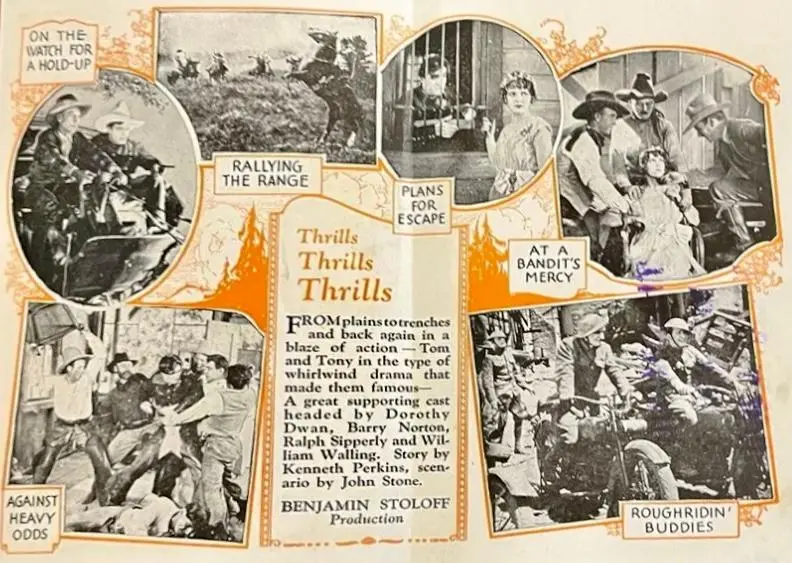
Director Benjamin Stoloff, though not often cited among the giants of the era, shows a keen eye for geography. The eponymous canyon isn't just a backdrop; it’s a character. The cinematography utilizes the natural light of the Mexican border to create high-contrast visuals that emphasize the isolation of the characters. The stagecoach holdup is a masterclass in silent editing. The cuts between the galloping horses and the desperate faces of the passengers create a frantic energy that feels surprisingly contemporary.
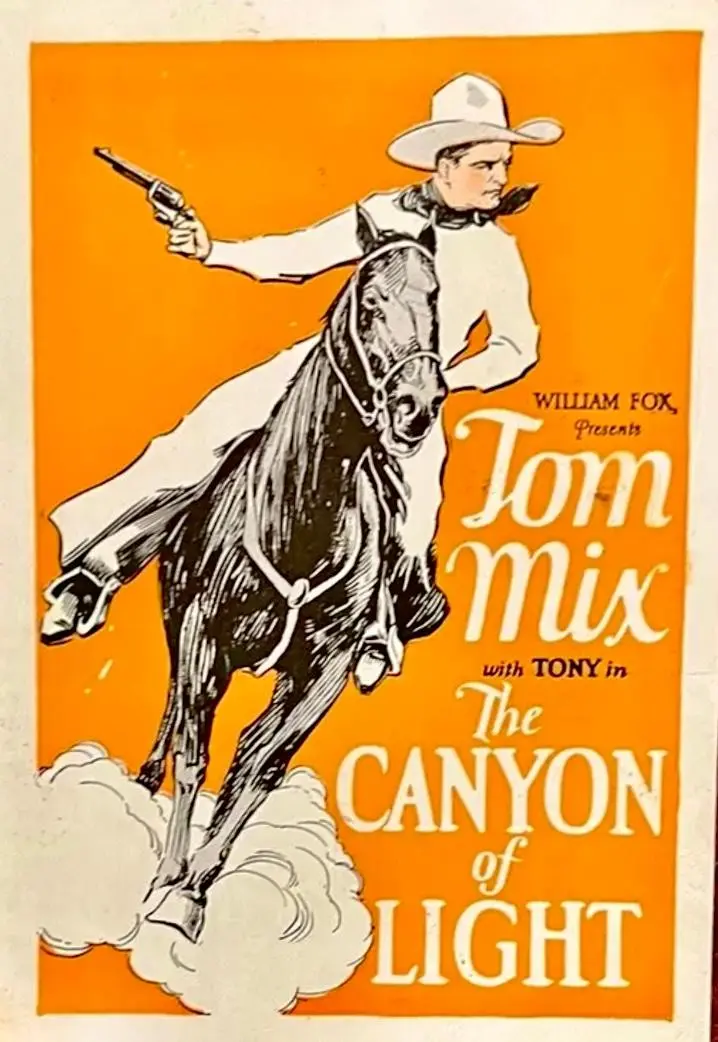
However, the pacing is uneven. The transition from the war scenes in France to the borderlands is jarring. The film spends too much time on the rodeo subplot, which, while entertaining, stalls the momentum of the Bardin confrontation. It feels like the writers—Kenneth Perkins and John Stone—were trying to check every "Tom Mix Movie" box rather than following the natural flow of the story. It’s a bit messy. But it’s never boring.
Question: Does The Canyon of Light offer anything to a modern viewer beyond historical curiosity?
The answer is a resounding yes for fans of stunt work and physical storytelling. While the plot is dated, the execution of the action sequences remains world-class. It provides a raw look at the origins of the American action hero. If you can appreciate the craft of a practical stunt, this film is a goldmine.
Pros:
- Breathtaking practical stunt work that puts modern CGI to shame.
- A strong, charismatic lead performance by Tom Mix.
- Tony the Horse proves why he was the most famous animal in Hollywood.
- High-contrast cinematography that makes the most of the rugged landscape.
Cons:
- The secondary characters, particularly Dorothy Dwan’s Concha, are underwritten.
- The "stolen identity" plot requires the characters to be remarkably unobservant.
- The tonal shift from the WWI prologue to the Western setting is clunky.
When placed alongside other films of the mid-20s, such as Bring Him In or The Call of the Cumberlands, The Canyon of Light stands out for its sheer kineticism. While Bring Him In focuses more on the procedural elements of the law, Mix’s film is about the law of the fist and the saddle. It’s a more visceral experience. It lacks the social weight of The Vanishing American, but it makes up for it with pure, unadulterated showmanship.
The use of the Mexican border as a setting is also worth noting. In 1926, this was a frontier that still lived in the public imagination as a lawless zone. The film exploits this brilliantly. It uses the geography to isolate the hero, making his eventual victory feel earned rather than inevitable. The cliff riding sequence, in particular, uses the verticality of the landscape to create a sense of scale that smaller, studio-bound films like Faith couldn't hope to match.
Every great Western needs a great villain. Carl Miller’s Ed Bardin is... adequate. He plays the role with a sneer that is a bit too theatrical even for the silent era. The real failure is in the writing. The film asks us to believe that Bardin could successfully impersonate Mills despite having a completely different physical build and demeanor. It’s a glaring plot hole. However, the film moves so fast that you barely have time to register the absurdity before the next stagecoach chase begins.
The betrayal of his wife is treated with a surprising amount of gravity for a 1920s actioner. It adds a layer of domestic tragedy to the proceedings that elevates the stakes. Mills isn't just stopping a thief; he’s purging a moral rot from his friend’s family. This gives the final showdown a sense of catharsis that is often missing from more generic Westerns of the time.
The Canyon of Light is a fascinating artifact of a time when movie stars were expected to be athletes first and actors second. It is a film of high peaks and low valleys. The stunts are peaks; the logic is a valley. But in the world of Tom Mix, logic was never the point. The point was the thrill of the chase, the bond between man and horse, and the triumph of the rugged individual over the deceptive coward.
It isn't a masterpiece of narrative construction. It is, however, a masterpiece of physical performance. The film is a hammer. It’s direct, it’s heavy, and it hits exactly where it’s supposed to. If you are looking for a window into the soul of 1920s American cinema, you could do far worse than this canyon. It’s flawed. It’s loud (in spirit). And it’s undeniably fun.
IMDb —
1916
Community
Log in to comment.