DbcultAccessing Vault...
7.1/10
Senior Film Conservator
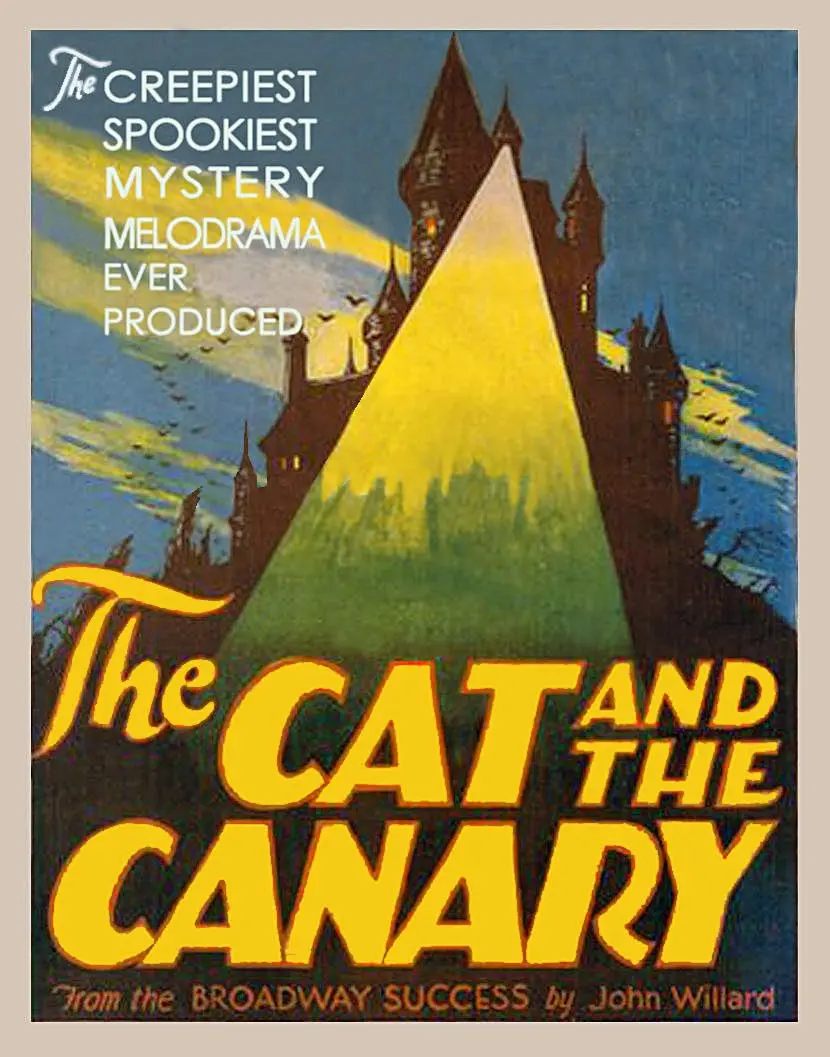
A definitive 7.1/10 rating for a film that redefined the boundaries of cult cinema. The Cat and the Canary remains a cornerstone of transgressive art.
Is Paul Leni's 1927 silent classic, The Cat and the Canary, worth watching today? Short answer: yes, but with a few crucial caveats that define its unique appeal and its occasional missteps for modern audiences. This film is an essential piece of cinematic history, a foundational text for the horror-comedy genre, and a masterclass in atmospheric filmmaking, yet its pacing and some comedic sensibilities will undoubtedly test the patience of viewers accustomed to contemporary narrative rhythms.
It is a must-see for silent film enthusiasts, students of horror history, and those who appreciate the artistry of German Expressionism translated to Hollywood. However, it is decidedly not for viewers seeking jump scares every five minutes, complex character development, or dialogue-driven plots. If you struggle with the slower pace of early cinema or find pantomime humor grating, this might be a challenging watch.
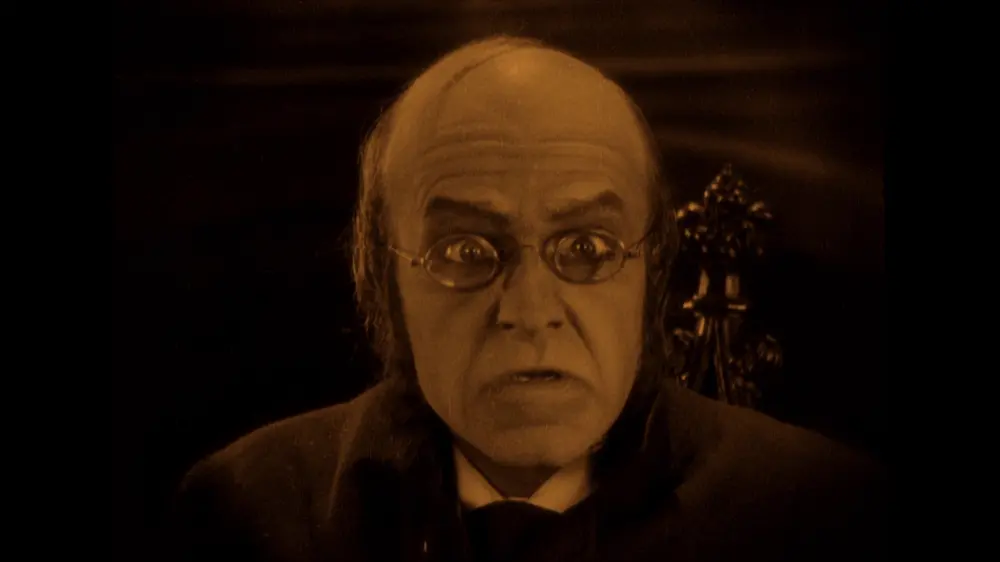
The Cat and the Canary, based on John Willard's popular stage play, plunges us into the quintessential gothic setting: a sprawling, decaying mansion on a stormy night, inhabited by a collection of eccentric, greedy relatives. The premise is simple, yet timeless: the reading of a will, the promise of a vast fortune, and the stipulation that the heir must be deemed sane. This setup immediately ignites a powder keg of suspicion and fear, perfectly ripe for Leni's visual genius.
This film works because of its groundbreaking blend of genuine horror and broad comedy, a tightrope walk that few films had dared to attempt with such conviction before. Leni, fresh from the artistic intensity of Weimar Germany, brings an unparalleled visual flair to the proceedings, transforming what could have been a simple stage adaptation into a dynamic, unsettling cinematic experience. The way he manipulates shadows and angles turns the very architecture of the West mansion into a character, a looming, oppressive presence that feels alive.
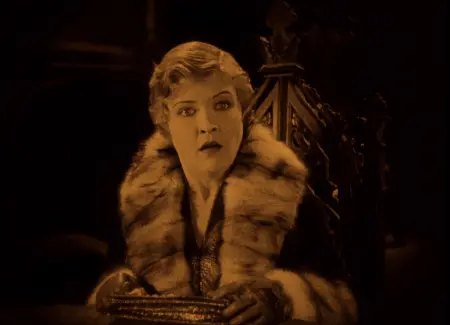
This film fails because some of its comedic beats, while innovative for their time, have not aged with the same grace as its horror elements. The exaggerated reactions and physical gags, particularly those involving the 'hero' Paul Jones (Creighton Hale), occasionally undermine the carefully constructed atmosphere of dread rather than providing effective counterpoint. What felt fresh and subversive in 1927 can, at times, feel quaint or even distracting today, momentarily pulling the viewer out of the immersive, spooky world Leni so brilliantly crafts.
You should watch it if you are fascinated by the evolution of film genres, particularly the nascent stages of horror and the birth of the horror-comedy hybrid. It's a foundational text that shows how visual storytelling alone can evoke profound fear and laughter, setting a template that countless films, from Lazybones to modern blockbusters, would later echo.
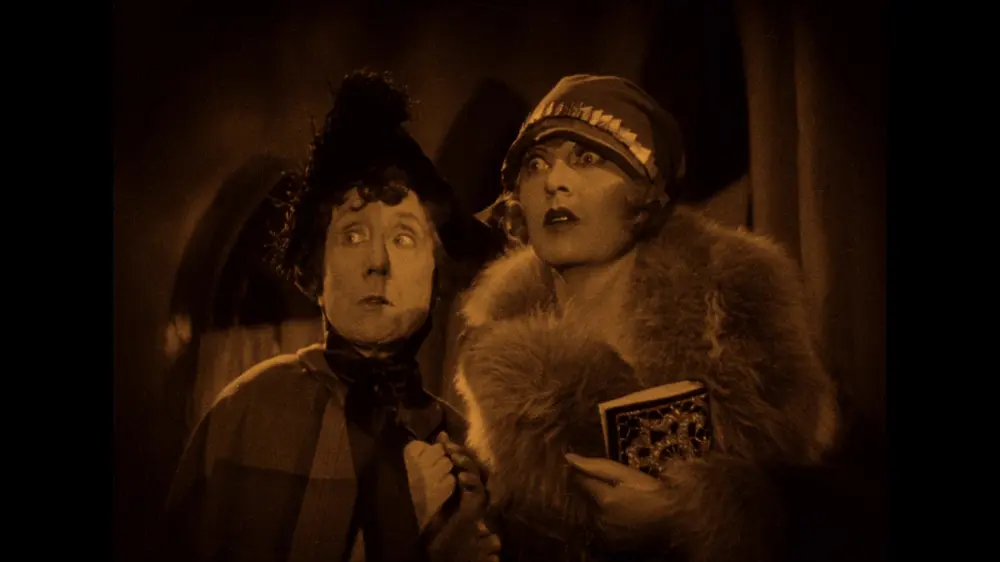
Paul Leni’s direction is, without question, the film’s strongest asset. Having honed his craft in German Expressionism, Leni infused The Cat and the Canary with a visual vocabulary that was revolutionary for Hollywood. He understood that horror isn't just about what you see, but what you don't see, and how the environment itself can manifest psychological states. His use of deep shadows, distorted perspectives, and fluid camera movements transforms the old mansion from a mere backdrop into a labyrinth of psychological torment.
Consider the iconic shots of the mansion's interiors: looming staircases that seem to stretch into infinity, hallways bathed in an oppressive gloom, and the subtle, unsettling shifts in perspective that make every corner feel suspicious. Leni’s camera doesn't just observe; it actively participates in the suspense. For instance, the famous swinging lamp sequence, where the light casts dancing shadows across Annabelle's terrified face, perfectly encapsulates Leni's genius for creating unease through purely visual means. It’s a moment of simple, yet profoundly effective, cinematic terror that relies entirely on light, shadow, and the protagonist’s reaction.
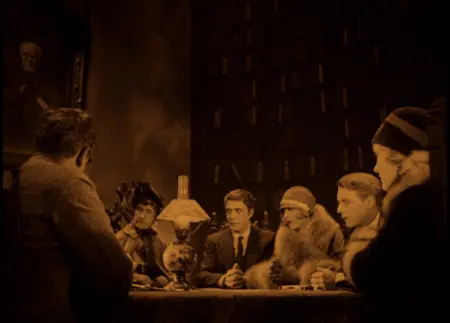
He employs techniques like superimposition and double exposure to convey the characters' paranoia and the ghostly presence that seems to permeate the house. When Annabelle (Laura La Plante) imagines the portraits of her ancestors coming to life, it’s not merely a cheap scare; it’s a brilliant visual representation of her escalating mental fragility under pressure. This is where Leni truly excels – in externalizing internal psychological states through the very fabric of the film's visual design. His work here feels less like a simple adaptation and more like a painter bringing a macabre canvas to life.
This approach was a stark contrast to many American films of the era, which often relied on more theatrical staging. Leni broke free, pushing the boundaries of what a silent film could achieve in terms of atmosphere and psychological depth. His influence on subsequent horror directors is undeniable, paving the way for the Universal horror cycle that would soon follow. One could argue that without Leni’s audacious visual risks, the landscape of Hollywood horror would look vastly different.
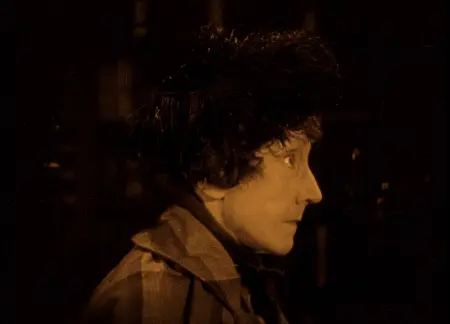
The ensemble cast of The Cat and the Canary, while operating within the conventions of silent film acting, delivers performances that are both engaging and, at times, delightfully over-the-top. Laura La Plante, as Annabelle West, the designated heiress, is the emotional anchor of the film. Her portrayal of escalating terror is genuinely compelling. Her wide, expressive eyes and physical reactions to the mansion's horrors are incredibly effective, making her a sympathetic and believable victim.
La Plante embodies the 'canary' of the title, a fragile figure trapped in a predatory environment. Her performance, while occasionally veering into the melodramatic, is precisely what the genre and the period demanded. She manages to convey profound fear and vulnerability without uttering a single word, a testament to her skill as a silent film actress. Her moments of sheer panic, like when she's convinced she sees a hand reaching for her, are still capable of eliciting a gasp.
Creighton Hale, as Paul Jones, provides the majority of the film's comedic relief. His character is a bumbling, nervous wreck, prone to fainting and exaggerated gestures of fear. While his performance is undeniably broad, it serves Leni's intention to balance the horror with humor. Some viewers might find his antics a bit much, but his comedic timing, especially in contrast to La Plante's genuine distress, is a crucial part of the film's unique tone. He's the audience's surrogate, reacting with an almost cartoonish terror to the ominous goings-on.
The supporting cast, a gallery of suspicious relatives, each vying for the inheritance, adds layers of intrigue and suspicion. From the conniving doctor to the haughty aunt, each character is a caricature of greed and self
IMDb —
1916
Community
Log in to comment.