DbcultAccessing Vault...
5.8/10
Senior Film Conservator
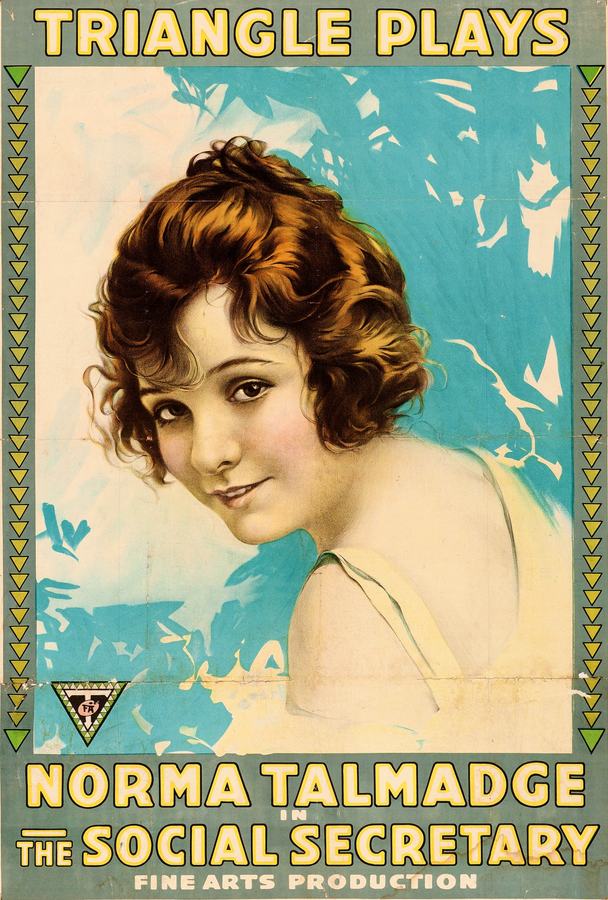
A definitive 5.8/10 rating for a film that redefined the boundaries of cult cinema. The Social Secretary remains a cornerstone of transgressive art.
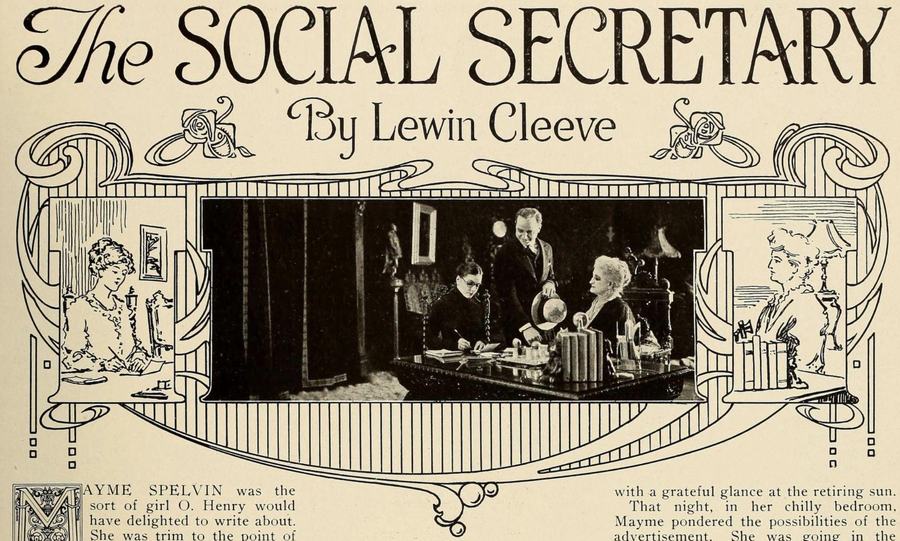
Step into the flickering glow of the early 20th century, a time when cinema was finding its voice, or rather, its visual language. Among the constellation of stars that illuminated this nascent art form, Norma Talmadge shone with a particular brilliance. Her filmography is a treasure trove, and 'The Social Secretary' (1916), directed by John Emerson and written by Emerson and the incomparable Anita Loos, stands out as a delightful, surprisingly insightful gem. It’s a film that, despite its age, resonates with contemporary themes of identity, perception, and the often-absurd expectations placed upon women in the professional sphere. This isn't just a historical curiosity; it's a vibrant, witty commentary wrapped in the charming package of silent-era comedy.
At its heart, 'The Social Secretary' presents a premise that is both simple and profoundly effective: a young, exceptionally attractive woman, Maybelle Rose (Norma Talmadge), finds her beauty to be more of a hindrance than a help in her pursuit of a respectable career. She’s tired of being objectified, of having her professional capabilities overshadowed by her physical appearance. This is a struggle that, even in 2024, feels disarmingly familiar. So, Maybelle orchestrates a radical transformation, intentionally making herself plain, even dowdy, adopting thick-rimmed glasses, an unassuming wardrobe, and a severe hairstyle. She seeks to become invisible, to be judged solely on her merits rather than her allure. This act of self-effacement, however, unleashes a cascade of unintended consequences, both comedic and romantic, forcing her to confront the very perceptions she sought to manipulate.
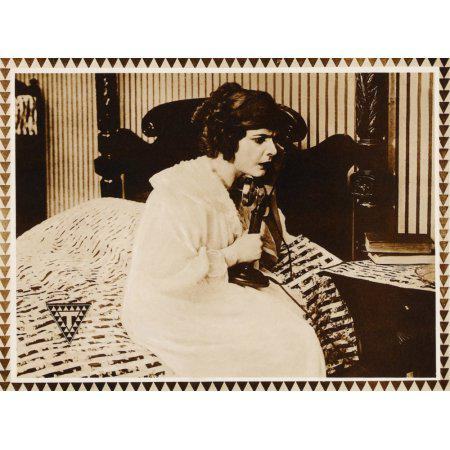
The brilliance of this setup lies in its immediate social commentary. It’s a sharp critique of a society that prioritizes superficiality, where a woman's worth is often conflated with her attractiveness. Maybelle’s journey isn’t just about getting a job; it's about reclaiming agency, about demanding to be seen as a competent individual rather than merely a decorative presence. The film doesn't preach, but rather illustrates this point through the delightful absurdity of the situations Maybelle finds herself in. It’s a testament to the intelligent writing of John Emerson and Anita Loos that such a weighty theme is handled with such a light, engaging touch.
Norma Talmadge, in the dual role of the glamorous Maybelle and her dowdy alter ego, delivers a performance that is nothing short of masterful. It’s easy for modern audiences to dismiss silent acting as overly theatrical, but Talmadge possesses a remarkable subtlety and range. As the 'true' Maybelle, she exudes a captivating grace, her expressions conveying a world of inner resolve and quiet frustration. When she transforms, however, Talmadge completely inhabits the unassuming character. Her posture changes, her gaze becomes less direct, and her movements are less fluid. It’s a testament to her skill that the audience never doubts for a moment that these are two distinct personas, even as we're privy to the knowledge of her deception.
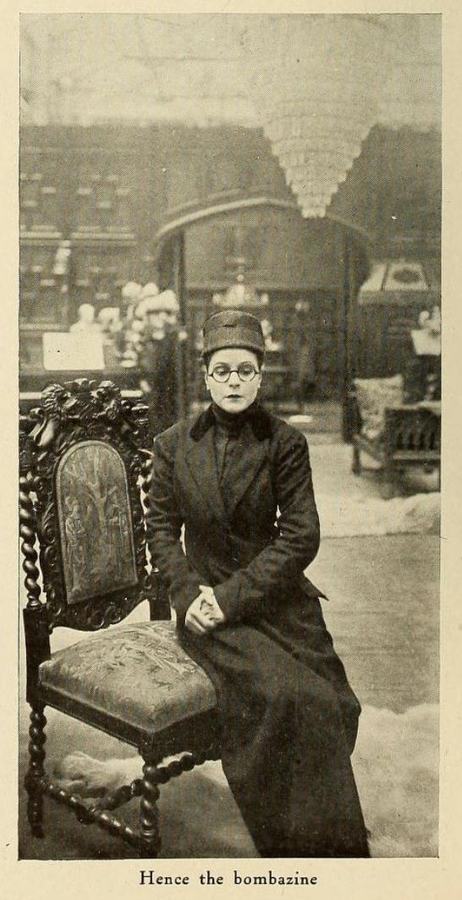
Her comedic timing is impeccable, a quality often underestimated in silent performers. The humor in 'The Social Secretary' often stems from the juxtaposition of Maybelle’s inner sophistication with her outward frumpiness, and Talmadge navigates this with an expert hand. She manages to elicit both sympathy and laughter, a delicate balance that few actors, even today, can achieve. Her portrayal ensures that Maybelle is never a caricature, but a relatable, determined young woman navigating a world that isn't quite ready for her.
The collaborative genius of director John Emerson and writer Anita Loos is palpable throughout 'The Social Secretary.' Loos, a pioneering female screenwriter, brought a uniquely sharp, often satirical perspective to her narratives. Her wit, which would later famously manifest in Gentlemen Prefer Blondes, is already evident here, albeit in a more nascent form. The film’s intertitles, crucial for conveying dialogue and internal thought in the silent era, sparkle with an intelligence that elevates the comedy beyond mere slapstick. They provide not just information, but character insight and social commentary, serving as a direct conduit to Loos's shrewd observations on human nature.
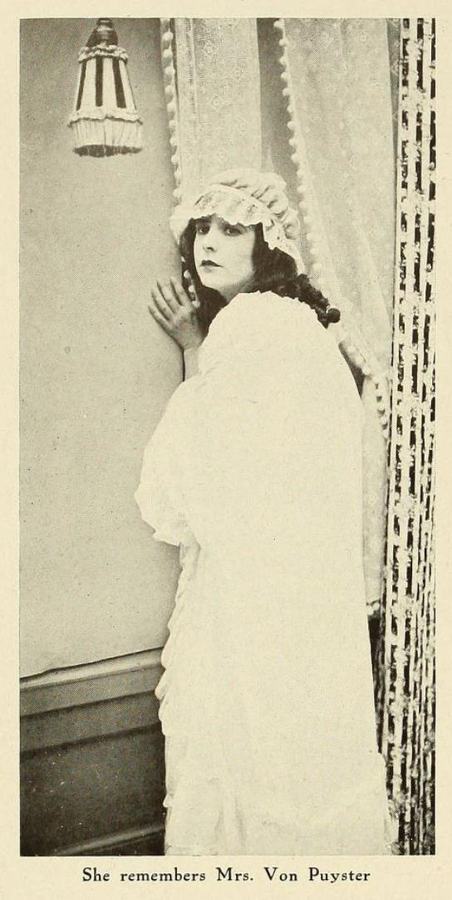
Emerson’s direction, meanwhile, is fluid and inventive. He understands how to use the camera to tell the story, employing close-ups to capture Talmadge's nuanced expressions and wider shots to establish the social milieu. The pacing is brisk, a vital component for keeping an audience engaged without spoken dialogue. Together, Emerson and Loos crafted a film that is both entertaining and intelligent, a testament to their understanding of cinematic storytelling and audience psychology. Their partnership was a significant force in early Hollywood, and 'The Social Secretary' stands as a fine example of their synergistic talents.
While Norma Talmadge rightly dominates the screen, the film benefits from a capable supporting cast. Helen Weir, Vivia Ogden, Kate Lester, Nora Cecil, Herbert French, Nathaniel Sack, and Gladden James all contribute to the rich tapestry of characters that populate Maybelle's world, each reacting to her two personas with varying degrees of humor and social awkwardness. Notably, 'The Social Secretary' also features a very early screen appearance by none other than Erich von Stroheim. While his role here is minor, a far cry from the complex, often sinister characters he would later embody and direct, it offers a fascinating glimpse into the nascent career of a future cinematic titan. His presence, however brief, adds a layer of historical intrigue for film buffs, a hint of the formidable talent that would soon leave an indelible mark on Hollywood.
The central theme of identity and its malleability is explored with remarkable depth. Maybelle's disguise is not just a plot device; it's a commentary on how deeply ingrained societal prejudices are, particularly those based on appearance and class. When she is beautiful, she is desired but not respected for her mind. When she is plain, she gains professional respect but loses the 'perks' of her former attractiveness. The film subtly questions which identity is more 'real' and which offers true liberation. It's a precursor to many later films that would delve into similar territory, examining how a person's external presentation shapes their internal experience and external reception.
Furthermore, 'The Social Secretary' touches upon the burgeoning concept of the 'working woman' in the early 20th century. As women increasingly entered the workforce, they faced unique challenges, including navigating male-dominated environments and battling stereotypes. Maybelle's desire for a professional life, free from unwanted romantic advances, speaks to the aspirations of many women of the era. This theme of a woman striving for professional autonomy, despite societal obstacles, finds echoes in other films of the period, though perhaps less overtly comedic. While a film like Alone in New York might explore the grittier realities of urban struggle, 'The Social Secretary' uses humor to highlight the absurdity of these societal constraints.
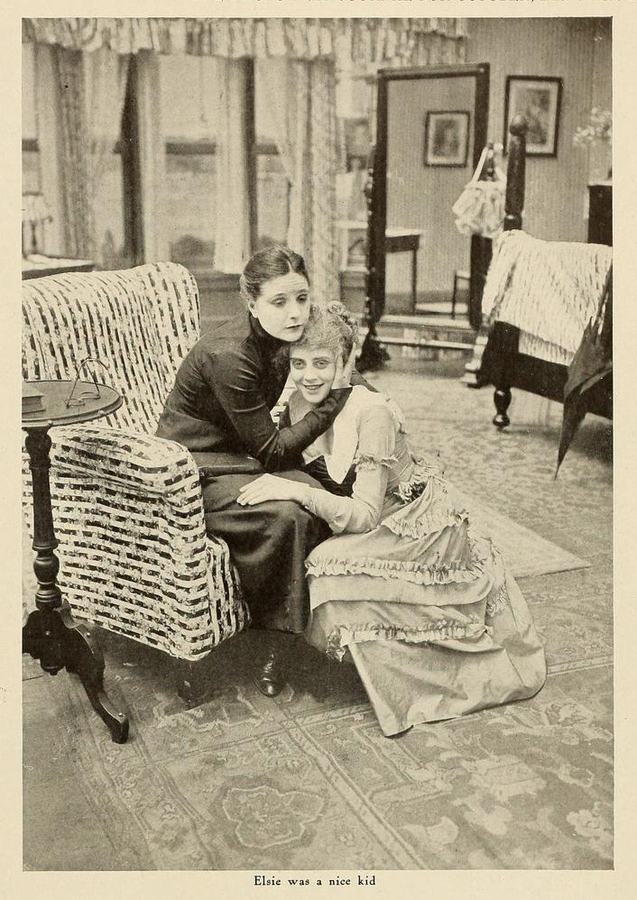
The trope of disguise is a venerable one in cinema, often employed for comedic effect or to drive dramatic tension. In 'The Social Secretary,' it serves primarily as a vehicle for social satire and character development. The film’s use of disguise for professional gain, rather than romantic entanglement (though that eventually arises), sets it apart. While other films like Jane might also employ comedic identity shifts, 'The Social Secretary' layers its humor with a more pointed critique of gender roles and societal expectations within the workplace. Maybelle isn't just trying to trick someone; she's trying to trick an entire system.
The film’s examination of class distinctions and the superficiality of high society also aligns it with a tradition of comedies of manners. It subtly skewers the snobbery and hypocrisy of the wealthy elite, who are often blind to true merit when it's not packaged in a conventionally appealing form. This kind of social observation, delivered with a wink and a nod, is a hallmark of intelligent screenwriting and helps 'The Social Secretary' transcend its simple plot to become something more profound.
Visually, the film is a fascinating time capsule. The sets and costumes, particularly Maybelle's contrasting wardrobes, are meticulously designed to convey character and social status. The cinematography, while constrained by the technology of the era, is effective, utilizing available light and framing to enhance the narrative. The intertitles, as mentioned, are not just functional but artistic, often featuring decorative flourishes that complement the film's overall aesthetic.
For those unfamiliar with silent cinema, 'The Social Secretary' offers an accessible and thoroughly enjoyable entry point. It demonstrates that films without spoken dialogue are anything but silent in their emotional impact or intellectual depth. The expressive power of Norma Talmadge, combined with the sharp writing and confident direction, ensures that the film communicates its story and themes with crystal clarity. It’s a testament to the enduring power of well-crafted storytelling that a film from over a century ago can still elicit laughter, provoke thought, and charm audiences today.
In conclusion, 'The Social Secretary' is far more than a mere historical artifact. It is a vibrant, intelligent, and thoroughly entertaining piece of cinema that highlights the talents of its lead star, Norma Talmadge, and the creative prowess of its writers and director. It is a film that cleverly uses the comedic potential of disguise to explore serious questions about identity, gender, and societal expectations. Its themes remain remarkably pertinent, making it a film that deserves to be rediscovered and appreciated by new generations of film lovers. If you’re looking for a silent film that will make you smile, think, and marvel at the artistry of early Hollywood, look no further than this delightful comedy of manners and mistaken identities.
IMDb 5.5
1912
Community
Log in to comment.