DbcultAccessing Vault...
4.8/10
Senior Film Conservator
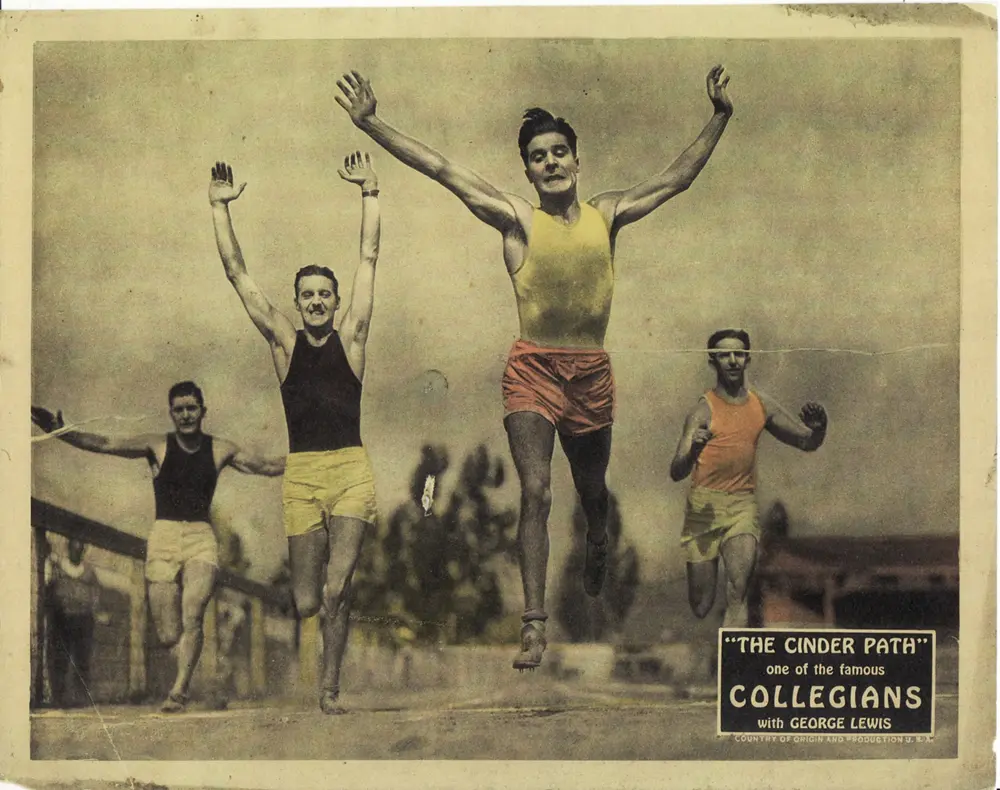
A definitive 4.8/10 rating for a film that redefined the boundaries of cult cinema. The Cinder Path remains a cornerstone of transgressive art.
Is The Cinder Path still a race worth running in the modern era? Short answer: Yes, but only if you view it as a historical blueprint for every sports underdog story that followed. This film is for those who find beauty in the grainy, high-contrast aesthetics of the late silent era and for students of cinema history who want to see the exact moment the 'college movie' trope was codified. It is decidedly NOT for viewers who require fast-cut editing or a plot that avoids traditional archetypes.
1) This film works because it prioritizes physical movement and genuine athletic tension over unnecessary title cards.
2) This film fails because its central conflict between the 'hero' and the 'rival' feels somewhat thin by today’s psychological standards.
3) You should watch it if you want to witness the kinetic energy of 1920s Universal filmmaking before the industry transitioned to the static constraints of early sound.
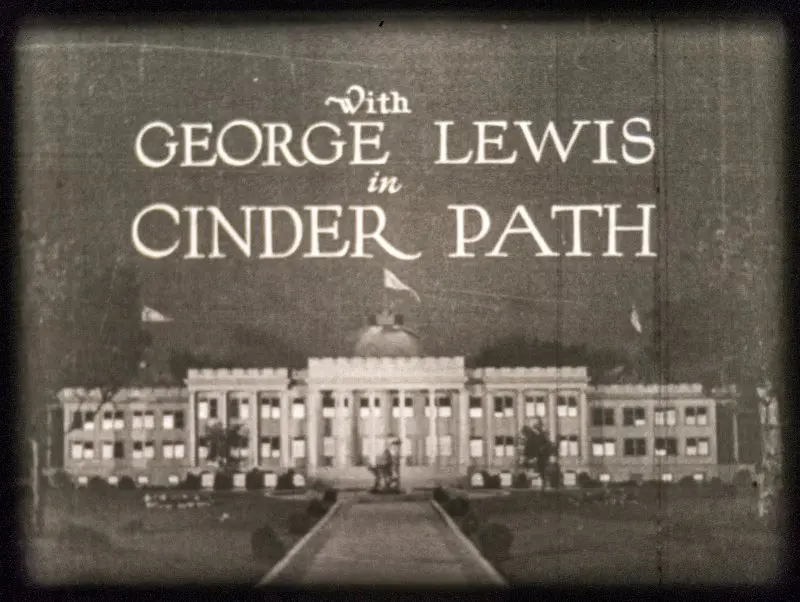
George J. Lewis, long before his roles in Border Law (1931), possessed a screen presence that was uniquely suited for the 'Collegians' series. In The Cinder Path, his performance is less about facial contortion and more about the geometry of the human body in motion. There is a specific scene at the thirty-minute mark where Lewis prepares for the final heat; the way he adjusts his stance on the dirt track conveys more about his character's internal pressure than any dialogue could. It is a masterclass in silent acting that relies on breath and posture.
The rivalry with Eddie Phillips is palpable. Phillips plays the foil with a certain smugness that was common in the era, yet he avoids becoming a cartoon villain. Their chemistry is built on a shared physical language. When they are on the track together, the film shifts from a social drama to a proto-action movie. The stakes feel real because the sweat is real. This isn't the polished, CGI-enhanced athletics of the 21st century. This is men running on dirt in heavy wool uniforms.
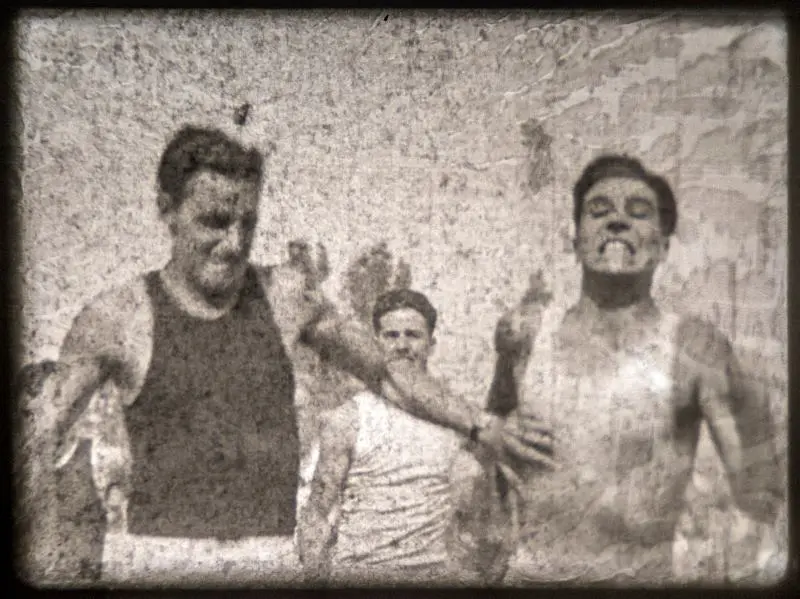
The direction—credited to a team including the likes of Phil Dunham and Gardner Bradford—shows a surprising amount of sophistication in how it handles the 'race' sequences. While many films of 1927 were still struggling with camera placement, The Cinder Path utilizes tracking shots that keep pace with the runners. It creates a sense of immersion that was rare for the time. You can almost feel the grit of the cinders under your own feet. It works. But it’s flawed.
The pacing of the non-athletic scenes is where the film occasionally stumbles. Like Go Easy (1921), the film sometimes lingers too long on social pleasantries that don't move the needle. However, the moment the characters return to the stadium, the energy spikes. The filmmakers understood that the track was their stage. Every time the camera cuts to the crowd, we see a genuine cross-section of 1920s fashion and fervor, giving the film a documentary-like quality that adds immense value to the viewing experience.
The Cinder Path is worth watching because it is the DNA of the modern sports drama. If you enjoy the structure of films like Rocky or Chariots of Fire, you owe it to yourself to see where those tropes originated. It offers a raw, unvarnished look at the 'hero’s journey' through the lens of early American collegiate life. It is a short, punchy experience that rewards the patient viewer with high-octane silent action.
When comparing this to other Universal shorts like The Rat's Knuckles or Irish Eyes, The Cinder Path stands out for its technical ambition. While The Rat's Knuckles leaned more into slapstick, this film attempts a sincere drama. It’s a transition point. It’s the sound of a studio finding its voice. The writers, including a young Carl Laemmle Jr., were clearly experimenting with how to make 'youth' a marketable genre. They succeeded.
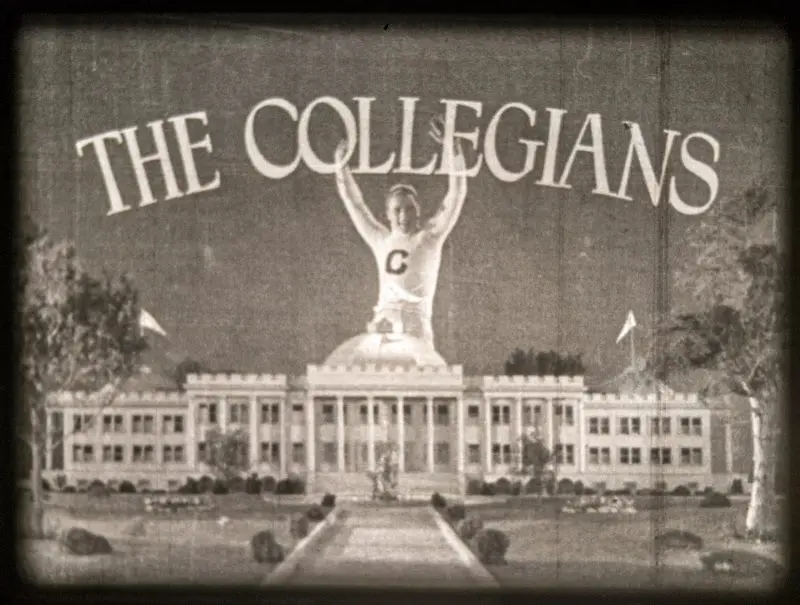
The inclusion of Sally Blane and Dorothy Gulliver provides a necessary, if slightly underutilized, emotional anchor. Blane, in particular, has a luminosity that the camera loves. Her scenes with Lewis provide a breather from the intensity of the competition. However, the film’s heart remains on the track. The 'cinder path' is a metaphor for the struggle of the era—the transition from the Victorian past to the roaring, fast-paced future.
The cinematography in The Cinder Path is surprisingly modern. The use of natural light during the outdoor sequences creates a high-contrast look that emphasizes the shadows on the track. There is one specific shot—a low-angle look at the runners as they round the final bend—that feels decades ahead of its time. It captures the strain in their calves and the determination in their eyes with startling clarity. This isn't just a recording of a race; it's an interpretation of effort.
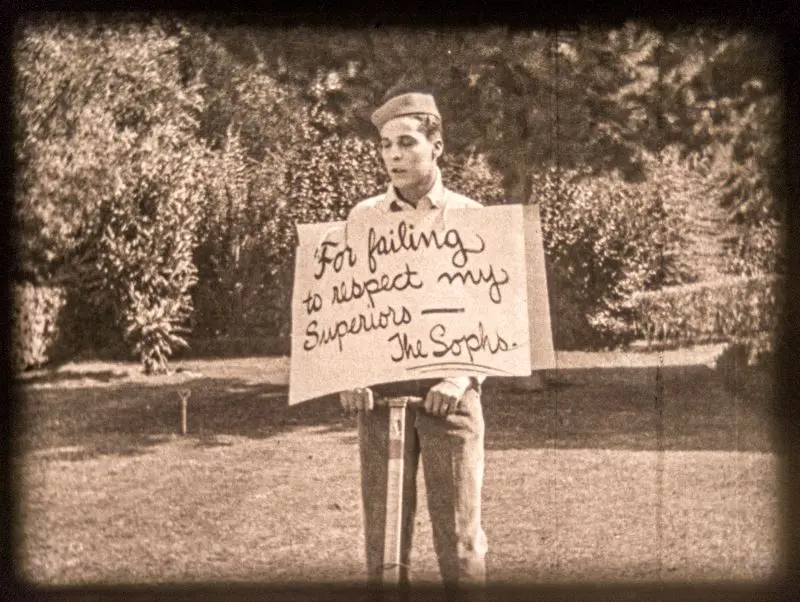
The film also benefits from its lack of clutter. Many silent films of the late 20s, like Lord Saviles brott (1922), were becoming increasingly ornate and theatrical. The Cinder Path goes the other way. It is lean. It is mean. It focuses on the essentials: the man, the track, and the goal. This minimalism makes the film feel remarkably fresh, even a century later. It doesn't need to explain its stakes; the scoreboard does that for us.
Pros:
- Exceptional physical performance by George J. Lewis.
- Innovative camera work for 1927.
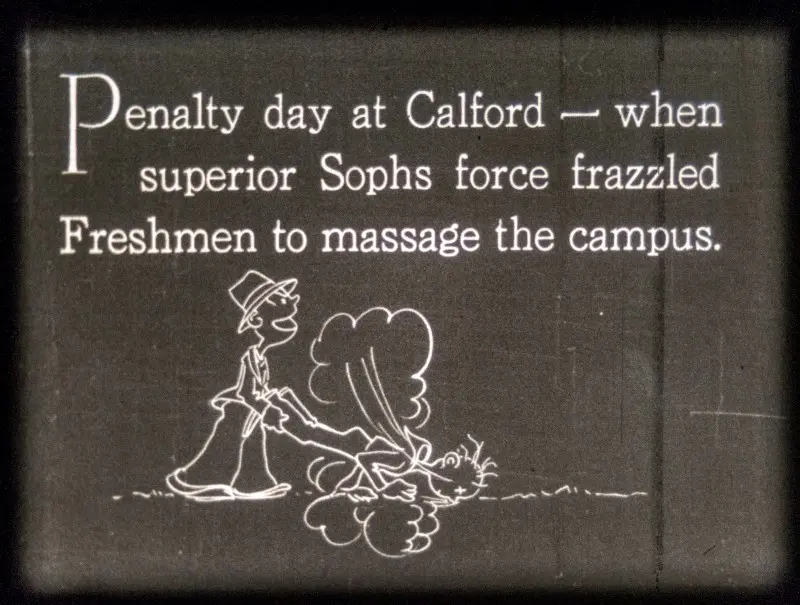
- A fascinating look at 1920s university culture.
- Short runtime makes it an easy entry point for silent film beginners.
Cons:
- Predictable plot beats.
- Limited character development for the female leads.
- Some archival prints may suffer from age-related degradation.
We often forget that films like The Cinder Path were the 'blockbusters' of their day for a specific demographic. This was the 'Young Adult' fiction of the 1920s. By analyzing it today, we see the roots of the American obsession with sports as a meritocracy. The film argues that on the track, your family name doesn't matter—only your speed does. This was a powerful message in 1927, and it remains the backbone of the genre today.
"The Cinder Path isn't just a movie about a race; it's a movie about the friction of progress. It's the sound of the 20th century picking up speed."
Comparing this to Someone Must Pay (1919) or The Scarlet Oath (1916), you can see how much the language of cinema had evolved in just a decade. The Cinder Path is more fluid, more confident, and less reliant on stage-bound traditions. It is a film that wants to move, and for the most part, it succeeds brilliantly.
The Cinder Path is a lean, effective piece of filmmaking that serves as a vital link in the chain of cinema history. While its story is simple, its execution is surprisingly sophisticated. It captures a moment in time with such clarity that the dust from the track almost feels tangible. It is a testament to the power of silent storytelling. It works because it is honest. It fails only when it tries to be more than it is. Ultimately, it is a winner. If you have any interest in the roots of the sports film, this is required viewing.
IMDb —
1923
Community
Log in to comment.