DbcultAccessing Vault...
Cult Review
Senior Film Conservator
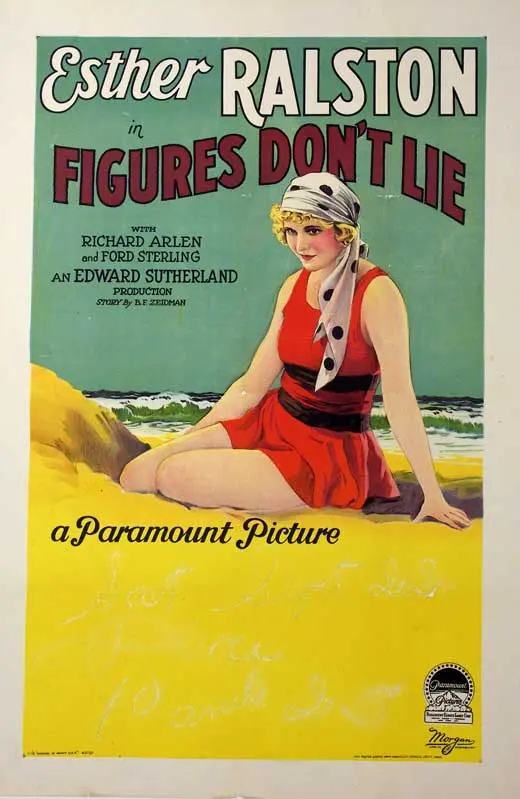
Is 1927’s Figures Don't Lie a hidden gem of the silent era? Short answer: Yes, but only if you appreciate the high-octane energy of workplace farce and can look past the era's repetitive gender tropes.
This film is for the cinephile who wants to trace the roots of the modern sitcom back to its most frantic ancestors. It is NOT for those who find silent-era pantomime exhausting or those seeking a nuanced exploration of office politics.
This film works because of its relentless pacing and the sharp, cynical wit embedded in its intertitles—a clear hallmark of a young Herman J. Mankiewicz. This film fails because it leans too heavily on the 'jealous wife' archetype, which becomes a one-note joke long before the final reel. You should watch it if you want to see Richard Arlen and Doris Hill exhibit a level of screen chemistry that rivals the best talkie pairings of the following decade.
Figures Don't Lie is a fascinating artifact of the late silent period, a time when filmmakers had perfected the art of visual storytelling just before the microphone changed everything. The direction is swift, utilizing the cramped confines of a 1920s office to create a sense of manic claustrophobia. Unlike the slower pacing found in The Silent Lie, this film moves with a rhythmic intensity that mirrors the clatter of the typewriters on screen.
The performance by Ford Sterling as 'Howdy' Jones is a highlight of physical comedy. Sterling, a veteran of the Keystone Cops, brings a frantic, sweaty energy to the role of the henpecked boss. He is a man caught between the demands of his business and the irrationality of his domestic life. Every time his wife enters the frame, the tension spikes, not because of the drama, but because of the impending comedic disaster she represents.
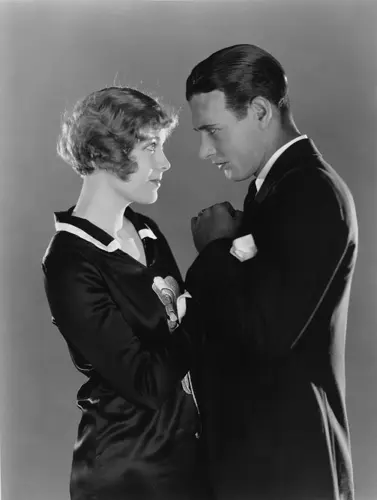
It is impossible to discuss this film without mentioning the writing team, particularly Herman J. Mankiewicz. Years before he would pen Citizen Kane, Mankiewicz was honing his craft in the trenches of Paramount’s comedy department. You can feel his influence in the way the film treats its characters. There is a certain bite to the humor that elevates it above standard slapstick. The dialogue—delivered via intertitles—is punchy and often surprisingly modern.
For example, the character of Bob Blewe (Richard Arlen) is written with a 'freshness' that feels like a precursor to the fast-talking leads of 1930s screwball. When he invites Janet to the picnic, it’s not a romantic gesture; it’s a power move. This complexity makes the romantic subplot far more interesting than the standard 'boy meets girl' narrative found in films like The Smilin' Kid.
Visually, the film is a delight. The cinematography avoids the static, stagelike setups common in earlier silents. Instead, we get dynamic framing that emphasizes the social hierarchy of the office. Janet is often framed in the center of the chaos, a calm anchor in a sea of moving bodies and fluttering papers. This visual stability highlights her competence, making her the only relatable character in a cast of eccentrics.
The office picnic sequence is where the film truly shines. The shift from the gray, structured environment of the workplace to the chaotic, naturalistic setting of the park allows for a different kind of comedy. The use of depth in these outdoor shots is impressive, with multiple layers of action happening simultaneously. It’s a technique that keeps the eye moving and the laughter consistent, reminiscent of the visual density in The Fates and Flora Fourflush.
If you are a student of film history or a fan of classic comedy, the answer is a resounding yes. It offers a rare glimpse into the transitional period of Hollywood comedy where the scripts were becoming as sophisticated as the stunts. While it may not have the emotional depth of The Way of a Girl, it makes up for it with sheer, unadulterated energy.
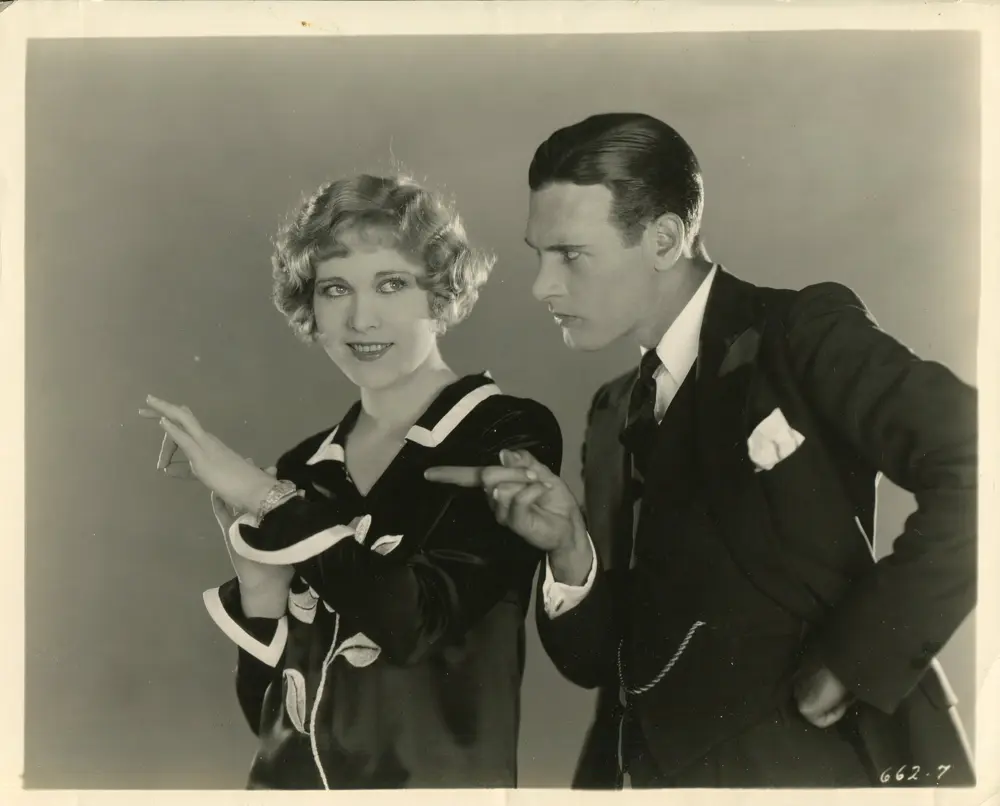
The film is a testament to the fact that workplace dynamics haven't changed much in a hundred years. The jealous colleague, the arrogant manager, and the boss who just wants to survive the day are all archetypes we recognize today. It’s fast. It’s loud. It’s 1927. And it still works.
Pros:
- Exceptional comedic timing from the lead cast.
- A rare look at the early career of Richard Arlen.
- High production values for a 1920s comedy.
- Genuinely funny scenarios that transcend the silent medium.
Cons:
- Some of the gender dynamics feel particularly dated.
- The secondary characters, like Dolores, are somewhat underwritten.
- The resolution of the picnic conflict feels a bit rushed.
One surprising observation about Figures Don't Lie is its subtle critique of the American middle class. Beneath the laughs, there is a biting commentary on the fragility of the domestic sphere. The fact that a successful businessman like 'Howdy' Jones can have his entire professional life derailed by his wife’s insecurity is played for laughs, but it hints at a deeper anxiety about the changing roles of men and women in the roaring twenties.
Janet Wells represents the 'New Woman'—independent, capable, and resistant to the 'fresh' advances of men like Bob Blewe. Her struggle to maintain her dignity in an office full of children is something that still resonates. This makes the film feel more grounded than other comedies of the era, such as Good Morning, Nurse.
Figures Don't Lie is a punchy, effective piece of entertainment that proves the silent era wasn't just about melodrama and broad slapstick. It’s a sophisticated, if occasionally repetitive, farce that benefits immensely from a top-tier cast and a legendary writing room. It isn't a masterpiece, but it doesn't need to be. It’s a functional, funny, and fiercely energetic film that deserves a spot in the conversation about the development of American comedy. It works. But it’s flawed. And that’s exactly why it’s worth your time.
IMDb 5.8
1929
Community
Log in to comment.