DbcultAccessing Vault...
5.9/10
Senior Film Conservator
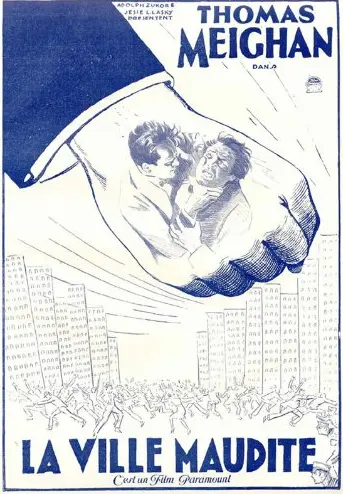
A definitive 5.9/10 rating for a film that redefined the boundaries of cult cinema. The City Gone Wild remains a cornerstone of transgressive art.
Is The City Gone Wild worth watching today? Short answer: yes, but with significant caveats that demand a discerning eye. This film is a fascinating, if uneven, time capsule for those with a deep appreciation for early American cinema, particularly the nascent stages of the gangster genre. It's a must-see for historians of film and fans of pre-Code grit, but likely too dated and melodramatic for casual viewers accustomed to modern pacing and narrative sophistication.
This film works because... it captures a raw, untamed energy of early urban crime, showcasing the genesis of tropes that would define the gangster genre for decades. Its commitment to depicting a brutal, morally ambiguous world, even if clumsily at times, is commendable.
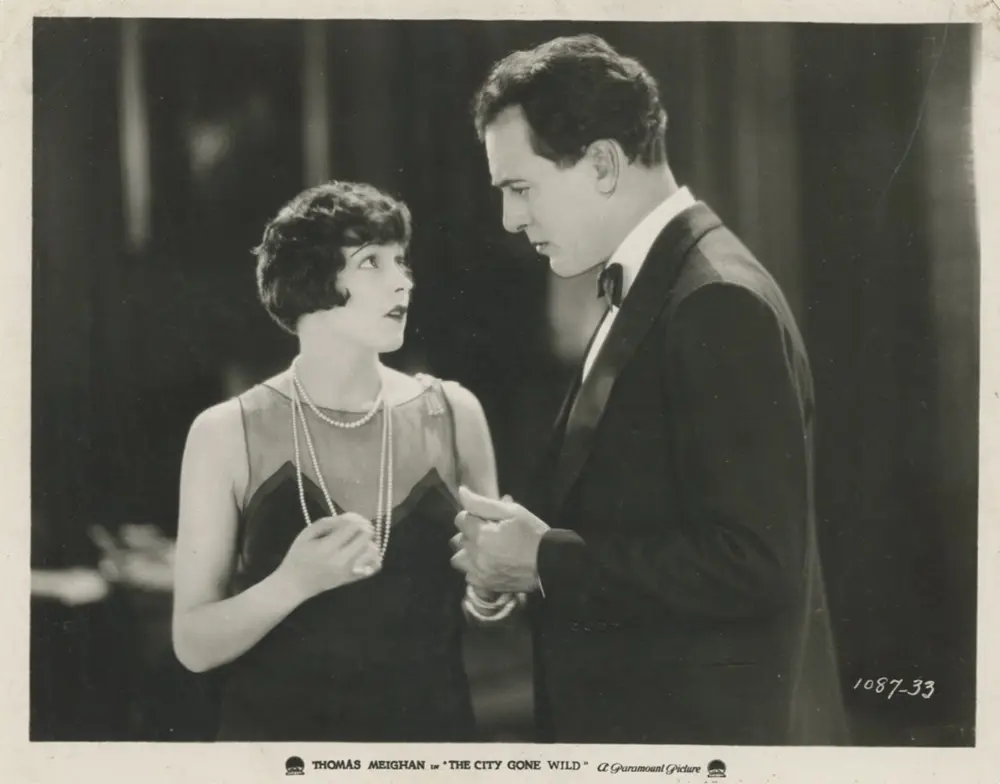
This film fails because... its narrative structure often buckles under the weight of its ambition, leading to inconsistent pacing and character development that feels more functional than organic. The melodrama, while characteristic of the era, frequently overpowers genuine emotional impact.
You should watch it if... you are a cinephile keen on tracing the evolution of crime dramas, appreciate the pre-Code era's daring themes, or are fascinated by the early careers of figures like Herman J. Mankiewicz and Louise Brooks.
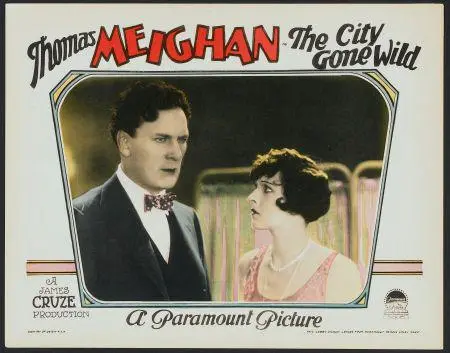
The plot of The City Gone Wild, penned by the formidable trio of Jules Furthman, Herman J. Mankiewicz, and Charles Furthman, promises a potent cocktail of legal drama and street-level brutality. At its heart lies the compelling, if somewhat archetypal, transformation of Thomas Meighan's character, a slick criminal lawyer, into an avenging prosecutor. This narrative pivot, driven by the murder of a friend amidst escalating gang wars, is the film's undeniable engine.
What truly elevates this premise beyond mere pulp is the subtext of a city devouring itself. The screenwriters, particularly with Mankiewicz's cynical eye, imbue the narrative with a palpable sense of urban decay and moral compromise. It’s not just a story of personal vengeance; it's a commentary on a system on the brink, where the law is often a malleable instrument in the hands of the powerful, or the desperate.
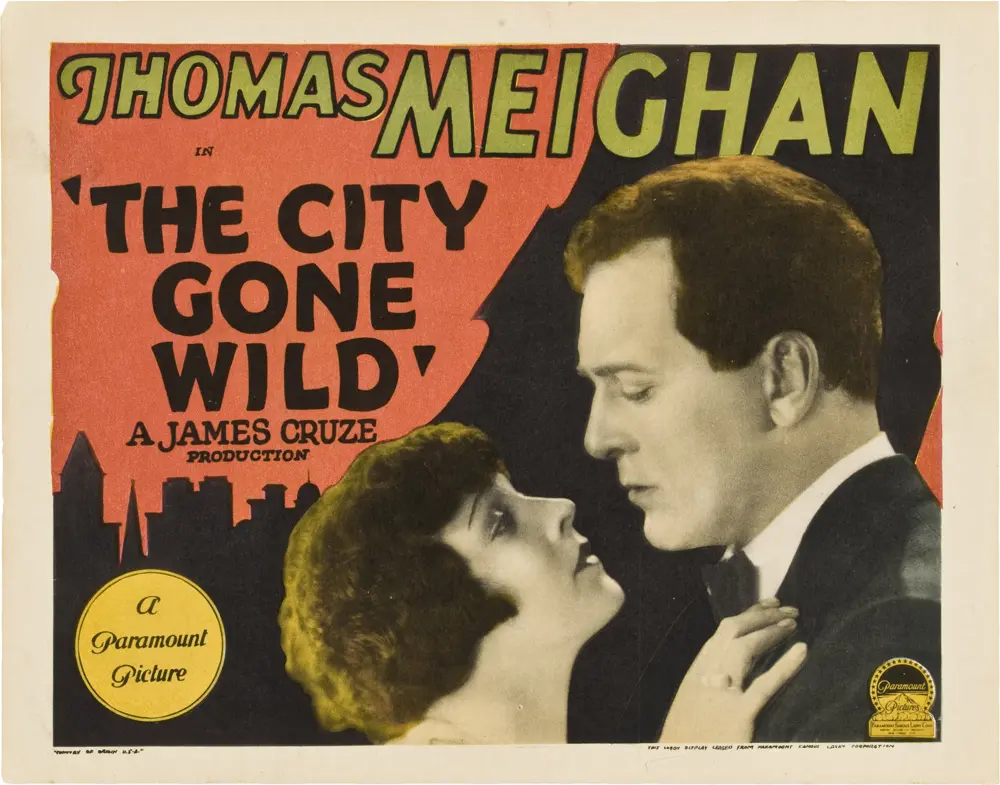
However, the execution of this ambitious premise is where the film occasionally stumbles. While the initial setup is gripping, establishing Meighan's character as a man comfortably navigating the grey areas of justice, the transition to his vengeful persona feels a little too abrupt, a touch too convenient. One could argue this is a symptom of the era’s storytelling conventions, prioritizing plot momentum over psychological nuance.
The depiction of the gang wars themselves, while thrilling in their raw energy, sometimes lacks the intricate plotting seen in later gangster epics. It's more a series of violent vignettes than a meticulously woven tapestry of underworld power struggles. Yet, there’s an undeniable charm in this bluntness, a visceral honesty that bypasses subtlety for raw impact. This film doesn't ask you to understand the gangs' motivations as much as it asks you to feel their destructive force.
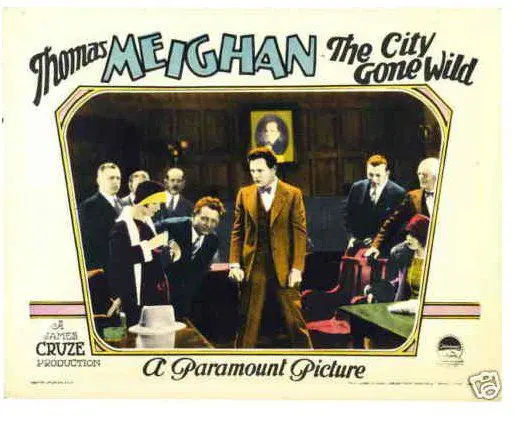
Thomas Meighan, as the central figure, carries the film with a compelling gravitas. His initial portrayal of the shrewd, almost aloof defense attorney is particularly strong. He exudes an effortless charisma, a man who understands the game and plays it well. Watch his subtle smirk in an early courtroom scene as he dismantles a witness, a moment that perfectly encapsulates his character's initial moral flexibility.
His transformation, while narratively swift, is physically convincing. Meighan sheds the polished veneer for a grimmer, more determined resolve. The weight of his friend's death seems to etch itself onto his face, particularly in the later scenes where he confronts the perpetrators. It’s a performance that, despite the constraints of early sound or silent film acting styles, manages to convey genuine internal conflict.
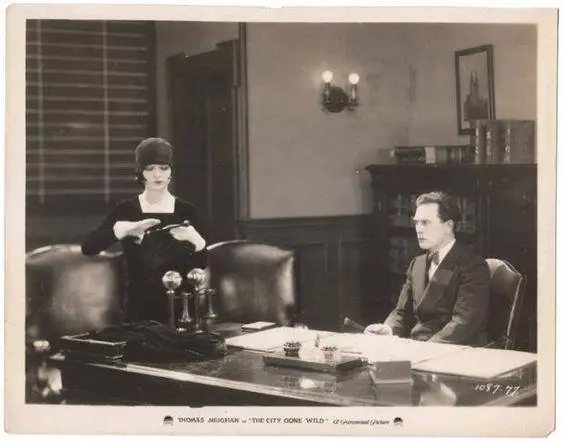
Louise Brooks, though likely in a supporting role given the available information, undoubtedly leaves her indelible mark. Even in a minor capacity, Brooks had a unique ability to command the screen with her iconic bob and enigmatic gaze. One can only imagine her character, perhaps a 'moll' or a sophisticated nightclub singer, injecting a vital dose of modern allure and moral ambiguity into the otherwise masculine, hard-boiled narrative. Her presence, however brief, would have offered a striking counterpoint to the city's grim realities.
The supporting cast, featuring stalwarts like Fred Kohler and King Zany, contribute significantly to the film’s gritty atmosphere. Kohler, often typecast as villains, brings a menacing authenticity to his gangster role, his very presence radiating a palpable threat. These performances, while occasionally broad by today's standards, are essential in grounding the film's heightened melodrama in believable, if exaggerated, human evil.
IMDb —
1934
Community
Log in to comment.