DbcultAccessing Vault...
Cult Review
Senior Film Conservator
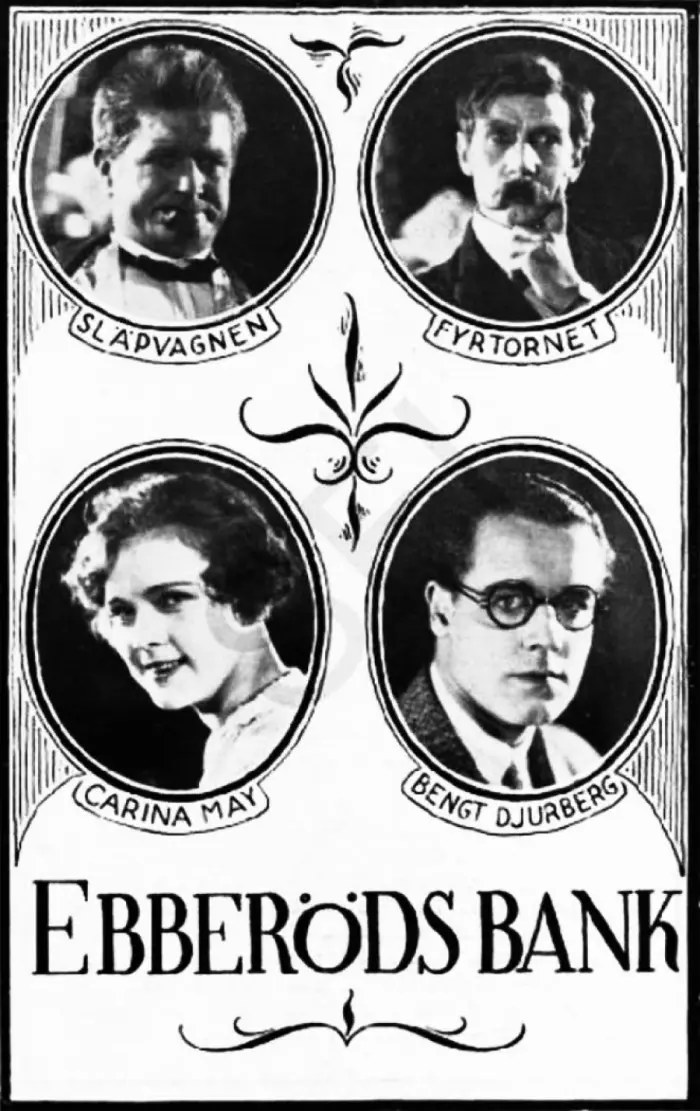
Is Ebberöds bank worth watching today? Short answer: Yes, but only if you have an appetite for the dry, structural irony of early European satire. This film is for the cinephile who enjoys seeing the DNA of modern sitcoms in silent form, but it is definitely not for those who find the static pacing of the 1920s unbearable.
This film works because it treats the concept of debt as a physical character that stalks the protagonist through his own shop. This film fails because it leans too heavily on its theatrical roots, often feeling like a recorded stage play rather than a fully realized cinematic experience. You should watch it if you want to see the early, unpolished brilliance of Harald Madsen and Carl Schenstrøm, the duo who would later conquer Europe as Pat and Patachon.
The core of Ebberöds bank lies in the relatable misery of Tailor Vipperup. Viggo Wiehe plays the tailor not as a victim, but as a man constantly calculating his next escape. The opening scenes in the shop are a masterclass in situational anxiety. We see him attempting to measure a client for a suit while simultaneously hiding from a fabric supplier. The physical comedy here is subtle but effective; it’s all in the eyes and the frantic handling of the measuring tape.
Unlike the sentimentalism found in Humoresque, this film approaches poverty with a cynical grin. Vipperup’s problem isn't just a lack of money; it’s the velocity of it. His customers are the town’s elite, people who believe their prestige exempts them from the vulgarity of cash transactions. This creates a fascinating social commentary: the poor tailor is expected to fund the lifestyle of the wealthy through extended credit. It is a dynamic that feels remarkably modern.
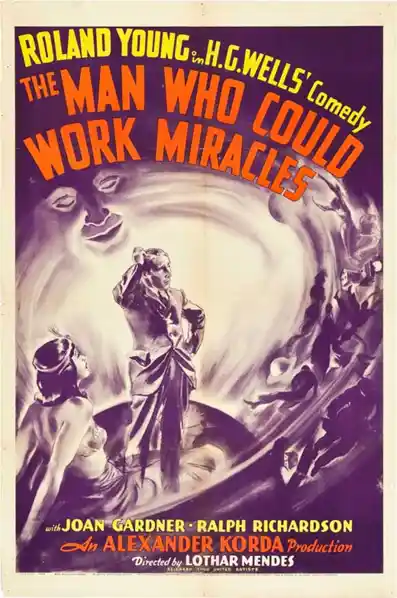
The shop itself becomes a trap. The camera rarely moves, which usually would be a flaw, but here it enhances the claustrophobia. We are stuck in that room with him, feeling every knock on the door. It is a stark contrast to the more adventurous outdoor sequences in films like The River's End, focusing instead on the internal collapse of a small-town ego.
The most famous aspect of this story—which has since entered the Scandinavian lexicon—is the founding of the bank. When Vipperup realizes he cannot pay his debts, he decides to open a bank that offers 8% interest on deposits and only charges 4% on loans. It is a beautiful, suicidal piece of economic fiction. The film doesn't treat this as a mistake, but as a desperate stroke of genius to keep the town’s confidence alive.
This is where the film takes a stance. It suggests that the entire financial system is built on a collective delusion. As long as people believe the bank is solvent, the tailor is safe. The scenes of the townspeople rushing to deposit their savings are filmed with a chaotic energy that mirrors a gold rush. It’s funny, but it’s also terrifying. It shows how easily a community can be swayed by the promise of free money.
I find the film's cynicism refreshing. Most movies of this era, like Salvation Joan, look for moral redemption. Ebberöds bank looks for a loophole. It is a brutally honest portrayal of the lengths a man will go to avoid the shame of being poor in a town that values appearances above all else.
While Viggo Wiehe carries the narrative weight, the presence of Carl Schenstrøm and Harald Madsen is what elevates the film’s entertainment value. They aren't the leads here, but they steal every frame they occupy. Their chemistry is already evident; the tall, thin Schenstrøm and the short, stout Madsen provide a visual counterpoint that breaks the tension of the tailor’s financial woes.
Their inclusion adds a layer of slapstick that balances the dry social satire. In one scene, the interaction between the town’s varied characters feels like a precursor to the ensemble comedies of the 1930s. They bring a lightness that prevents the film from becoming a somber drama about bankruptcy. If you enjoyed the character dynamics in Flip's Circus, you will recognize the same DNA here.
However, their presence also highlights the film's biggest flaw: the uneven tone. At times, it wants to be a serious critique of the middle class, and at others, it wants to be a broad comedy. These two modes don't always mesh. The slapstick feels like it belongs in a different movie than the scenes involving Vipperup’s wealthy, judgmental wife. It works. But it’s flawed.
Is Ebberöds bank a must-see for the average moviegoer? Probably not. But for those interested in the history of comedy, it is essential. It provides a bridge between the physical gags of the early silent era and the sophisticated social satires that would follow. The film captures a specific moment in European history where the old world of tradesmen was being swallowed by the new world of high finance.
The pacing is deliberate. It doesn't rush to the punchline. Instead, it lets the absurdity of the tailor's situation simmer until it boils over. If you can handle the slower rhythm, the payoff is a surprisingly sharp look at human greed and the fragility of social status. It is much more intellectually stimulating than something like The Love Charm, which relies on much simpler tropes.
Pros:
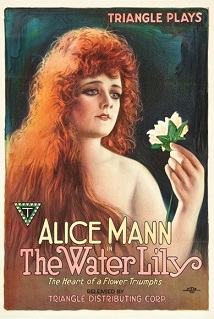
The performances, particularly the supporting cast, are full of personality. The social commentary on debt and class is still relevant today. The film avoids the overly sentimental traps of many silent-era dramas like Infatuation.
Cons:
The visual style is uninspired and feels dated even for 1923. The transition between the domestic drama and the bank satire can be jarring. Some of the jokes require a deep understanding of early 20th-century social norms to land fully.
Ebberöds bank is a fascinating relic. It isn't a masterpiece of visual innovation, but it is a masterpiece of conceptual irony. It takes the mundane tragedy of a failing tailor and turns it into a surrealist nightmare of banking and credit. While it lacks the emotional depth of Adam and Eva, it compensates with a biting wit that feels ahead of its time. It’s a dry, dusty, but ultimately rewarding piece of cinema that proves that while technology changes, the absurdity of human finance is eternal. It’s eternal. Watch it for the history, stay for the biting realization that we are still living in Ebberöd.
IMDb —
1925
Community
Log in to comment.