DbcultAccessing Vault...
6.7/10
Senior Film Conservator
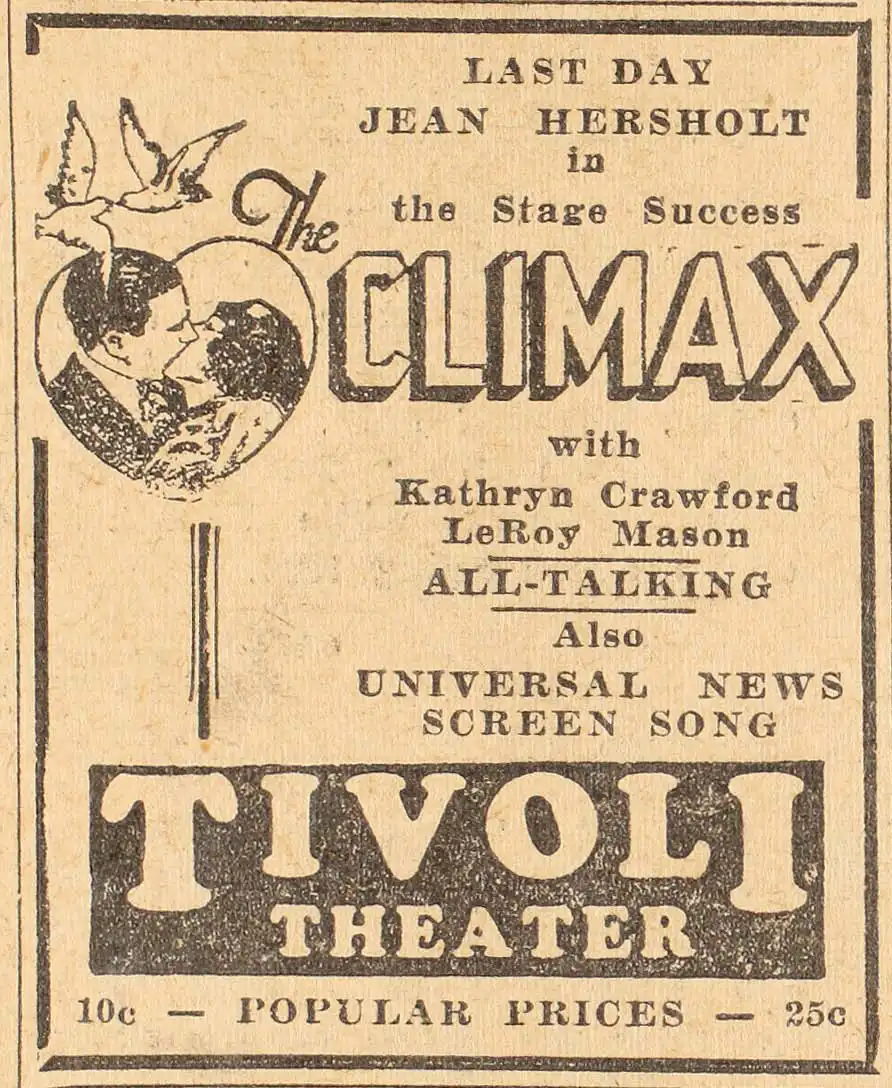
A definitive 6.7/10 rating for a film that redefined the boundaries of cult cinema. The Climax remains a cornerstone of transgressive art.
Alright, so if you're looking for something to just put on and chill with, maybe not The Climax. This 1930 flick is definitely for the classic film enthusiasts, especially those fascinated by the very early days of sound in movies. Anyone expecting modern pacing or slick production? You'll probably find yourself a bit lost, or maybe even a little frustrated. 😬
It’s about Adelina, a young Italian woman played by Kathryn Crawford, who just wants to sing opera. Big dreams, you know? She’s got this incredible voice, and the whole film builds up to her big break, or at least, that’s the idea.
The sound quality itself is a character here. Sometimes it’s clear, then other times it's like everyone’s talking through a tin can. You really have to lean in during some of the dialogue scenes to catch everything. It’s part of the charm, I guess, for an early talkie.
Kathryn Crawford’s voice, when it comes through clearly, is quite something. She really *sings* those opera pieces. There's a moment, quite early on, where she's just practicing at home, and the camera just sort of sits there. It lingers, letting you hear every note. It’s not flashy, but it works.
The dramatic beats, though. Oh boy. There's a doctor, played by Jean Hersholt, who's just... *there* a lot. He's this wise, older figure who pops in to offer cryptic advice or just observe. His presence often feels a bit like the movie is waiting for something to happen, rather than actively driving the plot.
The love story, too. It’s tangled. Adelina has a boyfriend, but then there's this other guy, the musician she's working with. The film tries to convince you this love triangle is super important, but honestly, it’s hard to feel much for any of them. The performances are often so earnest they become a little flat.
One scene that stuck with me is when Adelina is performing on stage, and the camera focuses on the audience reactions. It’s mostly just people staring intently. There aren't many cutaways, just these long takes. You can almost feel the stage lights on their faces. It’s a very theatrical experience.
The pacing, for sure, is slow by today's standards. Scenes run long. There’s a lot of silence, and then sudden bursts of dialogue or music. It's a rhythm that takes getting used to. I found myself checking the clock once or twice during a particularly drawn-out conversation.
You know, for a film titled The Climax, the actual climax feels a little... subdued. It’s not the big explosion of emotion or action you might expect. More of a gentle resolution, really. It sort of just happens, and then the credits roll.
It’s not bad, not at all. But it’s not exactly gripping either. It's more of a window into filmmaking history. An interesting artifact. You get a real sense of the challenges they faced trying to integrate sound back then. It’s fascinating, if nothing else, just to see how far things have come.
If you're into seeing how early sound films tackled drama and music, The Climax definitely offers some insights. Just don't expect a rollercoaster ride. Expect a gentle, slightly wobbly carriage ride through cinematic history. 🎬
IMDb —
1925
Community
Log in to comment.