DbcultAccessing Vault...
5.2/10
Senior Film Conservator
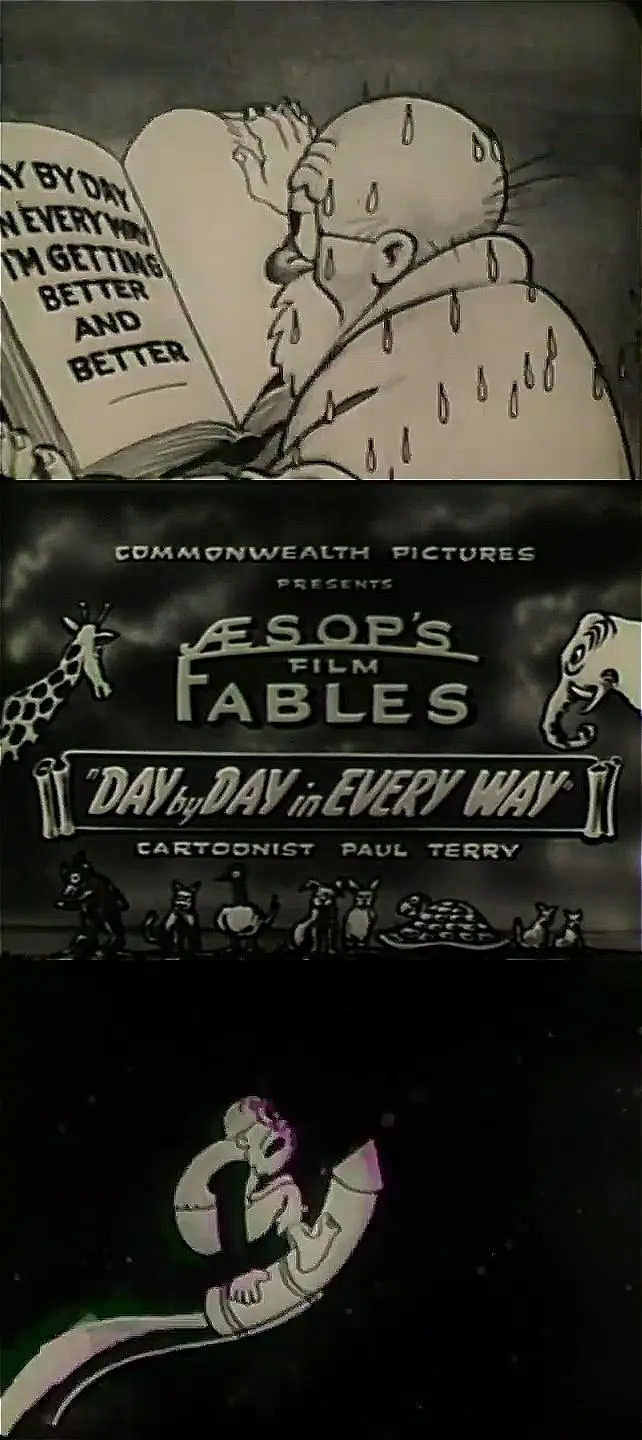
A definitive 5.2/10 rating for a film that redefined the boundaries of cult cinema. Day by Day in Every Way remains a cornerstone of transgressive art.
When the opening frame rolls, the camera glides over a sun‑drenched pasture, the air thick with the scent of hay and the distant clucking of chickens. The scene is set for a satire that feels simultaneously nostalgic and freshly subversive. At the heart of this pastoral tableau is an unlikely sage: a sleek, amber‑eyed cat, clutching a battered self‑help pamphlet emblazoned with the mantra “Every day in every way, I’m getting better and better.” The cat’s swagger is equal parts confidence and mischief, and its mission—spreading this optimistic creed—unfolds with a cadence that mirrors the rhythmic clatter of hooves on cobblestones.
Our first encounter is with a hen perched on a rickety fence, feathers ruffled, eyes wide with existential dread. She confides in the cat that her reproductive clock has stalled, a metaphor for creative block that resonates beyond the barnyard. The feline, ever the motivational speaker, recites the mantra in a lilting tone, urging the hen to “embrace each sunrise as a promise.” Within moments, the hen clucks triumphantly as a glossy egg rolls onto the straw—an absurd yet satisfying visual metaphor for the power of positive affirmation.
Next, a diminutive mouse scurries up to the cat, clutching a wilted sapling that droops like a tired soul. The mouse’s anxieties about nurturing life echo the universal fear of failure. The cat, with a theatrical flourish, flips open the self‑help book and chants the mantra, each syllable punctuated by a soft paw tap. The plant, as if awakened by the rhythmic incantation, unfurls tender green shoots, a visual cue that the film uses to illustrate the tangible impact of belief on growth. The scene is a delightful blend of slapstick and sincere encouragement, reminiscent of the gentle moralism found in The Bravest Way.

A frantic rabbit darts across the screen, ears flattened against a pack of snarling dogs. The chase is a kinetic tableau, the rabbit’s panic a visual symphony of fear. The cat intervenes, positioning itself between predator and prey, and intones the mantra with a calm that starkly contrasts the surrounding chaos. The dogs, bewildered by the sudden shift in atmosphere, halt mid‑pounce, their tails wagging in confused amusement. The rabbit, emboldened by the cat’s confidence, hops away with a newfound swagger. This moment captures the film’s core thesis: optimism can disarm hostility, a theme also explored in the comedic timing of Kidder and Ko.
The narrative then shifts to a trio of mice whose hind legs have been rendered useless by an inexplicable ailment. Their limps are exaggerated, bordering on the cartoonish, yet they embody a deeper commentary on disability and resilience. The cat gathers them, reciting the mantra in a chorus that reverberates through the barn’s rafters. As the words echo, the mice’s gait steadies, their legs regaining a fluid motion that suggests a metaphysical healing rather than a literal one. Parallel to this, a monkey confined to a wooden wheelchair watches with a mixture of curiosity and melancholy. The cat’s mantra reaches the primate, inspiring it to fashion a makeshift lever system from farm tools, allowing it to glide across the yard with surprising agility. The juxtaposition of physical limitation and inventive adaptation underscores the film’s celebration of ingenuity over adversity.
Amidst these whimsical cures, the film introduces its human antagonist: Farmer Al Falfa, a crusty, influenza‑ridden patriarch whose skepticism is as thick as the barn’s timber beams. He initially dismisses the cat’s mantra as a “children’s chant,” scoffing at the notion that a simple phrase could mend broken spirits. His resistance provides the narrative’s tension, a foil to the animal characters’ rapid transformations. The farmer’s eventual capitulation—prompted by a cascade of mishaps that threaten his harvest—mirrors the classic arc of the hardened cynic softened by undeniable evidence, a trope reminiscent of the character evolution in Damon and Pythias.
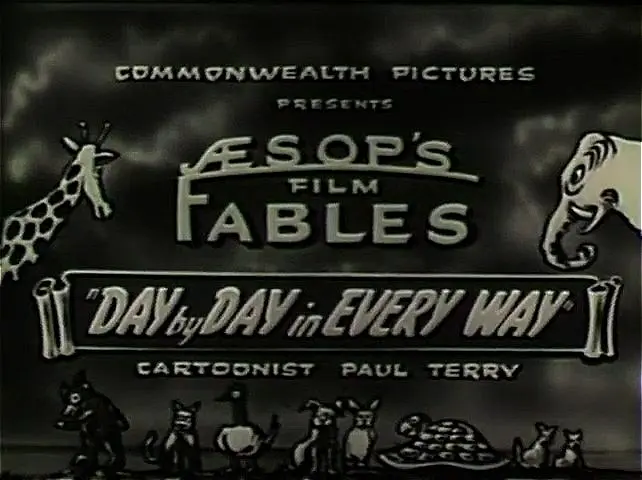
Visually, the film employs a muted, sepia‑toned palette that evokes the era’s silent‑film aesthetic while sprinkling bursts of the titular colors—dark orange, yellow, and sea blue—to highlight moments of revelation. The cat’s fur is often backlit with a subtle #C2410C glow during mantra recitations, reinforcing the thematic link between illumination and self‑improvement. When the hen lays an egg, a soft #EAB308 halo encircles the scene, while the monkey’s improvised contraption gleams with a #0E7490 sheen, drawing the viewer’s eye to the transformative moments.
The film’s pacing is deliberately brisk, each animal vignette unfolding within a span of two to three minutes. This rapid succession mirrors the relentless optimism of the mantra itself—every day, every way, progress is inevitable. The screenplay, though credited simply to “Writers,” demonstrates a deft hand at balancing humor with heartfelt sentiment. The interludes between animal rescues are peppered with slapstick gags—a runaway hay bale, a mischievous goat—that keep the tone light without undermining the underlying message.
When placed alongside contemporaneous works such as Lasca and the more melodramatic Das rosa Pantöffelchen, Day by Day in Every Way distinguishes itself through its unapologetic embrace of satire. While Lasca leans heavily on frontier mythology, and Das rosa Pantöffelchen indulges in romantic whimsy, this film fuses the didactic with the absurd, creating a hybrid that feels both instructional and entertaining.
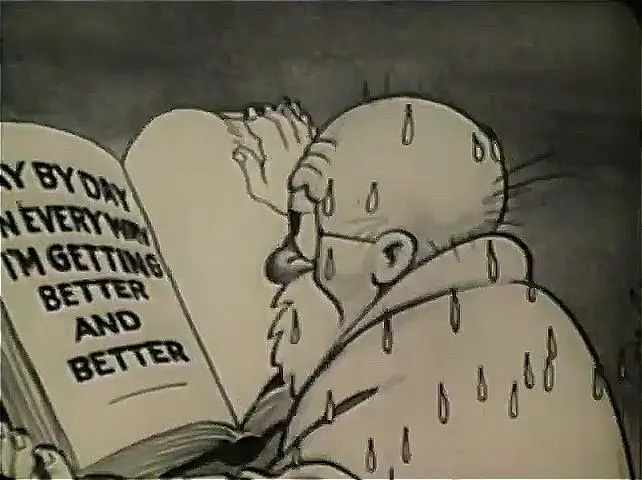
Paul Terry’s vocal performance as the cat is a masterclass in understated charisma. His delivery oscillates between a soothing mentor and a mischievous trickster, ensuring the mantra never feels preachy. The supporting animal voices—though largely non‑verbal—are expressive, relying on exaggerated squeaks and clucks that convey emotion without dialogue. Farmer Al Falfa’s gruff timbre provides a grounding counterpoint, his occasional muttered rhymes adding a layer of authenticity to his agrarian background.
Though rooted in the 1920s, the film’s central thesis—self‑affirmation as a catalyst for change—resonates profoundly in today’s wellness‑obsessed culture. The mantra’s repetition mirrors modern affirmations found in mindfulness apps, making the cat’s teachings feel eerily prescient. Moreover, the film’s inclusive portrayal of disability, embodied by the lame mice and wheelchair‑bound monkey, offers a progressive lens that predates contemporary discussions on representation.
While Day by Day in Every Way never achieved blockbuster status, its cult following has persisted, especially among scholars of early animation who appreciate its subversive humor and its daring blend of pedagogy and parody. The film is frequently cited in retrospectives of animal‑centric cinema, alongside titles like The Primitive Lover and Bare Knuckles, as an exemplar of how anthropomorphic storytelling can convey complex philosophical ideas.
Day by Day in Every Way stands as a testament to the power of optimism wrapped in comedic packaging. Its clever use of color, brisk narrative rhythm, and earnest performances coalesce into a film that feels both of its time and timeless. For viewers seeking a light‑hearted yet thought‑provoking experience, the film offers a delightful reminder that, perhaps, the simplest of mantras can indeed make each day a little brighter.

IMDb —
1920
Community
Log in to comment.