DbcultAccessing Vault...
Cult Review
Senior Film Conservator
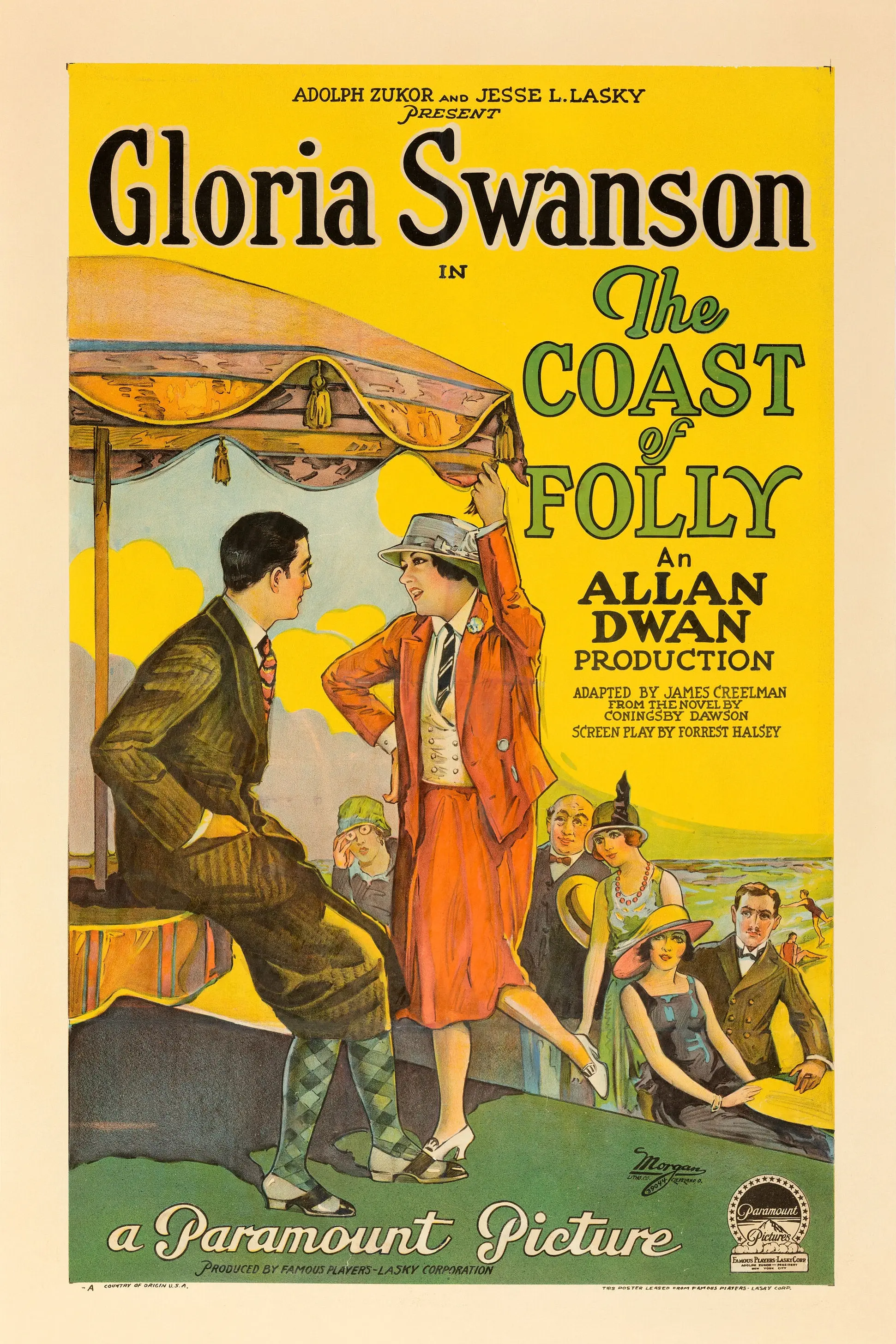
The Coast of Folly, a cinematic endeavor from the early 20th century, presents a labyrinthine narrative of love, deception, and familial redemption. At its core, the film revolves around Nadine Gathway, a woman of unyielding conviction, who, unable to tolerate her self-righteous husband's sanctimonious nature, abandons her family for a period of 20 years.
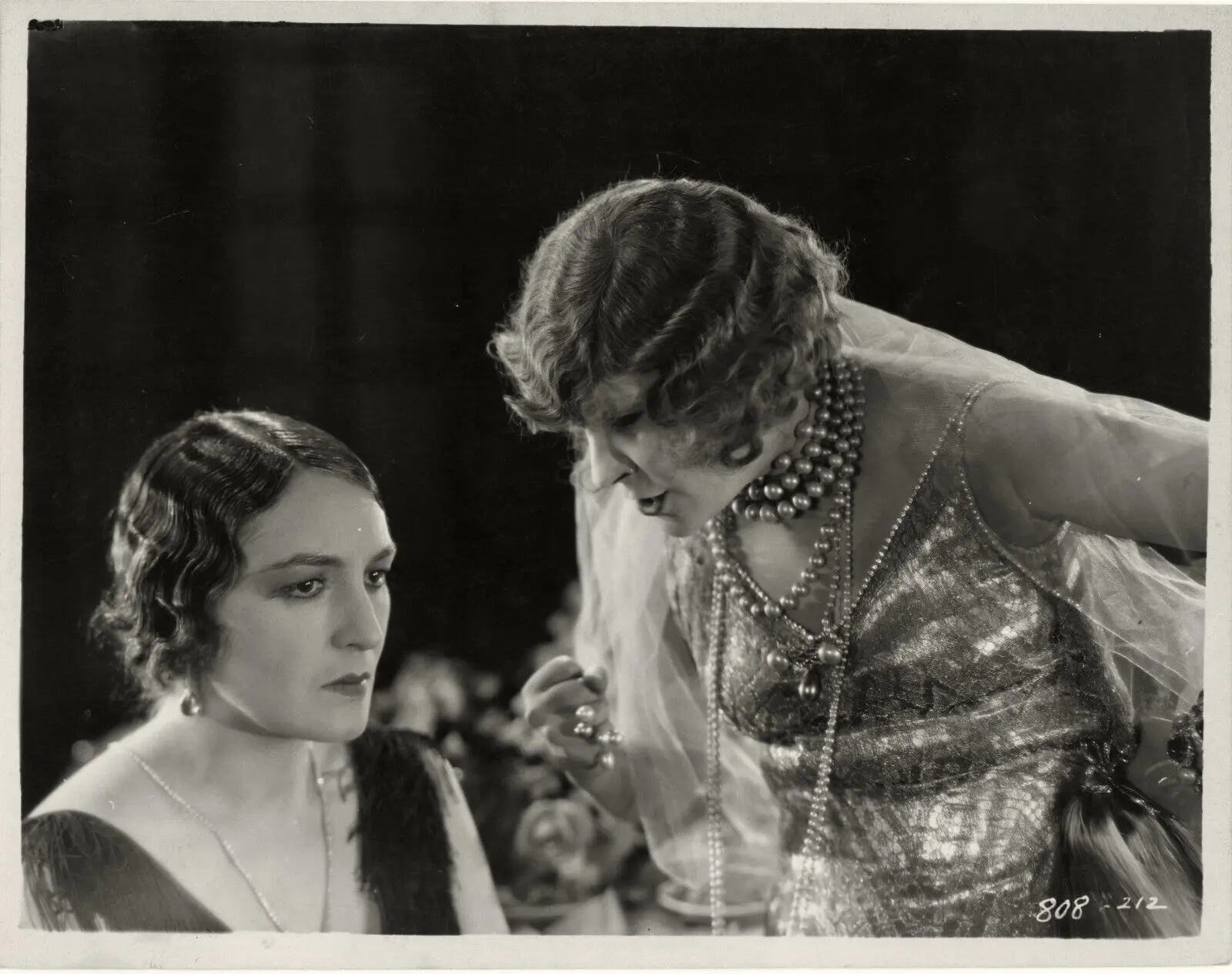
During her extended absence, Nadine reinvents herself as the Countess de Tauro, a persona that affords her a certain degree of autonomy and freedom. Meanwhile, her daughter, Joyce, inherits her father's vast fortune on the condition that she avoid scandal. However, Joyce's burgeoning relationship with Larry Fay, a charismatic individual, precipitates a lawsuit from Fay's wife, who accuses Joyce of alienating her husband's affections.
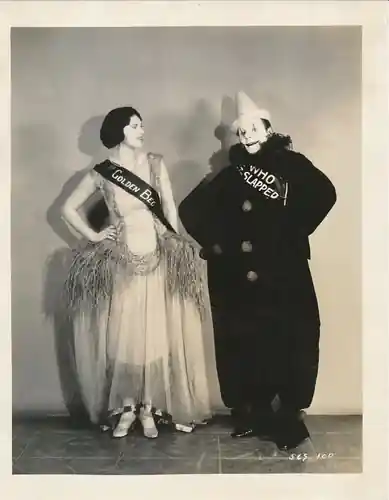
The film's narrative takes a dramatic turn with Nadine's return to the United States, motivated by a desire to aid her daughter. Through a series of calculated maneuvers, Nadine orchestrates a compromising situation for Mrs. Fay, effectively blackmailing her into withdrawing the lawsuit. This pivotal scene showcases Nadine's cunning and resourcefulness, as she navigates the complexities of her daughter's predicament.
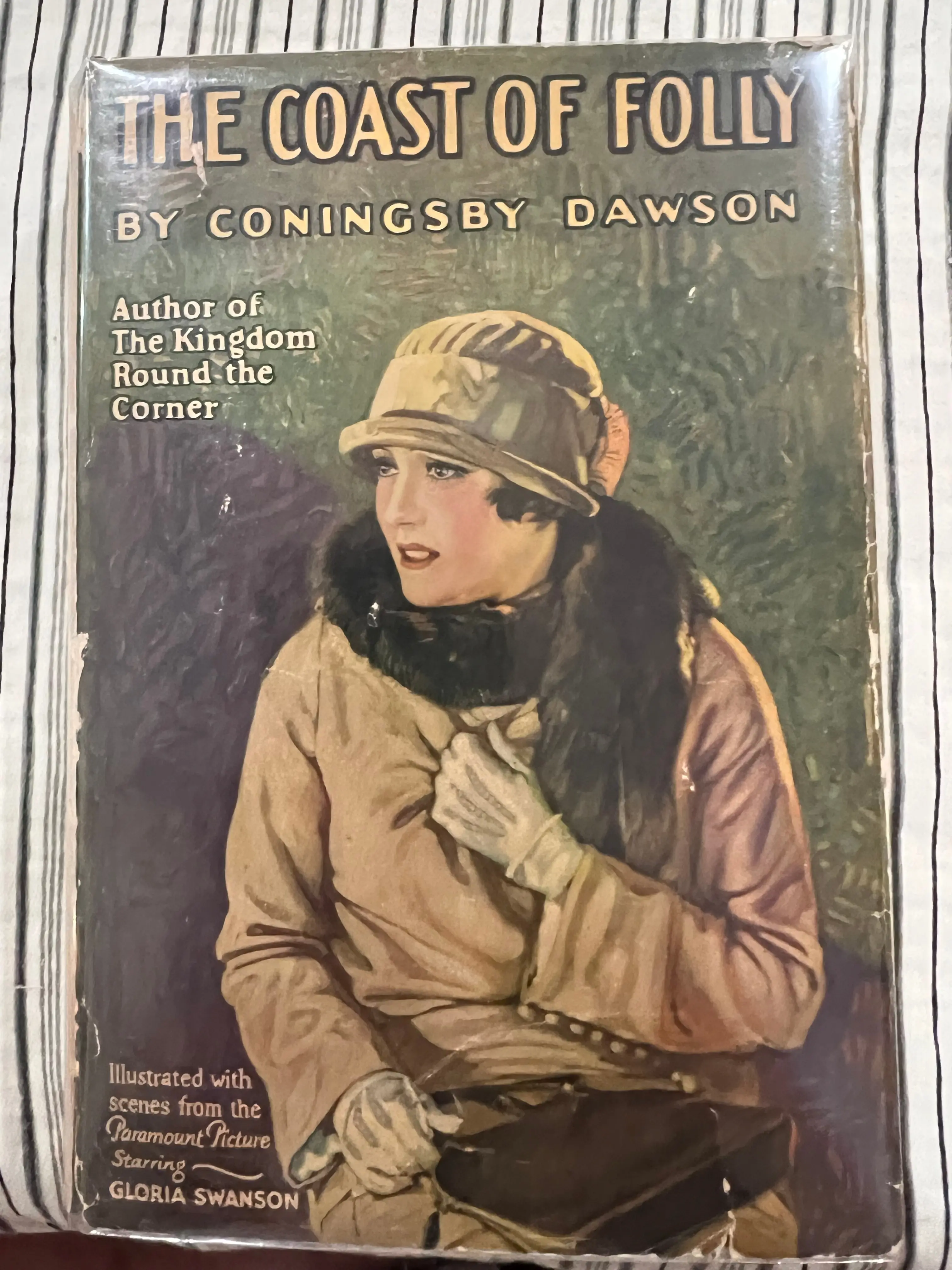
A closer examination of the film's themes reveals a nuanced exploration of love, family, and deception. The character of Nadine Gathway, in particular, serves as a fascinating case study, as she navigates the consequences of her choices and ultimately seeks redemption. Her relationship with her daughter, Joyce, is a poignant aspect of the film, as they work to rebuild their bond and overcome the obstacles that have been placed before them.
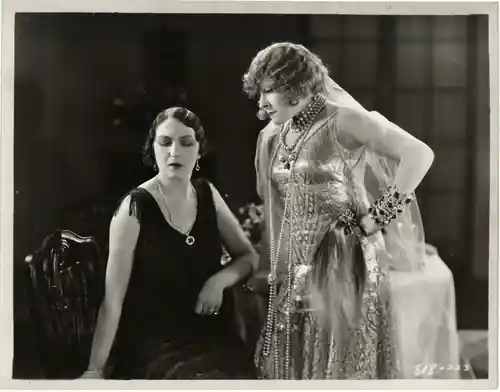
In terms of its cinematographic and narrative merits, The Coast of Folly is reminiscent of other films from the era, such as Footlights and The Heart of Jennifer. These films, while distinct in their own right, share a common thread with The Coast of Folly in their exploration of complex themes and character-driven narratives.
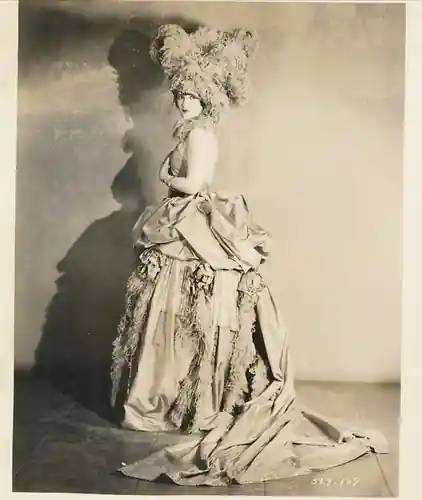
The performances of the cast, including Gloria Swanson and Lawrence Gray, are noteworthy, as they bring depth and nuance to their respective characters. The film's direction, while not particularly innovative, effectively captures the essence of the narrative, guiding the viewer through the twists and turns of the plot.
Upon reflection, it becomes clear that The Coast of Folly is a film that warrants consideration, not only for its entertainment value but also for its thought-provoking exploration of human relationships. As a cinematic artifact, it provides a fascinating glimpse into the societal norms and values of the time, while also offering a compelling narrative that continues to resonate with audiences today.
The film's use of symbolism and motifs adds an additional layer of depth to the narrative, inviting the viewer to interpret and analyze the themes and character arcs. The character of Nadine Gathway, in particular, serves as a symbol of feminine agency and empowerment, as she navigates the complexities of her relationships and ultimately finds a sense of redemption.
In conclusion, The Coast of Folly is a film that defies straightforward categorization, instead occupying a unique position within the cinematic canon. Its complex themes, coupled with its engaging narrative, make it a must-see for fans of classic cinema. As a testament to the enduring power of film, The Coast of Folly continues to captivate audiences, offering a rich and rewarding viewing experience that lingers long after the credits roll.
IMDb 4.8
1927
Community
Log in to comment.