DbcultAccessing Vault...
Cult Review
Senior Film Conservator
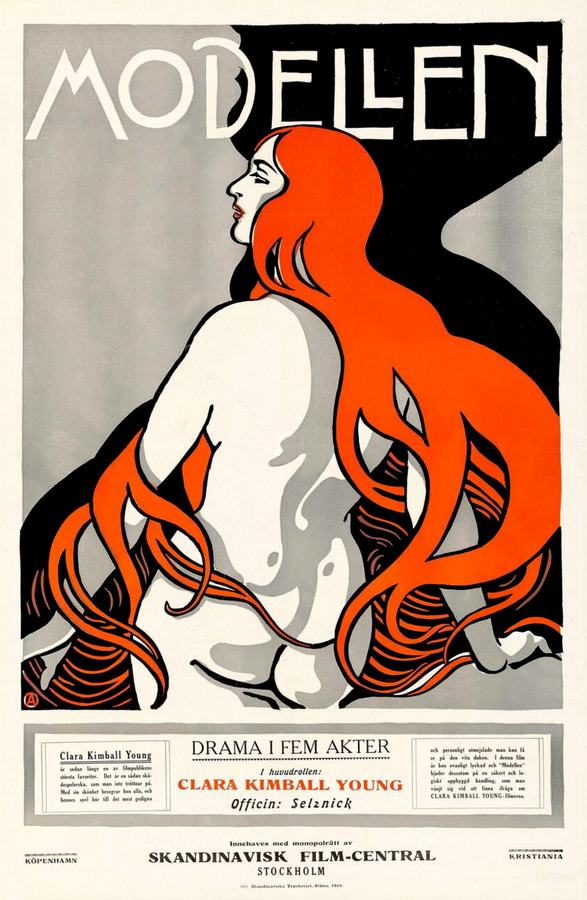
Stepping back into the hallowed halls of early cinema, one often encounters films that, despite the passage of a century, still resonate with an unexpected power. Such is the case with 'The Common Law,' a 1916 masterpiece that stands as a testament to the dramatic prowess of its era and the nuanced storytelling capabilities of the silent screen. Based on Robert W. Chambers' popular novel, adapted for the screen by Beryl Morhange, this film plunges us into the opulent yet morally complex world of New York's upper crust, examining the journey of a woman striving for self-definition and nobility in a society riddled with unspoken rules and expectations.
The narrative centers on Valerie West, a character brought to life with profound grace and intensity by the incomparable Clara Kimball Young. Valerie is not merely a beautiful face; she is an artist's model, a philosopher, and a woman of profound inner depth. Her path is anything but serene, characterized by a relentless oscillation between profound sorrow and moments of exhilarating joy. She navigates a labyrinth of trials and tribulations, each challenge a chisel refining her spirit, ultimately transforming her into the living embodiment of sweet, noble womanhood. It's a character arc that, even today, feels remarkably progressive, showcasing a woman's journey of self-actualization rather than merely being defined by her romantic entanglements.
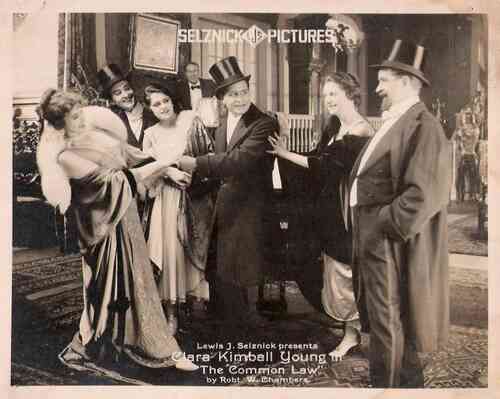
Clara Kimball Young, as Valerie West, delivers a performance that transcends the limitations of the silent medium. Her expressive eyes, subtle gestures, and commanding screen presence convey a rich tapestry of emotions – from vulnerability to fierce determination. Her portrayal is a masterclass in silent acting, allowing the audience to glimpse the profound internal struggles and triumphs of her character without a single spoken word. This level of emotional transparency is what elevates 'The Common Law' beyond mere melodrama, positioning it as a significant piece of cinematic art.
Conway Tearle, playing the male lead, provides a compelling counterpoint to Young's intensity. His nuanced performance as the artist captivated by Valerie's spirit is both passionate and restrained, mirroring the societal constraints of the era. The chemistry between Young and Tearle is palpable, drawing the viewer deeper into their complicated romance. Supporting cast members like Charles Craig, Edna Hunter, and Julia Stuart, while perhaps not as prominently featured, contribute significantly to the film's rich texture, each bringing a distinct energy to their roles that helps flesh out the intricate social landscape.
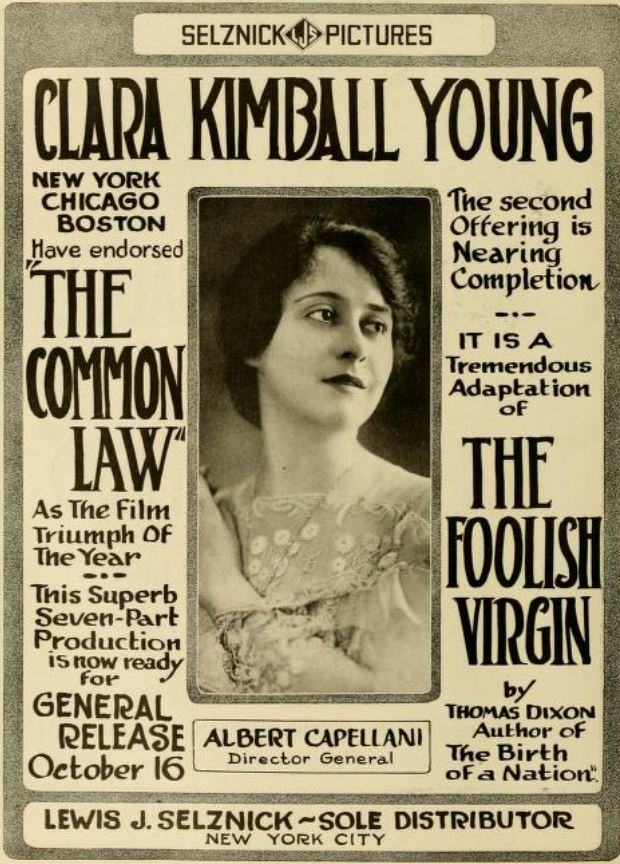
'The Common Law' delves into themes that remain pertinent even a century later: the conflict between personal freedom and societal expectations, the pursuit of artistic integrity, and the very definition of 'noble womanhood.' Valerie's journey is one of shedding the superficial layers imposed by her environment to reveal an authentic self, a struggle that many contemporary audiences can still relate to. The film subtly critiques the often-hypocritical moral codes of the upper echelons, where appearances frequently trump genuine character.
The adaptation by Beryl Morhange from Robert W. Chambers' novel is particularly noteworthy. Translating a complex literary work into a purely visual medium requires a delicate balance of fidelity and innovation. Morhange successfully distills the essence of Chambers' exploration of New York City's upper crust, ensuring that the intricate relationships and moral quandaries of the novel are effectively conveyed without the aid of dialogue. This cinematic translation showcases a profound understanding of visual storytelling, a skill that was still very much in its nascent stages during this period.
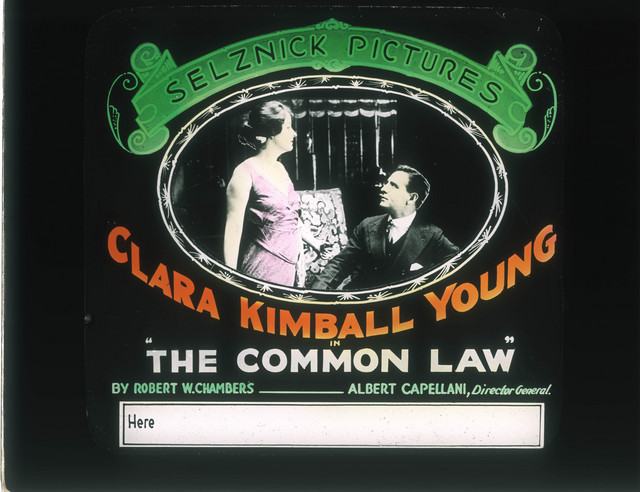
While specific directorial credits for many early silent films can sometimes be murky, the overall aesthetic of 'The Common Law' speaks volumes about the craftsmanship involved. The cinematography effectively captures the grandeur of New York society, from lavish ballrooms to intimate artist studios. The use of lighting, though rudimentary by today's standards, is employed to heighten emotional states and emphasize the dramatic weight of key scenes. The composition of shots frequently draws the eye to the central emotional conflict, allowing the actors' expressions to dominate the frame.
The film's pacing is deliberate, allowing moments of quiet introspection to breathe alongside more intense dramatic confrontations. This thoughtful tempo ensures that Valerie's emotional journey feels earned and impactful. Unlike some of its contemporaries, which might have succumbed to over-the-top theatrics, 'The Common Law' maintains a certain elegance and restraint, even in its most dramatic moments, a quality that lends it an enduring sophistication.
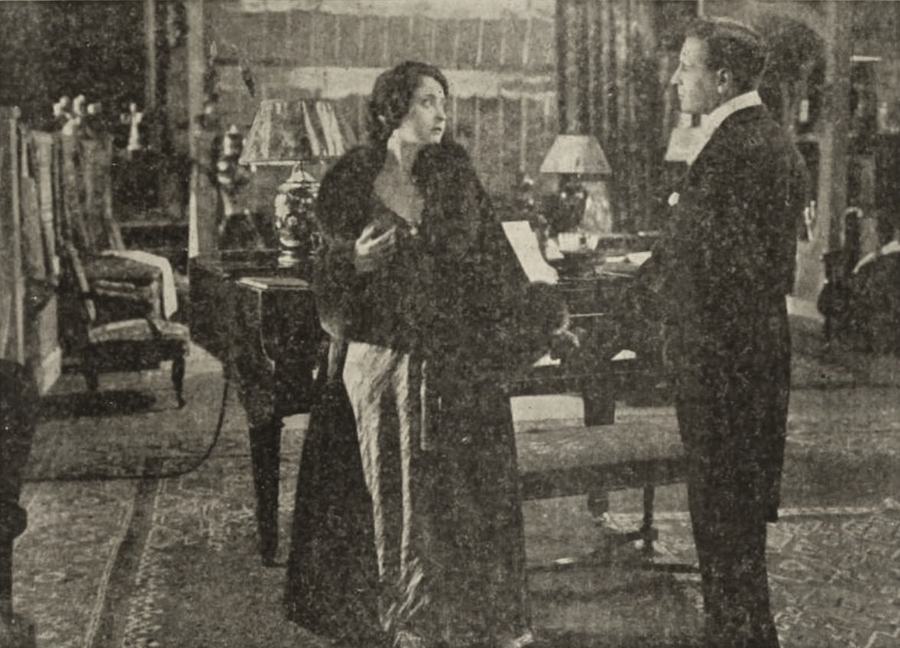
Released in 1916, 'The Common Law' arrived at a pivotal moment in cinematic history. The industry was rapidly evolving, moving beyond simple nickelodeon attractions towards more complex, feature-length narratives. This film, with its intricate plot and focus on character development, exemplifies this transition. It's a fascinating counterpoint to films that prioritized spectacle or pure adventure. For instance, while a film like The Wrath of the Gods might have focused on grand external forces, 'The Common Law' delves deeply into internal human drama.
Comparing it to other films of the era illuminates its unique qualities. While some films, such as Love's Lariat, explored simpler, often rural, romantic narratives, 'The Common Law' grappled with the sophisticated moral dilemmas of urban aristocracy. Its exploration of a woman's place in society, and her struggle for autonomy, aligns it thematically with films like To Have and to Hold, which also examined female agency within restrictive social structures. The film's psychological depth, while not as overtly Expressionistic as, say, Der Fund im Neubau - 2. Teil: Bekenntnisse eines Mörders, nonetheless offers a compelling look at the inner life of its protagonist.
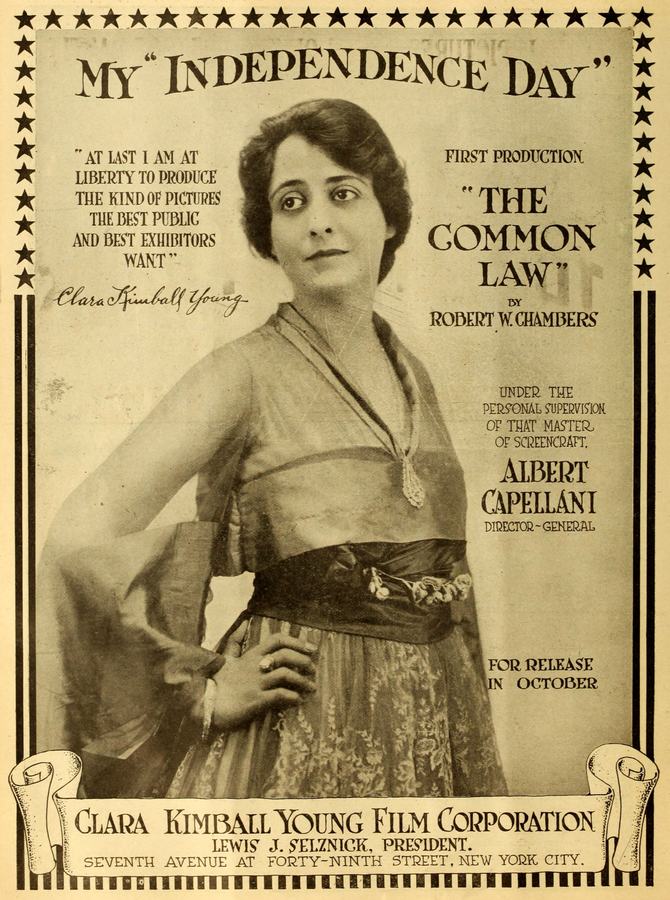
The film also stands out for its relatively mature themes. While it doesn't shy away from depicting the harsh realities faced by women in an era where societal norms could be crushing, it does so with a certain sensitivity. This distinguishes it from more sensationalist fare that might have exploited similar premises. For those interested in the evolution of cinematic storytelling, particularly in how complex character arcs were developed without dialogue, 'The Common Law' offers invaluable insights. It’s a far cry from the more straightforward adventure of Der Tunnel or the mystery of Where Is Coletti?, opting instead for a rich, character-driven drama.
Clara Kimball Young was a star of immense magnitude during the silent era, and 'The Common Law' showcases precisely why. Her ability to convey deep emotion and intelligence through purely visual means was unparalleled. She was often cast in roles that demanded both beauty and substance, and Valerie West is a prime example of this. Her filmography, which includes titles like The White Pearl and The Midnight Wedding, consistently demonstrated her range and commitment to her craft. Her performance here solidifies her status as one of silent cinema's most compelling actresses, capable of carrying a film with her sheer charisma and dramatic power, much like other leading figures of the time who sought to convey complex morality as seen in The Majesty of the Law.
The film's enduring appeal also lies in its universal themes. While the specific social context of 1916 New York may seem distant, the core human experience of striving for dignity, finding love amidst adversity, and defining one's own moral compass remains timeless. This universality is what allows 'The Common Law' to transcend its historical setting and speak to contemporary audiences, much like how certain narratives of perseverance, such as Up from the Depths, resonate through different eras.
'The Common Law' is more than just a historical artifact; it is a vibrant, emotionally resonant film that offers a captivating glimpse into the artistic and social landscape of its time. It’s a film that asks profound questions about identity, morality, and the true meaning of nobility, without ever resorting to easy answers. The meticulous adaptation by Beryl Morhange and the evocative source material from Robert W. Chambers provide a solid foundation, brought to life by a stellar cast led by the magnetic Clara Kimball Young and the earnest Conway Tearle.
For silent film aficionados, or anyone interested in the evolution of dramatic storytelling on screen, 'The Common Law' is an essential viewing. It’s a reminder that even without spoken dialogue, cinema possessed an incredible power to move, challenge, and inspire. Its exploration of a woman's complex journey to self-realization is as compelling today as it was over a century ago. It stands shoulder-to-shoulder with other character-driven dramas of the era, offering a nuanced perspective that might be overlooked if one only considered films like In the Nick of Time or The Root of Evil, which often leaned into more overt genre tropes. Instead, 'The Common Law' offers a rich, introspective experience, a true testament to the artistry of early filmmaking.
In an era where films like Parsifal pushed the boundaries of epic scale and Under Cover explored espionage thrillers, 'The Common Law' carved out its own niche as a sophisticated romantic drama with a strong moral core. It's a film that rewards careful viewing, revealing layers of meaning with each rewatch. Its portrayal of Valerie West's transformation into a figure of 'sweet, noble womanhood' is not a simplistic moralizing, but a complex and deeply felt journey, making it a truly timeless piece of cinematic heritage, perhaps even more profound in its humanistic approach than the more fantastical elements seen in Imar the Servitor.
IMDb 5.4
1932
Community
Log in to comment.