DbcultAccessing Vault...
5/10
Senior Film Conservator
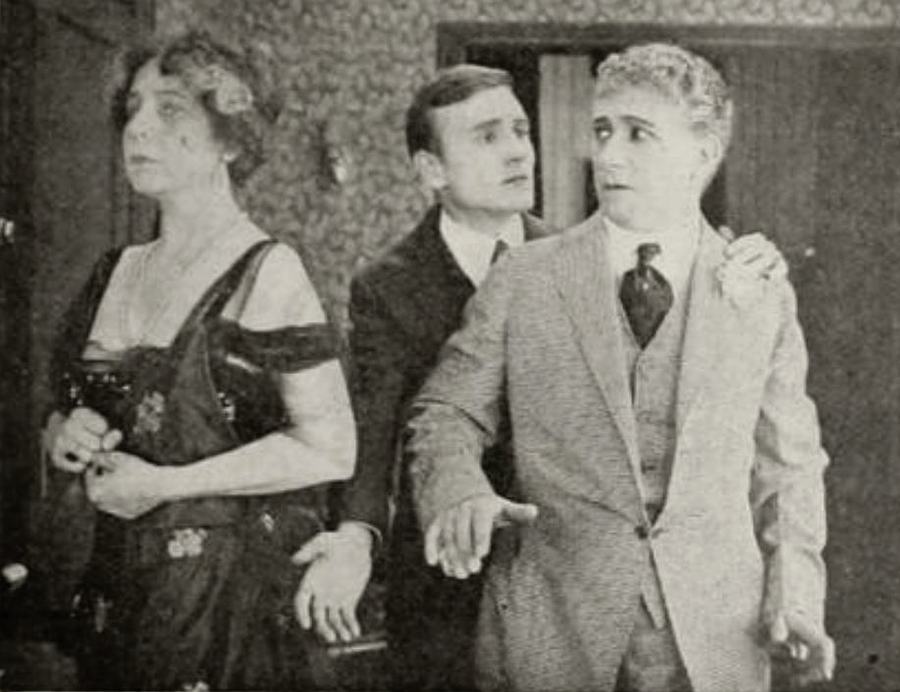
A definitive 5/10 rating for a film that redefined the boundaries of cult cinema. The Sex Lure remains a cornerstone of transgressive art.
In the often-overlooked annals of early 20th-century cinema, certain films emerge not just as historical artifacts, but as potent, if sometimes melodramatic, reflections of societal anxieties and moral quandaries. Ivan Abramson's 1916 production, The Sex Lure, stands as a fascinating, if somewhat audacious, example of this. It's a film that, even a century later, manages to stir a complex cocktail of fascination and discomfort, pushing the boundaries of what was considered acceptable on screen, all while weaving a narrative tapestry rich with human failings and the arduous path to redemption. This isn't merely a quaint relic; it's a window into the nascent art of filmmaking, grappling with complex adult themes long before they became commonplace.
Abramson, known for his penchant for sensationalist dramas that often skirted the edge of propriety, delivers a story that is as morally ambiguous as it is emotionally charged. The premise itself is a masterclass in dramatic irony and tragic causality. Clinton Reynolds, a figure emblematic of the era's burgeoning industrialist class, finds his gilded life irrevocably tarnished by a double tragedy: the disappearance, and presumed death, of his young son, Arthur, followed by a fatal accident in his own factory. The latter event, which claims the life of a worker, propels Reynolds into a guilt-ridden act of adoptive philanthropy, taking in the deceased man's daughter, Rose. What begins as an attempt to assuage a burdened conscience, however, quickly morphs into a narrative of deep-seated resentment and calculated vengeance, setting the stage for a domestic drama of Shakespearean proportions.
Rose, portrayed with a simmering intensity by Marie Reichardt, grows up under Reynolds' roof, but not truly *of* his family. Her childhood is not one of gratitude, but of simmering animosity, a silent indictment against the man she holds responsible for her father's death and her own displacement. This carefully nurtured resentment blossoms into a chillingly deliberate plan: to dismantle Reynolds' marriage to the long-suffering Laura (Louise Vale) through the potent weapon of seduction. The film delves into the psychological underpinnings of this vengeful scheme, portraying Rose not as a mere villain, but as a product of her circumstances, warped by grief and a desperate need for retribution. Her actions, while morally reprehensible, are rooted in a understandable, albeit destructive, desire to reclaim some semblance of power and justice.
The film's exploration of 'the sex lure' itself is less about overt titillation and more about the corrosive power of manipulative charm and forbidden desire. Rose's seduction of Clinton Reynolds (George Henry) is depicted as a slow, insidious erosion of his moral fortitude, a testament to her cunning and his own vulnerability, perhaps exacerbated by the lingering grief for Arthur and the strain on his marriage. This aspect of the plot is remarkably bold for its time, echoing the thematic daring seen in other early films that tackled complex human relationships, albeit often with a moralistic undertone. One might draw a parallel to the psychological depth attempted in films like The Taint, where moral corruption is often the central antagonist, or the intricate familial betrayals found in the grand narratives of Samson.
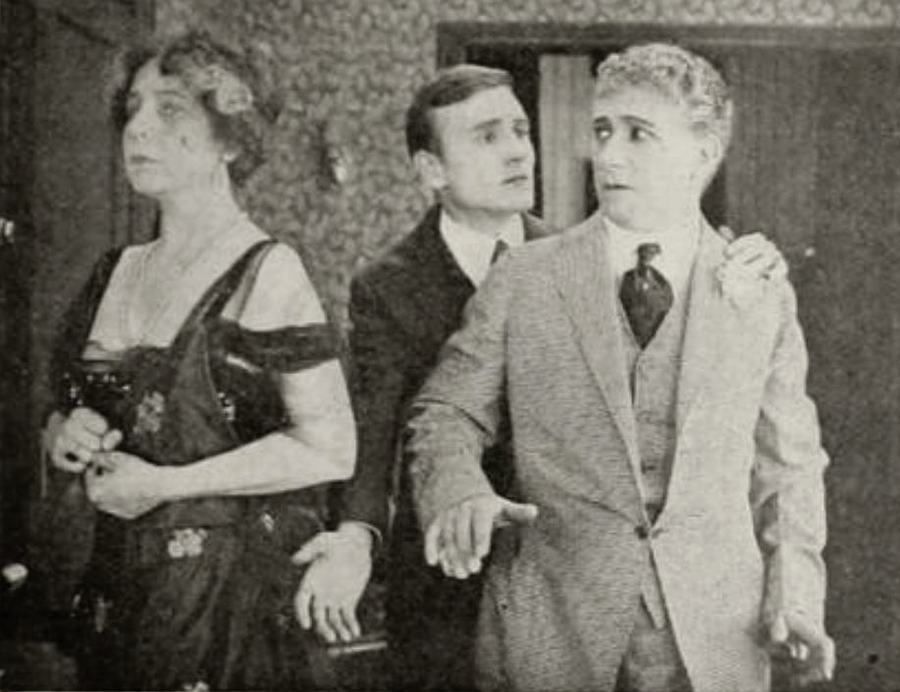
Just as Rose's plan seems on the verge of complete success, the narrative takes another dramatic turn with the unexpected return of Arthur (Thomas Carnahan Jr.), the long-lost son. His reappearance is a seismic event, shattering the carefully constructed edifice of deception. Arthur, finding his parents' marriage in disarray and his father ensnared in Rose's web, steps into the fray not as a passive observer, but as an active participant. His decision to engage romantically with Rose is a fascinating, morally ambiguous gambit. Is it genuine affection, a desperate attempt to protect his family, or a subtle form of counter-manipulation? The film leaves room for interpretation, adding layers of complexity to Arthur's character, moving him beyond a simple heroic archetype.
This dynamic of the returning, transformative figure is a powerful trope in cinema, seen in various forms across the landscape of early film. One might consider The Man Who Came Back as a thematic cousin, exploring the disruptive and redemptive potential of a long-absent individual. Arthur's actions are a desperate bid to dismantle Rose's influence, to restore a semblance of order to his fractured family. The tension between Rose's calculated malice and Arthur's protective, yet equally manipulative, affection forms the emotional core of the film's later acts, demonstrating the intricate dance of power and vulnerability that defines these relationships.
The success of such a melodramatic narrative hinges significantly on the performances of its cast, and The Sex Lure benefits from a company of actors who understood the theatrical demands of silent cinema. Louise Vale, as Laura, embodies the suffering wife with a quiet dignity, her expressions conveying a depth of sorrow and resilience that anchors the film's emotional weight. George Henry's Clinton Reynolds oscillates between paternalistic benevolence and moral weakness, his portrayal capturing the complexities of a man caught between duty, grief, and temptation. It's a nuanced performance for its era, avoiding a one-dimensional villainy in favor of a more human, albeit flawed, character.
Marie Reichardt's Rose, however, is arguably the film's most compelling creation. Her transformation from a resentful orphan to a calculating seductress is portrayed with a chilling conviction, her eyes often betraying the cold resolve beneath a veneer of charm. Her performance is a testament to the power of silent acting, where gestures, facial expressions, and body language must convey the full spectrum of human emotion without dialogue. Thomas Carnahan Jr. as Arthur brings a youthful vigor and a sense of moral urgency to his role, effectively portraying the conflicted hero navigating a treacherous personal landscape. The ensemble, including William Black, James Morrison, Donald Hall, and Frankie Mann in supporting roles, contributes to the film's overall texture, creating a believable, if heightened, world of human drama and ethical compromise. Their collective efforts elevate the film beyond mere sensationalism, imbuing it with a genuine sense of human struggle.
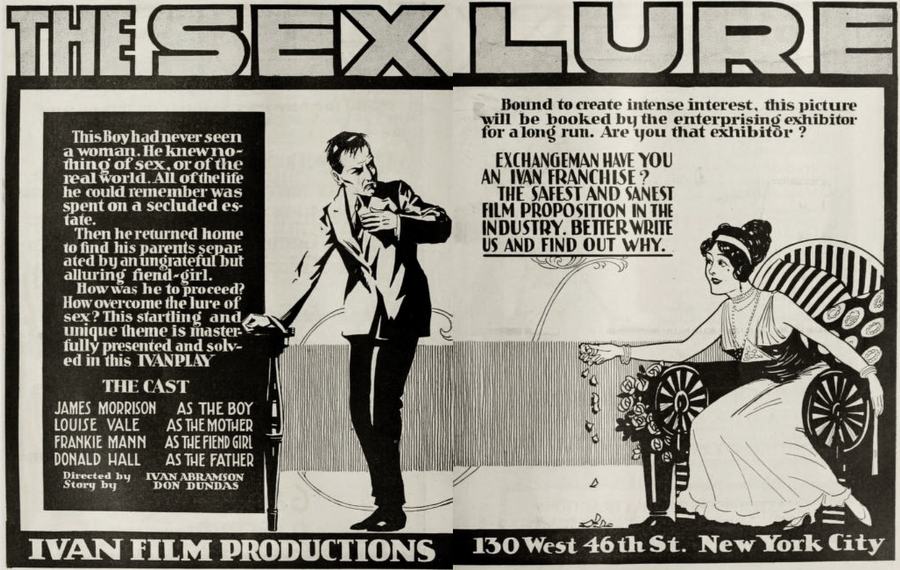
Beyond the immediate thrills of its plot, The Sex Lure offers a rich tapestry of thematic explorations. The film grapples with class disparity, portraying Reynolds' initial adoption of Rose as a paternalistic, almost transactional act of charity, rather than genuine familial integration. Rose's revenge can be seen, in part, as a rebellion against this imbalance of power, a desperate attempt to turn the tables on the man who, in her eyes, represents the exploitative capitalist system that claimed her father. This social commentary, while perhaps not as overtly radical as some contemporary works, is undeniably present, adding a layer of depth to the personal drama.
The film also delves into the destructive nature of unchecked desire and the long-lasting repercussions of past actions. Reynolds' initial mistake, whether it be his factory conditions or simply the perceived injustice of his wealth, sets in motion a chain of events that threatens to annihilate his family. The 'lure' isn't just sexual; it's the allure of revenge, of power, of forbidden fruit. This complex interplay of motivations makes the film more than a simple morality play; it's a nuanced examination of human psychology and the often-perilous journey toward self-awareness and atonement. The film's boldness in tackling such themes, including a quasi-incestuous relationship (between adoptive father and daughter), highlights the daring spirit of early filmmakers like Abramson, who, much like the creators of Zigomar contre Nick Carter or Escaped from Siberia, were unafraid to push narrative boundaries and explore the darker corners of the human experience for their audiences.
Ivan Abramson, as both writer (alongside Don Dundas) and director, demonstrates a keen understanding of cinematic pacing and dramatic tension. While some elements might appear melodramatic by modern standards, within the context of 1916 filmmaking, his direction is remarkably effective. He employs close-ups to emphasize emotional states, a technique still evolving at the time, and uses careful framing to highlight the power dynamics between characters. The narrative unfolds with a relentless momentum, each twist and turn serving to escalate the emotional stakes. The film's visual language, even if archival prints are imperfect, likely relied on stark contrasts and expressive gestures to convey the narrative's intensity, a common practice in the era of silent film where visual storytelling was paramount.
In conclusion, The Sex Lure is far more than a mere historical curiosity. It's a compelling, provocative work of early cinema that bravely tackled themes of class, revenge, seduction, and the fragile nature of familial bonds. Its audacious plot, driven by complex characters and a relentless narrative, showcases the dramatic potential of silent film and Abramson's willingness to challenge societal norms. For cinephiles and historians alike, it offers a fascinating glimpse into the moral landscape and artistic ambitions of an era long past, proving that even over a century ago, filmmakers were adept at weaving tales that resonated with profound human truths, however scandalous they might have seemed at the time. Its enduring power lies in its unflinching portrayal of human weakness and the enduring, often destructive, power of desire and retribution. It is a testament to the fact that compelling storytelling, regardless of the technological limitations of its time, can transcend generations and continue to provoke thought and discussion about the enduring complexities of the human condition. The film, in its own way, laid groundwork for the intricate psychological dramas that would follow in subsequent decades, making it a pivotal, if underappreciated, piece of cinematic history.
IMDb —
1917
Community
Log in to comment.