DbcultAccessing Vault...
4/10
Senior Film Conservator
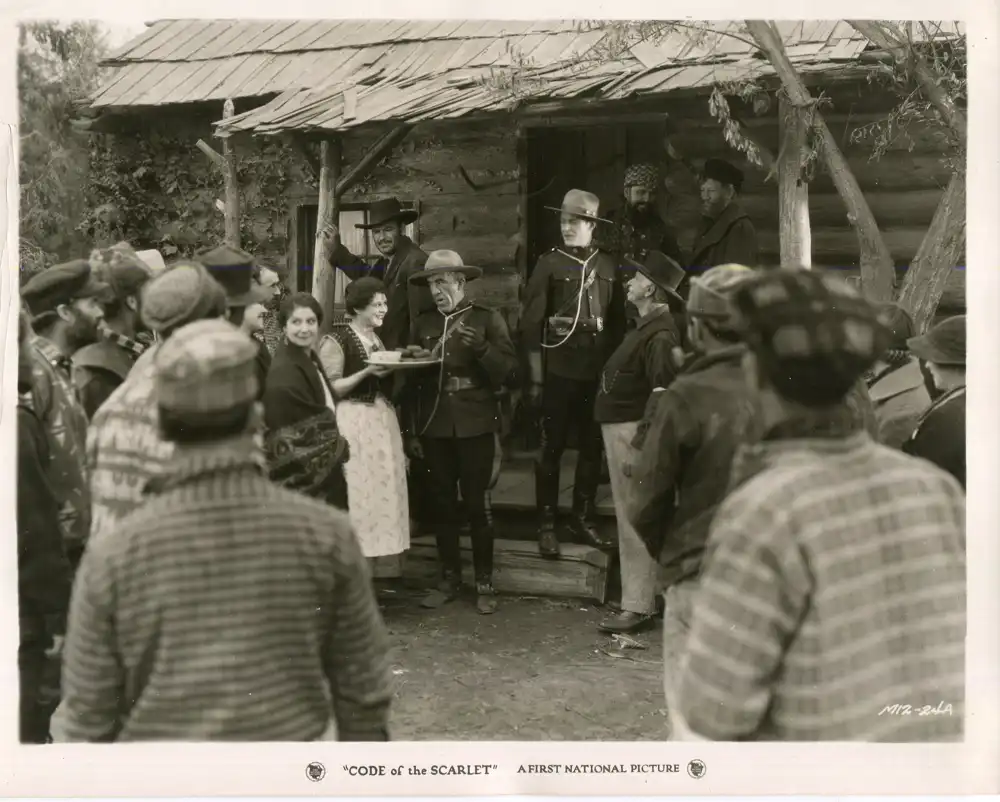
A definitive 4/10 rating for a film that redefined the boundaries of cult cinema. The Code of the Scarlet remains a cornerstone of transgressive art.
So, The Code of the Scarlet. If you’re someone who thinks all silent films are interchangeable, or if you just want a quick, tidy narrative, you can probably skip this one. But if you have even a passing interest in early Westerns, or just how melodrama was actually *done* back in 1925, there’s something here. It’s not a masterpiece, not by a long shot, but it has these weird little moments that stick with you, even if not always for the right reasons.
At its heart, it’s a classic tale of mistaken identity and star-crossed almost-lovers. Ken Maynard plays Bruce Kenton, a Royal Canadian Mounted Policeman – a Mountie, if you will – who’s chasing an outlaw. This outlaw, Frank Morgan, turns out to be the brother of Helen Morgan (Gladys McConnell), the woman Bruce is sweet on. The whole setup relies on Bruce not knowing this crucial sibling connection, leading him to believe Helen is actually in love with the fugitive. It’s a plot device so old it probably predates film itself, and here, it’s stretched pretty thin.
Maynard, as Bruce, spends a lot of the film with this very earnest, almost pained expression. You can tell he's trying to convey deep emotion, especially when he's looking at Helen, but it sometimes just reads as mild indigestion. He's a stoic hero, which works for the Mountie persona, but there are moments where a little more range would really sell the internal conflict the intertitles keep insisting he feels. There's this one scene where he just stares off into the middle distance after seeing Helen slip a note to Frank, and the shot holds for maybe five seconds too long, just him and his furrowed brow, and you almost want to shout, "Just ask her, man!"
Gladys McConnell, as Helen, fares a bit better with the emotional heavy lifting. Her desperation to protect her brother, even when it means misleading Bruce, comes through with a frantic energy that feels quite genuine. You can see the conflict in her eyes, even if the grand gestures are a bit much for modern sensibilities. She’s constantly wringing her hands or clutching her chest, which is par for the course in silent drama, but here, it actually feels earned. She sells the stakes of her situation.
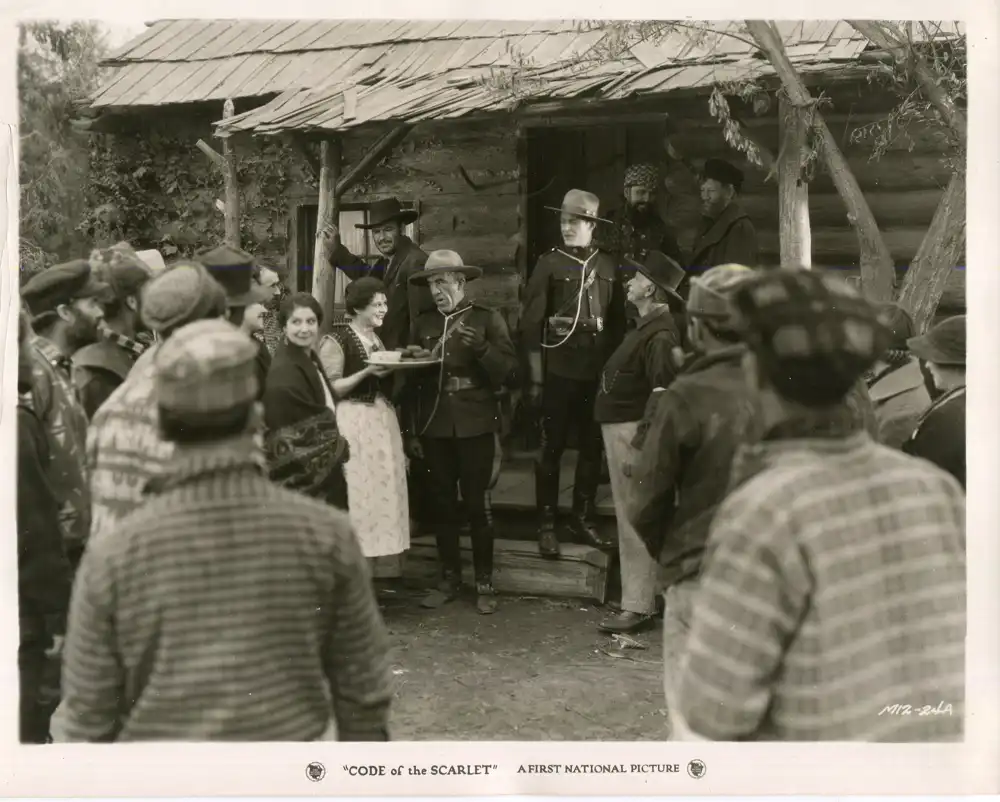
The pacing is… well, it’s a silent film from 1925. There are long stretches of riding horses through what looks like dusty California hills trying to pass for the Canadian wilderness. Some of the action sequences, particularly the horse chases, have a raw energy to them that’s fun, if a little repetitive. But then a scene will grind to a halt for a series of intertitles that explain something you’ve already figured out, or worse, just state the obvious. It feels like the filmmakers weren't quite sure if the audience was following along without constant verbal cues.
One particular moment that stands out for its awkwardness is when Frank is framed. It happens so quickly, almost in the background, like an afterthought. The real crook, who is frankly forgettable, just sort of materializes, does his dirty deed, and vanishes. Then Frank gets shot, and Helen, of course, thinks Bruce did it. The whole sequence feels rushed and a bit sloppy, undermining the dramatic weight it's supposed to carry. You can almost feel the movie trying to convince you this moment matters, but the execution just isn't there.
The intertitles themselves are a mixed bag. Some are genuinely poetic, setting a mood, but others are blunt to the point of comedy. There’s one where a character essentially says, “I am going to do a bad thing now,” and you just shake your head. It pulls you right out of any immersion the film might have built up. And the dialogue they represent? Very much of its time, full of declarations and exclamations that feel a bit stiff now.
The chemistry between Maynard and McConnell is... understated. They spend more time looking at each other with concern or suspicion than with outright passion. When they finally do get a moment, it’s more about relief than romance, which might be fitting for the arduous journey they’ve been on. It’s not a burning love story, but more a story of two decent people caught in a tangle of circumstances.
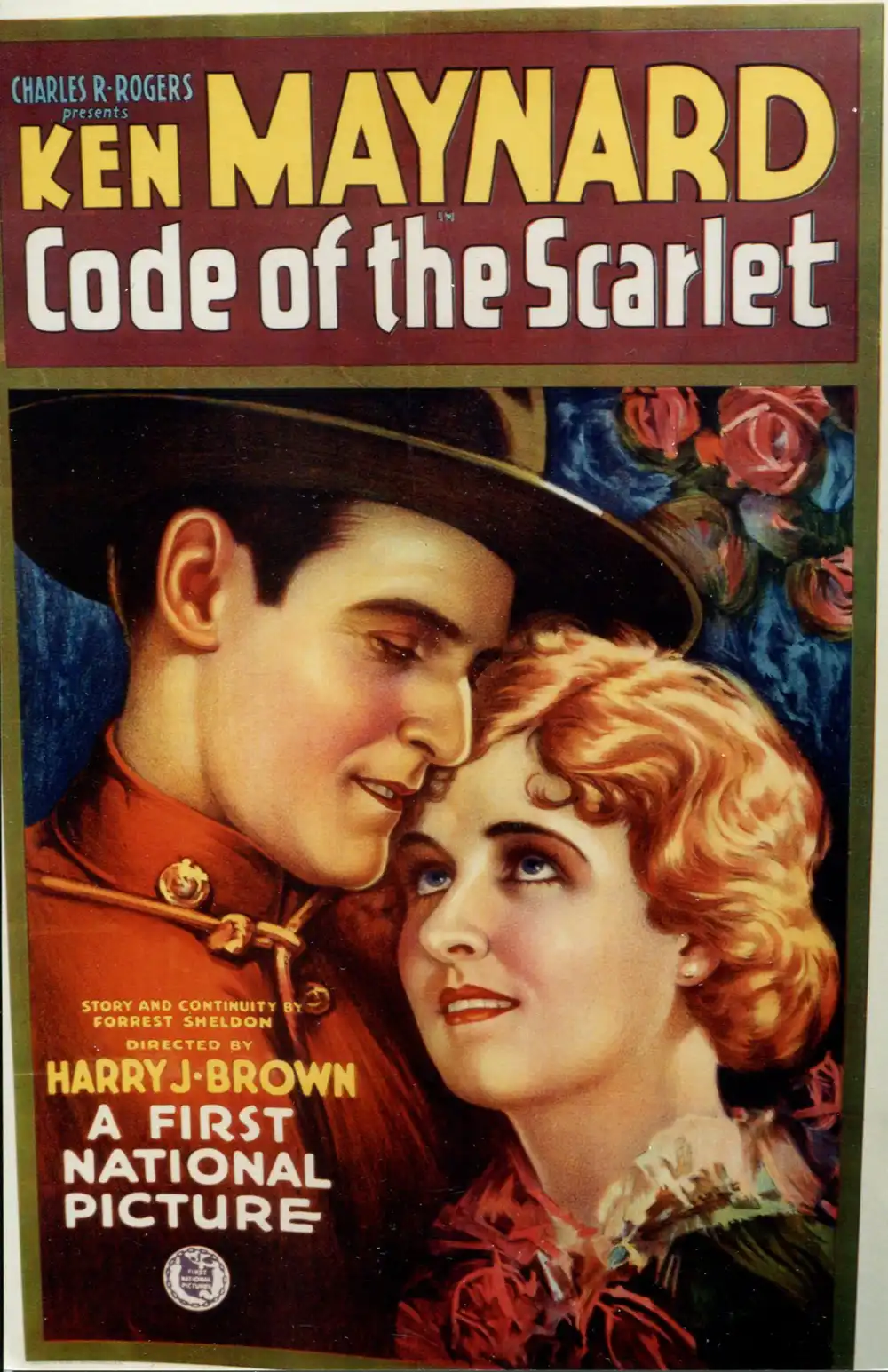
Visually, it's pretty standard for the era. Lots of wide shots of landscapes, some surprisingly effective close-ups to convey emotion (mostly Helen's). The RCMP uniforms on Maynard and his fellow Mounties look sharp, though you can almost feel the dust clinging to the wool. The crowd scenes have this oddly empty feeling, like half the extras wandered off for lunch and never quite came back. It lends a slightly eerie, unpopulated quality to some of the town sequences.
There's a recurring visual motif, perhaps unintentional, of characters constantly looking over their shoulders, as if something is always about to jump out at them. It creates a subtle, almost paranoid atmosphere that actually works better than some of the more overt dramatic beats. You feel the tension of the wilderness, the constant threat of the unknown, even if the specific villains are a bit flimsy.
By the time the big misunderstanding is cleared up – and it takes a while, let me tell you – you’re less invested in the romance and more relieved that everyone finally has their facts straight. The ending feels a little abrupt, a quick resolution tacked on after a lot of wandering. It’s not an emotionally satisfying crescendo, more of a quiet sigh.
Is The Code of the Scarlet a must-see? Probably not for most. But if you’re a silent film enthusiast, or just curious about how these foundational genre films operated, it offers a decent, if flawed, peek. It’s a film that asks for patience, and rewards it with a few genuine moments of early cinematic charm amidst the melodrama and slightly clunky narrative choices. Just don't expect a tight, modern thriller. This is a different beast entirely.
IMDb —
1926
Community
Log in to comment.