DbcultAccessing Vault...
6.7/10
Senior Film Conservator
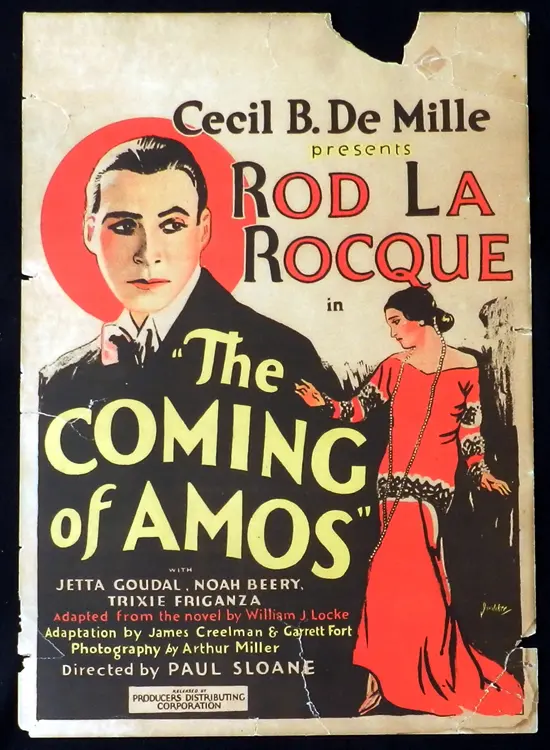
A definitive 6.7/10 rating for a film that redefined the boundaries of cult cinema. The Coming of Amos remains a cornerstone of transgressive art.
The Coming of Amos, a cinematic endeavor from the early 20th century, presents a nuanced exploration of human emotions, set against the picturesque landscape of the French Riviera. This film, though lesser-known in contemporary times, offers a rich tapestry of themes that continue to resonate with audiences today.
The narrative unfolds with a sense of obligation and duty, as an Australian sheep rancher, driven by his promise to his dying mother, embarks on a journey to visit his uncle in France. This simple premise belies a complex web of relationships and personal struggles, expertly woven by the film's writers, Garrett Fort, William J. Locke, and James Ashmore Creelman.
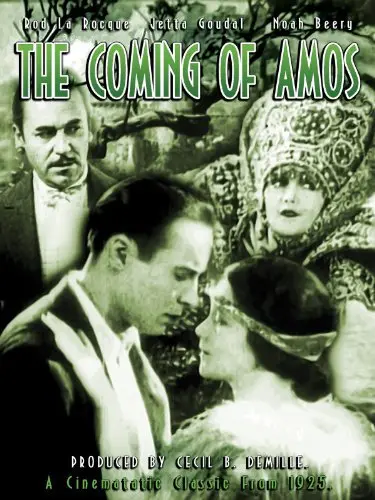
Upon his arrival on the French Riviera, the protagonist's life intersects with that of a Russian princess, whose tragic circumstances have led her into a loveless marriage. This union, a desperate attempt to protect her family from the onslaught of Communism, serves as a poignant backdrop to the blossoming romance between the two leads. Trixie Friganza, Clarence Burton, Rod La Rocque, and Jetta Goudal deliver performances that breathe life into these characters, imbuing them with a sense of vulnerability and depth.
The film's portrayal of love as a redemptive force is a theme that resonates deeply. The chemistry between the Australian rancher and the Russian princess is palpable, and their romance serves as a beacon of hope amidst the turmoil that surrounds them. This narrative thread is reminiscent of other films that explore the transformative power of love, such as The Triumph of Love, which similarly delves into the complexities of relationships and personal growth.
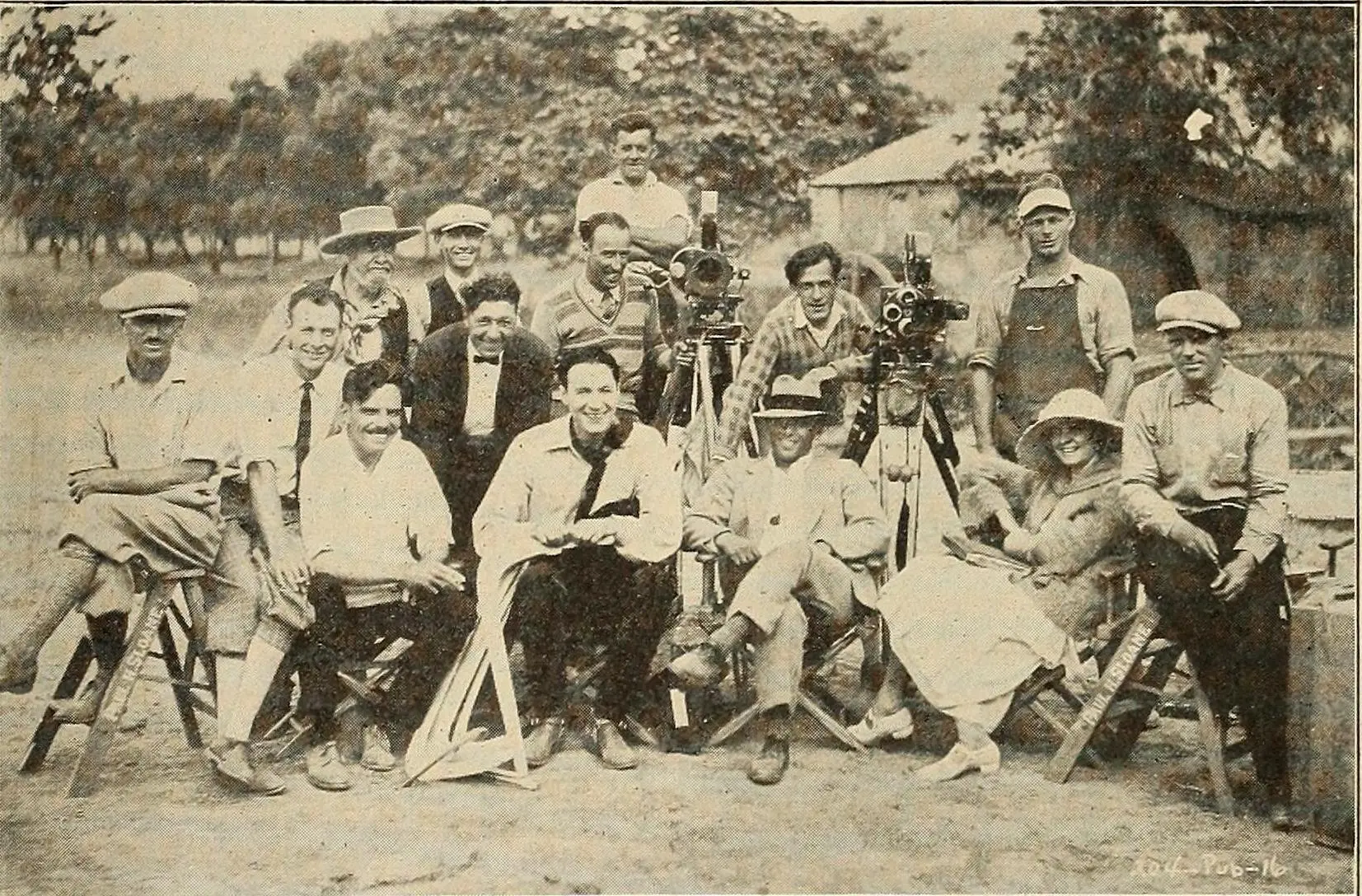
The cinematography of The Coming of Amos is noteworthy, capturing the breathtaking landscapes of the French Riviera. The visual contrast between the rugged Australian outback and the luxuriant European setting serves to underscore the protagonist's journey, both physically and emotionally. This juxtaposition of environments is a clever narrative device, highlighting the transformative nature of the protagonist's experiences.
In terms of thematic resonance, The Coming of Amos invites comparison with The Greek Interpreter, which also navigates the intricacies of personal relationships and the confluence of fate. Both films share a common thread in their exploration of human connection, albeit through different narrative lenses.
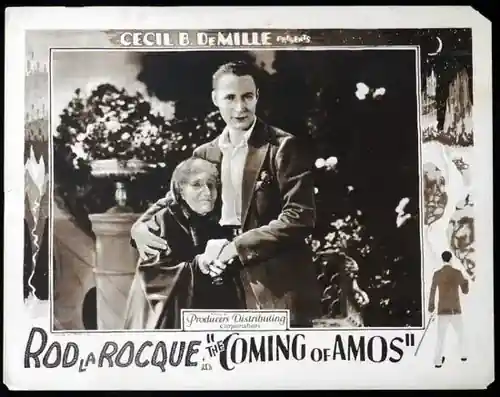
The performances in The Coming of Amos are complemented by a supporting cast that adds richness to the film's tapestry. Richard Carle, Ruby Lafayette, and Noah Beery, among others, contribute to a cinematic experience that feels both authentic and engaging. Their portrayals serve to flesh out the world of the film, making the characters' struggles and triumphs all the more relatable.
As a cinematic work, The Coming of Amos stands as a testament to the enduring power of storytelling. Its exploration of love, loss, and self-discovery continues to captivate audiences, offering a glimpse into the human condition that is both poignant and universally relatable. In an era of rapidly evolving cinematic techniques, this film's enduring appeal lies in its timeless themes and the authenticity of its characters.
In conclusion, The Coming of Amos is a hidden gem of early 20th-century cinema, offering a compelling narrative that explores the complexities of human emotions. Its themes of love, redemption, and personal growth continue to resonate with audiences today, making it a must-see for fans of classic cinema. For those interested in exploring more films of a similar nature, The Master Cracksman and Unknown Switzerland offer additional insights into the human condition, each through their own unique narrative lenses.
IMDb —
1915
Community
Log in to comment.