DbcultAccessing Vault...
Cult Review
Senior Film Conservator
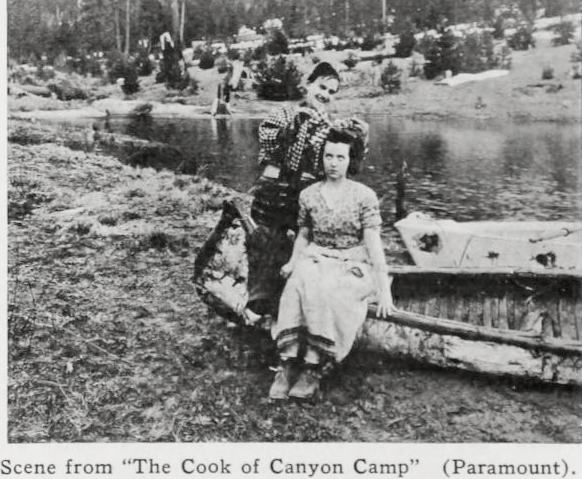
Stepping back into the golden age of silent cinema often feels like unearthing a forgotten treasure, and such is the case with 1917's delightful offering, The Cook of Canyon Camp. This film, a poignant blend of rustic charm, genuine human connection, and a dash of well-intentioned romantic entanglement, transcends its era to deliver a narrative that still resonates with warmth and sincerity today. Directed by Donald Crisp, who also contributed to the screenplay alongside Julia Crawford Ivers, the movie unfolds against the picturesque, rugged backdrop of a Quebec lumber camp, a setting that provides both a sense of isolation and a canvas for profound community spirit. It's a testament to the storytelling prowess of the period, demonstrating how compelling narratives could be woven without the spoken word, relying instead on the nuanced performances of its cast and the evocative power of visual storytelling.
At its heart lies Jean, portrayed with endearing authenticity by George Beban, a figure whose culinary artistry is as legendary as his compassionate soul. Jean isn't merely a cook; he is the epicurean anchor of the camp, his celebrated flapjacks a symbol of comfort and camaraderie. These aren't just pancakes; they're an institution, a daily ritual that binds the rough-hewn men of the lumber camp together, offering a moment of simple, unadulterated joy amidst their arduous labor. Beban imbues Jean with a quiet dignity and an almost paternal concern for his fellow man, making him an instantly lovable and relatable protagonist. His benevolent spirit sets the stage for a narrative that explores themes of empathy, sacrifice, and the often-unforeseen consequences of good intentions.
The serene rhythm of the camp is gently disrupted by the arrival of Silent Jack, a character whose moniker perfectly encapsulates his profound melancholia. Portrayed by Monroe Salisbury, Jack arrives as a figure shrouded in an almost tangible aura of dejection, his silence speaking volumes about an inner turmoil that he struggles to articulate. Jean, with his keen observational skills and an innate sensitivity, quickly perceives the depth of Jack's sorrow. It's a beautiful portrayal of masculine empathy, devoid of overt sentimentality, as Jean quietly observes and then, with gentle persistence, coaxes the truth from the heartbroken newcomer. The discovery that Jack's wife has abandoned him strikes a chord deep within Jean, igniting a fervent desire to mend this fractured relationship. This pivotal moment, where Jean moves from observer to active participant in another man's suffering, is exquisitely handled, setting the emotional stakes for the film's central conflict. It’s a compelling example of how silent films, through pantomime and subtle facial expressions, could convey complex emotional landscapes with remarkable clarity, an aspect that fans of films like The Inner Struggle might find particularly engaging in its exploration of internal conflict.
What follows is a testament to Jean's boundless generosity and perhaps, a touch of naivety. Convinced that a heartfelt appeal is all that's needed to reunite the estranged couple, he concocts a plan that is as audacious as it is endearing. Jean, who is, in fact, a bachelor, decides to pretend he too is married. His logic is simple yet profound: by demonstrating that even a rough lumberjack cherishes his distant spouse, Jack might be inspired to craft a more loving message to his own wife. This benevolent deception is the linchpin of the narrative, a classic comedic and dramatic trope that sets the stage for both heartfelt reconciliation and inevitable misunderstanding. The scene where Jean coaches Jack to write an affectionate letter, dictating words of love and longing, is imbued with a charming sincerity, highlighting Jean's selfless nature. He pours his own idealized vision of marital affection into Jack's pen, hoping to ignite a similar flame in Mrs. Jack’s heart. This kind of grand, well-intentioned gesture, though fraught with potential peril, echoes the dramatic undercurrents found in stories of noble sacrifice, much like the thematic threads woven through films such as Pro Patria, where personal commitment drives the narrative forward.
The ruse, against all odds, works. The letter, brimming with Jean's borrowed affection, reaches Mrs. Jack, brilliantly played by Helen Jerome Eddy, whose initial skepticism gives way to a softening heart. The estranged couple is reconciled, a testament to the power of a well-placed word and a compassionate heart. The relief and gratitude emanating from Jack are palpable, and the audience shares in the quiet triumph of Jean's altruistic scheme. However, as is often the case with such intricate plans, unforeseen complications arise. Jean’s fabricated marital status, intended only as a temporary expedient for Jack’s benefit, soon casts a long shadow over his own romantic prospects.
Enter Marie, Jean’s sweetheart, portrayed with captivating grace by Florence Vidor. Marie is a character of spirited independence and genuine affection for Jean. Their burgeoning romance is a sweet counterpoint to the more dramatic elements of Jack's story, adding a layer of charming anticipation to the narrative. When Marie, through no fault of her own, learns of Jean's supposed wife, the revelation hits her with the force of a betrayal. Her heartbreak is profound and utterly understandable, a raw emotional moment that highlights the delicate balance between truth and deception, even when the latter is born of the noblest intentions. Vidor's performance here is particularly noteworthy, conveying a complex range of emotions – confusion, hurt, and a touch of indignation – without uttering a single word. It’s a masterclass in silent film acting, showcasing the power of expressive eyes and subtle gestures to communicate deep psychological states. This kind of romantic misunderstanding, driven by well-meaning but ultimately convoluted plots, was a staple of the era, seen in many films that explored the intricacies of human relationships, much like the charming yet often fraught romantic entanglements depicted in Merely Mary Ann.
The dramatic tension built around Marie's distress is expertly resolved with a satisfying clarity. Jean, faced with the consequences of his compassionate subterfuge, is compelled to explain the entire convoluted truth to Marie. The scene of his confession is handled with sensitivity, allowing Marie’s initial anger to dissipate as she grasps the selfless motivation behind his actions. It’s a moment of profound emotional catharsis, not just for the characters, but for the audience, who have been rooting for Jean’s happiness throughout. The relief is palpable as understanding dawns on Marie, leading to a tender reconciliation that solidifies their bond. This resolution underscores the film’s overarching message: that genuine kindness, even when it takes a circuitous path, ultimately leads to truth and happiness. The way the narrative deftly navigates these emotional peaks and valleys is a credit to Crisp's direction and the nuanced screenplay by Crisp and Ivers. Their ability to craft a story that balances humor, pathos, and genuine human drama without veering into excessive melodrama is a hallmark of quality silent filmmaking.
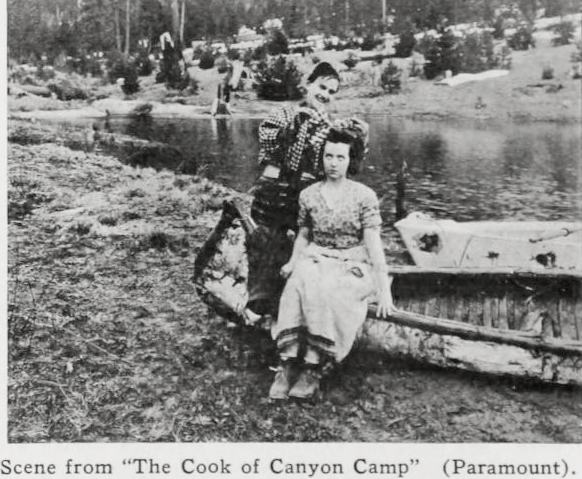
With the misunderstandings cleared and hearts reunited, Jean and Marie’s story culminates in a joyous union. Their wedding is not just a celebration of their love, but also a testament to the ripple effect of Jean’s initial act of kindness. The grateful Jack, deeply touched by Jean's selfless intervention in his own life, provides the financial backing for Jean and Marie to embark on a new adventure. They leave the rustic confines of Canyon Camp for the bustling opportunities of the city, not to retire, but to pursue a grander culinary dream: the establishment of a 'Flapjack Palace.' This whimsical, yet deeply symbolic, enterprise represents the culmination of Jean's journey – from a simple camp cook to an entrepreneur whose culinary creations will now delight an even wider audience. It’s a charmingly optimistic ending, affirming the power of good deeds and the boundless potential of love and entrepreneurial spirit.
The strength of The Cook of Canyon Camp lies not only in its heartwarming plot but also in the compelling performances of its ensemble cast. George Beban, a prolific actor of the era known for his sympathetic portrayals, particularly of immigrant characters, truly shines as Jean. He brings a profound humanity to the role, communicating warmth, sincerity, and a quiet strength without relying on bombast. His facial expressions and body language are remarkably articulate, allowing the audience to feel every pang of his compassion and every flicker of his concern. Beban's performance anchors the film, making Jean a character we instantly root for and admire. His ability to convey such depth of emotion with subtlety is a masterclass in silent acting, reminiscent of the nuanced characterizations seen in films like Chimmie Fadden Out West, where character depth was paramount.
Florence Vidor, as Marie, is equally captivating. She imbues her character with a spirited intelligence and an undeniable charm that makes her a perfect foil and partner for Jean. Her portrayal of heartbreak and subsequent understanding is particularly moving, showcasing her range and ability to connect with the audience on an emotional level. Monroe Salisbury's Silent Jack is a beautifully understated performance, his initial despondency slowly giving way to hope and gratitude, making his character arc incredibly satisfying. Helen Jerome Eddy, as Mrs. Jack, also delivers a performance that contributes significantly to the film's emotional resonance, demonstrating the power of a woman's heart to forgive and reconnect. The chemistry among the principal actors is palpable, contributing significantly to the film’s overall warmth and authenticity.
The writing by Donald Crisp and Julia Crawford Ivers is remarkably astute, crafting a narrative that balances comedic elements with genuine emotional drama. The screenplay avoids cheap gags, instead deriving its humor from character interactions and the inherent irony of Jean's well-intentioned deception. The pacing is deliberate, allowing the audience to fully immerse themselves in the lives of these characters and the world of the lumber camp. Crisp's direction is similarly thoughtful, emphasizing clear visual storytelling and allowing the actors the space to convey their emotions through expressive physicality. The film's cinematography, while typical of the era, effectively captures the rugged beauty of the setting and the intimate moments between characters. It’s a well-constructed piece of cinema that stands as a testament to the collaborative artistry of its creators.
In an era often dominated by grand historical epics or sensational melodramas, The Cook of Canyon Camp offers a refreshing, intimate narrative rooted in everyday human kindness. It’s a film that reminds us of the power of empathy and the often-unpredictable paths that good intentions can forge. While it might not possess the dramatic intensity of a film like The Avalanche or the social commentary of The Yellow Passport, its strength lies in its gentle, heartwarming approach to storytelling. It's a film that prioritizes character and emotional authenticity over spectacle, a quality that allows it to resonate with audiences even today.
The enduring appeal of this movie stems from its universal themes: the desire to help others, the complexities of romantic love, and the pursuit of one's dreams. Jean's journey from a beloved camp cook to the proprietor of a 'Flapjack Palace' is a charming metaphor for the rewards that often follow selfless acts. It’s a narrative that champions the quiet hero, the individual whose profound impact is felt through acts of kindness rather than grand gestures of power. The film's optimistic outlook and its belief in the fundamental goodness of people make it a comforting watch, a cinematic equivalent of Jean’s own delectable flapjacks – warm, satisfying, and utterly delightful.
For those who appreciate the nuanced artistry of silent film, or simply enjoy a well-told story with a huge heart, The Cook of Canyon Camp is an absolute must-see. It’s a testament to the power of cinema to capture the simple, yet profound, beauty of human connection. Its legacy isn't built on groundbreaking special effects or controversial themes, but on its unwavering commitment to portraying the best of human nature. This film remains a charming, often overlooked, gem from the silent era, offering a sweet escape and a reminder that sometimes, the most delicious stories are cooked with a generous helping of compassion. Its delicate balance of humor and pathos, reminiscent perhaps of the nuanced character studies found in films like Idols, elevates *The Cook of Canyon Camp* beyond simple melodrama, cementing its place as a truly memorable cinematic experience. The subtle emotional performances, much like those lauded in The Woman God Forgot, allow the viewer to connect deeply with the characters' internal worlds.
In conclusion, The Cook of Canyon Camp is far more than a historical artifact; it is a vibrant, engaging piece of storytelling that continues to charm and move audiences. Its themes of altruism, the complications of good intentions, and the ultimate triumph of love and understanding are timeless. It serves as a beautiful reminder of the rich tapestry of silent cinema, proving that a film doesn't need dialogue to speak volumes to the heart. So, if you ever find yourself craving a cinematic meal that warms the soul as much as Jean's legendary flapjacks, you know exactly where to look. It's a delightful journey back to a simpler time, yet one rich with complex human emotions and universal truths.
IMDb 6.6
1932
Community
Log in to comment.