DbcultAccessing Vault...
Cult Review
Senior Film Conservator
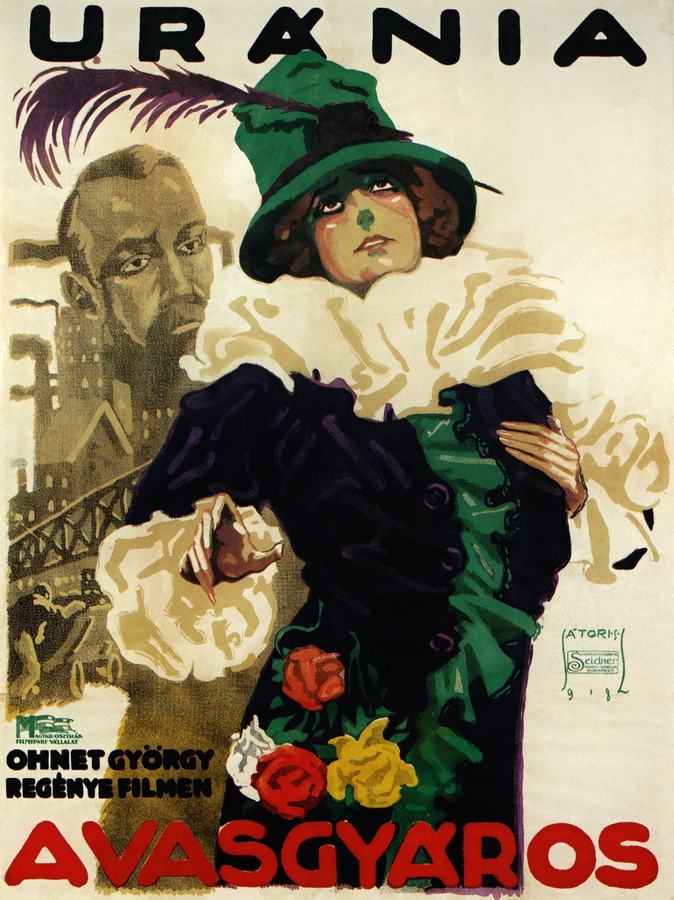
Stepping back into the nascent years of cinema, one encounters a fascinating tapestry of storytelling, often characterized by grand gestures, heightened emotions, and a profound engagement with the social mores of their time. Jenő Janovics’s A vasgyáros (The Ironmaster), a remarkable Hungarian silent film, stands as a testament to this era, offering a compelling window into the melodramatic sensibilities that captivated audiences in the early 20th century. Adapted from Georges Ohnet’s widely popular novel, Le Maître de Forges, this cinematic endeavor transcends mere narrative, delving into the intricate dance between class, pride, and the often-arduous journey toward authentic affection. It is a film that, despite its age, resonates with timeless themes of human connection and societal critique.
The central conflict, a veritable cornerstone of the film’s dramatic architecture, revolves around the ill-fated union of two disparate worlds. On one side, we have Claire de Beaulieu, portrayed with exquisite fragility and burgeoning strength by Anna Baranics. Claire is a woman born into the gilded cage of aristocracy, her life seemingly predestined for comfort and social standing. Yet, this façade shatters when her fiancé, the opportunistic Duke de Bligny, embodied with a sniveling charm by Lajos Ujváry, callously abandons her. His motivation is purely mercenary: a more lucrative dowry beckons from another quarter. This public humiliation, a lacerating blow to Claire’s pride and social standing, propels her into a desperate, almost spiteful, marriage with Philippe Derblay, the formidable ironmaster. Miklós Várady, in the titular role, delivers a performance of stoic gravitas and simmering intensity, perfectly capturing the essence of a self-made man whose wealth is matched only by his unyielding integrity and, initially, his wounded pride.
Janovics, a visionary director for his time, meticulously crafts a visual narrative that underscores the stark contrast between these two worlds. The opulent, yet ultimately hollow, drawing-rooms of the aristocracy are juxtaposed against the raw, visceral power of the ironworks, a symbol of Philippe’s self-made empire. This visual dichotomy is not merely aesthetic; it serves as a powerful metaphor for the class struggle at the heart of the story. Claire, initially trapped by her ingrained prejudices, views Philippe through a lens of aristocratic disdain. Her initial coldness, a shield against further emotional vulnerability and perceived social descent, wounds Philippe deeply. Várady’s portrayal of Philippe’s internal struggle—his profound love for Claire battling against his fierce pride—is a masterclass in silent film acting, conveyed through subtle shifts in posture, the intensity of his gaze, and the controlled tremor of his hands. It’s a performance that speaks volumes without uttering a single word, a hallmark of the era’s finest talents.
The reappearance of the Duke de Bligny, a specter from Claire’s past, ignites the dramatic fireworks that drive the film toward its emotional climax. Ujváry’s Duke is not merely a villain; he is a catalyst, a personification of the societal superficiality that Claire must ultimately transcend. His machinations and attempts to reclaim Claire, or at least to sow discord in her marriage, force both Claire and Philippe to confront their deepest insecurities and desires. The ensuing confrontations, often culminating in tense, almost unbearable, silent exchanges, are where the film truly shines. The emotional stakes are palpable, and the audience is drawn into the characters' inner turmoil, experiencing their frustrations, their hopes, and their gradual, agonizing enlightenment.
Janovics’s direction is marked by a keen understanding of pacing and visual storytelling. He allows scenes to breathe, building tension through lingering close-ups and carefully composed wide shots that emphasize the emotional distance or burgeoning intimacy between characters. The use of intertitles, a necessity of the silent era, is handled judiciously, providing just enough exposition to guide the narrative without overwhelming the visual poetry. One can envision the director’s meticulous attention to detail in the set design and costume choices, each element contributing to the overall verisimilitude and thematic resonance of the film. The cast, a formidable ensemble of Hungarian talent, including Rezsö Harsányi, Károly Lajthay, and the ever-charming Lili Berky in supporting roles, collectively elevate the material, lending authenticity and depth to even the minor characters. Berky, in particular, often brings a lightness or a touch of worldly wisdom to her roles, providing a counterpoint to the central couple's intense drama.
The narrative arc of Claire’s transformation is arguably the emotional core of A vasgyáros. Her journey from haughty disdain to profound love is not instantaneous; it is a gradual, often painful, process of shedding societal conditioning and recognizing true worth. Baranics masterfully conveys this evolution, her initial stiffness slowly melting into vulnerability, her eyes eventually reflecting a deep admiration and affection for her husband. Philippe, too, undergoes a subtle but significant shift. His initial pride, though justified, gives way to a more empathetic understanding of Claire’s predicament, and his love, always present, becomes less demanding and more forgiving. This mutual growth, forged in the crucible of their challenging marriage, is what elevates the film beyond simple melodrama into a poignant exploration of human connection.
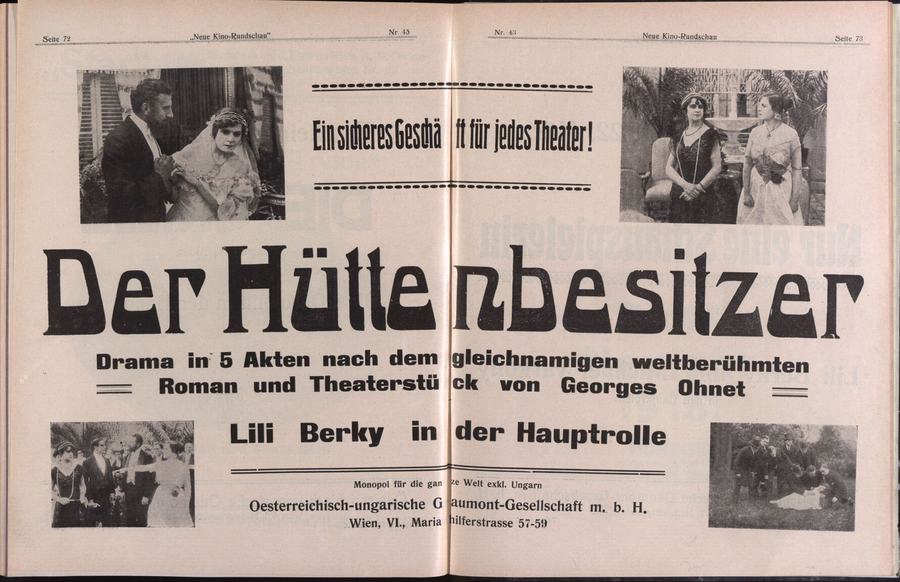
Comparing A vasgyáros to other films of its period reveals both its uniqueness and its place within a broader cinematic tradition. While films like Souls in Bondage explored the constraints imposed by social contracts and personal sacrifices, A vasgyáros specifically hones in on the clash between old aristocracy and new industrial wealth, a recurring theme in European literature and cinema. The moral dilemmas faced by its characters, particularly Claire’s internal struggle between duty and desire, echo sentiments found in The Christian, though with a distinct Hungarian cultural flavor. The film’s intricate web of romantic entanglements and social pressures also brings to mind the dramatic intricacies of Her Life and His, albeit with a more pronounced emphasis on class dynamics as a driving force.
The enduring appeal of stories like A vasgyáros lies in their ability to tap into universal human experiences: the pain of rejection, the struggle for acceptance, the transformative power of love, and the societal pressures that often dictate our choices. Janovics, with his talented cast including Ödön Réthely, Adorján Nagy,
The film’s climax, often involving a dramatic confrontation or a near-fatal incident, serves as the ultimate catalyst for Claire’s epiphany. It is in these moments of crisis that superficialities are stripped away, revealing the true character beneath. The script, co-written by Janovics himself alongside Georges Ohnet (from his novel), demonstrates a clear understanding of dramatic pacing and character development, ensuring that the emotional payoffs feel earned. The resolution, while fitting the romantic conventions of the era, still manages to feel genuinely moving, celebrating the triumph of an unconventional love forged in adversity over the empty promises of societal approval. It is a powerful affirmation that true nobility lies not in birthright, but in integrity, resilience, and the capacity for selfless love.
From a purely cinematic perspective, A vasgyáros showcases the burgeoning technical capabilities and artistic ambitions of early Hungarian filmmaking. The camera work, though perhaps static by modern standards, is thoughtfully composed, guiding the viewer’s eye to the crucial emotional beats. The editing, while adhering to the rhythm of silent film, is effective in building suspense and conveying the passage of time. One can imagine the impact of such a narrative on audiences of the day, who would have been captivated by the grand scale of the drama and the relatable human struggles depicted on screen. It’s a film that speaks to the universal desire for love and acceptance, regardless of one’s social standing.
The legacy of A vasgyáros, like many silent films, is often discovered and appreciated anew by contemporary audiences and scholars. It offers not just a glimpse into a historical form of entertainment, but a profound reflection on the enduring themes that continue to shape human experience. The class dynamics explored here, for instance, remain relevant in many societies, making the film’s commentary on wealth, status, and genuine character resonate across generations. It’s a compelling reminder that the foundational stories of cinema, even those from over a century ago, often carry messages that transcend their immediate cultural context, speaking to the timeless aspects of the human condition. The performances, particularly Várady’s steadfast intensity and Baranics’s poignant vulnerability, remain captivating, proving that true acting prowess knows no temporal boundaries.
In conclusion, A vasgyáros is more than just an artifact of early Hungarian cinema; it is a vibrant, emotionally charged drama that explores complex characters navigating a world defined by rigid social expectations. Jenő Janovics, through his astute direction and the compelling performances of his cast, delivers a film that is both a product of its time and a timeless narrative of love’s arduous triumph over pride and prejudice. It invites viewers to reflect on the true meaning of worth, challenging the superficiality of inherited status with the profound integrity of a self-made man and the transformative power of a woman’s awakened heart. Its place in film history, particularly within the context of European melodrama, is well-deserved, offering a rich and rewarding viewing experience for those willing to immerse themselves in its silent, yet eloquent, narrative.
IMDb —
1934
Community
Log in to comment.