DbcultAccessing Vault...
Cult Review
Senior Film Conservator
Can a film titled simply "Le criminel" still captivate in an era saturated with complex narratives? Short answer: yes, but with significant caveats that demand a certain kind of viewer. This is not a film for passive consumption; it's an experience that requires patience, a keen eye for subtle character work, and an appreciation for cinema that prioritizes atmosphere over overt action.
It works. But it’s flawed. This film is unequivocally for those who cherish a deep dive into psychological drama, especially fans of early 20th-century European cinema and character studies that leave more unsaid than explicitly stated. Conversely, it is decidedly NOT for viewers seeking rapid pacing, clear-cut heroes or villains, or a neatly resolved plot arc. If your cinematic diet consists primarily of explosions and unambiguous morality, "Le criminel" will likely feel like an exercise in frustration.
Andrée Cortis's "Le criminel" is less a conventional crime drama and more a profound, often unsettling, meditation on the nature of guilt, surveillance, and the indelible mark that a life outside the law leaves upon an individual. It’s a film that eschews the sensationalism often associated with its title, instead opting for a stark, almost documentary-like observation of its central figure. This approach, while challenging, yields a rich tapestry of human experience, one woven with threads of isolation and quiet desperation. The film doesn't ask us to sympathize with its protagonist, but rather to understand the circumstances and internal machinery that define such an existence.
The film opens not with a bang, but with a lingering shot, a visual overture that immediately establishes its contemplative tone. We are introduced to the world through the eyes of its unnamed 'criminel,' portrayed with haunting gravitas by Jean Lorette. Lorette, known for his nuanced performances in films like The Prodigal Liar, brings a weary authenticity to the role, conveying a lifetime of guardedness through subtle shifts in posture and a gaze that seems to hold a thousand unspoken burdens. He is not a caricature, but a man etched by his choices, existing in a perpetual state of quiet vigilance. It’s this commitment to realism that elevates "Le criminel" beyond mere genre fare.
The narrative, sparse as it is, unfolds through a series of vignettes, each contributing to the mosaic of the 'criminel's' daily life. There are no grand heists or dramatic confrontations in the traditional sense. Instead, we witness the mundane elevated to the precarious: a walk through a crowded market becomes an exercise in evasion, a quiet meal a moment of guarded vulnerability. This deliberate choice by Cortis forces the audience to engage on a deeper level, to seek meaning in the unspoken and the unseen. It's an unconventional approach, one that might alienate some, but deeply reward those attuned to its rhythm.
The strength of "Le criminel" undeniably lies in its cast, particularly the magnetic presence of Jean Lorette. As the titular figure, Lorette delivers a masterclass in understated acting. His performance is less about dialogue – which is sparse – and more about physicality and expression. There's a particular scene where his character sits alone in a dimly lit café, stirring a cup of coffee. The camera holds on his face for an uncomfortably long time, capturing a flicker of profound weariness, a moment of almost unbearable solitude. It’s in these quiet, extended shots that Lorette truly shines, conveying an entire inner world with minimal externalization. His eyes speak volumes, reflecting a life of constant self-preservation and perhaps, a hidden yearning for something lost.
Madeleine Barjac, in a role that serves as a subtle counterpoint to Lorette’s intensity, provides a crucial human element. As a woman who crosses paths with the 'criminel' – perhaps an innocent bystander, perhaps someone with a deeper connection – Barjac's performance is one of quiet strength and observant empathy. Her character, though not central to the 'criminel's' direct actions, acts as a moral mirror, reflecting the societal impact of his existence. Her gaze, often filled with a complex blend of fear and curiosity, adds a layer of external judgment that Lorette's character must navigate, even if only subconsciously. Her ability to convey so much with minimal lines reminds me of the nuanced female leads in films like A Woman's Fight, where inner turmoil is paramount.
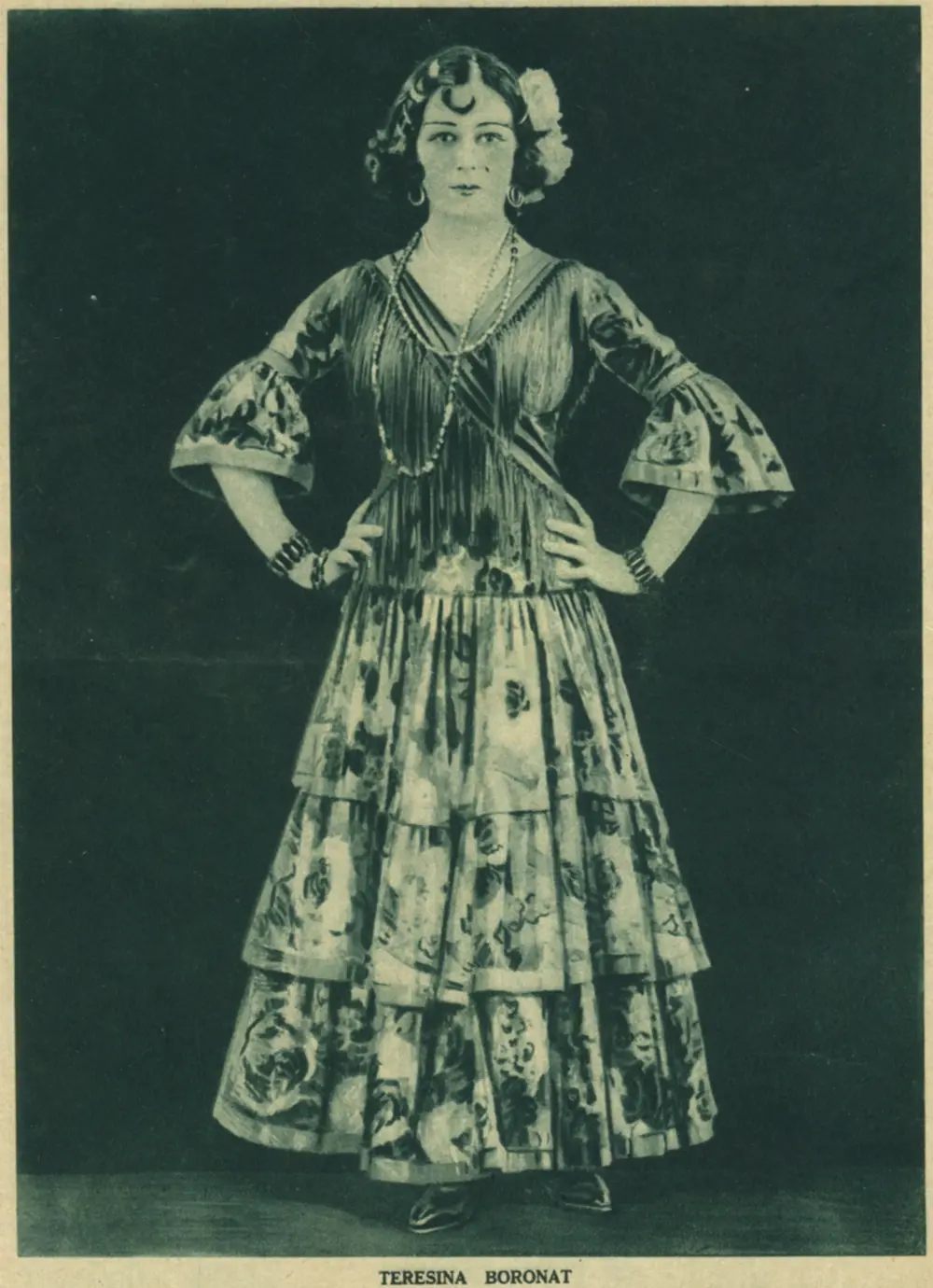
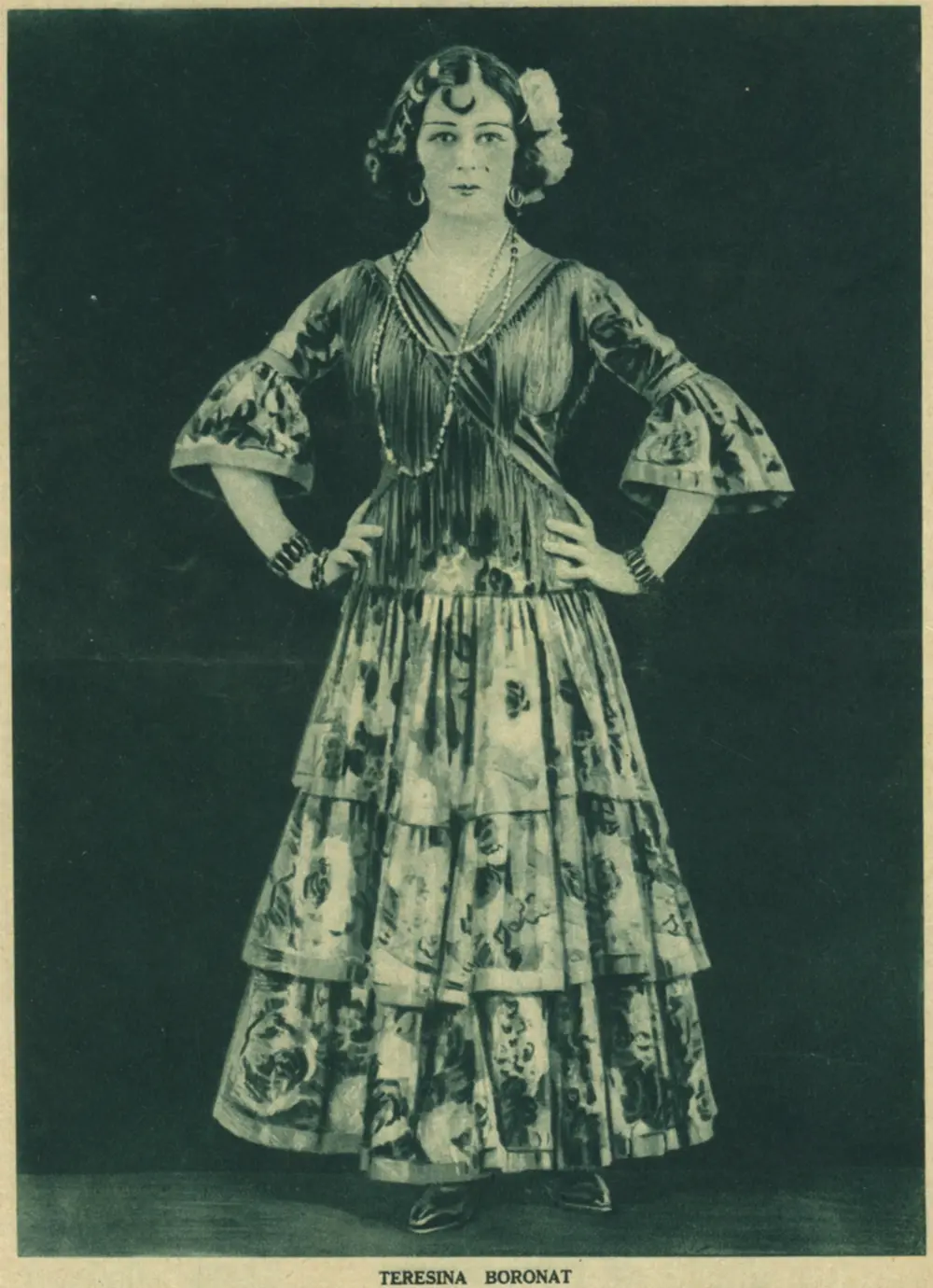
André Nox and Teresina Boronat, in their supporting roles, further flesh out this world of suspicion and fleeting connection. Nox, often seen as a figure of authority or an unwitting observer, embodies the societal pressure that weighs down on Lorette’s character. Boronat, though brief in her appearances, adds a touch of fleeting human interaction, a glimpse of normalcy that seems almost alien in the 'criminel's' isolated world. Pâquerette and Roger San Juana also contribute to the film’s rich ensemble, creating a believable backdrop against which the central drama unfolds, each face telling a small story of the bustling, indifferent world that surrounds our protagonist.
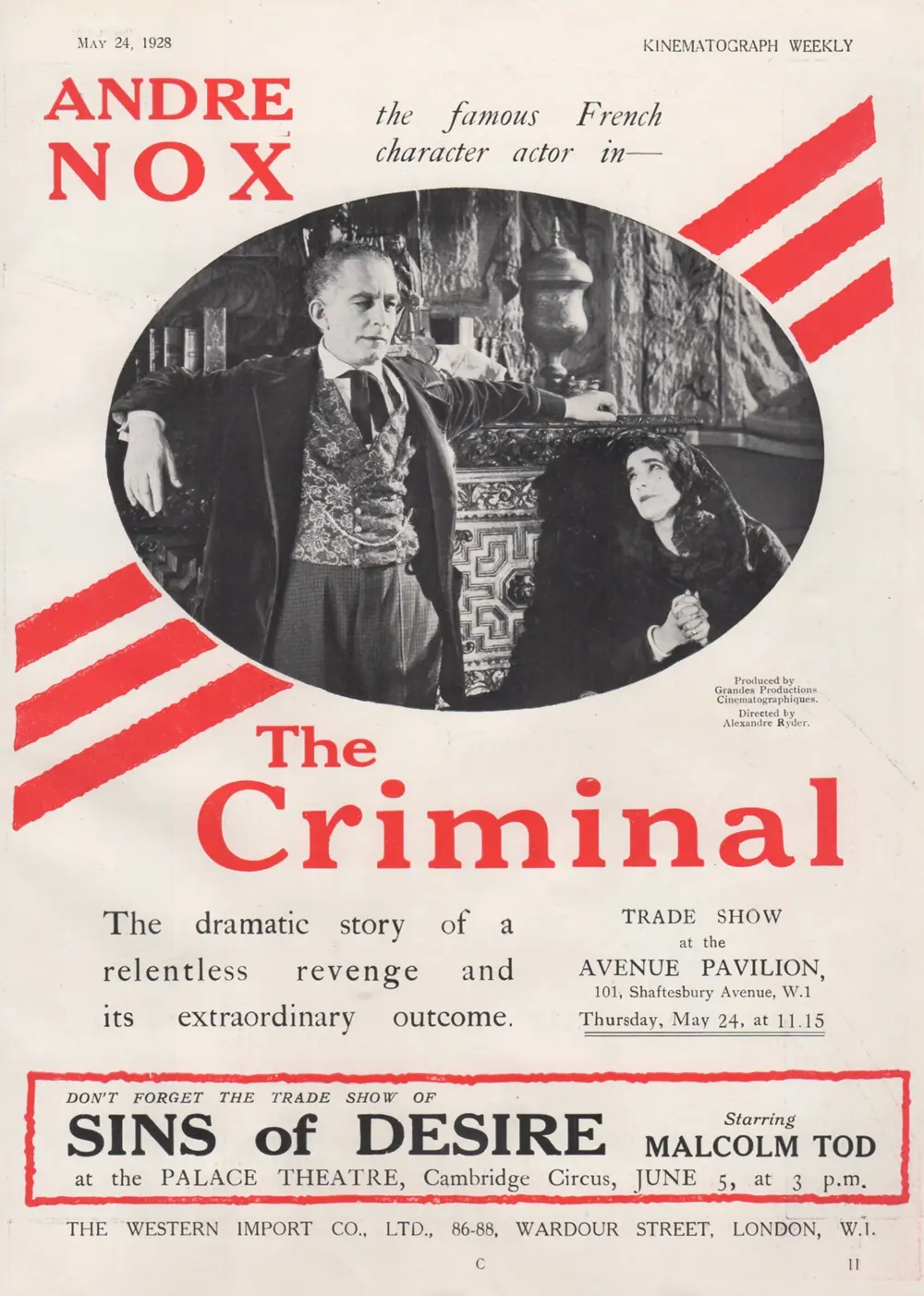
Andrée Cortis, working from her own script, demonstrates a directorial confidence that is both bold and uncompromising. Her vision for "Le criminel" is one of stark realism, utilizing the black and white palette to its fullest potential. The cinematography, credited to a collective effort that feels distinctly European in its sensibility, is a character in itself. Shadows are not merely an absence of light; they are extensions of the 'criminel's' internal state, places for concealment and reflection. The use of deep focus in certain street scenes, contrasting the sharp, isolated figure of Lorette against a blurred, indifferent city, is particularly effective. It visually articulates the character's profound alienation.
Cortis's pacing is exceptionally deliberate. This is a director unafraid to let a scene breathe, to allow the audience to absorb the atmosphere and the subtext before moving on. There are long takes that might feel indulgent to some, but to others, they are crucial for building the film's pervasive sense of dread and introspection. A particularly striking sequence involves the 'criminel' walking through an empty, rain-slicked street at dawn. The camera follows him from a distance, the only sound the rhythmic patter of rain and his footsteps. This sustained shot, devoid of dialogue, speaks volumes about his lonely existence and the weight of his circumstances. It’s a daring choice that pays off for patient viewers, much like the slow burn of Coração de Gaúcho, which also relied on environmental storytelling.
The tone Cortis establishes is consistently somber, almost melancholic, yet never entirely devoid of a certain poetic beauty. She finds grace in the grime, and profound human drama in the quietest moments. Her direction ensures that every frame, every lingering glance, serves a purpose, building a cumulative effect that is both emotionally resonant and intellectually stimulating. This is not a film that spoon-feeds its audience; it invites active participation in deciphering its rich, symbolic language.
The pacing of "Le criminel" is its most divisive element. It moves at a measured, almost languid rhythm, a stark contrast to the rapid-fire editing and constant narrative propulsion of modern cinema. This choice, however, is integral to the film's thematic core. It forces the viewer to slow down, to inhabit the 'criminel's' world of constant internal vigilance and the slow passage of time under the shadow of suspicion. Without this deliberate tempo, the psychological weight of his existence would be lost. It's a film that demands your full attention, rewarding patience with a deeper understanding of its character and themes.
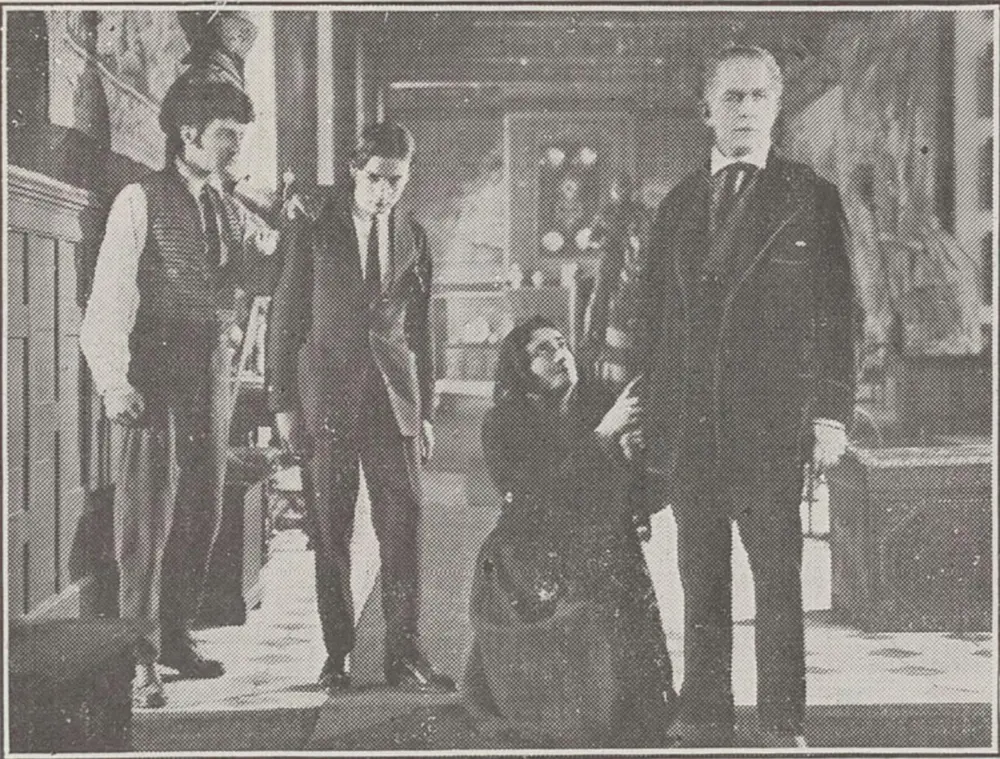
The tone is consistently bleak, yet infused with a quiet humanity that prevents it from descending into pure despair. There's a pervasive sense of fatalism, a feeling that the 'criminel' is trapped by his past and present, but also moments of fleeting beauty or unexpected connection that hint at a longing for redemption or a different path. This delicate balance is a testament to Cortis's nuanced storytelling. The film explores themes of societal judgment, the burden of a secret life, and the inherent loneliness of being an outsider. It doesn't offer easy answers or moral pronouncements; instead, it presents a complex human being caught in an unforgiving world, leaving the audience to ponder the implications.
One of the film's most unconventional observations is its treatment of the 'crime' itself. It's almost entirely absent from the screen, existing only as a specter, a catalyst for the psychological drama. This deliberate omission forces us to focus not on the act, but on its profound and lasting consequences on the human soul. It's a surprisingly effective narrative device, making the unseen crime far more impactful than any on-screen depiction could have been.
"Le criminel" is a film that defies easy categorization and immediate gratification. It is not a crowd-pleaser, nor does it strive to be. Instead, it stands as a testament to cinema's power to explore the darkest corners of the human psyche with sensitivity and artistic integrity. Jean Lorette's performance is a masterclass in quiet intensity, anchoring a film that might otherwise drift into abstraction. Andrée Cortis's direction is bold, deliberate, and visually poetic, transforming a simple premise into a profound meditation.
While its glacial pacing and minimalist narrative will undoubtedly test the patience of some, those willing to surrender to its unique rhythm will find a deeply rewarding experience. This is a film that lingers, its images and themes resonating long after the screen fades to black. It's a challenging watch, certainly, but one that offers a rare glimpse into the complex emotional landscape of a life lived on the edge. "Le criminel" is a significant piece of cinematic art, demanding respect for its craft and its unflinching honesty. It might not be for everyone, but for the right audience, it's an essential, haunting experience that holds up surprisingly well against the test of time, proving that sometimes, the most powerful stories are told in the quietest ways.

IMDb —
1921
Community
Log in to comment.