DbcultAccessing Vault...
5.9/10
Senior Film Conservator
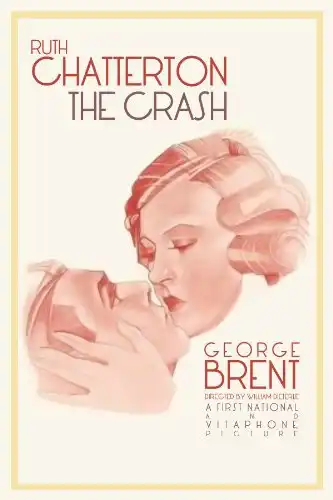
A definitive 5.9/10 rating for a film that redefined the boundaries of cult cinema. The Crash remains a cornerstone of transgressive art.
Alright, so if you're into old movies, especially the ones that really dig into the Great Depression's vibe, then The Crash from 1932 is definitely worth a look. It’s a pretty intense watch for how straightforward it is. People who love classic Hollywood melodrama, or just curious about how they told these stories back then, will find a lot to chew on. But if you need fast pacing, explosions, or a super complicated plot, you'll probably find it a bit of a snooze. 😴
The whole thing kicks off with Linda Gault (Ruth Chatterton) and her husband Geoffrey (George Brent) living the absolute high life. I mean, their house is just ridiculous. Huge. So many servants. Then, boom. The stock market crashes, and suddenly, they're not just a little less rich. They're basically penniless. It’s a hard fall, and the movie doesn’t shy away from showing the ugly side of it.
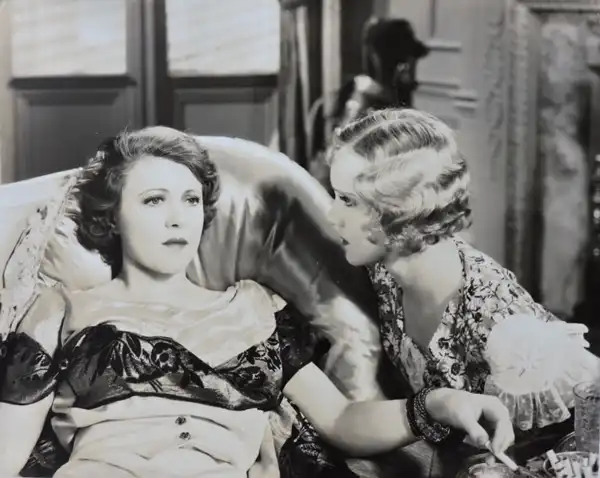
What really hit me was Ruth Chatterton's performance as Linda. She goes from this totally spoiled, almost bratty socialite to someone who’s really struggling. There's a scene where she's trying to figure out how to cook on a gas stove in their tiny new place, and it’s just… awkward. You can tell she’s never lifted a finger in her life. It's kinda sad, but also a little funny in a dark way. 😂
George Brent as Geoffrey, her husband, he’s interesting too. He’s the one who really messed up their money, obviously. He gets so desperate trying to get it back, and it starts to push them apart. His character feels very much of that era, this almost stiff upper lip even when everything is falling apart around him. He's not quite as expressive as Linda, which actually works.
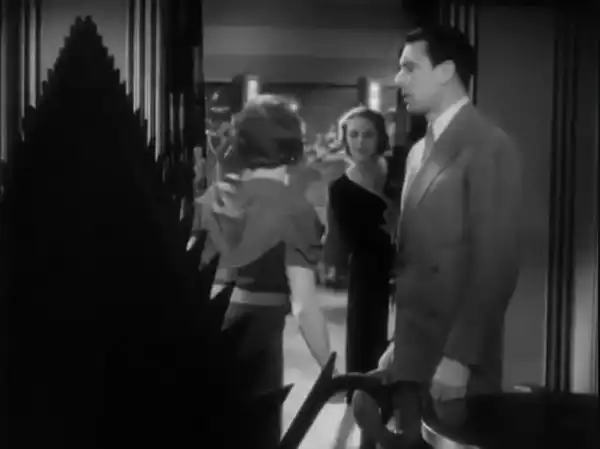
There's a moment when Linda is trying to sell her jewelry, and the pawnbroker, played by Henry Kolker, just gives her this look. Not mean, just tired. Like he’s seen a million rich ladies come in with their last sparkly bits. It’s a quick shot, but it really nails the feeling of the times. Everyone’s struggling, even the people taking advantage of the struggle.
The dialogue is so direct. No fancy metaphors, just people saying exactly what they mean, usually about money or how awful life is now. It makes the film feel very immediate, even though it's almost 100 years old. You don't get much subtlety. 🗣️
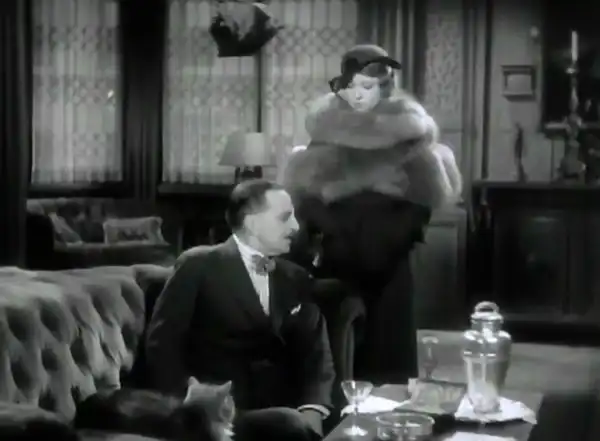
And the sets! Oh boy, the sets. From their sprawling mansion with its huge, empty rooms that just scream 'we have too much space,' to the tiny, cramped apartment they end up in. The contrast is stark. You really feel the downgrade. The interior design of the rich house, too, it's so specific to that pre-Depression opulence. Like, velvet everywhere.
One small thing I noticed: the way the women dress, even when they've lost everything, they still try to maintain a certain look. Linda’s coats always seem a bit too fancy for her new situation. It’s a little detail, but it speaks volumes about pride and trying to keep up appearances.
The movie does get a bit preachy sometimes, especially when it tries to hammer home the moral of the story about money not buying happiness. But it never quite loses its grip on the human element. You still care about Linda, even when she's being a bit much.
There’s this odd little subplot with another couple, Fred and Helen (Paul Cavanagh and Helen Vinson), who are also struggling but trying to make it work. Their story feels a bit tacked on, almost like the writers needed more reasons for Linda and Geoffrey to argue. It's not bad, just feels a little... extra.
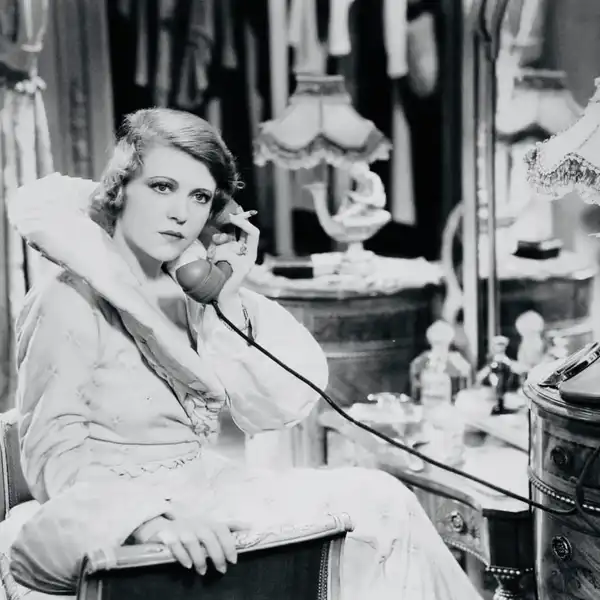
The whole thing kind of builds to this big confrontation between Linda and Geoffrey. It's loud, it's dramatic. You can really feel the tension of their marriage fraying under the pressure of financial ruin. They both make some questionable choices, which is probably the most realistic part of the whole film. No one comes out looking perfect.
I also appreciated how the film doesn’t wrap everything up in a neat little bow. It ends on a note that feels hopeful, but also a little uncertain. Like, yeah, they might be okay, but it’s gonna be a long road. Which, for 1932, is a pretty bold choice. They weren't afraid to leave you thinking.
If you've seen other pre-Code films, you'll recognize the bluntness. It’s not quite as scandalous as something like Whatever She Wants might have been, but it doesn't hold back on showing the human cost of a financial disaster. It's a solid, if sometimes melodramatic, piece of early Hollywood. Definitely worth it if you’re into that era. 👍
IMDb 6
1934
Community
Log in to comment.