DbcultAccessing Vault...
5.4/10
Senior Film Conservator
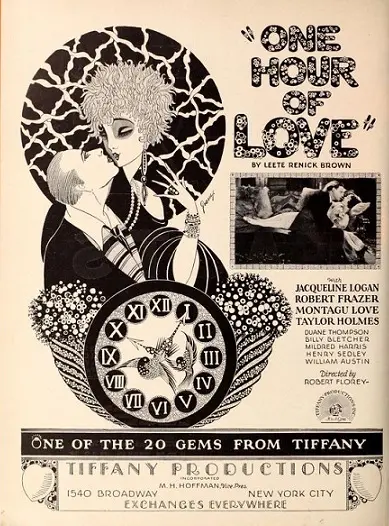
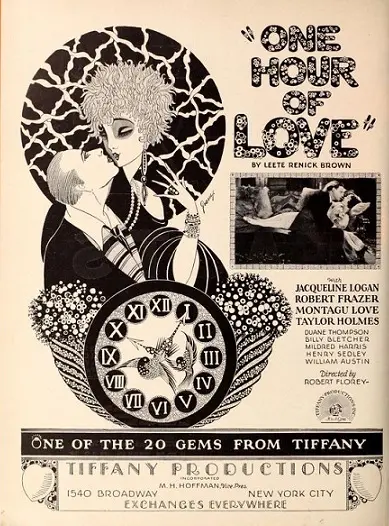
A definitive 5.4/10 rating for a film that redefined the boundaries of cult cinema. One Hour of Love remains a cornerstone of transgressive art.
Is One Hour of Love a silent film worth your modern attention? Short answer: Yes, but only if you appreciate the psychological evolution of a character who starts as a villain of her own story.
This film is for enthusiasts of late-silent era character studies and those who enjoy the 'enemies-to-lovers' trope done with genuine grit. It is not for those who demand fast-paced action or who find the 'taming' narratives of the 1920s inherently unpalatable.
1) This film works because Jacqueline Logan manages to make a fundamentally unlikable protagonist sympathetic through a series of subtle, non-verbal shifts in her performance.
2) This film fails because the subplot involving Tom Webb feels like a vestigial organ from a much older, less sophisticated melodrama.
3) You should watch it if you want to see the exact moment silent cinema transitioned from pantomime to internal psychological realism.
In 1927, the 'society girl' was a common trope, often seen in films like Exit the Vamp. However, Jacqueline Logan’s Jerry McKay is different. She isn't just flighty; she is dangerous in her boredom.
The early scenes at the ranch are crucial. When Jerry fires her gun against Warren's orders, it isn't just a plot point about firearm safety. It is a direct challenge to his authority and his masculinity.
Robert Frazer, playing James Warren, provides a necessary anchor. He is the 'straight man' to Jerry's chaotic energy. His performance is stoic, reminiscent of the rugged leads in The Man from Hell's River.
The chemistry between the two is palpable. It isn't built on grand gestures but on the tension of two worldviews colliding. It works. But it’s flawed.
The central conceit—a wager to win a proposal—is a cynical one. It positions love as a game of conquest. This was a popular narrative device in the era, often explored in films like The Rag Man, though usually with more comedic intent.
Here, the wager feels heavy. When Jerry starts to 'perform' the role of the ideal woman to win Warren, the film enters a fascinating space of meta-commentary. Logan is an actress playing a character who is also acting.
There is a specific scene where Jerry watches Warren work from a distance. The camera lingers on her face as the mask of the 'wager' slips. You see the realization dawn on her that she is no longer playing a part. She is falling.
The direction by the uncredited hands behind the production (though the writing team of Sarah Y. Mason and others is well-documented) uses the landscape to mirror this internal change. The property they inspect transitions from a hostile, dusty environment to a place of shared vision.
Yes, One Hour of Love is worth watching for its character complexity. It captures a specific moment in American history where the 'flapper' archetype was being challenged by a return to more grounded values. The film treats Jerry’s growth with more respect than many of its contemporaries.
You should see it for Jacqueline Logan. You should see it for the cinematography. You should see it to understand the roots of the modern rom-com.
By 1927, silent film grammar was at its peak. One Hour of Love utilizes lighting to distinguish between the artificiality of Jerry’s city life and the stark reality of the ranch. The interior shots of the ranch house are moody, utilizing shadows to emphasize Warren's isolation.
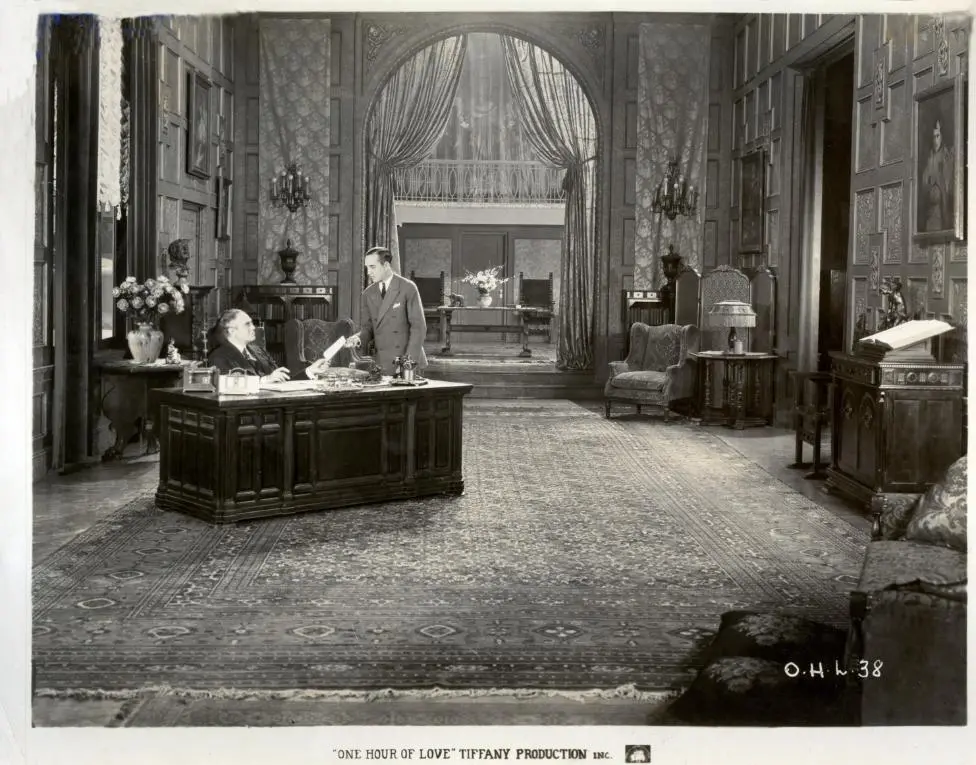
Contrast this with the bright, flat lighting of the early party scenes. The visual language tells the story before the title cards even appear. It’s a masterclass in visual subtext.
The pacing is surprisingly modern. While some silent films linger too long on title cards, this film moves with a briskness that keeps the stakes feeling immediate. The week-long deadline of the wager acts as a natural ticking clock.
Every film has its weak point, and here it is Henry Sedley’s Tom Webb. The character is an 'unscrupulous rancher' who feels like he wandered in from a 1915 two-reeler. His conflict with Warren over 'inciting men' feels undercooked.
It’s a distraction from the much more interesting psychological battle between Jerry and Warren. It’s a shame, as the film didn't need a traditional villain. The villain was Jerry’s own ego.
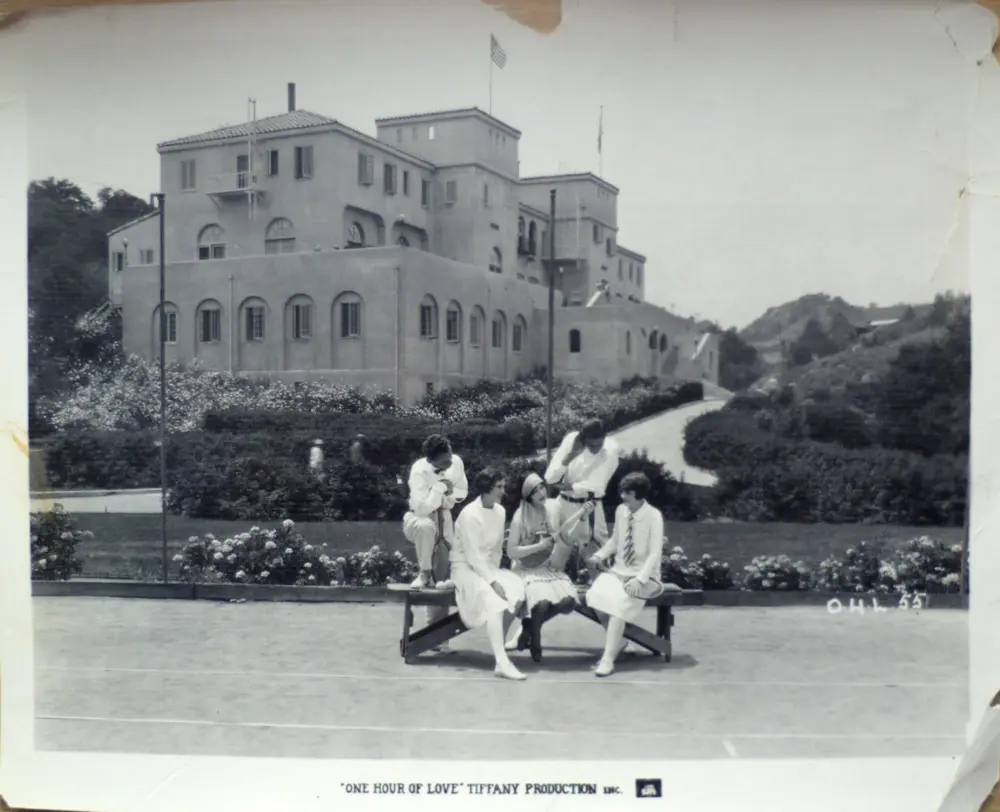
When the film focuses on the social friction, it excels. When it tries to be a Western melodrama, it falters. This dichotomy is what keeps it from being a perfect film, but it doesn't stop it from being a great one.
Pros:
Cons:
One Hour of Love is a sophisticated piece of late-silent cinema that deserves more than its current obscurity. It isn't just a romance; it's a study of the masks we wear to protect ourselves from the vulnerability of actually caring for someone.
While the 'wager' plot is a relic of a different era of screenwriting, the emotional truth that Logan and Frazer find in the final act is timeless. The scene where she seeks his forgiveness is not a moment of defeat, but one of ultimate strength.
It is a film that understands that love isn't something you win; it's something you earn through the dismantling of your own pride.
If you can look past the 1920s tropes, you will find a heart that beats with surprising vigor. It’s a solid 8/10 for any serious student of the silver screen. It works because it dares to let its heroine be wrong before she is right.
IMDb 6.5
1922
Community
Log in to comment.