DbcultAccessing Vault...
6.1/10
Senior Film Conservator
A definitive 6.1/10 rating for a film that redefined the boundaries of cult cinema. The Cricket remains a cornerstone of transgressive art.
In the burgeoning landscape of 1917 cinema, a year defined by the shifting tectonic plates of global conflict and artistic innovation, The Cricket emerges as a luminous artifact of sentimental realism. Directed with a delicate hand and penned by the prolific Elliott J. Clawson, this film transcends the mere trappings of melodrama to offer a sophisticated meditation on the nature of kinship and the inexorable pull of one’s creative calling. Unlike the gritty urbanity found in The Rogues of London, The Cricket navigates a more ethereal, almost pastoral emotional terrain, even when situated within the demanding confines of the theatrical world.
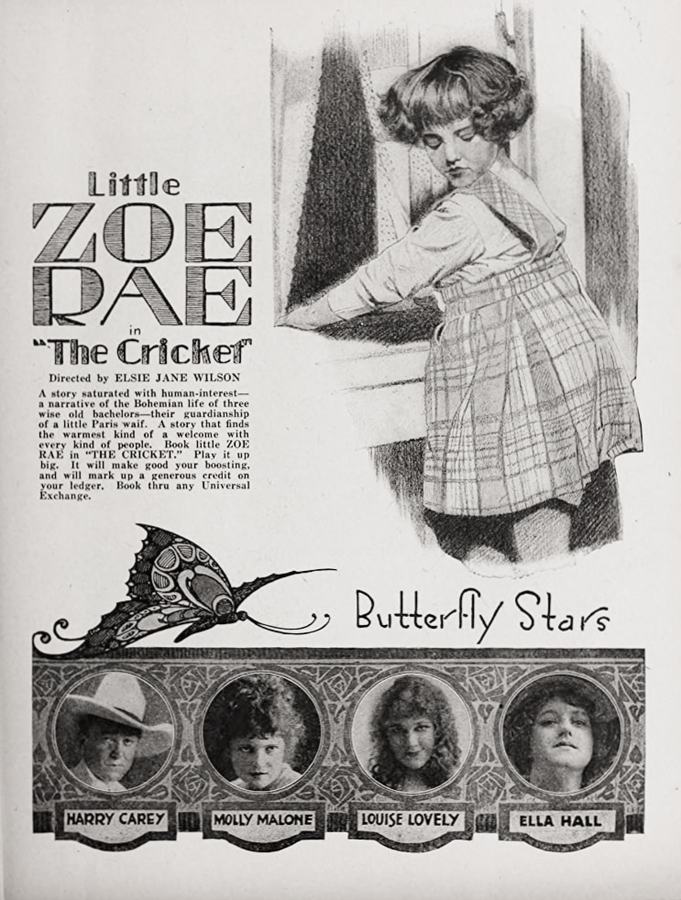
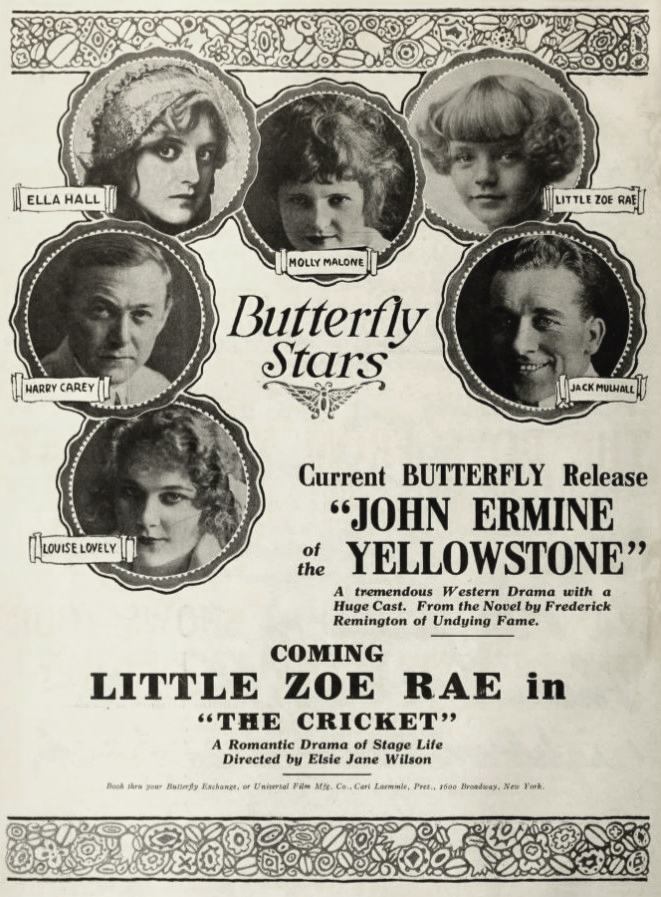
At the heart of this narrative is Zoe Rae, a child actress of remarkable gravitas who anchors the film's early movements. Her portrayal of the titular character is not merely a display of juvenile charm but a nuanced depiction of a soul caught between the euphoria of artistic validation and the visceral pangs of bereavement. When Cricket’s mother passes away at the zenith of the girl's first stage success, the film pivots from a celebratory coming-of-age tale to a somber exploration of orphanhood. This thematic weight reminds one of the heavy emotional stakes in A bánat asszonya, where grief serves as the primary catalyst for character evolution.
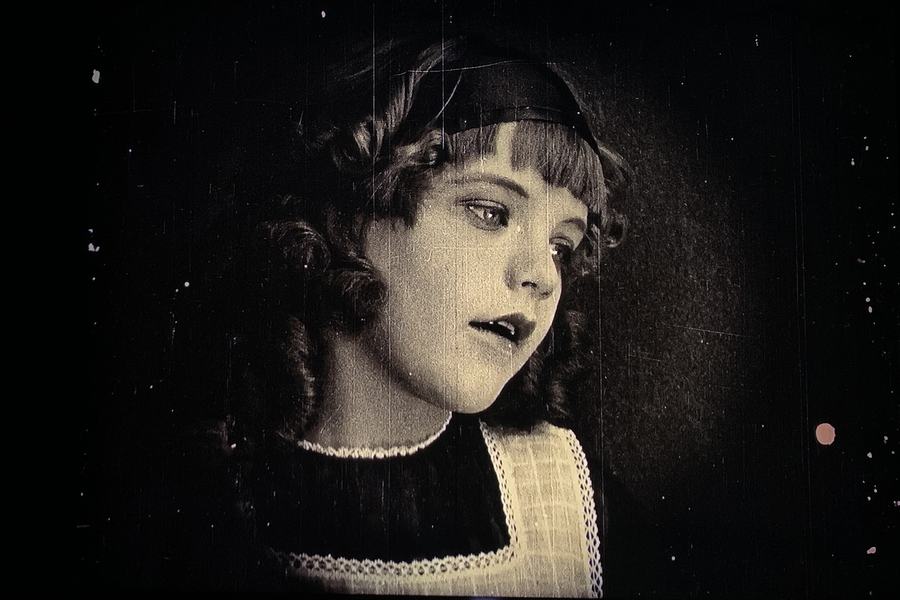
The chemistry between Rae and her young co-star, representing the early years of Pascal, provides the necessary emotional scaffolding for the drama that follows. It is this foundational bond that makes her later defiance of her foster fathers feel not like an act of adolescent caprice, but like a fundamental necessity of her being. The film handles this transition with a sophisticated use of temporal ellipses, allowing the audience to feel the weight of the intervening years without losing the thread of Cricket’s essential character.
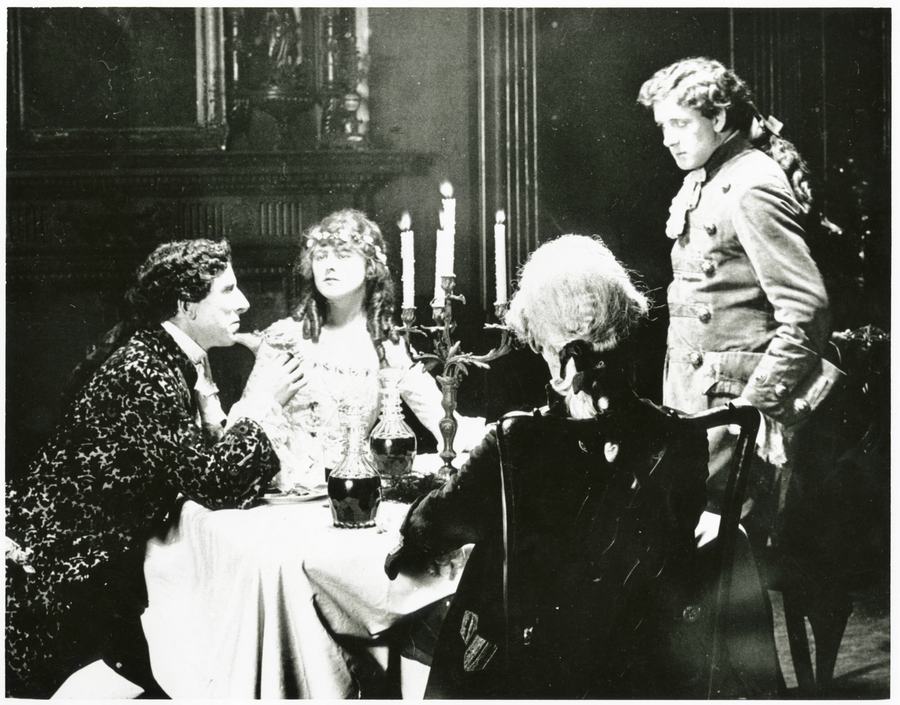
The introduction of the three artist foster fathers—Saveline, Pinglet, and Caesar—introduces a fascinating subversion of the traditional nuclear family. Played with distinct idiosyncratic energy by Harry Holden, Fred Warren, and their contemporaries, these men represent a collective paternal force that is both nurturing and stifling. Their studio, a sanctuary of aesthetic pursuit, becomes the crucible in which Cricket is forged into adulthood. This milieu of "found family" is a recurring motif in the era, yet here it is treated with a specific focus on the clash between artistic freedom and bourgeois expectations.
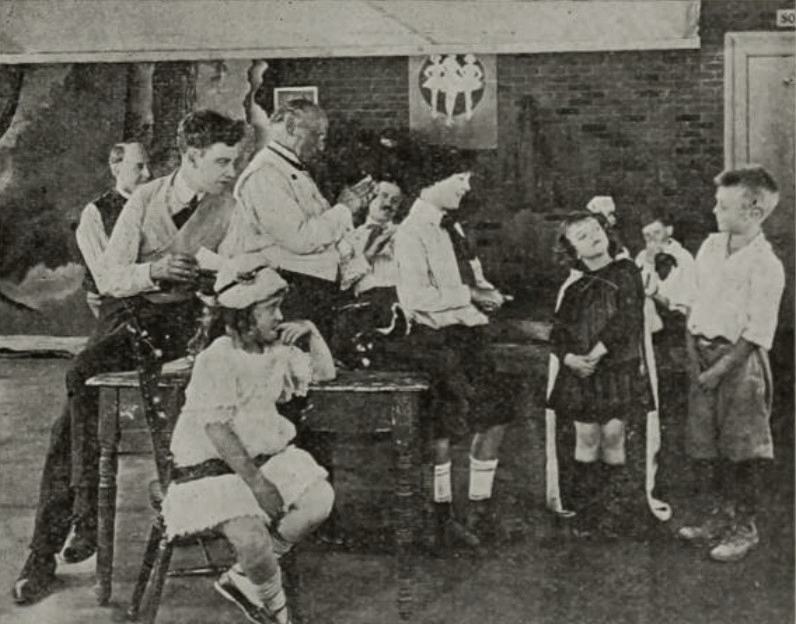
The conflict arises when these men, despite their own unconventional lifestyles, attempt to impose a traditionalist trajectory upon Cricket. Their insistence on her marrying a banker’s son is a poignant irony; the very men who live outside the lines of societal norms attempt to draw a rigid boundary around the woman they love. This tension between the safety of wealth and the volatility of passion mirrors the social dichotomies explored in Idle Wives, though The Cricket focuses more on the personal cost of such societal navigation.
When Cricket chooses Pascal over the security offered by her foster fathers, the film enters its most melancholic phase. The subsequent years of silence between the daughter and her trio of fathers are rendered with a palpable sense of loss. Clawson’s screenplay masterfully avoids the trap of making any party a true villain. Instead, the tragedy lies in the stubbornness of love and the inability of the older generation to recognize the autonomy of the younger. The visual storytelling here is evocative, using the space of the frame to emphasize the void left by Cricket’s absence in the artists' studio.
This period of the film invites comparison to the rugged individualism seen in Melissa of the Hills or the moral struggles of Pay Dirt. Cricket and Pascal’s life together, though presumably fraught with the struggles of the acting profession, is depicted as a triumph of will over convenience. The film respects their struggle, never painting their poverty as a mistake, but rather as the price of their integrity.
The resolution of The Cricket is a masterclass in silent film structure. The setting—a theater where Pascal and Cricket are performing—brings the story full circle, returning to the site of Cricket's initial triumph and her greatest loss. The appearance of the three foster fathers in the audience is a moment fraught with tension. When an usher presents them with a child to care for during the performance, the irony is exquisite. The recognition of the child as Cricket’s daughter serves as a spiritual bridge, allowing the men to bypass their pride and reconnect with the woman they still consider their own.
This use of a child as a vessel for reconciliation is a classic trope, yet in the context of this film, it feels earned. It echoes the themes of legacy and the continuation of the artistic spirit found in works like The Silent Master. The final moments of the film are not merely a happy ending but a restoration of a fractured ecosystem. The artists, once lost in their own rigidity, find a new muse and a new purpose in the next generation.
While The Cricket may not possess the grand historical sweep of Tsar Ivan Vasilevich Groznyy or the overt didacticism of Guarding Old Glory, its power lies in its intimacy. It is a film that understands the small, tectonic shifts within a family unit. The direction utilizes the lighting and set design of the era to create a distinct atmosphere for each phase of Cricket’s life—from the bright, hopeful stage lights of her youth to the dusty, lived-in warmth of the artists' studio, and finally the sophisticated shadows of the mature theater.
In comparing it to other contemporary works like M'Liss, one can see a shared interest in the spirited, independent female lead. However, The Cricket feels more grounded in an urban, artistic reality than the frontier settings of its peers. It is a testament to the versatility of 1917 cinema that it could produce both the high-stakes intrigue of The Coiners' Game and the gentle, character-driven pathos of this film.
The Cricket remains a vital piece of silent cinema history, not only for the performance of Zoe Rae but for its empathetic treatment of its characters' flaws. It suggests that while blood might define a family, it is shared passion and the willingness to forgive that sustain it. The film’s rhythmic pacing and emotional intelligence ensure that its story remains resonant, proving that the struggles of the heart are as timeless as the flickering images on the screen. For those seeking a narrative that balances the whimsy of the stage with the gravity of life’s transitions, The Cricket is an indispensable viewing experience, a soft-spoken masterpiece that lingers in the mind long after the final intertitle fades.
IMDb 4.5
1918
Community
Log in to comment.