DbcultAccessing Vault...
Cult Review
Senior Film Conservator
Is Roses of Grief a timeless exploration of the human heart or a dusty relic of the silent era? Short answer: It is an essential, albeit demanding, piece of cinematic history that rewards the patient viewer with a masterclass in silent-era pathos.
This film is for the dedicated cinephile who wants to witness the birth of the Japanese star system and the evolution of the 'New School' drama. It is absolutely not for anyone who requires fast-paced editing, explicit dialogue, or a traditional 'happy' resolution to romantic conflict.
To understand if this film holds up, we must look at its foundational pillars. Here is the breakdown of why this 1920 production remains a point of discussion in film circles:
In the early 1920s, the Japanese film industry was undergoing a seismic shift. The removal of 'onnagata' (male actors playing female roles) paved the way for actresses like Sumiko Kurishima to redefine the medium. In Roses of Grief, Kurishima doesn't just act; she exists with a weight that is palpable even through the grainy flicker of surviving prints.
Consider the scene where she receives the news of her lover's social advancement. There are no grand gestures. There is only a slight tightening of the shoulders and a slow, deliberate gaze into the middle distance. It is devastating. It makes modern melodramas look loud and desperate by comparison.
Her performance reminds me of the subtle work seen in The Master Key, where the silence is used as a tool for tension rather than a limitation of technology. Kurishima understood that the camera sees the thought before the movement. That is rare for 1920.
The 'modern Japan' depicted here is a world of sharp contrasts. We see the traditional kimonos clashing with the emerging Western influences in the architecture and social etiquette. This isn't just set dressing; it is the primary engine of the plot's tragedy.
The protagonist's romantic choices are seen as a threat to the social order. Unlike the more adventurous spirit found in Daring Love, the characters in Roses of Grief are paralyzed by their environment. They are trapped in a social cage that is invisible but unbreakable.
One specific moment stands out: a dinner sequence where the silence (intended to be filled by a benshi narrator) feels heavy with unspoken accusations. The way the camera lingers on the empty spaces between the guests highlights the emotional distance that no amount of polite conversation can bridge. It is a brilliant use of negative space.
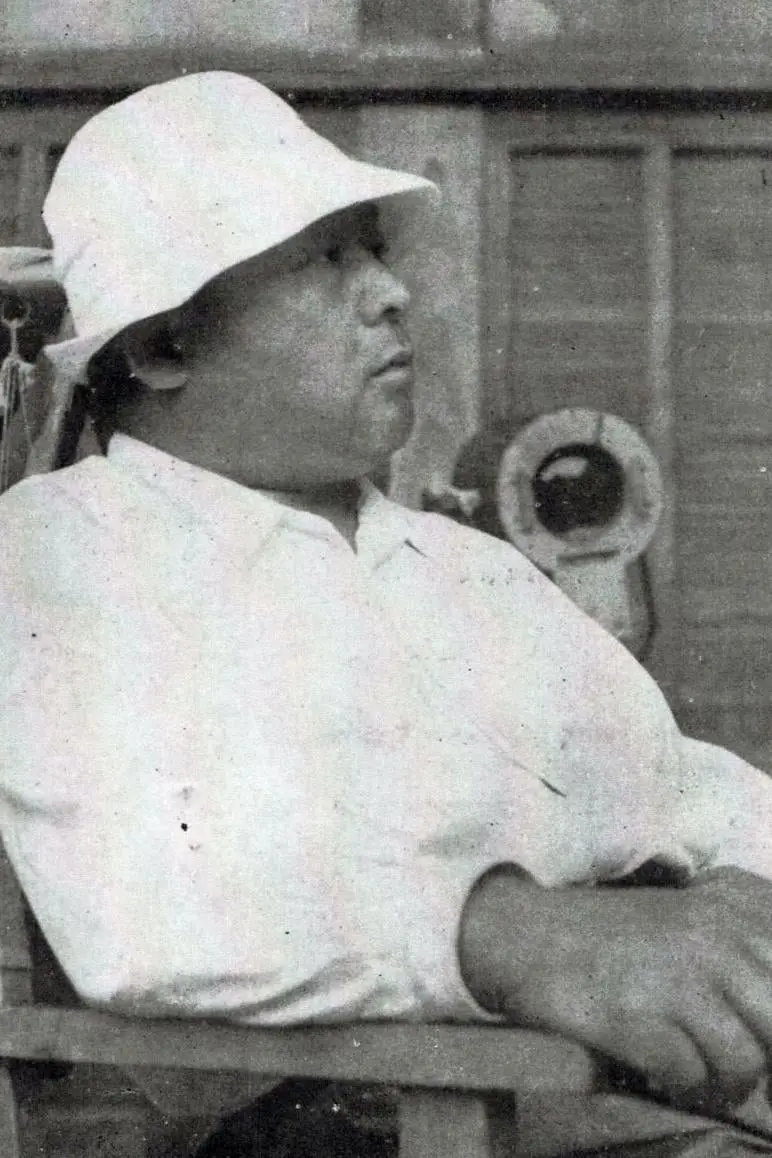
Takashi Yamamura’s direction is surprisingly disciplined. While many films of this era, such as The Virgin of Stamboul, relied on exoticism or grand spectacle, Yamamura keeps the camera focused on the intimate. He uses close-ups sparingly, making their impact much stronger when they finally occur.
The pacing is, admittedly, glacial. But this is intentional. The film mimics the slow, agonizing process of grief. Each shot is held just a few seconds longer than comfortable, forcing the viewer to sit with the character's discomfort. It is an early example of 'slow cinema' long before the term was coined.
The cinematography utilizes natural light in a way that feels raw. The shadows in the interior scenes aren't just lack of light; they feel like physical manifestations of the secrets the characters are keeping. It lacks the polish of The Pitfall, but it gains a sense of documentary-like honesty.
Here is a debatable take: Roses of Grief isn't actually about love. It is about the performance of suffering as a way to gain social standing. The protagonist's 'sacrifice' is framed as a noble act, but the film subtly suggests that she is also using her grief to exert power over those who have wronged her.
It is a cynical reading, but a supported one. When she refuses to fight for her love, it isn't just because she is a victim of society. It is because her martyrdom makes her untouchable. She becomes a saint of sorrow, and in doing so, she wins a different kind of social war.
This complexity is what elevates the film above standard silent-era weepies. It isn't just sad. It is calculated. It is cold. It works. But it’s flawed in its delivery of the male perspective, which remains frustratingly two-dimensional throughout the runtime.
Short Answer: Yes, for historical and aesthetic appreciation.
If you view film as an art form that evolves, seeing Roses of Grief is mandatory. It provides the DNA for the next fifty years of Japanese drama. If you are looking for entertainment to pass a Friday night, you will likely find it tedious. This is a film that requires your full attention and a willingness to engage with a different era's cinematic vocabulary.
Pros:
Cons:
Roses of Grief is a stark, punishingly beautiful reminder that the struggle between individual desire and social duty is as old as cinema itself. It is a film that demands respect rather than affection. While it may lack the narrative fluidity of modern dramas, its emotional core is undeniably potent. It is a foundational stone in the temple of Japanese cinema. It is difficult. It is slow. It is essential.

IMDb 5
1924
Community
Log in to comment.