DbcultAccessing Vault...
7.2/10
Senior Film Conservator
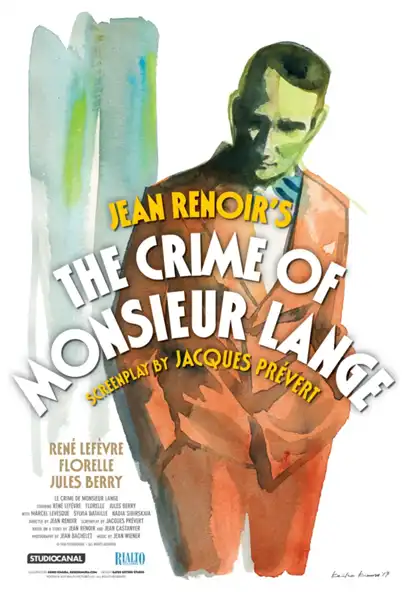
A definitive 7.2/10 rating for a film that redefined the boundaries of cult cinema. The Crime of Monsieur Lange remains a cornerstone of transgressive art.
So, The Crime of Monsieur Lange. This one’s a real treat from 1936, a Jean Renoir film that feels pretty fresh, even today. If you've got a soft spot for classic French cinema, especially stuff that doesn't take itself too seriously but still has something important to say, then absolutely carve out some time for it. It's got this lovely, almost folksy charm. But if you need everything explained clearly or prefer super fast-paced storytelling, you might find it a bit slow. It's a mood, you know? 🇫🇷
The whole thing kicks off with a framing device, a couple of people talking on a train. Then, we dive into this amazing courtyard setting. It’s a hive of activity.
You’ve got the publishing house, a laundress, a small hotel, kids playing. There’s always someone bustling, carrying a basket of clothes, or shouting across the yard. It feels genuinely alive.
At the center of it all is Amédée Lange, played by René Lefèvre. He's this really gentle, unassuming writer. He dreams up these wild west stories about “Arizona Jim” for the publishing house. The stacks of his comics, all with these dramatic covers, are just wonderful. You can see him, a quiet man, living in his own head, drawing these fantastic adventures. 🤠
Then there’s Monsieur Batala. Oh, Batala. Jules Berry plays him with such a slimy, self-assured swagger. He’s the owner, but he’s also a total snake. He’s got that smarmy charm that makes your skin crawl, always trying to sweet-talk the women and swindle everyone else. He's the kind of guy who makes you just want to punch the screen. 😠
When Batala supposedly dies in a train crash – everyone breathes a sigh of relief. And I mean *everyone*. The publishing house then transforms into a worker cooperative. They all pull together, share the profits, and suddenly, the place is thriving. It’s this little utopian bubble, a real testament to what people can do when they work together and ditch the rotten boss.
The scene where they're all debating how the co-op should run is fantastic. Everyone’s got an opinion, passionately arguing. It feels so natural, like you’re actually eavesdropping on a real meeting. No fancy speeches, just folks trying to make things work.
But of course, Batala isn't *really* dead. He shows up again, like a bad penny, disrupting everything. The air in the courtyard just drops. You can feel the collective dread. He’s back to reclaim his business, and his old, awful ways.
This is where Lange, our timid Arizona Jim creator, has to step up. He’s usually so mild-mannered, but Batala’s return pushes him to a breaking point. It’s not just about the business; it’s personal. Batala’s messes affect everyone, especially Valentine, the laundress (played by Florelle), who has a big part in Lange’s life. The injustice of it all just builds and builds.
The film doesn't really try to judge Lange's actions. It just shows them. You understand the pressure, the sheer frustration. It's a moment of clarity, a quiet explosion after so much simmering. It feels earned, even if it’s a crime.
The ending is handled so subtly. It’s not a big dramatic chase or anything. Just a conversation, a quiet reflection on what happened. The film trusts you to get it. There's a bittersweet freedom to it all. It lingers.
IMDb 6.6
1936
Community
Log in to comment.