DbcultAccessing Vault...
6.4/10
Senior Film Conservator
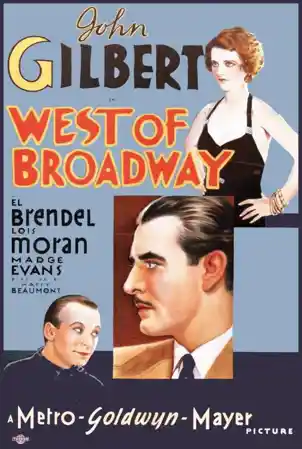
A definitive 6.4/10 rating for a film that redefined the boundaries of cult cinema. West of Broadway remains a cornerstone of transgressive art.
If you have a soft spot for those early 1930s talkies that feel like they are figuring out the rules as they go, you should probably watch West of Broadway today. It is a movie for people who like their melodrama served with a side of dust and a very heavy pour of gin.
If you hate movies where the plot hinges on someone being too drunk to remember getting married, you will definitely want to skip this one. It is a very specific kind of 1931 chaos. 🎞️
John Gilbert plays Jerry Seevers, and man, he looks tired right from the opening. He is playing a guy back from World War I who is just... broken.
The doctor tells him he has six months to live because his health is shot. Instead of going to a spa or something, Jerry decides the best move is to drink until the clock runs out.
There is this one scene early on where he is just staring at a glass. The way Gilbert holds himself makes you feel like the air in the room is too heavy to breathe.
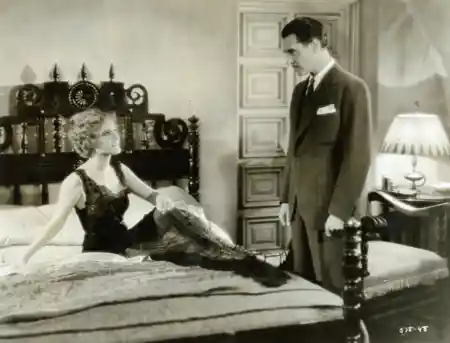
His fiancée jilts him, which is the final nudge he needs to go on a total bender. It is the kind of movie drinking that involves waking up in a different city with a wedding ring you don't recognize.
He wakes up and finds out he married a girl named Anne, played by Madge Evans. Jerry immediately assumes she is just a gold-digger out for his family money.
The movie does this weird pivot where Jerry flees to a ranch in Arizona. It feels like we stepped out of a gritty urban drama and into something like A Temporary Vagabond.
The transition is jarring, honestly. One minute we are in smoky rooms and the next there is sagebrush and wide open skies.
I actually liked the ranch scenes better because the pacing slows down. Jerry is trying to be a recluse, but he is also trying to get a divorce while his new wife is actually falling for him.
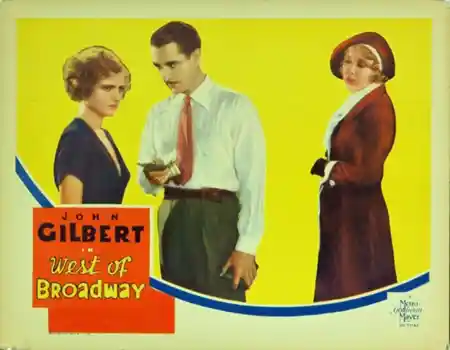
Madge Evans is really the heart of this thing. She has this very grounded way of looking at Gilbert, like she can see through all his self-pity.
She doesn't play it like a victim. She plays it like someone who knows a good man is hiding under all that whiskey and trauma. 🥃
There is a sequence where they are working on the ranch that feels almost like a documentary for a second. The way the light hits the dust is actually pretty stunning for a movie this old.
It reminded me a bit of the outdoor shots in The Pearl of Paradise, just less tropical.
Then there is El Brendel. Oh boy, El Brendel.
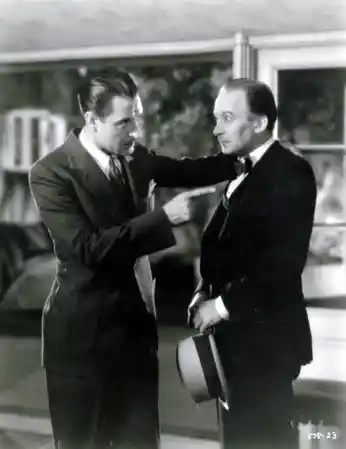
He is the comic relief and your mileage will vary a lot on his whole routine. He does this Swedish-accent thing that was huge back then but feels like a cheese grater on the ears today.
He pops up in scenes and totally breaks the mood Jerry is trying to build. One minute Jerry is contemplating his own mortality and the next El Brendel is doing a bit about a cow.
It is the kind of tonal whiplash you only get in these early sound films. It’s like the producers were scared the audience would get too sad, so they threw in a clown. 🤡
I noticed a small detail in the ranch house where the props look way too clean. Like, they are supposed to be out in the middle of nowhere, but the curtains look like they just came out of a box from a department store.
It made me laugh a little. The movie tries so hard to be rugged, but it can't quite shake its Hollywood polish.
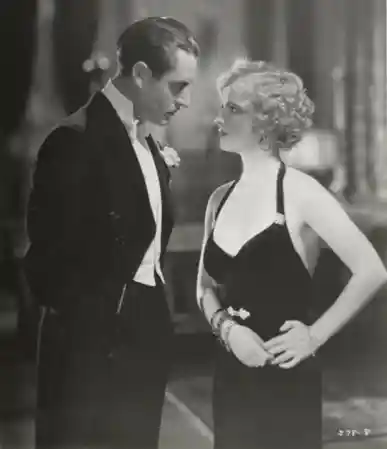
John Gilbert’s voice is fine here, by the way. People always say the talkies killed his career because his voice was too high, but I don't hear it.
He sounds like a regular guy who has seen too much war. Maybe he is a little theatrical, but everyone was in 1931.
The scene where he realizes he actually loves Anne is very fast. Like, blink and you miss it fast.
He goes from wanting a divorce to being head-over-heels in about three lines of dialogue. It is not exactly realistic, but it is very satisfying in a movie-logic sort of way.
I kept thinking about how short the movie feels despite everything that happens. It’s like they had a checklist of plot points and they were racing to finish before the film ran out.
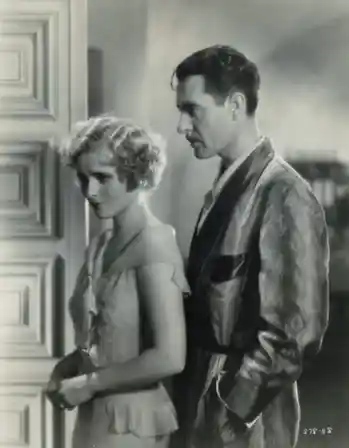
The supporting cast is huge but most of them just sort of drift through the background. I spotted Tom London for a second, and I think that was Kermit Maynard on a horse.
It feels a bit like Ice Cold Cocos in terms of how many people are just there for no apparent reason.
The ending is a bit of a rush job. It doesn't really deal with the whole "dying in six months" thing in a way that feels medical, but hey, it's a romance.
Love cures all, or at least it cures whatever was wrong with Jerry’s lungs, I guess.
Is it a masterpiece? No way.
But it has this earnestness that you don't see anymore. It’s a movie about a guy who is terrified of living, not just dying.
If you’re looking for something polished, go watch a modern blockbuster. But if you want to see a movie that feels like a raw nerve, give this a look.
It is imperfect and some of the jokes land like lead balloons. But John Gilbert and Madge Evans make it worth the hour or so of your time.
Just be prepared to roll your eyes at El Brendel at least five times. You have been warned. 🐎
It's a weird little time capsule. It’s not quite a Western and not quite a city drama. It’s just West of Broadway, and that’s enough.
IMDb —
1926
Community
Log in to comment.