DbcultAccessing Vault...
6/10
Senior Film Conservator
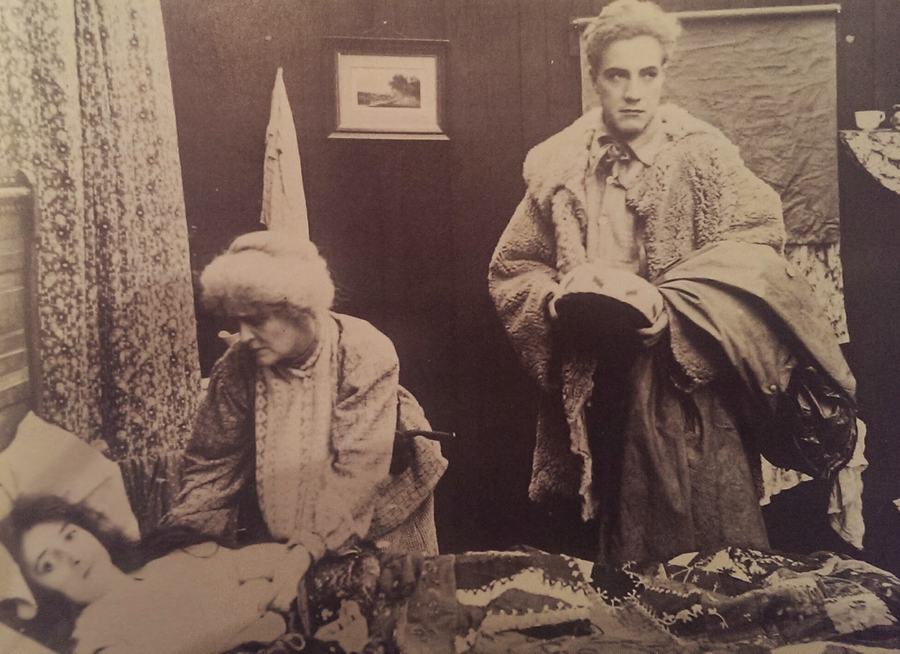
A definitive 6/10 rating for a film that redefined the boundaries of cult cinema. The Darkening Trail remains a cornerstone of transgressive art.
The first time I saw The Darkening Trail I walked out of the museum screening convinced my bloodstream had been swapped with permafrost. William S. Hart’s 1915 one-reel marvel—clocking in at a lean, mean forty-five minutes—doesn’t merely depict the Yukon; it exhales it. Every frame feels dipped in bootleg whiskey and chipped from river ice. You half expect the celluloid itself to leave frost on your fingertips.
Forget the dime-novel synopsis you skimmed on a wiki—this is a parable about gravity. Ruby McGraw (Nona Thomas, all feline calculation) occupies the saloon’s center like a roulette ball that refuses to land. Yukon Ed (Hart) lumbers around her orbit, a man carved from cedar and regret, proposing with the stubborn rhythm of a pickaxe hitting bedrock. Each refusal is a flake of mica: tiny, glittering, ultimately worthless. Then Jack Sturgess slides into town, a cigarette glowing in the dusk, promising the vertiginous rush of the fall itself. Ruby doesn’t merely choose Jack; she chooses narrative momentum. The film’s second half is a downhill sled on a moonlit slope—runners screaming, trees whipping past, no brake pole in sight.
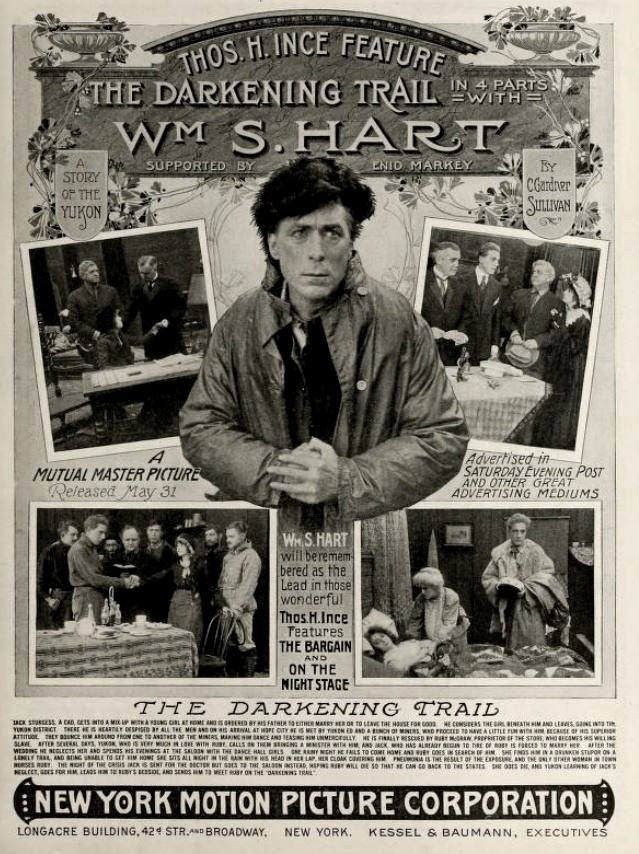
Hart built his brand on the “good-bad man,” but here he flips the formula: Ed is a bad-good man, outwardly virtuous yet emotionally predatory in his constancy. His proposals feel less like courtship than foreclosure notices. Watch the micro-movement when Ruby rejects him the third time: Hart’s left eyelid twitches—a Morse code of violence barely tethered. The actor lets you glimpse the beast behind the chivalric mask, the same beast that will later chase Jack across glacial moraines not for justice but for the masculine right to be the last man standing.
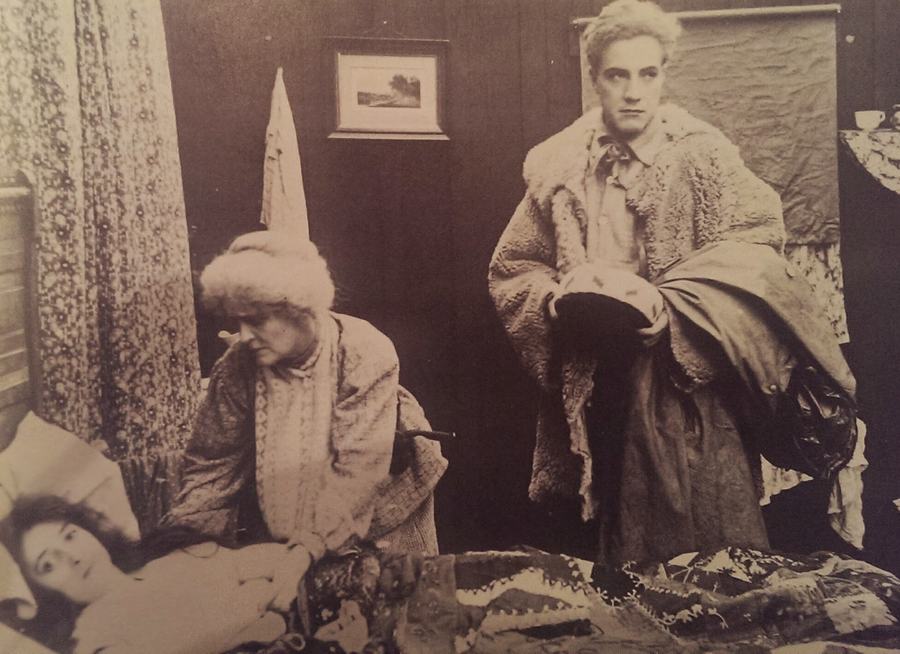
Critics love to brand Ruby as “fickle,” yet the film’s emotional intelligence resides in her refusal to settle for Ed’s slow, stalwart safety. She craves volatility, the same force that spins gold rush towns from canvas tents into cities overnight. When she straps on Jack’s stolen furs and follows him into the whiteout, the camera tilts upward: the sky is a cathedral of possibility. The indictment isn’t against female caprice but against a frontier economy that auctions women to the highest bidder of stability. Ruby’s tragedy is that the only available forms of escape are criminal or matrimonial, and she picks the one with faster horses.
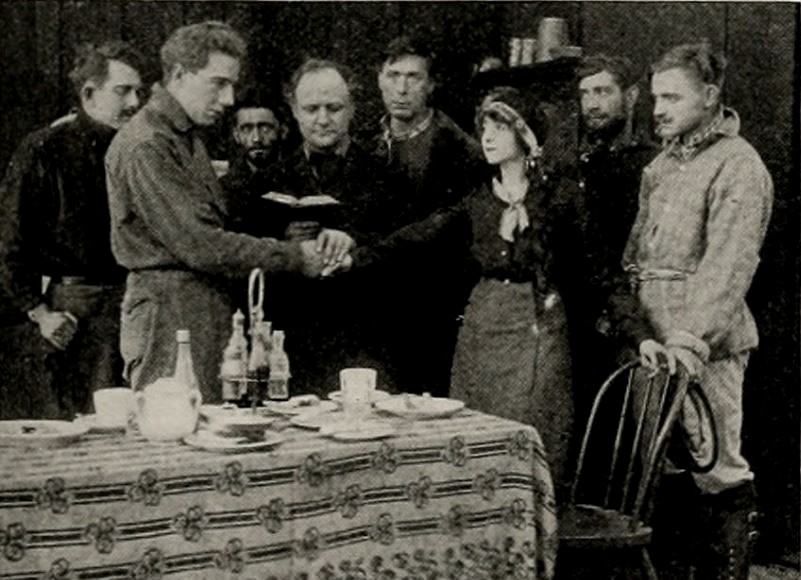
Director Charles Swickard and cinematographer Joseph H. August shoot the Klondike like a fever dream of pewter and pewter’s own shadow. Interior scenes drip with tallow-streaked chiaroscuro; exterior tableaux borrow from Caspar David Friedrich—lonely pines, abyssal valleys, human figures swallowed by landscape. Notice the blocking when Ed confronts Jack in the abandoned claim shack: the doorway yawns like a mouth of hell, back-lighting turns breath into visible ghosts. The men are reduced to silhouettes, morality simplified to geometry. It’s noir before noir had a passport.
C. Gardner Sullivan, the Poe of silent title cards, writes dialogue that snaps. When Ruby hisses, “I’d rather lie under a cairn of stones than under your roof, Ed,” the words lodge like splinters. Later, as Jack skulks toward his doom, the card reads: “The trail narrows—so does a man’s breath when the world shrinks to the width of a bullet.” These aren’t just expositional signposts; they’re haikus carved into permafrost.
Place The Darkening Trail beside Un día en Xochimilco and you see two cultures grappling with fatalism: Mexico’s chinampas lushness versus the Yukon’s mineral desolation. Pair it with Les Misérables, Part 1: Jean Valjean and realize both Ruby and Fantine are casualties of systemic misogyny, though Ruby at least wields agency like a stiletto before the fall. Contrast it with Hart’s later Don Juan and watch how the actor gradually sanded off the rough edges, turning existential gloom into romantic myth.
Most festival prints travel with a piano reduction heavy on Grieg and pentatonic doom. I once caught a midnight screening where the accompanist improvised using contact mics on blocks of ice—cracks, drips, sub-audible rumbles. The effect turned the auditorium into a cavern. When Ed finally drags Jack’s body across the snow, the piano strings were struck with mallets so that each chord exhaled a death-rattle harmonics. Silence, in this film, is not absence but acoustic snow: it deadens, it records footprints, it remembers.
Fast-forward a century: the DNA of The Darkening Trail coils inside Wind River, Hold the Dark, even the frostbitten episodes of Fargo. The visual shorthand—snow as eraser, blood as exclamation—originated here. When Taylor Sheridan writes dialogue about surviving the white, he’s channeling Sullivan’s intertitles. When Jennifer Kent stages a woman choosing the monster she knows over the safety she despises, Ruby McGraw stands at her shoulder like a vengeful totem.
Because films this lean rarely carry marrow this rich. Because Hart’s face—gaunt, stoic, freighted with unspoken histories—belongs on the Mount Rushmore of screen acting. Because Ruby’s howl against the closing iris is the primal scream of every person who ever bet on the wrong revolution. Because when the lights come up you’ll feel the auditorium’s warmth like an insult, and you’ll step outside grateful that your breath is still invisible, your trails still unbroken. And because silent cinema, at its summit, doesn’t speak—it listens to the glacier inside you cracking.
IMDb —
1921
Community
Log in to comment.