DbcultAccessing Vault...
5.4/10
Senior Film Conservator
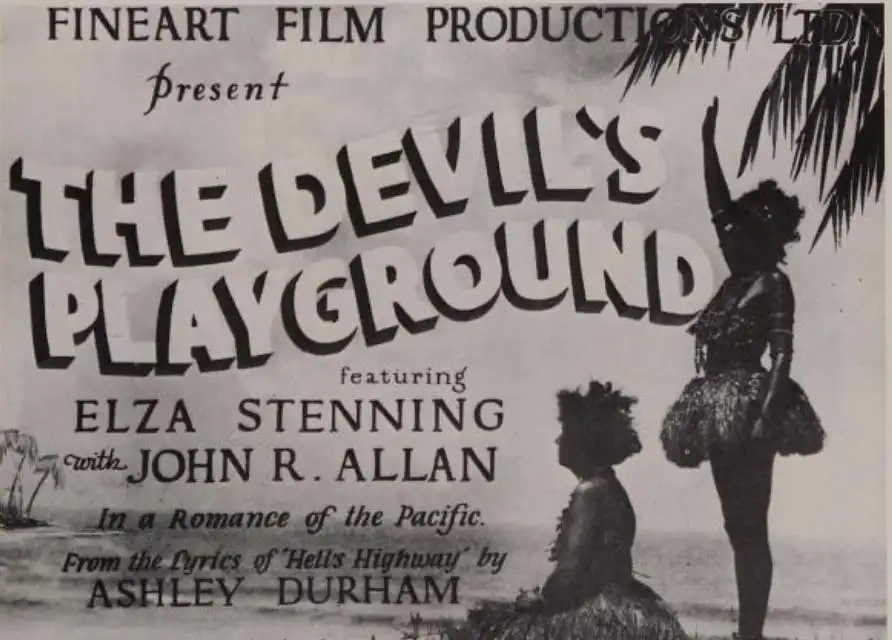
A definitive 5.4/10 rating for a film that redefined the boundaries of cult cinema. The Devil's Playground remains a cornerstone of transgressive art.
Okay, so The Devil's Playground from 1928. Is it worth tracking down today? Look, if you're not already deep into silent cinema, probably not. But if you have a soft spot for early melodrama, or you're curious about how films wrestled with temptation before sound, there's… something here. Everyone else? You'll likely find it a charmingly clunky curiosity, if you manage to stick with it for the full run time. It’s definitely not for those who need constant plot propulsion or naturalistic acting.
The film throws you right into its central conflict, or at least, it tries to. We follow Burton Crocker’s character – let’s call him our earnest, somewhat naive hero – as he navigates a world that seems determined to pull him towards, well, the devil's playground. What exactly is this playground? Mostly it seems to be a generic den of iniquity, full of shadowy figures and women who aren't quite proper. The sets for these scenes are pretty standard, but the lighting sometimes pulls off a nice trick, making a fairly small space feel genuinely menacing. You get the sense the crew was really trying to evoke a mood with just light and shadow, which is admirable.
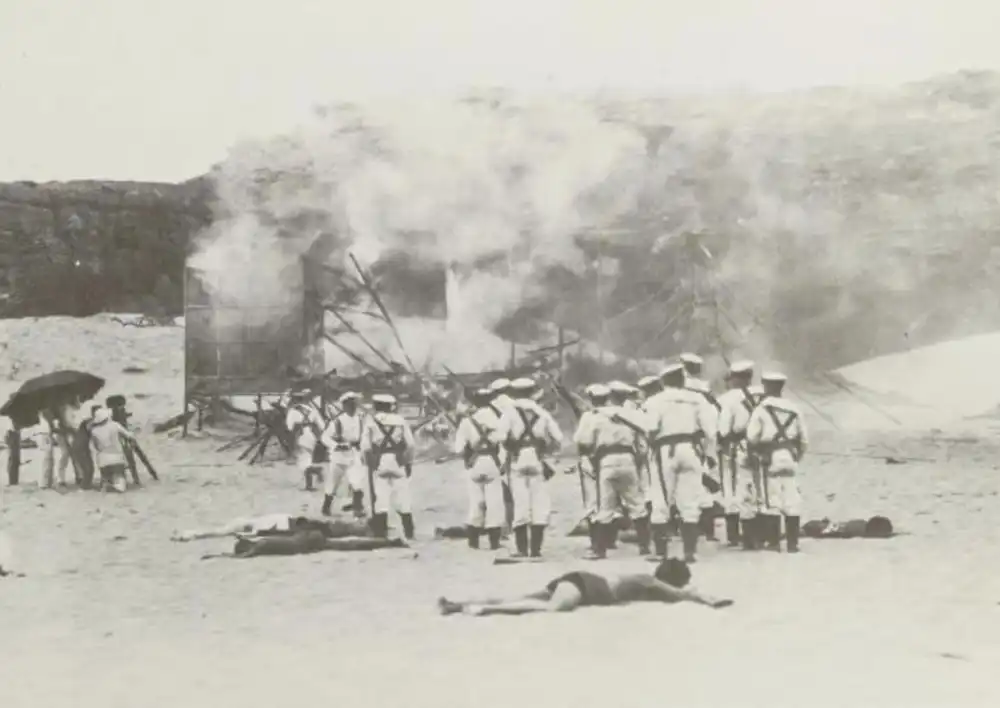
Speaking of performances, Burton Crocker is… a lot. He’s got that classic silent film intensity, all wide eyes and furrowed brows. There’s one scene where he’s meant to be wrestling with a moral dilemma, and his face goes through about five distinct expressions in ten seconds. It’s almost a little dizzying. You can almost feel the movie trying to convince you this moment matters, with Crocker doing all the heavy lifting.
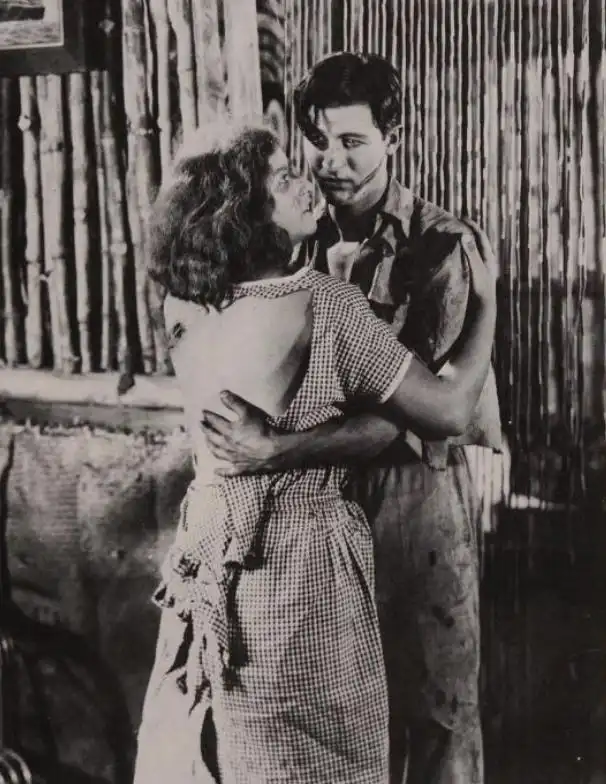
Elza Stenning, on the other hand, brings a bit more nuance. Her character, the virtuous love interest, has this way of looking off into the distance, a subtle hint of longing or concern that feels genuinely felt, not just performed for the camera. It’s a nice contrast to some of the more… robust acting elsewhere. Her costumes, too, often have a simplicity that makes her stand out against the more ornate, almost villainous garb of Vera Campbell’s character, who practically oozes temptation from every sequin.
The pacing is where things get a little tricky. The first act moves along with a decent clip, setting up the stakes, however broad they might be. But then there’s a stretch in the middle where the film just seems to… wander. A few scenes go on about 20 seconds too long, and the silence starts to feel awkward rather than emotional. You find yourself checking to see how much time is left, which is never a great sign. It’s as if the film itself got a bit lost in its own metaphorical 'playground.'
One particular shot, I remember, lingers on a close-up of a letter being read. The shot holds for what feels like an eternity, long after we’ve understood the contents from the title card. It borders on funny, this insistence that we fully absorb every single detail, even the ones we already have. It’s a quirk, I guess, of the era.
And the title cards themselves! Some are incredibly poetic, trying to sum up complex human emotions in a flowery sentence or two. Others are shockingly blunt, stating the obvious with a kind of charming earnestness. There’s a particular one that just says, essentially, “He was tempted.” No subtlety. Just, bam, here’s the plot point. It makes you smile.
The crowd scenes, especially in the 'playground' itself, have this oddly empty feeling. Like half the extras wandered off for a tea break and never quite made it back. It breaks the illusion a little, these sparse groups of people trying to look like a bustling, sinful metropolis. You just see a few individuals shuffling about.
There are moments, though, that genuinely work. A brief, almost accidental shot of sunlight catching dust motes in a dark room creates a surprising sense of intimacy and quiet despair. It’s a blink-and-you’ll-miss-it detail, but it stuck with me. It’s these small, unexpected visual touches that elevate it from just being a historical curiosity.
The dialogue, conveyed through those title cards, often feels a bit stilted, which is to be expected. But sometimes the actors manage to sell it with their expressions, making an otherwise clunky line feel impactful. Other times, the unnaturalness of the writing just hangs there, exposed by the lack of actual spoken words. You wonder how much better it might have been if a few lines were just… left out.
Ultimately, The Devil's Playground is a film of its time. It’s a window into how early cinema tried to grapple with big ideas – good, evil, temptation, redemption – without the benefit of sound or the sophisticated narrative structures we take for granted now. It’s not perfect, not by a long shot, and it drags in places, but there’s an honest effort there. For those who appreciate the quirks and earnestness of early film, it offers a peculiar kind of charm. For everyone else, maybe check out A Girl in Every Port if you want a more immediately engaging silent experience.
IMDb 6.4
1925
Community
Log in to comment.