DbcultAccessing Vault...
Cult Review
Senior Film Conservator
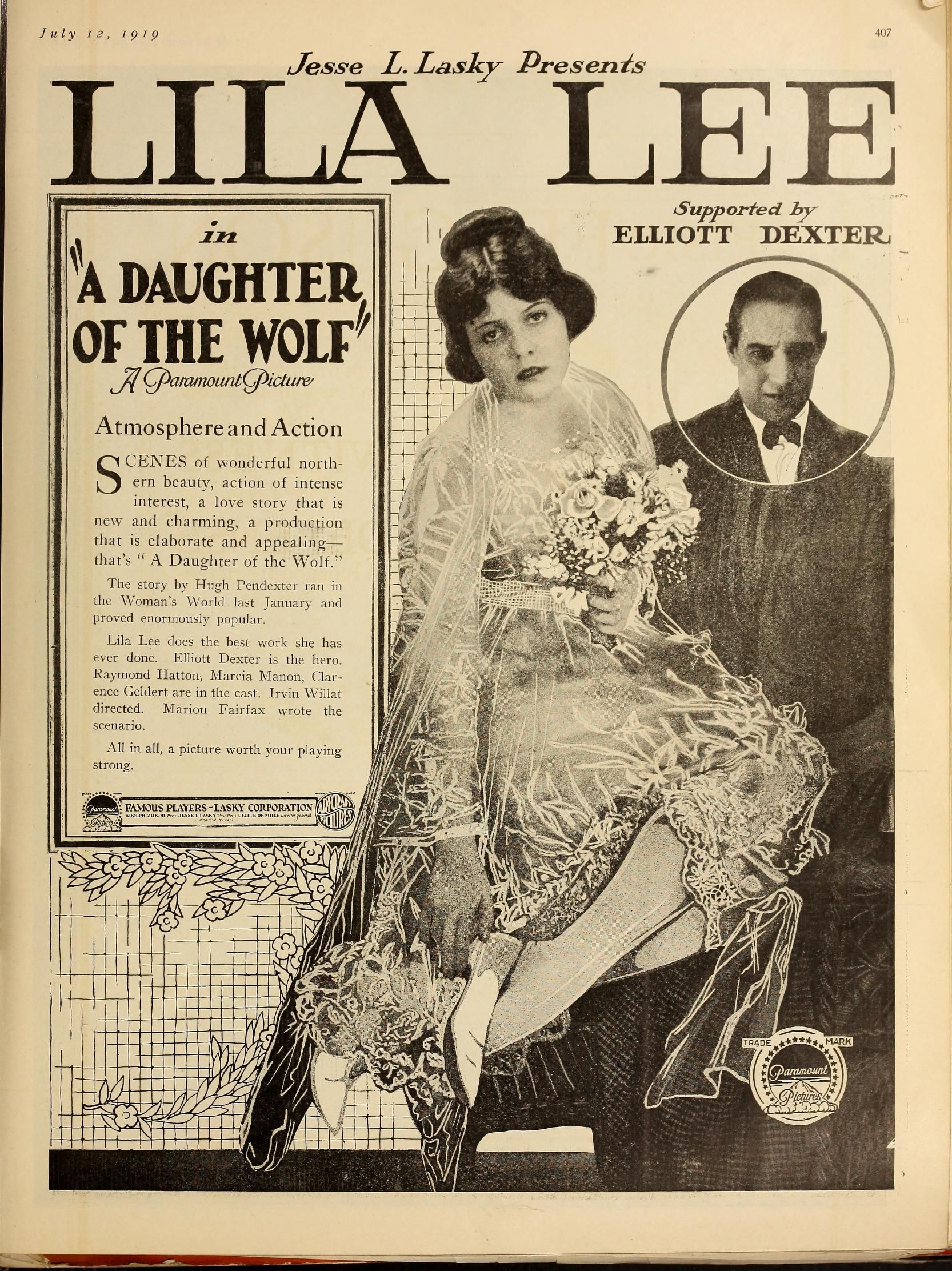
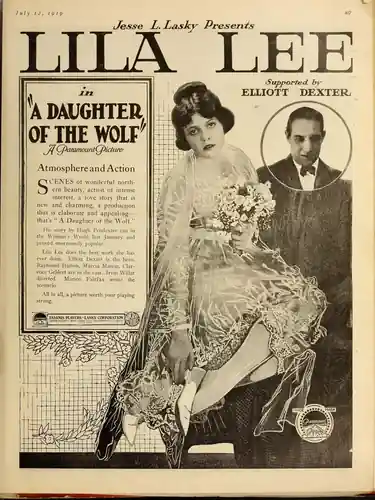
Stepping back into the cinematic tapestry of the silent era, one discovers narratives that, despite their lack of spoken dialogue, resonate with an emotional depth and dramatic urgency that transcend time. A Daughter of the Wolf, a compelling feature from an age when visual storytelling reigned supreme, stands as a testament to this enduring power. It's a film that masterfully weaves together threads of burgeoning romance, fierce paternal possessiveness, and the perilous world of cross-border smuggling, all set against the stark, untamed beauty of the Canadian wilderness and the contrasting allure of American urbanity. This isn't merely a historical curiosity; it is a vibrant, pulsating drama that explores universal human desires and conflicts with remarkable clarity and intensity.
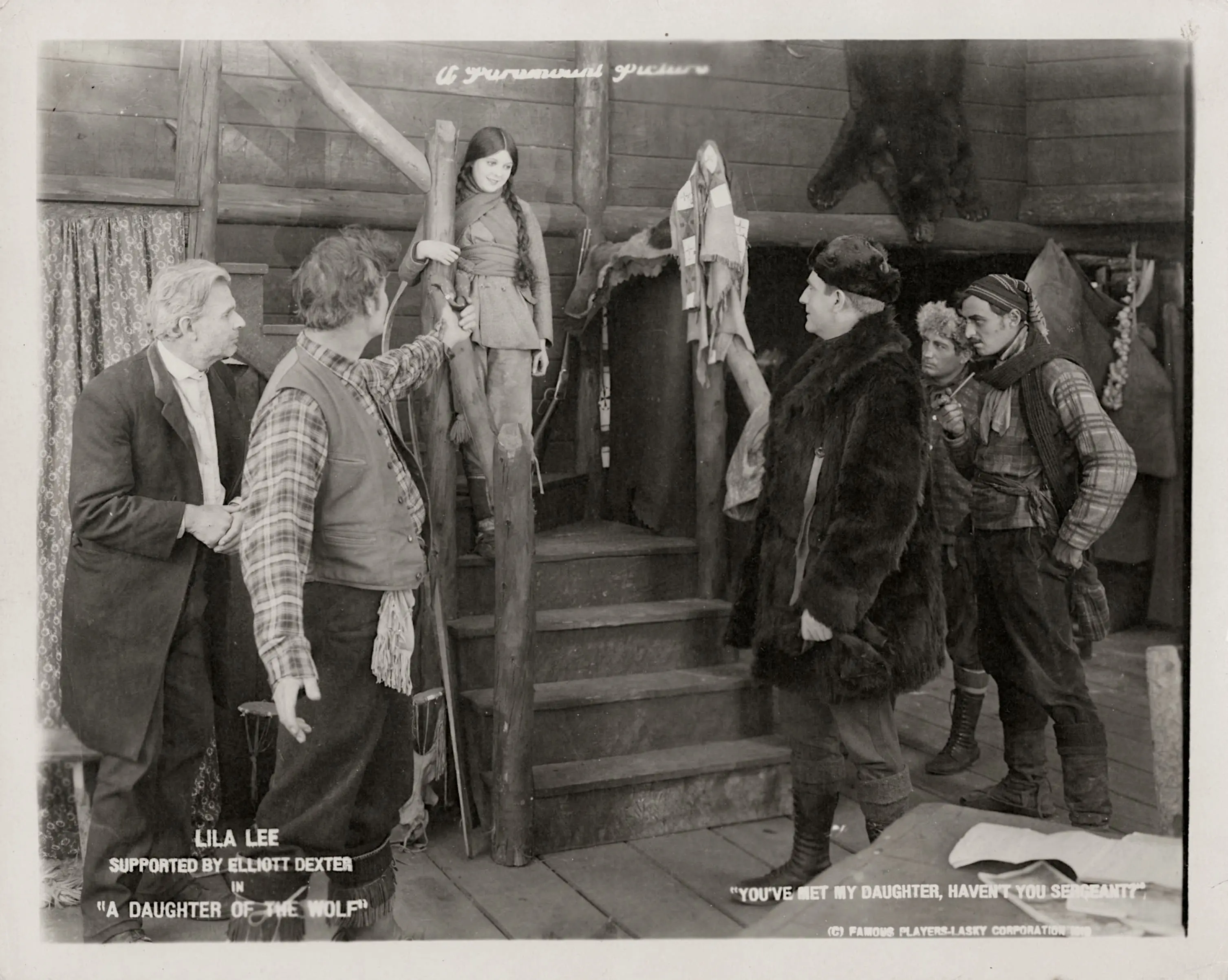
At its core, A Daughter of the Wolf plunges us into the life of a young woman, portrayed with captivating grace by the luminous Lila Lee, who yearns for a glimpse beyond the isolated existence she shares with her father. Her world is one shaped by the illicit trade of furs, a clandestine operation that defines her patriarch's very being. It is a harsh existence, yet one imbued with a certain wild freedom. Her father, a formidable figure brought to life by the commanding presence of Charles Ogle, is a man whose love for his daughter is as fierce as his commitment to his unlawful enterprise. When she persuades him to allow her to accompany him on a perilous journey south into the United States to sell his contraband, she unknowingly steps onto a path destined to alter the trajectory of her life irrevocably. This initial foray into a world beyond her familiar borders is fraught with both danger and the exhilarating promise of the unknown.
Once across the border, amidst the bustling, albeit illicit, markets where her father conducts his business, fate intervenes with a dramatic flourish. She encounters Robert, a young man embodied by the earnest Elliott Dexter, whose recent romantic tribulations have left him emotionally bruised. Robert's narrative arc begins with a poignant betrayal; his former sweetheart, enticed by the glittering promise of wealth, abandons him for a more affluent suitor. This shared vulnerability, this parallel experience of navigating the complexities of the heart in a world often driven by material concerns, forms an immediate, potent bond between the two protagonists. Their connection is swift and profound, blossoming into a tender romance that feels both inevitable and exquisitely fragile against the backdrop of her father's dangerous dealings.
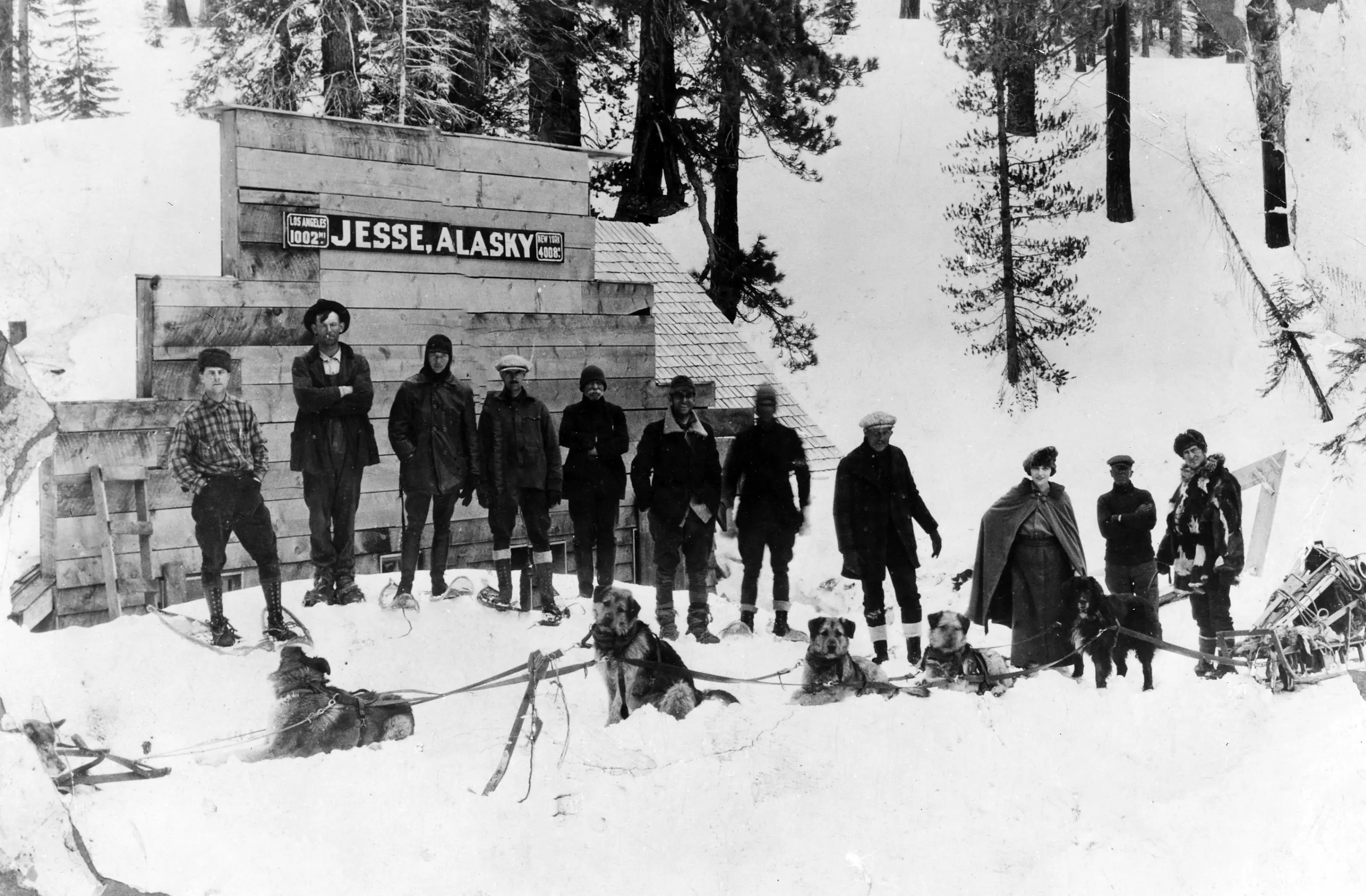
The idyllic interlude, however, is abruptly shattered. The shadow of tax agents looms large, threatening to expose her father's lucrative, yet illegal, fur trade. In a desperate, swift maneuver to evade capture and the severe repercussions of his actions, the father whisks his daughter back across the border into the protective anonymity of the Canadian wilderness. This sudden, forced departure severs the nascent connection between the young lovers, leaving Robert bereft and determined. His world, once again rocked by an unexpected separation, is now consumed by a singular, unwavering purpose: to find the woman who has captured his heart. This separation ignites the film's central conflict, transforming a budding romance into an epic quest, a testament to the power of enduring affection.
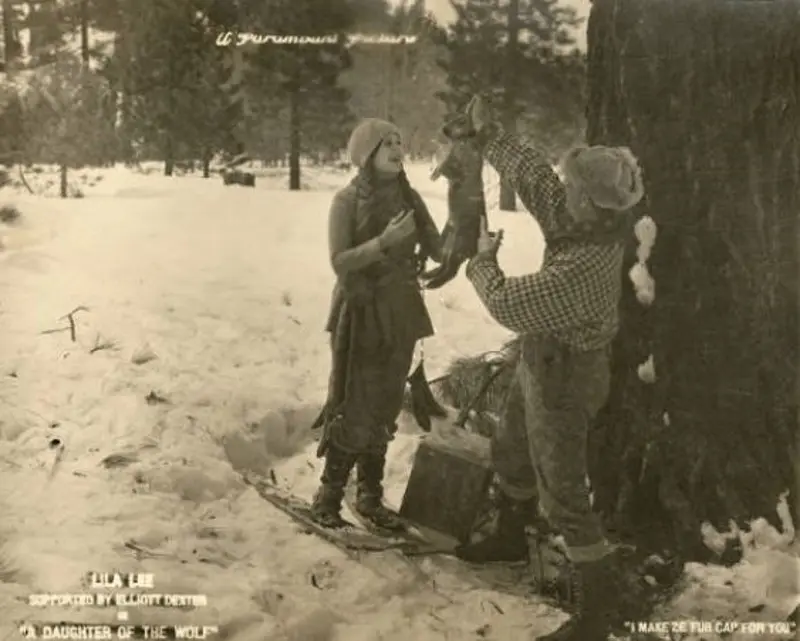
The narrative then embarks upon a year-long odyssey of relentless pursuit. Robert, fueled by an unyielding devotion, tirelessly searches for his lost love, his quest spanning vast distances and overcoming countless obstacles. His journey is a powerful demonstration of romantic tenacity, a theme that resonates deeply within the silent film tradition. When he finally unearths her whereabouts in the remote, rugged expanse of the Canadian north, the stage is set for a dramatic confrontation. He must not only contend with the formidable, possessive will of her father, a man fiercely protective of his daughter and his illicit empire, but also face the menacing machinations of the father's entire gang. The love that blossomed so sweetly now demands a battle, a physical and emotional struggle for reclamation and freedom. The "complications" that ensue are a whirlwind of escalating tension, perilous encounters, and moral quandaries, pushing the characters to their absolute limits.
The film's dramatic climax is a masterclass in silent era suspense, relying on visual cues, rapid editing, and the sheer physicality of the performances to convey the high stakes. Robert's struggle against the ruthless gang, led by the patriarch, is not merely a fight for survival but a profound assertion of his right to love and be loved. The daughter, caught between her filial loyalty and her burgeoning love, faces an agonizing choice, a dilemma that adds a poignant layer of emotional complexity to the raw action. The resolution, without giving too much away, is hard-won and deeply satisfying, providing a cathartic release after a prolonged period of intense conflict. The journey from initial attraction to ultimate reunion is paved with trials that forge the characters, revealing their true mettle.
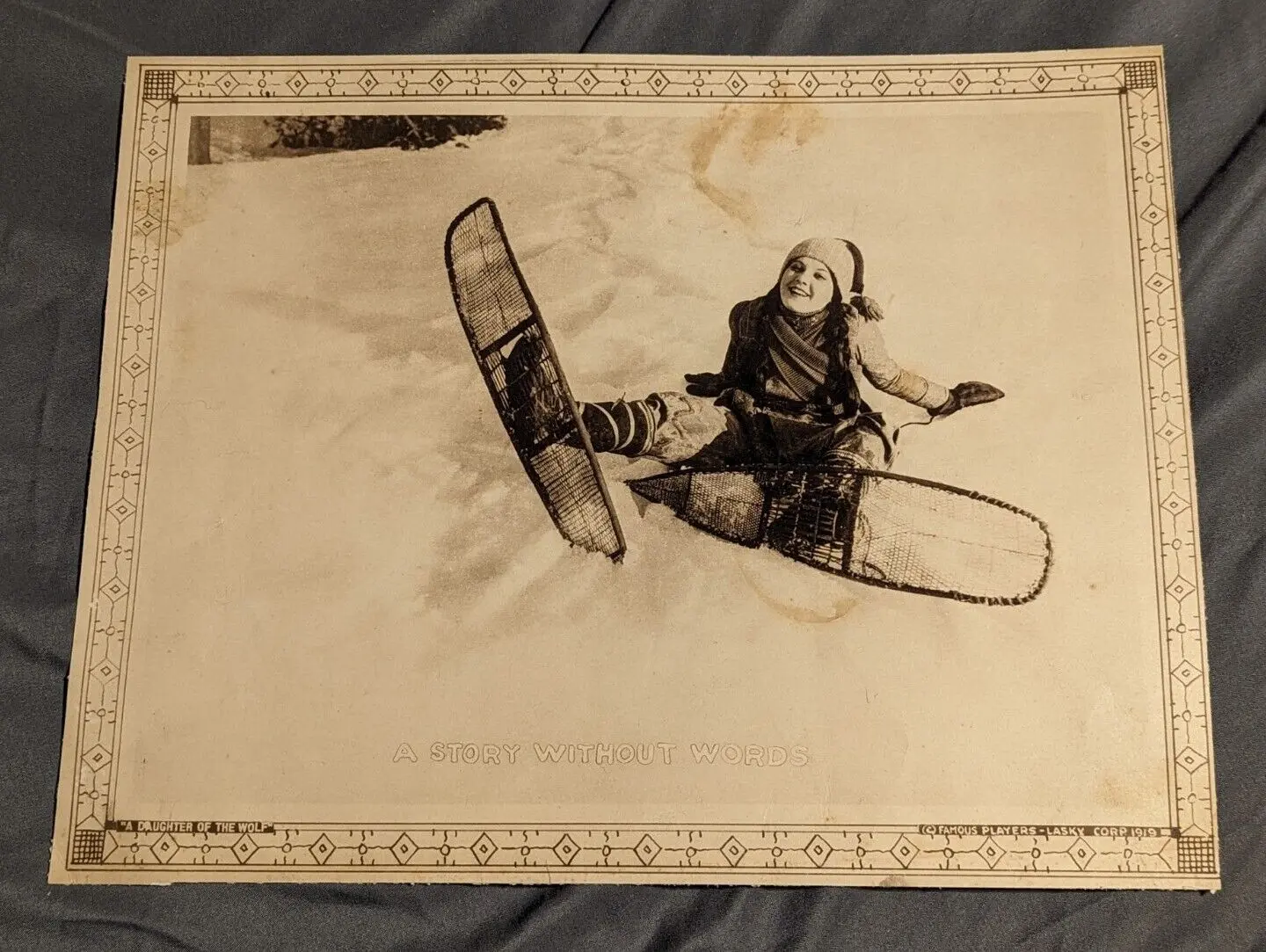
The success of A Daughter of the Wolf hinges significantly on the caliber of its performances, particularly from its lead actors. Lila Lee, as the titular daughter, delivers a nuanced portrayal that transcends the typical ingénue roles of the period. Her character is not merely an object of affection but a woman grappling with complex loyalties. Lee imbues her with a quiet strength, a burgeoning independence that shines through her initial innocence. Her eyes convey a world of unspoken emotion, from curiosity and tenderness to fear and resolute determination. This depth allows the audience to truly connect with her internal struggle, making her ultimate choices all the more impactful.
Elliott Dexter, as the steadfast Robert, embodies the quintessential romantic hero. His performance is marked by an unwavering sincerity and a palpable sense of purpose. Dexter masterfully conveys Robert's initial heartbreak, his subsequent burning resolve, and his courage in the face of overwhelming odds. He is both vulnerable and heroic, a combination that makes his year-long search and subsequent battle entirely believable and emotionally investing. His commitment to the role anchors the film's romantic heart, making his sacrifices and triumphs feel genuinely earned.
Perhaps the most compelling performance comes from Charles Ogle as the formidable father. Ogle avoids reducing the character to a mere villain; instead, he crafts a portrait of a man driven by a complex mix of paternal love, self-preservation, and a deep-seated adherence to his own code. His possessiveness of his daughter, while ultimately detrimental, stems from a warped sense of protection, adding layers to his antagonism. Ogle's powerful screen presence ensures that the father remains a truly formidable obstacle, making Robert's eventual victory all the more significant. The subtle shifts in his expressions, his commanding physicality, all contribute to a memorable and impactful antagonist.
The supporting cast, featuring talents like Raymond Hatton, James Neill, Minnie Devereaux, Clarence Geldert, Richard Wayne, Marcia Manon, Clyde Benson, Jim Mason, Roy Diem, and Jack Herbert, further enriches the film's texture. Each actor, even in smaller roles, contributes to the overall authenticity of the world depicted, whether as members of the father's gang or as incidental characters in Robert's arduous search. Their collective efforts ensure that the narrative feels populated by real individuals, each playing their part in the unfolding drama.
The intricate narrative of A Daughter of the Wolf is a testament to the skill of its writers, Marion Fairfax and Hugh Pendexter. Fairfax, a prolific and highly respected screenwriter of the era, was known for her ability to craft compelling stories with strong female characters and intricate plots. Her collaboration with Pendexter, a writer often associated with adventure and frontier tales, seems a perfect synergy for this particular story. Together, they construct a plot that is both adventurous and deeply emotional, balancing the thrill of the chase and the danger of the smuggling operation with the tender development of the central romance. The screenplay avoids simplistic characterizations, instead delving into the motivations and internal conflicts that drive the narrative forward. The pacing is expertly managed, building suspense and emotional investment with each passing scene, ensuring that the audience remains captivated from the tranquil beginnings to the tumultuous climax.
The dialogue, conveyed through intertitles, is concise yet effective, allowing the visual storytelling to take precedence, as was customary in the silent film era. However, the emotional weight and character development are clearly guided by a well-structured script. The choices made by the characters, particularly the daughter's eventual assertion of her own desires, feel earned because of the careful groundwork laid by Fairfax and Pendexter. Their vision for the narrative provides a robust framework upon which the director and actors could build a truly memorable cinematic experience. The themes of loyalty, love, and the struggle against external forces are not merely presented but explored with a depth that elevates the film beyond a simple action-romance.
While A Daughter of the Wolf carves its own distinct niche, its thematic preoccupations resonate with other films of its time, and even those that followed. The intense, often dangerous, pursuit of a beloved, battling against seemingly insurmountable odds, is a narrative trope that has captivated audiences for generations. One might draw a parallel to the relentless determination seen in protagonists of films like The Heritage of Hate, where personal vendettas or quests for justice drive characters through perilous landscapes. The idea of love overcoming significant societal or familial barriers, a cornerstone of many romantic dramas, finds echoes in the challenges faced by characters in films such as Barriers of Society. Here, the barrier is not just the father's will, but the very illegality of his enterprise and the physical distance he imposes.
Moreover, the juxtaposition of the untamed wilderness with the encroaching, albeit illicit, aspects of civilization, and the moral ambiguities inherent in a smuggling operation, evoke a sense of the frontier drama prevalent in many early American films. The father's role as a powerful, almost tyrannical figure, dictating his daughter's fate, can be seen as a thematic cousin to the oppressive forces at play in a film like The Prison Without Walls, where characters are confined not by literal bars but by circumstance or the will of others. The film's exploration of personal freedom versus imposed destiny, and the fight for autonomy in a restrictive environment, is a timeless struggle.
The very essence of two souls meeting across different worlds, finding connection despite disparate backgrounds and then being torn apart, only to reunite through sheer force of will, is a powerful narrative device. This "ships that meet in the night" metaphor, so eloquently captured in a title like The Ships That Meet, is central to the emotional core of A Daughter of the Wolf. The film demonstrates that even in the silent era, filmmakers were adept at crafting complex emotional landscapes and narratives that resonated deeply with audiences, proving that the human heart's yearnings are universal, regardless of the technological advancements in storytelling.
In conclusion, A Daughter of the Wolf is far more than a relic of a bygone cinematic age; it is a vibrant, emotionally charged drama that speaks to the enduring power of love and the complexities of familial bonds. Its rich narrative, brought to life by compelling performances and a masterful screenplay, offers a captivating glimpse into a world where romance blossomed amidst danger and loyalty was tested by profound desire. For enthusiasts of silent film and anyone who appreciates a well-crafted story of passion and perseverance, this film offers a deeply rewarding experience. It reminds us that even without spoken words, the grand narratives of the human heart can be conveyed with breathtaking clarity and impact, leaving an indelible mark on the viewer's imagination long after the final frame fades to black. Its legacy is not just in its historical significance, but in its timeless ability to move and entertain, proving that true cinematic artistry transcends the limitations of its era.
IMDb —
1932
Community
Log in to comment.