DbcultAccessing Vault...
Cult Review
Senior Film Conservator
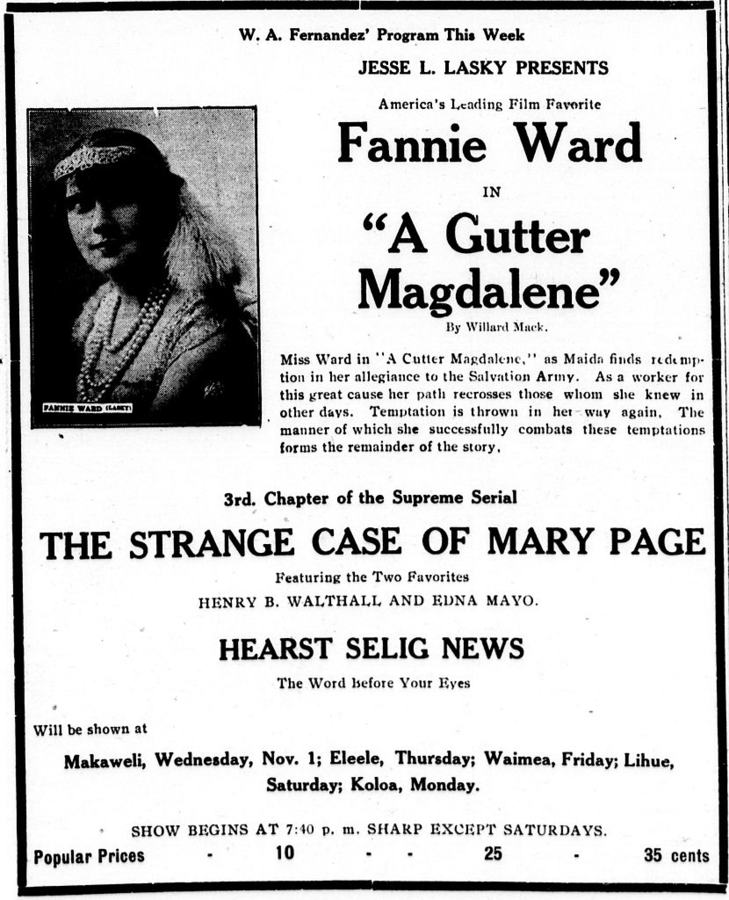
The cinematic tapestry of the early 20th century often wove narratives of stark moral dilemmas, social stratification, and the arduous path to redemption. Among these, ‘A Gutter Magdalene’, a silent film from 1916, emerges not merely as a relic of a bygone era but as a profoundly resonant exploration of the human spirit’s capacity for resilience amidst overwhelming adversity. Directed with a keen eye for emotional nuance and featuring a cast that imbues its archetypal characters with surprising depth, this film, though perhaps not as widely celebrated as some of its contemporaries, offers a compelling glimpse into the social consciousness of its time, while delivering a story that remains strikingly relevant.
At its core, the film is a character study, an unflinching gaze into the life of Mary, portrayed with searing intensity by Gertrude Kellar. Kellar’s performance is a masterclass in silent film acting, conveying a vast spectrum of emotion—from the crushing weight of despair to the flickering embers of hope—through subtle gestures, expressive eyes, and a commanding physical presence. Her Mary is not merely a victim; she is a survivor, a woman whose dignity, though constantly threatened, never fully succumbs to the degradation of her circumstances. The narrative, penned by Willard Mack and Clinton Stagg, eschews simplistic morality tales, instead presenting a nuanced portrait of a woman pushed to the brink, her fall from grace depicted not as a moral failing but as a tragic consequence of systemic indifference and predatory exploitation.
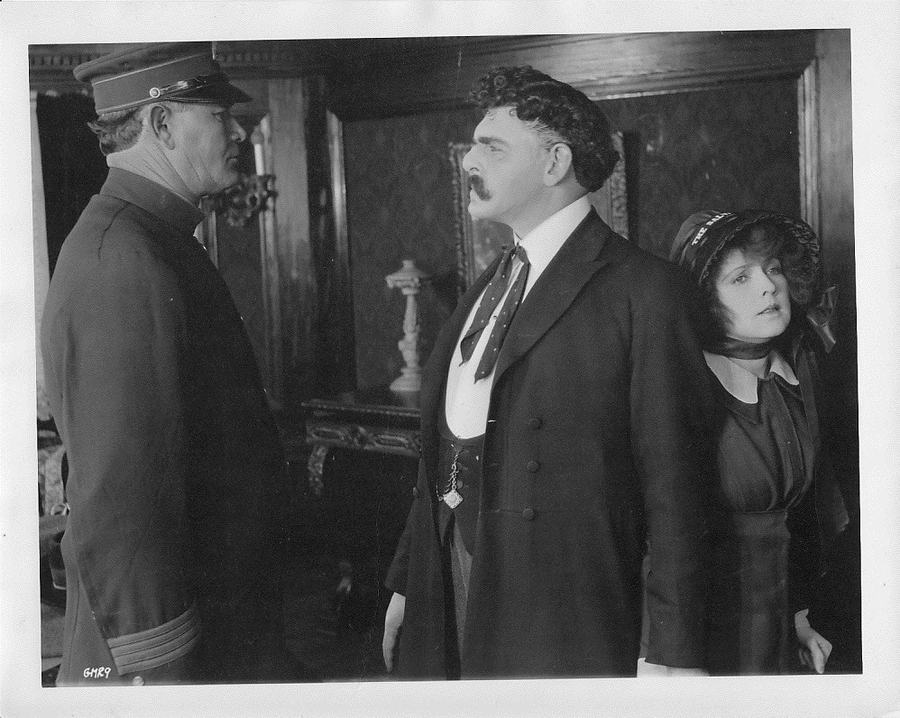
The film opens with Mary in a state of relative innocence, though hints of impending hardship are subtly woven into the early scenes. We witness the insidious unraveling of her life, perhaps through a betrayal by a trusted figure or the relentless grip of poverty, forcing her into the harsh realities of the city's underbelly. The transition is handled with a delicate touch, avoiding sensationalism in favor of a more empathetic portrayal of her descent. This careful groundwork makes her subsequent struggles all the more impactful, as the audience is invited to empathize with her plight rather than judge her choices. The cinematography, even in its archival form, suggests a sophisticated use of light and shadow, particularly in depicting the stark contrast between the opulent, often hypocritical, world of the 'respectable' and the grimy, dangerous world Mary inhabits.
The introduction of Eleanor Vance, a social worker whose idealism is initially tested by the harsh realities she confronts, serves as a pivotal turning point. Vance, played by Fannie Ward with a blend of earnestness and steely resolve, represents the nascent stirrings of social reform and the belief in rehabilitation over condemnation. Her interactions with Mary are crucial, providing a counterpoint to the pervasive cynicism and judgment that Mary has come to expect. It is through Vance's unwavering faith that Mary begins to glimpse the possibility of a different life, a path away from the 'gutter' implied by the film's title. This dynamic echoes themes explored in other social dramas of the era, such as ‘God's Law and Man's’, which also grappled with the tension between rigid societal codes and individual moral agency.
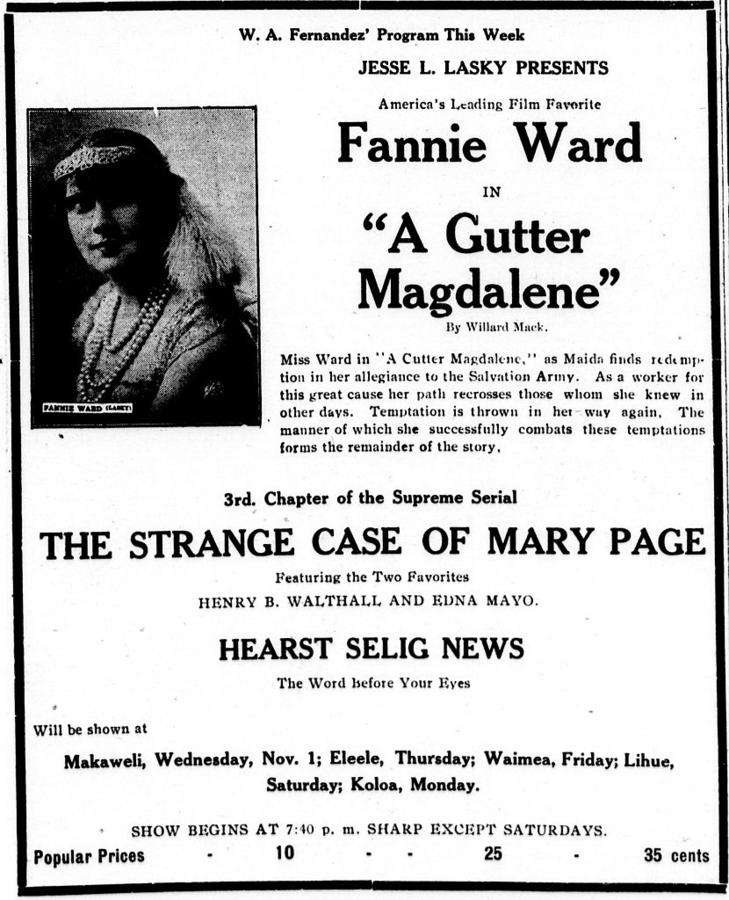
The antagonist, a shadowy figure known only as 'The Viper,' played with menacing subtlety by Jack Dean, embodies the predatory forces that thrive in the margins of society. His attempts to ensnare Mary further, to keep her bound to a life of exploitation, provide much of the film's dramatic tension. Dean's performance, relying on a chilling stillness and a glint in his eye, effectively conveys the insidious nature of his character, making him a truly formidable obstacle to Mary's redemption. The film masterfully builds towards a confrontation between these forces of good and evil, not through grand theatrical gestures, but through a series of escalating psychological and physical threats that keep the audience on edge.
One cannot discuss the film without acknowledging the broader ensemble. James Neill, William Elmer, Lucien Littlefield, Robert N. Bradbury, and Charles West each contribute to the rich tapestry of characters that populate Mary's world. Neill, perhaps as a sympathetic authority figure or a misguided but ultimately decent individual, brings a gravitas that grounds the more melodramatic elements. Elmer and Littlefield, often relegated to supporting roles, likely provide much-needed texture, perhaps as morally ambiguous figures or as representatives of the working class. Bradbury and West, known for their versatility, undoubtedly lend their talents to creating a believable social milieu, whether as judgmental bystanders or unwitting participants in Mary's plight. Their collective performances, though often in the background, serve to amplify the central drama and provide a comprehensive view of the society Mary navigates.
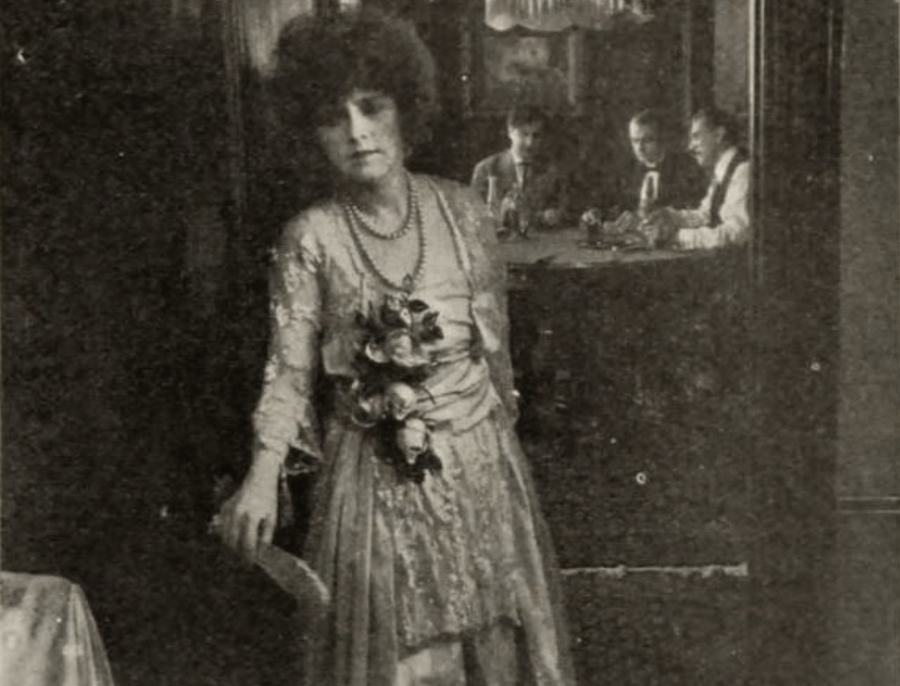
The screenplay by Mack and Stagg is noteworthy for its intricate plotting and character development. They manage to weave a narrative that is both emotionally gripping and socially critical, without ever descending into mere didacticism. The pacing is deliberate, allowing the audience to fully absorb Mary's emotional journey and the complexities of her situation. Unlike some films of the era that relied heavily on broad strokes and exaggerated gestures, ‘A Gutter Magdalene’ demonstrates a more sophisticated approach to storytelling, prioritizing character motivation and psychological realism. This approach can be seen as a precursor to later, more nuanced dramas, distinguishing it from simpler morality plays like ‘The Challenge Accepted’, which often focused on more straightforward heroic narratives.
The thematic richness of ‘A Gutter Magdalene’ is perhaps its greatest strength. It delves into the profound questions of identity, societal responsibility, and the possibility of atonement. Is redemption truly possible for those society has cast aside? Can an individual truly escape their past when the world constantly reminds them of it? The film grapples with these questions with an honesty that is both refreshing and, at times, heartbreaking. It critiques the hypocrisy of a society that condemns the fallen while often ignoring the systemic injustices that lead to their downfall. This critical lens aligns with other films of its period that dared to question social norms, such as ‘Down with Weapons’, which challenged the glorification of war, or ‘Shoe Palace Pinkus’, which explored class disparities.
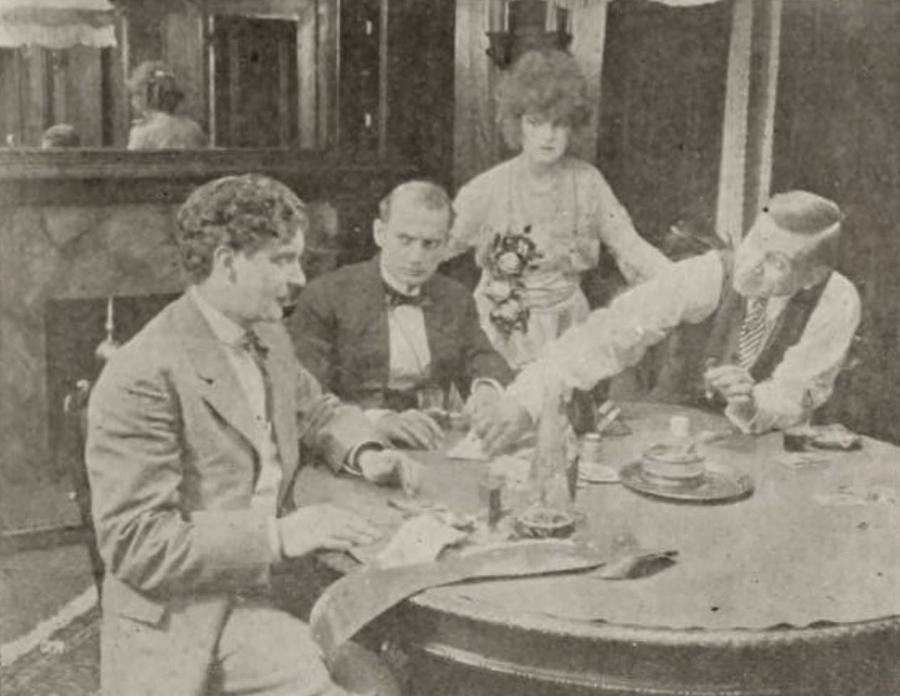
The climax of the film is particularly impactful. Without spoiling the intricate details, it involves a moment of profound courage and self-sacrifice on Mary’s part. Faced with an immediate threat to Eleanor Vance, Mary rises above her past, demonstrating a strength and moral clarity that transcends her societal label. This act is not merely a plot device; it is the culmination of her emotional arc, a powerful testament to her transformation. It is in this moment that she fully reclaims her agency, not by escaping her past, but by confronting it and using the lessons learned to protect someone else. This kind of personal triumph, born from hardship, resonates with the individualistic spirit found in films like ‘Envar sin egen lyckas smed’, which celebrates self-made success against all odds.
The lasting legacy of ‘A Gutter Magdalene’ lies in its unwavering humanism. It reminds us that labels can be misleading, and that true character often shines brightest in the darkest of circumstances. The film’s message about empathy, understanding, and the transformative power of compassion remains as potent today as it was over a century ago. It’s a call to look beyond superficial judgments and to see the inherent worth in every individual, regardless of their past or present circumstances. While it may not possess the epic scope of a ‘Julius Caesar’ or the thrilling suspense of ‘The Secret of the Submarine’, its impact is no less profound, carving out a significant space in the pantheon of silent social dramas.
In conclusion, ‘A Gutter Magdalene’ is a film that deserves to be rediscovered and re-evaluated. Its narrative complexity, the stellar performances, particularly from Gertrude Kellar, and its timeless themes of redemption and social justice make it a compelling watch. It stands as a testament to the power of early cinema to not only entertain but also to provoke thought, challenge societal norms, and celebrate the enduring strength of the human spirit. It is a powerful reminder that even in the most desolate of circumstances, a flicker of hope can ignite a transformative journey, proving that the 'gutter' can indeed be a crucible for a profound and hard-won grace. Its subtle critiques of societal hypocrisy and its celebration of individual resilience offer a viewing experience that is both intellectually stimulating and deeply moving, solidifying its place as a significant, albeit understated, classic of the silent era.
IMDb 6.5
1933
Community
Log in to comment.